

Have you ever wondered which car was the very first to feature four-wheel drive? If you’re curious about how this game-changing technology started and why it matters to your driving experience today, you’re in the right place.
Understanding the origins of the first 4 wheel drive car will give you a new appreciation for the power and control you get behind the wheel. Keep reading, and you’ll discover surprising facts that might change the way you see your own vehicle.

Credit: www.of4wd.com
Early Off-road Vehicles
Early off-road vehicles marked a new era in transportation. These machines were built to handle rough paths and tough conditions. Before four-wheel drive (4WD) systems, vehicles struggled on uneven terrain. People needed cars that could move across mud, rocks, and hills without getting stuck.
These early vehicles laid the groundwork for modern 4WD cars. Engineers tested different ideas to improve grip and power. Their work helped shape off-road driving as we know it today.
Predecessors To 4wd Cars
Before 4WD cars, many vehicles had only two driven wheels. Some early trucks and tractors used simple chain systems to help all wheels move. Steam-powered vehicles also tried to spread power to more wheels. These ideas were the first attempts to solve off-road problems.
One famous early off-road vehicle was the Jeffery Quad, built in 1913. It had four-wheel drive and was used by the military. This vehicle showed how useful 4WD could be on rough ground.
Challenges In Off-road Driving
Off-road driving tests a vehicle’s strength and design. Mud, rocks, and steep slopes can stop cars without proper traction. Early vehicles often got stuck or broke down on tough trails.
Another challenge was controlling power delivery to each wheel. Too much power on one wheel could cause slipping. Drivers needed better systems to keep wheels turning evenly.
Durability also mattered. Off-road vehicles faced harsh conditions that wore out parts quickly. Engineers had to make stronger suspensions and tires for these demanding tasks.
Birth Of The First 4wd Car
The birth of the first 4WD car marked a new chapter in automotive history. It introduced a way to power all four wheels at once. This innovation helped vehicles move better on rough and slippery roads. Early 4WD cars paved the path for modern off-road and utility vehicles. Their design aimed to improve traction and control in tough conditions.
Key Innovators And Models
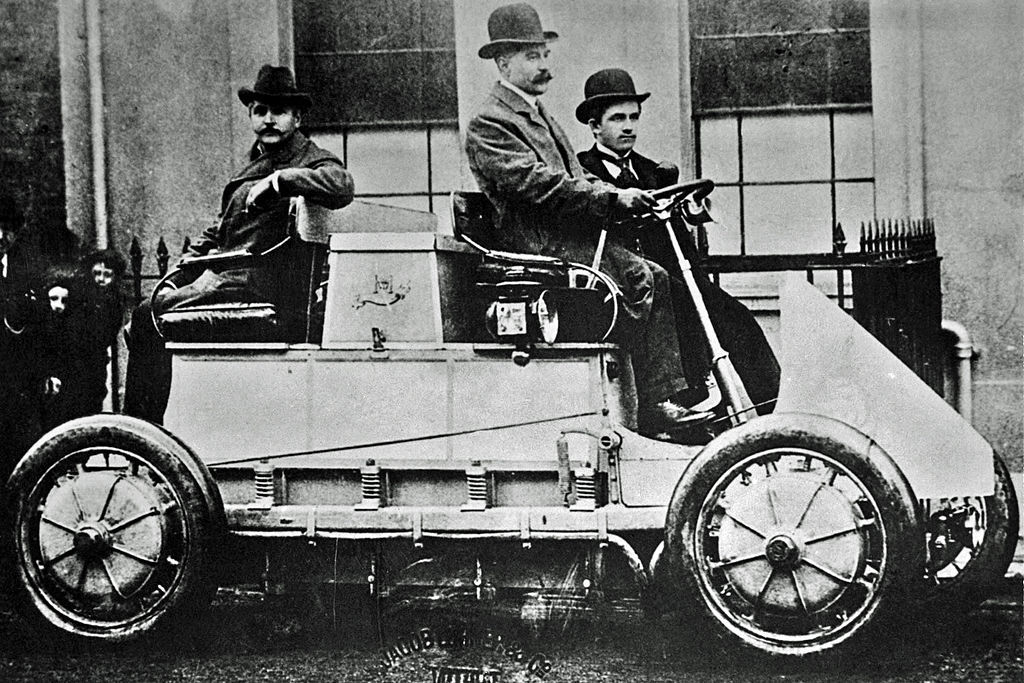
Several inventors worked on four-wheel-drive technology. One of the earliest was Ferdinand Porsche. In 1900, he built the Lohner-Porsche, a hybrid with four-wheel drive. Another important figure was J. Walter Christie. He created racing cars with 4WD in the early 1900s. The 1903 Spyker 60 HP became the first production car with four-wheel drive. These pioneers laid the foundation for 4WD vehicles we see today.
Technological Breakthroughs
Early 4WD cars faced many mechanical challenges. Engineers had to design systems to send power evenly to all wheels. The invention of the transfer case was key. It allowed drivers to switch between two-wheel and four-wheel drive. Advances in differentials helped manage wheel speed differences. These breakthroughs made 4WD cars more reliable and practical. They allowed cars to handle rough terrain without losing grip.
How 4wd Transformed Off-roading
The introduction of the first four-wheel drive (4WD) car changed off-roading forever. It gave drivers better control over rough and slippery surfaces. Trails that were once impossible to cross became accessible. This technology made outdoor adventures safer and more fun.
4WD vehicles spread quickly among off-road enthusiasts. They brought new opportunities to explore nature without limits. The impact on off-roading was clear and lasting.
Improved Traction And Control
4WD sends power to all four wheels at once. This helps maintain grip on loose or uneven ground. Drivers can handle mud, snow, and rocks with more confidence. The vehicle stays stable and less likely to slip or slide.
Better traction means fewer stuck vehicles and safer drives. It also reduces wheel spin and improves acceleration on tough surfaces.
Expanded Terrain Possibilities
With 4WD, drivers can explore a wider range of terrains. Steep hills, deep sand, and rocky paths become manageable. Roads that were once off-limits are now open for adventure.
Off-roading enthusiasts enjoy more freedom. They reach remote places and enjoy nature’s beauty in new ways. The 4WD system made off-road travel practical and exciting.
Popular Early 4wd Models
Early four-wheel drive (4WD) cars changed how people and armies moved over rough land. These vehicles gave better grip and control on dirt, mud, and hills. They helped people reach places that were once hard to access. Some early 4WD models were made for tough jobs. Others became favorites for fun and work.
These early models still inspire many 4WD vehicles today. Their designs and ideas laid the groundwork for modern off-road driving. Learning about them shows how far 4WD technology has come. It also highlights the key roles these cars played in history and daily life.
Military And Civilian Use
Many early 4WD cars were built for military use. Armies needed strong vehicles to move soldiers and supplies. These cars could handle rough battlefields and tough weather. The famous Willys Jeep is one early example. It became a symbol of World War II and helped win many battles.
After the war, 4WD cars moved into civilian life. Farmers, builders, and outdoor lovers used them. They helped carry heavy loads and travel rough roads. The military’s tough designs made these cars reliable and strong for everyday tasks.
Iconic Off-road Vehicles
Some early 4WD models became icons for off-road driving. The Land Rover Series I started in 1948. It was simple, strong, and easy to fix. This made it popular on farms and in the wilderness. Another famous model is the Toyota Land Cruiser. It began in the 1950s and became known for its durability and power.
These vehicles shaped the idea of off-road adventure. They showed how 4WD cars could explore remote places. Today, their legacy lives on in many modern off-road vehicles around the world.
Evolution Of 4wd Technology
The evolution of 4WD technology has changed the way vehicles handle rough roads and tough conditions. From simple mechanical parts to advanced electronic systems, 4WD has grown more reliable and easy to use. This progress makes driving safer and more efficient in different environments.
From Mechanical To Electronic Systems
Early 4WD cars used mechanical parts to send power to all wheels. Drivers had to switch the system on or off manually. This setup was strong but needed skill to use well.
Newer cars use electronic controls to manage 4WD. Sensors check road conditions and adjust power automatically. This helps improve grip and control without driver input.
Current Trends In 4wd
Modern 4WD systems combine electronics with smart software. They can predict wheel slip and react quickly. Some models include multiple driving modes for different surfaces.
Fuel efficiency is also a focus. Many 4WD cars now use lighter parts and better engines. This reduces fuel use while keeping strong performance.
Impact On Outdoor Adventures
The first 4 wheel drive car changed outdoor adventures forever. It allowed people to explore places that were once hard to reach. Trails, mountains, and rough terrains became more accessible. This new capability gave rise to many activities and helped in critical missions.
Outdoor lovers could now enjoy nature in ways they never had before. The car’s power and control made adventures safer and more exciting. Its impact is seen in both fun and serious outdoor tasks.
New Recreational Activities
4 wheel drive cars made off-road driving popular. People started to explore dirt roads and forest trails. Camping spots became easier to find and reach. Adventure sports like rock crawling and dune bashing grew in popularity. Families and friends enjoyed weekend trips far from cities. This vehicle type opened doors to many new outdoor hobbies.
Influence On Exploration And Rescue
Explorers used 4 wheel drive cars to reach unknown places. Scientists and researchers accessed remote areas with ease. Rescue teams relied on these vehicles to save lives. They could travel through mud, snow, and rough paths quickly. This improved emergency response time and success rates. The cars became vital tools in protecting people and nature.
Future Of 4wd Vehicles
The future of 4WD vehicles is bright and full of changes. Technology and environment needs drive new ideas. These vehicles will not only be tough but also cleaner and smarter. The coming years will bring many updates that improve performance and reduce harm to nature.
Sustainability And Electric 4wd
Electric 4WD cars are becoming more common. They use batteries instead of fuel engines. This change helps cut pollution. Electric motors give strong power for tough roads. Charging stations grow in many places. This makes driving electric 4WD easier for everyone. Battery life and charging speed improve every year. Many brands plan to build only electric 4WD models soon. This shift supports cleaner air and less noise in cities and nature.
Innovations On The Horizon
New technology changes 4WD vehicles fast. Sensors and computers help cars know road conditions. This makes driving safer on ice, mud, or steep hills. Some 4WD models can adjust power to each wheel alone. This smart control saves energy and improves grip. Lightweight materials will make cars stronger but lighter. This helps save fuel and increases speed. Self-driving 4WD vehicles will assist drivers in hard places. These innovations will make 4WD vehicles easier and safer to use.

Credit: www.skoda-motorsport.com
Credit: ultra-vision.com.au
Frequently Asked Questions
What Was The First 4 Wheel Drive Car Ever Made?
The first 4 wheel drive car was the Spyker 60 HP, built in 1903. It was the first vehicle with all-wheel drive and a four-wheel braking system, setting a foundation for modern 4WD technology.
How Does A 4 Wheel Drive Car Work?
A 4 wheel drive car powers all four wheels simultaneously. This improves traction and control on rough or slippery surfaces. It distributes engine power evenly to front and rear wheels, enhancing stability and off-road capability.
Why Is 4 Wheel Drive Important In Vehicles?
4 wheel drive increases traction and vehicle control in tough conditions. It helps drive on snow, mud, sand, and uneven terrain. It enhances safety and performance by preventing wheel slip and improving handling.
When Did 4 Wheel Drive Cars Become Popular?
4 wheel drive cars gained popularity during the mid-20th century. Military and off-road applications boosted demand. Later, consumer SUVs adopted 4WD for better versatility and safety on all terrains.
Conclusion
The first 4 wheel drive car changed how people drive on rough roads. It gave better control and safety. This innovation made traveling easier in tough conditions. Many cars today still use this system. It shows how important that first step was.
Understanding its history helps us appreciate modern cars more. The 4 wheel drive remains useful and popular worldwide. A simple idea with lasting impact.


