
Have you ever wondered what keeps your vehicle’s engine running smoothly every time you turn the key? One of the unsung heroes behind that reliable start is your fuel filter.
It might seem like a small, simple part, but without it, your engine could face serious problems. Understanding how a fuel filter works can help you protect your car, save money on repairs, and improve performance. Keep reading to discover the crucial role this tiny component plays in your vehicle’s health—and why paying attention to it could save you a lot of trouble down the road.
Credit: gomechanic.in
Fuel Filter Basics
A fuel filter plays a key role in the health of your vehicle’s engine. It cleans the fuel before it reaches the engine. Clean fuel means better engine performance and longer engine life.
Fuel filters trap dirt, rust, and other particles. These impurities can cause damage and reduce fuel efficiency. Understanding the basics of fuel filters helps you maintain your vehicle better.
Purpose Of A Fuel Filter
The main job of a fuel filter is to protect the engine. It stops harmful particles from entering the fuel system. Without a fuel filter, dirt and debris can clog fuel injectors and carburetors.
A clean filter improves fuel flow. This helps the engine run smoothly and saves fuel. It also reduces wear and tear on engine parts.
Common Types Of Fuel Filters
Fuel filters come in several types. The most common are paper, mesh, and cartridge filters. Paper filters use a special material to trap dirt.
Mesh filters have a metal screen that catches larger particles. Cartridge filters are easy to replace and fit inside a housing. Choosing the right type depends on your vehicle and fuel system.

Credit: www.racornews.com
Fuel Contaminants And Their Impact
Fuel contaminants are tiny particles and substances that enter the fuel system. They can cause serious damage to engines if not removed. Understanding these contaminants helps explain why fuel filters are essential. They protect the engine by trapping harmful materials before they reach vital parts.
Types Of Contaminants
Water is a common contaminant that mixes with fuel and causes rust. Dirt and dust enter fuel tanks during refueling or from the air. Rust particles come from corroded metal fuel tanks or pipes. Microbial growth can occur in diesel fuel, forming sludge and acids. Other contaminants include wax, paint chips, and leftover fuel additives.
Effects On Engine Performance
Contaminants block fuel injectors, reducing fuel flow and power. Engines may run rough or stall due to clogged filters. Fuel pumps wear out faster when they push contaminated fuel. Poor combustion causes higher emissions and lower fuel efficiency. Over time, engine parts can suffer permanent damage, leading to costly repairs.
Fuel Filter Components
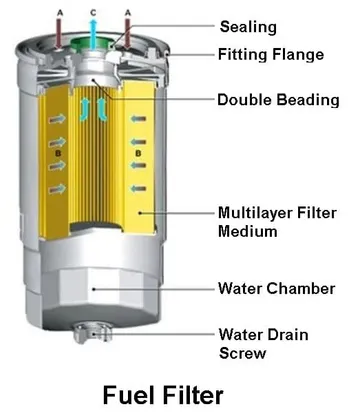
The fuel filter has several key parts that work together to clean the fuel. These parts make sure dirt and rust do not reach the engine. Each part plays a specific role in filtering and protecting the fuel system.
Filter Media
The filter media is the heart of the fuel filter. It traps dirt, rust, and other particles from the fuel. This part is usually made from paper or synthetic fibers. The fibers create a mesh that blocks harmful debris while letting fuel pass through. Clean fuel helps the engine run smoothly and last longer.
Housing And Seals
The housing holds the filter media in place. It is often made of metal or plastic. The housing protects the filter media from damage and keeps the fuel inside. Seals around the housing stop fuel leaks. They make sure no dirt enters the fuel system. Strong seals keep the filter tight and secure during engine vibrations.
How Fuel Filters Clean Fuel
Fuel filters play a key role in keeping an engine healthy. They clean the fuel before it reaches the engine. This process helps protect engine parts from damage. Clean fuel means better performance and longer engine life.
Filtration Process
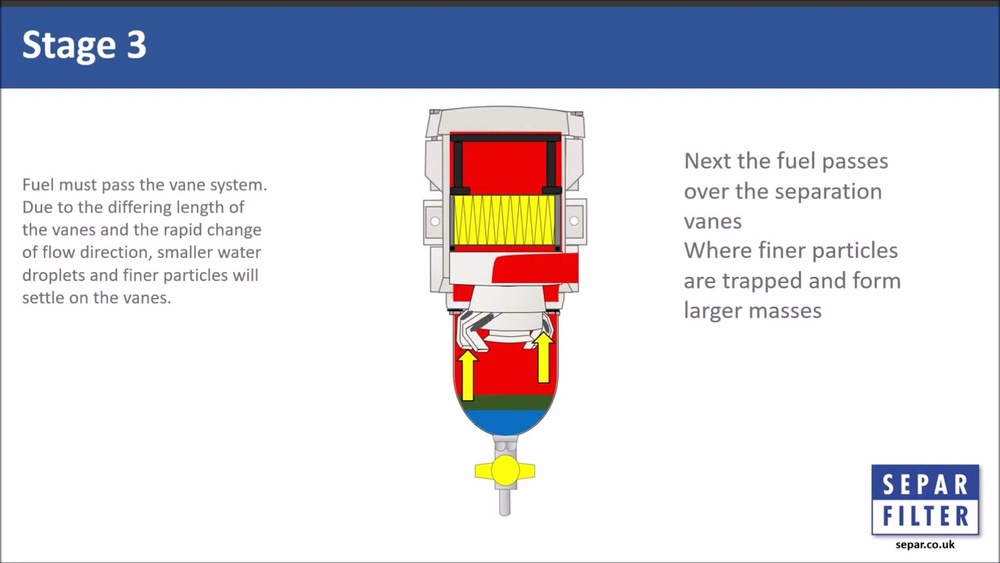
The fuel filter uses a fine mesh or paper element to catch dirt. Fuel passes through this element slowly. Tiny particles like dust and rust get trapped in the filter. This stops them from entering the engine. The filter also removes some liquids that do not belong in the fuel.
Trapping Particles And Water
Fuel often contains small solid particles and water droplets. Water can cause corrosion and poor engine performance. The filter has materials that attract and hold water. It collects water and lets clean fuel flow on. This keeps the fuel system safe from damage caused by water and dirt.
Signs Of A Clogged Fuel Filter
A clogged fuel filter can cause many problems in your vehicle. It stops fuel from flowing freely to the engine. This blockage affects how your car runs and how much fuel it uses. Knowing the signs of a clogged fuel filter helps you fix issues early. It prevents bigger engine troubles and saves money on repairs.
Engine Performance Issues
A clogged fuel filter can make the engine run rough or stall. You may notice the car hesitates when you press the gas pedal. The engine might misfire or lose power while driving uphill. Starting the car could become harder than usual. These signs mean the engine is not getting enough clean fuel.
Fuel Efficiency Drops
Your car may use more fuel than normal with a clogged filter. The engine works harder to get fuel, wasting gas in the process. This causes a drop in miles per gallon. You might need to fill the tank more often. Lower fuel efficiency is a clear warning of a blocked fuel filter.

Credit: www.youtube.com
Fuel Filter Maintenance
Fuel filter maintenance is essential for a vehicle’s smooth operation. The fuel filter traps dirt and debris before they reach the engine. Over time, the filter clogs and reduces fuel flow. This can cause poor engine performance or even damage. Regular maintenance keeps the fuel system clean and protects engine parts.
Checking and maintaining the fuel filter ensures the engine runs efficiently. It helps to avoid costly repairs and extends the vehicle’s life. Simple care steps can prevent many fuel system problems.
Replacement Intervals
Fuel filters need changing regularly to stay effective. Most manufacturers recommend replacing the filter every 20,000 to 40,000 miles. This depends on the vehicle model and driving conditions. Dusty or rough roads may require more frequent changes. Always check the owner’s manual for specific guidelines.
Delaying replacement can lead to clogged filters and poor engine function. Regular replacement maintains clean fuel flow and good engine health.
Diy Vs Professional Service
Some vehicle owners prefer changing the fuel filter themselves. This can save money and time if you have the right tools. Basic knowledge of the fuel system is needed for a safe replacement.
Professional services offer expert care and use proper equipment. They can spot other fuel system issues during the check. Professionals also ensure the filter is installed correctly to avoid leaks.
Choosing between DIY and professional service depends on your skills and comfort level. Safety is key when working with fuel systems. Always follow safety instructions and wear protective gear.
Choosing The Right Fuel Filter
Choosing the right fuel filter is key to keeping your engine clean and running smoothly. The fuel filter stops dirt and rust from reaching the engine. Picking the correct filter helps avoid costly repairs and improves fuel efficiency.
Compatibility With Vehicle
Not all fuel filters fit every vehicle. Check your car’s manual for the right type. Filters come in different sizes and styles. Using the wrong filter can cause leaks or poor performance. Always match the filter to your vehicle’s make and model.
Quality And Brand Considerations
Choose fuel filters from trusted brands. Quality filters last longer and work better. Cheap filters may clog quickly or let dirt through. Look for filters made with strong materials. Good brands often test their products for safety and durability.
Frequently Asked Questions
What Is The Main Purpose Of A Fuel Filter?
A fuel filter removes dirt and debris from fuel before it reaches the engine. It protects the engine’s fuel system and ensures smooth performance. Clean fuel helps prevent clogs and damage to injectors and carburetors, improving efficiency and engine life.
How Often Should You Replace A Fuel Filter?
Fuel filter replacement varies by vehicle but generally occurs every 20,000 to 40,000 miles. Check your owner’s manual for specific intervals. Regular replacement maintains fuel flow and engine health. Neglecting it can lead to poor engine performance and costly repairs.
Can A Clogged Fuel Filter Cause Engine Problems?
Yes, a clogged fuel filter restricts fuel flow, causing engine hesitation, stalling, and reduced power. It can also increase fuel consumption and emissions. Timely replacement avoids these issues and keeps the engine running smoothly.
Where Is The Fuel Filter Located In A Vehicle?
Fuel filters are usually located along the fuel line, near the fuel tank or engine. Some vehicles have inline filters, while others have filters integrated into the fuel pump. Knowing the location helps in inspection and timely replacement.
Conclusion
A fuel filter keeps dirt and debris out of your engine. It helps your vehicle run smoothly and last longer. Changing the fuel filter regularly saves money on repairs. Clean fuel means better engine performance and less pollution. Remember to check your filter often for a healthy engine.
A small part, but very important. Taking care of it keeps your car happy and reliable. Simple steps make a big difference in the long run.


