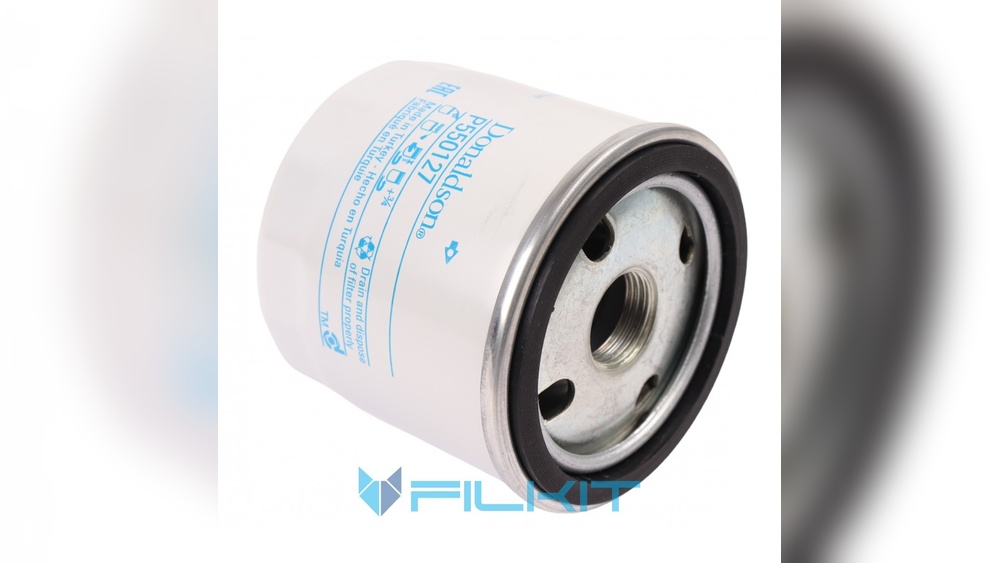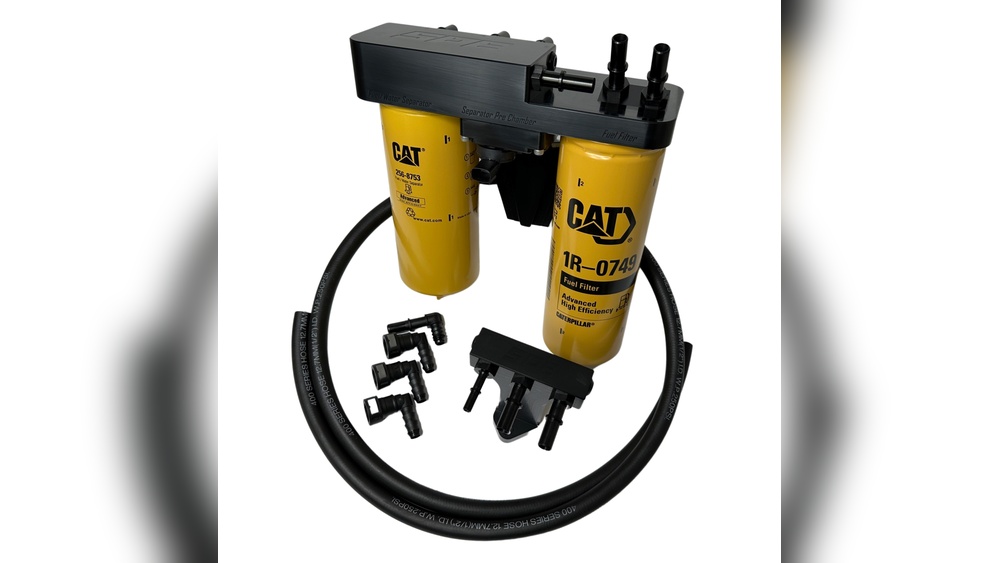
Have you ever wondered how much water your 6.7 Powerstroke’s fuel filter can hold? Knowing the size of the water reservoir is crucial for keeping your engine running smoothly and avoiding costly repairs.
If you want to protect your truck and get the best performance, understanding this simple but important detail can make all the difference. Keep reading to discover exactly how big the water reservoir is and why it matters for your Powerstroke’s health.
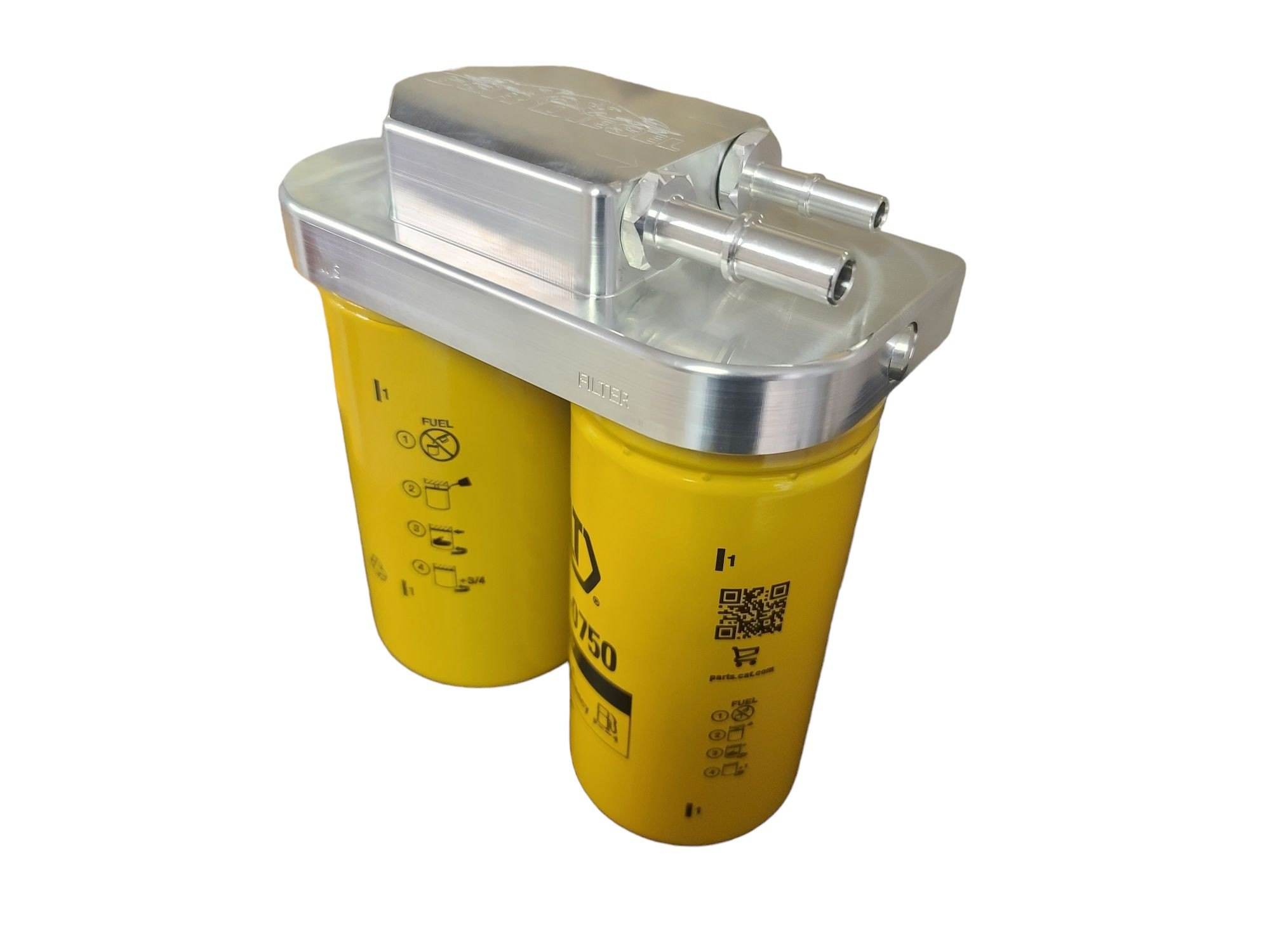
Credit: www.grdiesel.com
Fuel Filter Role In 6.7 Powerstroke
The fuel filter in the 6.7 Powerstroke plays a vital role in engine health. It cleans the fuel before it reaches the engine. Dirt, rust, and water can harm the engine if not filtered out. The filter ensures only clean fuel passes through.
This process helps maintain engine power and efficiency. It also protects engine parts from damage. Regular filter maintenance is crucial for smooth engine operation.
Importance Of Fuel Filtration
Fuel filtration removes harmful particles from diesel fuel. These particles include dirt, dust, and debris. Clean fuel improves engine performance and lifespan. It also prevents clogs in fuel injectors.
Without proper filtration, the engine can lose power. Fuel filters help maintain fuel flow and pressure. This keeps the engine running smoothly under all conditions.
Water Contamination Risks
Water in diesel fuel causes serious engine problems. It can cause rust inside the fuel system. Water also leads to poor fuel combustion and engine misfires.
The fuel filter has a water separator to trap water. Removing water protects the engine and fuel system parts. Ignoring water contamination can lead to costly repairs.
Water Reservoir Size Details
The water reservoir in the fuel filter of the 6.7 Powerstroke plays a key role. It collects water that enters the fuel system. Knowing its size helps understand how much water it can hold before needing to be drained. This impacts the engine’s performance and safety.
Capacity Specifications
The water reservoir in the 6.7 Powerstroke fuel filter holds about 1 to 1.5 ounces of water. This small size is enough to protect the engine from water contamination. The reservoir is designed to trap water from diesel fuel before it reaches the engine.
It works with the fuel filter to separate water and fuel. When the reservoir fills, a sensor alerts the driver. This feature helps prevent engine damage caused by water in the fuel system.
Factors Affecting Reservoir Size
Several factors influence the size of the water reservoir in fuel filters. Vehicle model and engine type are important. The 6.7 Powerstroke uses a compact reservoir for efficient water separation.
Fuel quality also matters. Higher water content in fuel may require more frequent draining of the reservoir. Environmental conditions like humidity and temperature can affect water buildup too.
Regular maintenance ensures the reservoir works well. Clean fuel and timely draining keep the system running smoothly. This helps avoid costly repairs and engine problems.
Impact Of Reservoir Size On Performance
The size of the water reservoir in the fuel filter of a 6.7 Powerstroke affects how well the engine runs. A larger reservoir can hold more water, which helps keep the fuel cleaner. This can lead to better engine performance and longer engine life. The reservoir size plays a key role in how the fuel system works and protects the engine.
Fuel System Efficiency
A bigger water reservoir allows the fuel filter to trap more water before it reaches the engine. This means the fuel system stays cleaner for a longer time. Cleaner fuel helps the engine burn fuel better and use less energy. The fuel pump and injectors also work more smoothly without water damage. This improves the overall fuel system efficiency and reduces problems.
Engine Protection Benefits
Water in diesel fuel can cause serious engine problems. A large reservoir catches more water, stopping it from reaching the engine parts. This protects the injectors, pumps, and cylinders from rust and wear. By reducing water exposure, the engine stays safer and lasts longer. A bigger reservoir lowers the risk of costly repairs and engine failure.
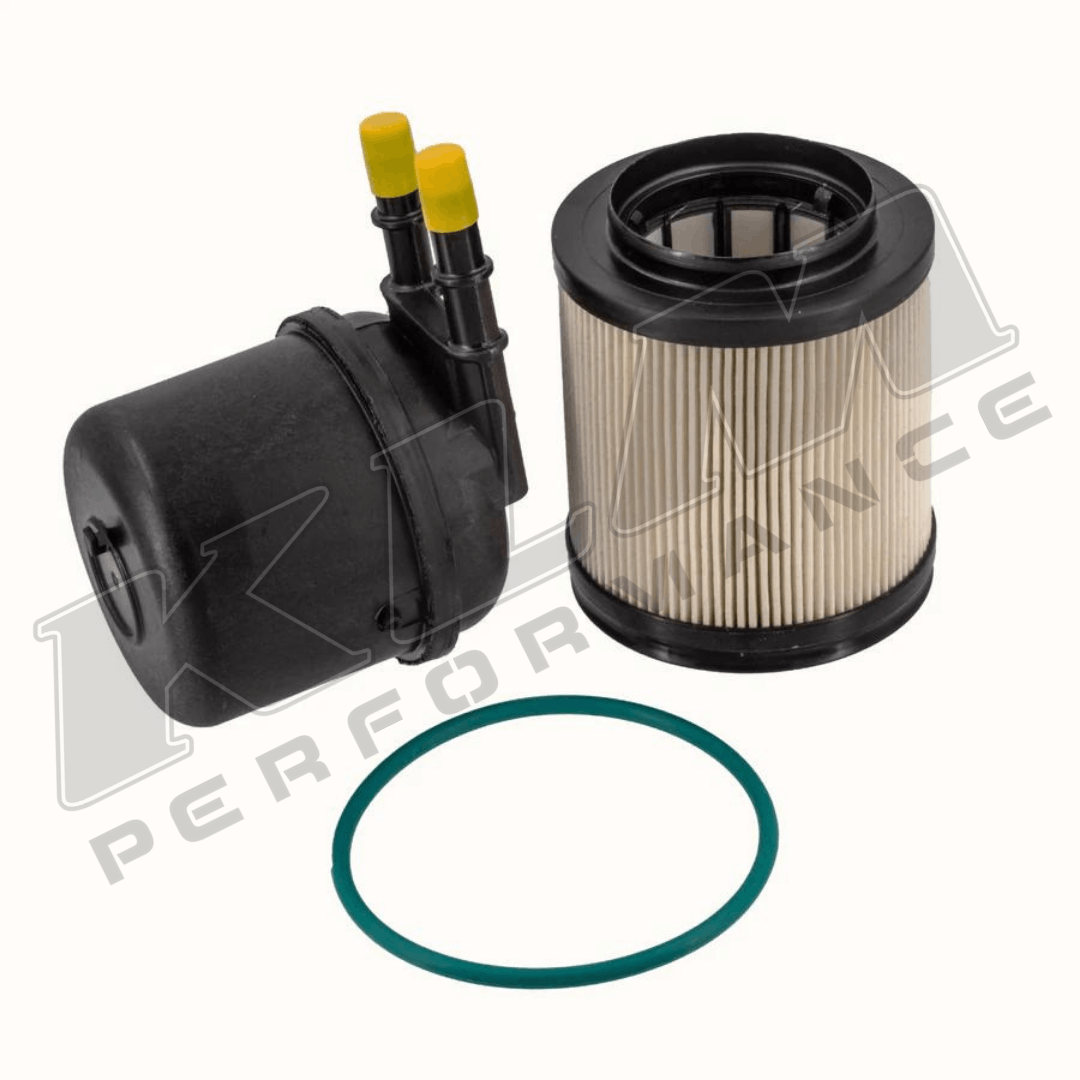
Credit: klmperformance.com
Maintenance Tips For Water Reservoir
The water reservoir in the 6.7 Powerstroke fuel filter plays a key role in protecting your engine. It collects water that can harm fuel injectors and other parts. Regular maintenance keeps the system working well and avoids costly repairs. Simple checks and draining routines help maintain this vital component.
Checking Water Levels
Check the water level in the reservoir often. The reservoir has a clear bowl for easy viewing. Look for any water build-up at the bottom. Water separates from diesel fuel and settles down. Remove the fuel filter cover and inspect the bowl. If water is visible, it needs draining. Do this before the water reaches the maximum level mark.
Draining Procedures
Drain the water reservoir carefully to avoid spills. Place a container under the drain valve. Open the valve slowly to release water and contaminants. Close the valve once only clean fuel flows out. Repeat this process regularly, especially after long drives or heavy rain. Proper draining helps keep your engine safe and fuel clean.
Common Issues And Troubleshooting
Water reservoirs in Fuel Filter 6.7 Powerstroke play an important role in protecting the engine. Problems with these reservoirs can cause engine trouble. Knowing common issues helps in quick fixing. This section covers signs of water contamination and how to address reservoir problems.
Signs Of Water Contamination
Water contamination in the fuel filter reservoir shows clear signs. The engine may run rough or stall suddenly. White or milky fuel is a strong indication of water mixing with diesel. You might notice a drop in fuel efficiency. The check engine light may turn on. Strange noises from the fuel pump can also signal contamination. Early detection helps avoid costly repairs.
Addressing Reservoir Problems
Fixing water reservoir problems requires prompt action. Drain the water from the reservoir using the drain valve. Replace the fuel filter regularly to maintain cleanliness. Check seals and connections for leaks or damage. Use quality diesel fuel to reduce contamination risks. In severe cases, replace the reservoir if it is cracked or damaged. Regular maintenance ensures the reservoir works well.
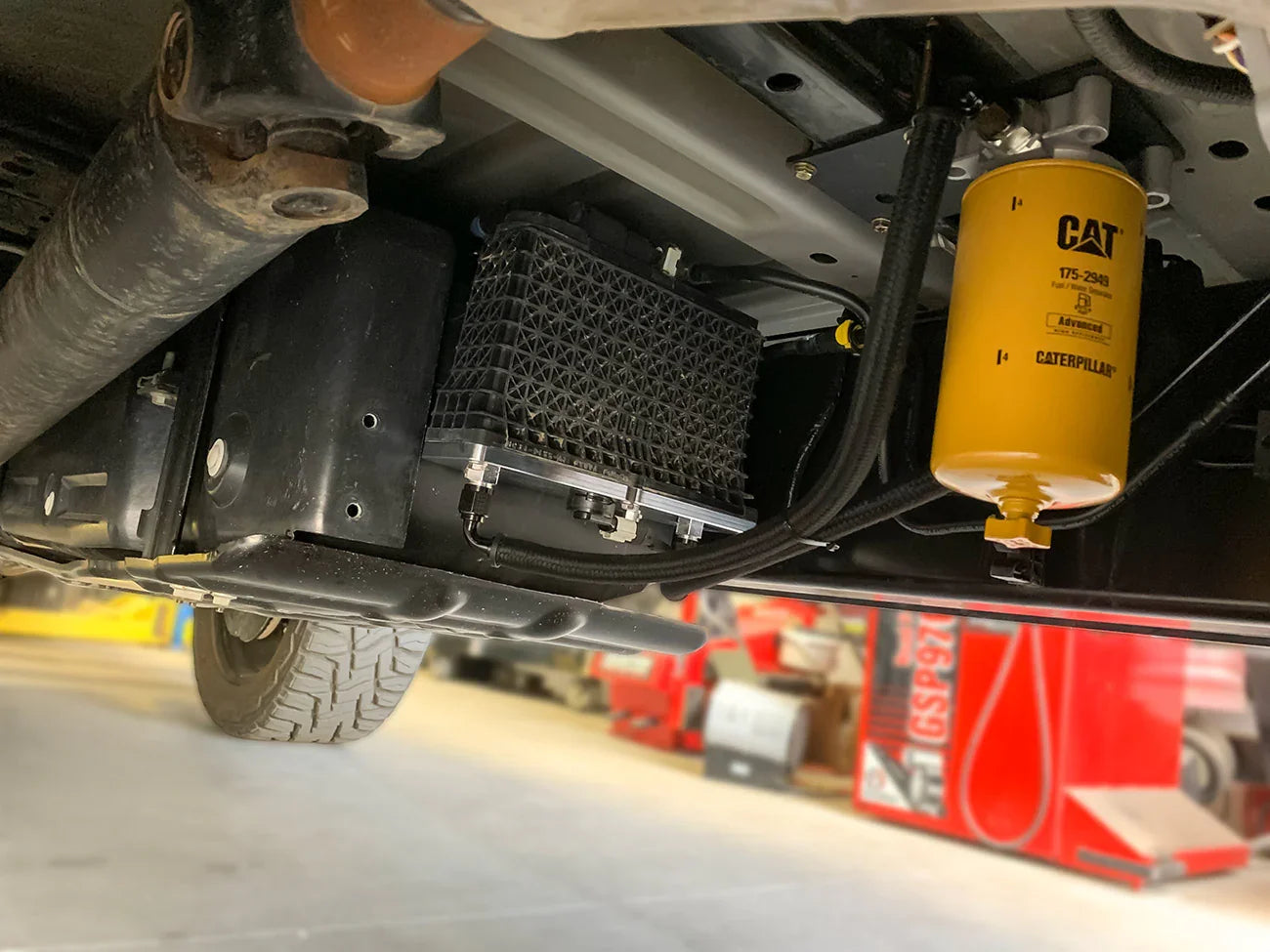
Credit: hs-motorsports.com
Frequently Asked Questions
How Big Is The Water Reservoir In A 6.7 Powerstroke Fuel Filter?
The water reservoir in a 6. 7 Powerstroke fuel filter typically holds about 2 to 3 ounces of water. This size helps efficiently separate water from diesel fuel, protecting the engine from damage caused by water contamination.
Why Is The Water Reservoir Size Important In Fuel Filters?
The reservoir size determines how much water the filter can hold before needing a drain. A larger reservoir means less frequent maintenance and better engine protection against water damage.
How Often Should I Drain The Water Reservoir In A 6.7 Powerstroke?
It’s best to drain the water reservoir every 5,000 miles or during each oil change. Regular draining prevents water buildup, ensuring optimal fuel filter performance and engine longevity.
Can A Larger Water Reservoir Improve Fuel Filter Efficiency?
Yes, a larger water reservoir can hold more water, reducing the risk of water entering the engine. This improves fuel filter efficiency and helps maintain engine health.
Conclusion
The water reservoir in the 6. 7 Powerstroke fuel filter holds a small but important amount of water. This helps keep your engine safe from damage caused by water in the fuel. Regular checks of the reservoir can prevent problems and save you money.
Knowing its size helps you understand how often to drain it. Keep this part clean and well maintained for better engine performance. A little care goes a long way in protecting your Powerstroke engine.