

Rusty brake rotors can affect your car’s performance and safety. If you’ve noticed a grinding noise or reduced braking power, the problem might be rust buildup.
But don’t worry—you don’t have to replace your rotors right away. Cleaning rusted brake rotors is easier than you think, and with the right steps, you can restore smooth braking quickly. Keep reading to discover simple, effective ways to get your rotors back in top shape and ensure your drives stay safe and comfortable.
Signs Of Rusted Brake Rotors
Rusted brake rotors can cause serious problems for your vehicle. Knowing the signs helps you act early and avoid costly repairs. Rust forms when moisture sits on the metal surface. It can weaken the rotors and affect braking.
Detecting rust early keeps your brakes safe and effective. Watch for clear signs. They show your brake rotors need attention or cleaning.
Visual Indicators
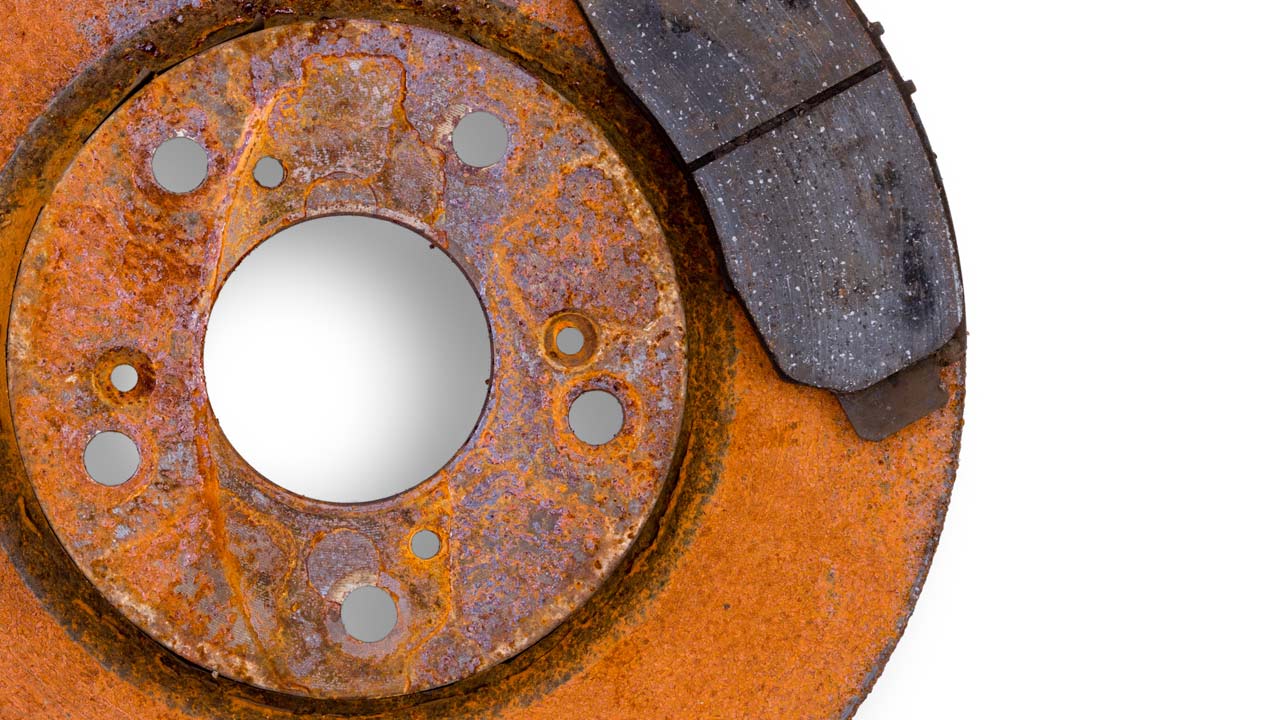
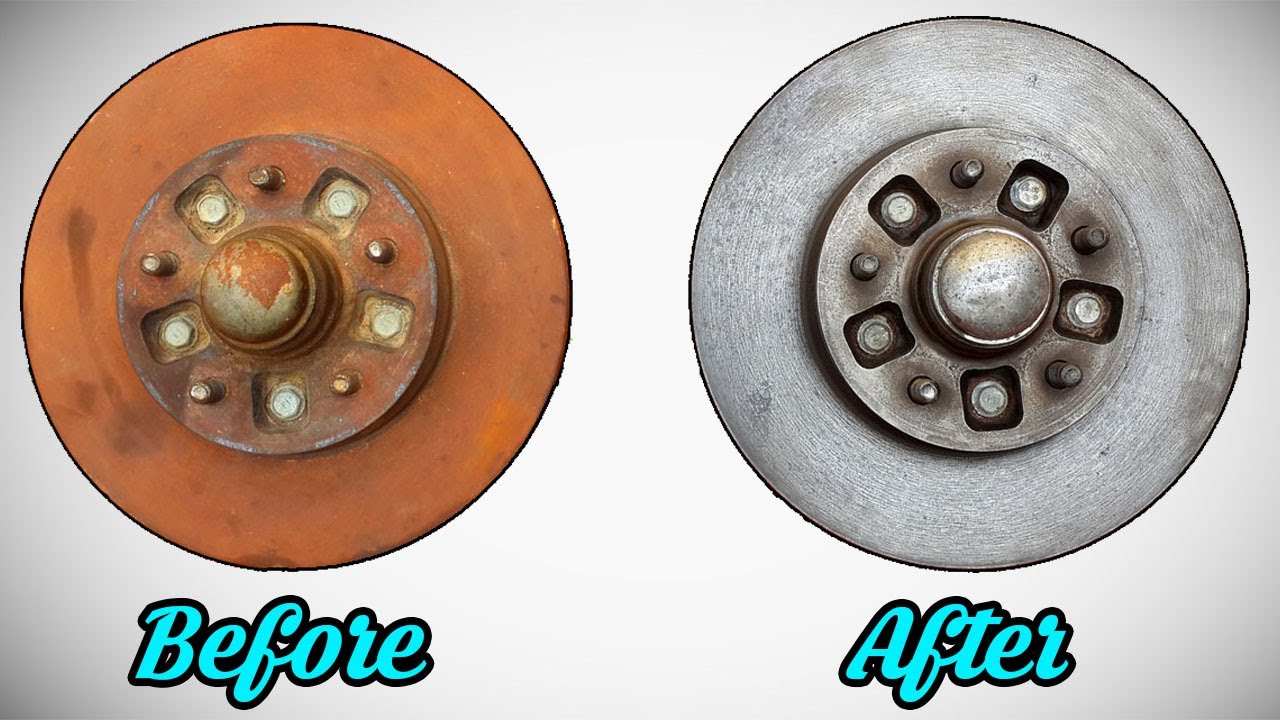
Look at the surface of your brake rotors. Rust usually appears as a reddish-brown layer. It might cover the entire rotor or just parts of it. Surface rust is common after rain or car washing. But thick, flaky rust is a bigger problem. It can cause uneven rotor surfaces.
Check for grooves or pitting on the rotor face. These marks mean rust has damaged the metal. Also, see if the rotor looks rough or worn. Clean, smooth rotors are ideal for good braking.
Performance Issues
Rusted rotors often cause strange noises. You may hear squeaking or grinding when braking. These sounds mean the pads are scraping rust off the rotors.
Your brake pedal might feel different. It can become soft, spongy, or harder to press. The car might pull to one side during braking. This happens when rust causes uneven contact.
Braking distance can increase too. Rust reduces the rotors’ ability to slow down the wheels. Slower stops put you at risk on the road.
Tools And Materials Needed
Cleaning rusted brake rotors requires specific tools and materials. These help remove rust safely and effectively. Preparing the right supplies before starting saves time and effort.
Cleaning Supplies
You need a wire brush or steel wool to scrub rust off. Sandpaper with medium grit works well for stubborn spots. Use a brake cleaner spray to remove dirt and grease. A clean rag or cloth helps wipe the rotor after cleaning. Water and mild soap can wash away loose debris. A plastic scraper can remove flaky rust without scratching.
Safety Equipment
Wear safety goggles to protect your eyes from dust and debris. Use gloves to keep your hands clean and safe from chemicals. A dust mask prevents inhaling rust particles and cleaning fumes. Long sleeves protect your skin from irritants. Work in a well-ventilated area for fresh air circulation. Proper safety gear keeps you safe and comfortable during cleaning.
Preparing Your Vehicle
Start by parking your car on a flat surface and turning off the engine. Gather basic tools like a jack, lug wrench, and safety gloves. Clean the area around the wheels to remove dirt before working on the brake rotors.
Before cleaning rusted brake rotors, prepare your vehicle carefully. This step ensures safety and easier access to the rotors. Proper preparation saves time and prevents accidents. Follow simple steps to get your vehicle ready for rotor cleaning.
Parking And Securing
Park your vehicle on a flat, stable surface. Avoid soft or uneven ground that may cause the car to shift. Engage the parking brake firmly. Place wheel chocks on the wheels that stay on the ground. These steps keep the vehicle from moving while you work.
Removing The Wheel
Use a lug wrench to loosen the wheel nuts before lifting the car. Do not remove the nuts completely yet. Use a jack to raise the vehicle off the ground. Place jack stands under the car to support it safely. Remove the lug nuts fully and pull the wheel off. Now, you can access the brake rotors for cleaning.
Credit: www.drbeasleys.com
Cleaning Techniques For Rust Removal
Rust on brake rotors can reduce braking power and cause noise. Cleaning rust is important for safety and smooth driving. Different methods work well depending on rust severity. Choose the right technique to restore your rotors effectively.
Below are simple and effective ways to remove rust from brake rotors at home. Each method uses easy-to-find tools and materials.
Using Brake Cleaner
Brake cleaner is a fast way to remove light rust and dirt. Spray the cleaner directly on the rotor surface. Let it sit for a few minutes to break down rust. Wipe with a clean cloth or rag. Repeat if rust remains. Brake cleaner evaporates quickly and leaves no residue.
Scrubbing With A Wire Brush
A wire brush scrubs off rust from the rotor surface. Use a hand-held wire brush or a drill with a wire brush attachment. Apply firm pressure and move in circular motions. This method works well for moderate rust spots. Clean the rotor with brake cleaner after scrubbing to remove debris.
Sanding Light Rust
Sandpaper removes thin layers of rust effectively. Use fine-grit sandpaper (around 120 to 220 grit). Sand the rotor surface gently in a circular motion. Avoid sanding too deep to prevent damage. Wipe the rotor clean with a damp cloth after sanding. This method smooths the rotor and removes surface rust.
Preventing Future Rust
Rust on brake rotors can reduce their life and affect safety. Preventing rust helps keep rotors smooth and effective. Simple steps can protect your rotors from rust buildup. These steps save money and improve vehicle performance.
Regular Maintenance
Check brake rotors often for signs of rust or wear. Clean rotors with a soft brush or cloth to remove dirt. Drive your car regularly to keep rotors dry and free of rust. Avoid long periods of inactivity that cause moisture buildup. Regularly inspect brake pads and replace them as needed. Proper maintenance keeps rotors in good condition longer.
Protective Coatings
Apply a thin layer of anti-rust spray or brake rotor paint. These coatings form a barrier against moisture and air. Use products made specifically for brake rotors to avoid brake issues. Let the coating dry completely before driving. Protective coatings reduce rust formation and help rotors last longer. Reapply coatings every few months or after cleaning rotors.
When To Replace Rotors
Knowing when to replace rusted brake rotors helps keep your car safe. Rotors wear down over time. Rust can hide serious damage. Replacing rotors at the right time avoids bigger problems. Watch for key signs. Understand safety rules. This keeps your brakes working well.
Signs Of Severe Damage
Deep grooves or cracks show severe rotor damage. Rust that flakes off easily means weak metal. Warped rotors cause vibration when braking. Loud squealing or grinding sounds signal trouble. Uneven rotor surface reduces brake power. These signs mean you must replace rotors soon.
Safety Considerations
Driving with bad rotors is risky. Brake failure can cause accidents. Reduced braking power increases stopping distance. Unsafe rotors harm other brake parts. Replace rotors to ensure reliable braking. Always use quality parts for safety. Regular checks prevent sudden brake problems.
Tips For Safe Driving After Cleaning
Cleaning rusted brake rotors improves your car’s braking power. After cleaning, safe driving is very important. This helps your brakes work well and last longer. Follow these tips to keep control and stay safe on the road.
Breaking In Rotors
Newly cleaned rotors need time to adjust. Drive slowly and brake gently at first. Avoid hard stops for the first 100 miles. This allows the rotors to heat evenly and settle. Proper break-in prevents warping and noise.
Monitoring Brake Performance
Watch how your brakes respond after cleaning. Notice any unusual sounds or vibrations. If the brake feels weak or spongy, check the system again. Early detection of issues keeps you safe. Regularly test brakes in a safe place.

Credit: bookmyboat.ca
Credit: www.youtube.com
Frequently Asked Questions
How Do You Remove Rust From Brake Rotors Effectively?
To remove rust, use a wire brush or sandpaper to scrub the rotor surface. Apply brake cleaner to wash away debris. For heavy rust, consider using a rust remover solution and repeat the process for best results.
Can Rusted Brake Rotors Be Cleaned At Home?
Yes, rusted brake rotors can be cleaned at home with basic tools. Use sandpaper, a wire brush, and brake cleaner. Always follow safety precautions and ensure the rotors are cool before cleaning.
Is It Safe To Drive With Rusted Brake Rotors?
Light surface rust is normal and usually safe to drive on. However, heavy rust can reduce braking performance and safety. Clean or replace severely rusted rotors promptly to maintain safe braking.
How Often Should Brake Rotors Be Cleaned To Prevent Rust?
Clean brake rotors every few months or after exposure to moisture and salt. Regular cleaning prevents rust buildup and extends rotor life. Inspect rotors during routine brake maintenance.
Conclusion
Cleaning rusted brake rotors is simple and important. Regular care keeps brakes safe and working well. Use the right tools and follow steps carefully. Avoid harsh chemicals that may damage parts. A clean rotor helps your car stop smoothly. Check rotors often to catch rust early.
Small efforts save money and increase safety. Stay safe on the road by keeping brakes rust-free. Easy maintenance makes driving better and worry-free. Keep your rotors clean, and enjoy peace of mind.


