When it comes to your car’s safety, brakes and rotors play a crucial role. But how much is it really going to cost you to replace or repair them?
You might be surprised by the range of prices and what factors affect the final bill. Understanding these costs before you visit the mechanic can save you from unexpected expenses and stress. You’ll discover everything you need to know about brake and rotor costs, so you can make smart decisions and keep your car running smoothly without breaking the bank.
Keep reading to find out how to protect your wallet and your safety at the same time.
Brake And Rotor Basics
Brakes and rotors are key parts of a car’s stopping system. They work together to keep you safe on the road. Knowing how they function helps you understand repair costs better.
Brake pads press against rotors to slow down or stop the car. Over time, these parts wear out and need replacement. Let’s explore the basics of brakes and rotors.
Types Of Brakes
There are two main types of brakes: disc brakes and drum brakes. Disc brakes use brake pads and rotors. Drum brakes use shoes and a drum. Most modern cars use disc brakes for better performance.
Role Of Rotors
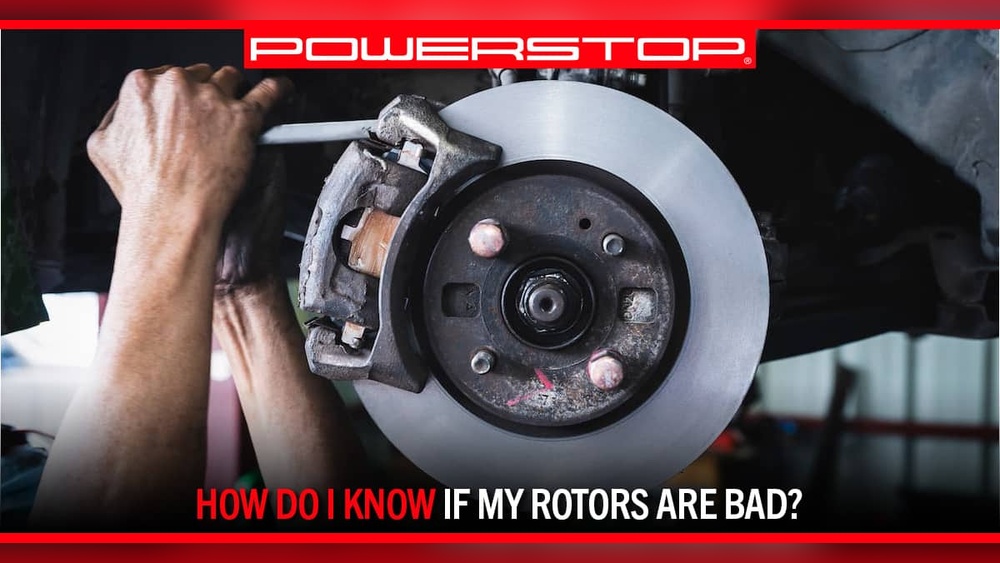
Rotors are metal discs attached to each wheel. They spin with the wheel and slow it down when pressed by brake pads. Rotors must be smooth and strong to stop the car safely.
Signs You Need Replacement
Listen for squeaking or grinding noises during braking. Feel if the brake pedal is soft or the car pulls to one side. Look for vibrations or a longer stopping distance. These signs show it’s time to replace brakes or rotors.

Credit: www.youtube.com
Factors Affecting Brake And Rotor Costs
Brake and rotor costs vary widely based on several key factors. These elements affect the price you pay for parts and labor. Understanding them helps plan your budget for brake service. Each factor plays a role in the total cost.
Vehicle Make And Model
Different cars require different brake parts. Luxury and sports cars often have expensive parts. Common cars tend to have cheaper brakes. Some models need special rotors or brake pads. This raises the overall repair cost.
Quality Of Parts
Brake parts come in various quality levels. Original Equipment Manufacturer (OEM) parts cost more. Aftermarket parts can be cheaper but vary in quality. High-quality parts last longer and perform better. Low-cost parts may wear out faster.
Labor Charges
Labor fees depend on the shop and the job’s difficulty. Complex brake systems take more time to fix. Mechanics charge by the hour or a flat rate. Labor costs vary between service centers. Skilled technicians may charge higher rates.
Location And Service Center
Prices differ based on geographic location. Urban areas often have higher service costs. Rural areas may offer cheaper labor rates. Dealerships usually charge more than independent shops. Choosing the right center affects your total expense.
Typical Cost Breakdown
Understanding the typical cost breakdown helps you plan for brake repairs. Brake and rotor jobs vary in price depending on parts and labor. Knowing these costs saves time and avoids surprises at the shop.
Brake Pad Replacement Prices
Brake pad replacement usually costs between $100 and $300 per axle. Economy pads cost less, while premium pads are more expensive. Labor fees depend on the shop’s hourly rate and job complexity. Most brake pads last about 30,000 to 70,000 miles.
Rotor Replacement Costs
Replacing rotors can cost from $150 to $400 per axle. Rotor prices depend on the car model and rotor quality. Some rotors are drilled or slotted, which raises the price. Labor costs vary by location and mechanic experience.
Combined Brake And Rotor Jobs
Replacing brake pads and rotors together usually costs $250 to $700 per axle. This combined service saves money on labor compared to separate jobs. It ensures better braking performance and longer part life. Shops often recommend changing both at the same time.

Credit: www.hondaoftheavenues.com
Cost Differences By Vehicle Type
Brake and rotor replacement costs vary by vehicle type. Different cars need different parts and labor. This affects the price you pay. Understanding these cost differences helps you plan your budget better.
Economy Cars
Economy cars have smaller brakes and simpler parts. These make repairs cheaper. Brake pads and rotors for these cars cost less. Labor time is usually shorter, reducing overall cost. Expect to pay between $150 and $300 for both brakes and rotors.
Luxury Vehicles
Luxury vehicles use high-quality parts and advanced technology. Their brakes often need special rotors and pads. Parts cost more and take longer to install. Labor charges are higher due to complexity. Prices for brakes and rotors can range from $400 to $800 or more.
Trucks And Suvs
Trucks and SUVs have larger, tougher brakes for heavy loads. Parts are bigger and stronger, costing more. Labor can be longer because of the size. Expect to spend around $300 to $600 on brake and rotor replacement. Off-road or heavy-duty models may cost even more.
Diy Vs Professional Service
Deciding between DIY and professional service for brakes and rotors affects both cost and safety. Doing it yourself can save money but needs skills and tools. A mechanic may cost more but offers experience and guarantees. Understanding the pros and cons helps choose the best option for your car.
Pros And Cons Of Diy
DIY brake and rotor replacement saves labor costs. Parts alone usually cost less than a full service. You learn about your car and gain confidence. Tools and space are necessary for safe work. Mistakes can cause serious damage or accidents. Time spent is often longer than a professional’s job. Clear instructions and patience make DIY easier.
When To Choose A Mechanic
Choose a mechanic if you lack tools or experience. Complex brake systems need expert knowledge. A professional can spot other issues during service. Warranty coverage often requires certified work. Emergencies or quick repairs call for a mechanic. Peace of mind comes from a proper job done right. Shops use quality parts and test brakes after service.
Safety Considerations
Brakes are vital for safe driving. Incorrect installation risks brake failure and accidents. Always use quality parts and follow instructions. Wear protective gear and work on a flat surface. Test brakes carefully before driving fast. If unsure, trust a professional to avoid dangers. Safety must be the top priority with brakes.
Ways To Save On Brake And Rotor Repairs
Brake and rotor repairs can be expensive. Finding ways to save money helps keep your car safe without breaking the bank. Simple strategies can lower costs and extend the life of your brakes. Here are some easy tips to reduce repair expenses.
Using Aftermarket Parts
Aftermarket parts often cost less than original equipment manufacturer (OEM) parts. They offer good quality and fit most vehicles well. Choosing these parts can cut repair bills by a significant margin. Make sure to buy from trusted brands to avoid poor performance. This choice balances cost and safety effectively.
Regular Maintenance Tips
Keeping brakes clean and checking fluid levels prevents major damage. Regular inspections catch wear early, avoiding costly repairs. Driving gently and avoiding hard stops reduce brake wear too. Follow the vehicle manual’s advice on brake care. Maintenance helps brakes last longer and saves money.
Finding Discounts And Deals
Many shops offer seasonal discounts or coupons for brake services. Local repair shops may have promotions or package deals. Searching online can reveal special offers in your area. Joining loyalty programs can give access to lower prices. Always ask about discounts before booking a repair.

Credit: www.jegs.com
Frequently Asked Questions
How Much Does It Cost To Replace Brakes And Rotors?
Brake and rotor replacement typically costs between $250 and $500. Prices vary based on vehicle type and parts quality. Labor charges also influence the total cost. Getting multiple quotes can help find the best price for your brake service.
Are Brake And Rotor Replacement Prices Different By Car Model?
Yes, prices vary by car model. Luxury and performance cars usually have higher costs. Standard vehicles tend to have more affordable brake and rotor replacements. Parts availability and complexity affect the price differences across models.
Can I Replace Brakes And Rotors Myself To Save Money?
Yes, DIY replacement is possible if you have tools and skills. It saves labor costs but requires mechanical knowledge. Incorrect installation can be unsafe, so consider professional service if unsure about the process.
How Often Should Brakes And Rotors Be Replaced?
Brakes and rotors generally need replacement every 30,000 to 70,000 miles. Driving habits and conditions affect wear rates. Regular inspections help catch wear early and ensure timely replacement for safety.
Conclusion
Brake and rotor costs vary by car type and repair shop. Knowing the price range helps you plan your budget better. Regular brake checks keep your car safe on the road. Choosing quality parts can save money in the long run.
Don’t delay repairs to avoid bigger expenses later. Stay informed and keep your vehicle running smoothly. Simple steps protect you and your passengers every day.