
Have you ever wondered what really happens when you press your car’s brake pedal? Understanding how brake rotors and calipers work can give you a clearer picture of what keeps you safe on the road.
These parts might seem simple, but they play a powerful role in stopping your vehicle quickly and smoothly. By knowing how they function together, you’ll not only appreciate your car more but also spot potential issues before they become costly problems.
Keep reading, and you’ll discover the secrets behind your car’s braking system that every driver should know.
Credit: www.youtube.com
Brake System Basics
The brake system is a vital part of every vehicle. It helps stop the car safely and quickly. Understanding the basics of brakes can keep you safe on the road. The main parts work together to slow down or stop the wheels.
Brake rotors and calipers are two important parts of this system. Each has a special job that helps the brakes work well. Let’s explore what each part does.
Key Components
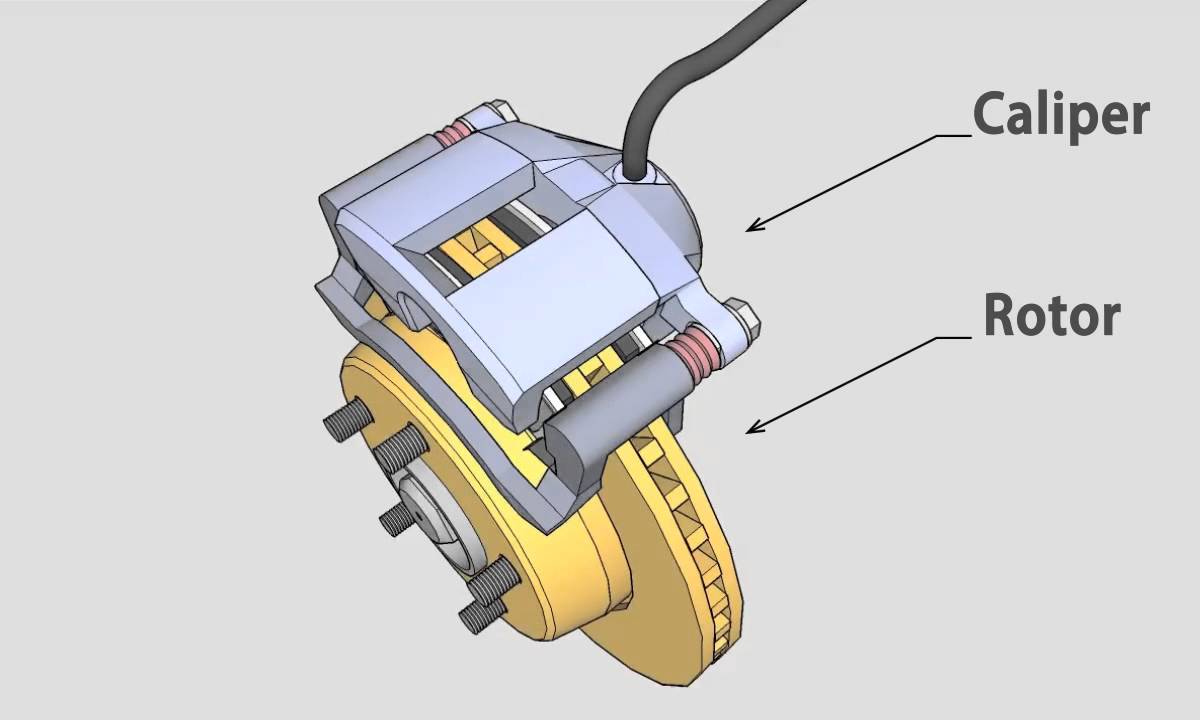
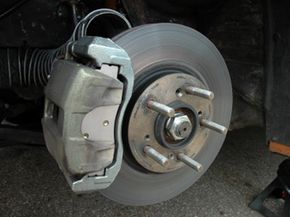
The brake system has several key parts. Rotors, calipers, brake pads, and brake lines are the most important. Rotors are metal discs attached to the wheels. Calipers hold the brake pads and press them against the rotors. Brake pads create the friction needed to stop the vehicle. Brake lines carry brake fluid to activate the system.
Role Of Rotors
Rotors spin with the wheels. They act like a surface for the brake pads to press against. When the pads clamp on the rotor, they create friction. This friction slows down the wheel’s rotation. Rotors need to be strong and smooth to work well. Worn or damaged rotors can reduce braking power.
Function Of Calipers
Calipers hold the brake pads and push them onto the rotors. They use pressure from the brake fluid to squeeze the pads. This pressure causes the pads to press hard against the rotors. The caliper’s job is to create enough force to stop the wheels. Proper caliper function is essential for safe braking.
How Rotors Work
Rotors are a key part of a car’s braking system. They work with the brake pads and calipers to slow down or stop the vehicle. When you press the brake pedal, the calipers squeeze the brake pads against the rotors. This creates friction, which slows the wheels from spinning. Understanding how rotors work helps you see why they need to be strong and durable.
Material And Design
Rotors are usually made of cast iron or steel. These materials handle high pressure well. Some rotors have special designs, like vents or slots. Vents let air flow through, which helps cool the rotor. Slots and holes help remove dust and water. This keeps braking smooth and safe.
Heat Dissipation
Braking creates a lot of heat. Rotors must cool down fast to avoid damage. Vented rotors have two layers with air space between them. This design spreads heat out quickly. Good heat dissipation prevents warping and brake fade. It keeps the brakes working well during long stops or downhill driving.
Wear And Tear
Rotors wear down over time. Friction wears away their surface slowly. If the rotor gets too thin, it can crack or warp. This affects braking safety and performance. Regular checks help catch worn rotors early. Replacing rotors on time keeps your brakes reliable and safe.
Calipers In Action
Calipers play a vital role in the braking system. They press the brake pads against the rotors. This action creates friction that slows down the vehicle. Understanding how calipers work helps you appreciate their importance.
The design of calipers affects their performance. Different types provide various benefits. Each type moves and applies pressure in unique ways. The hydraulic system powers these movements smoothly.
Types Of Calipers
There are two main types of calipers: floating and fixed. Floating calipers move side to side. Fixed calipers stay in one place and have pistons on both sides. Fixed calipers provide stronger braking power. Floating calipers are lighter and simpler.
Movement And Pressure
Calipers push brake pads against the rotor. This creates the friction needed to stop the car. The pressure must be even to avoid wear. Calipers move smoothly to keep braking balanced. Proper movement ensures safety and long-lasting parts.
Hydraulic Mechanism
Brake fluid powers the calipers through the hydraulic system. When you press the brake pedal, fluid moves inside the brake lines. This pressure pushes the pistons in the calipers. The pistons then press the brake pads onto the rotor. This system makes braking efficient and reliable.

Credit: auto.howstuffworks.com
Interaction Between Rotors And Calipers
The interaction between brake rotors and calipers is key to vehicle safety. These parts work closely to slow and stop a car. Understanding their connection helps you grasp how braking works.
Friction Generation
Brake calipers squeeze the brake pads against the rotors. This contact creates friction. Friction slows down the rotor’s spinning motion. The friction changes the car’s kinetic energy into heat. This heat helps the vehicle come to a stop.
Stopping Power
The strength of the caliper’s grip affects stopping power. Stronger pressure means quicker stops. The size of the rotor also matters. Larger rotors provide more surface area for friction. Together, they control how fast the car slows down.
Common Issues
Wear and tear can reduce braking efficiency. Rotors may warp or become uneven. Calipers might stick or leak brake fluid. These problems cause vibrations or poor stopping. Regular checks keep brakes safe and reliable.
Safety Tips For Brake Maintenance
Brake systems keep drivers safe by stopping vehicles reliably. Proper brake maintenance helps avoid accidents and costly repairs. Simple safety tips ensure brakes work effectively every time you drive.
Regular Inspections
Check your brakes often. Look for unusual noises or vibrations when braking. Inspect rotors and calipers for rust or damage. Regular inspections catch problems early before they become serious.
Signs Of Wear
Listen for squealing or grinding sounds. These sounds show brake pads or rotors may be worn. Notice if the brake pedal feels soft or sinks down. These signs need immediate attention to keep brakes safe.
When To Replace Parts
Replace brake pads every 30,000 to 70,000 miles. Change rotors if they are deeply grooved or warped. Replace calipers if they leak or do not move freely. Timely replacement keeps your braking system strong and reliable.
Credit: auto.howstuffworks.com
Upgrading Brake Components
Upgrading brake components improves your vehicle’s stopping power and safety. Better parts handle heat and stress more effectively. This upgrade suits daily drivers and performance cars alike.
Choosing the right parts boosts braking reliability and response. Upgraded components also last longer under tough conditions. Let’s explore key upgrade options and their benefits.
Performance Rotors
Performance rotors often feature drilled or slotted designs. These help dissipate heat faster during braking. They reduce brake fade on long descents or heavy use. Many rotors use stronger materials for durability. This means less warping and better stopping power. Upgrading rotors improves brake feel and control.
High-quality Calipers
High-quality calipers provide more even pressure on brake pads. This creates smoother and stronger braking force. Upgraded calipers often use multiple pistons for better grip. They resist corrosion and wear better than stock calipers. Some models offer better pedal feel and quicker response. This enhances overall brake system performance.
Benefits Of Upgrades
Upgraded brake parts improve safety by shortening stopping distances. They reduce brake fade during heavy or repeated braking. Better components also increase brake system lifespan. This saves money on repairs and replacements. Driving confidence rises with more reliable brakes. The upgrade is a smart choice for any vehicle owner.
Frequently Asked Questions
How Do Brake Rotors Function In A Braking System?
Brake rotors are metal discs that rotate with the wheel. When brakes are applied, calipers squeeze the rotors, creating friction. This friction slows down the wheel, effectively stopping the vehicle safely and efficiently.
What Role Do Calipers Play In Braking?
Calipers hold brake pads and press them against the rotors when brakes are applied. This action creates the necessary friction to slow or stop the vehicle. Calipers are crucial for converting hydraulic pressure into mechanical force.
Why Are Brake Rotors And Calipers Important?
Both components work together to ensure safe vehicle stopping. Rotors provide a surface for friction, while calipers apply pressure. Proper functioning of both parts is essential for effective braking and overall vehicle safety.
How Can I Tell If Rotors Or Calipers Need Replacement?
Signs include vibrations, squealing noises, or reduced braking efficiency. Uneven brake pad wear or visible rotor damage also indicate issues. Timely inspection helps maintain braking performance and safety.
Conclusion
Brakes, rotors, and calipers work together to stop your car safely. The calipers press the brake pads against the rotors. This action slows down the wheels and stops the vehicle. Understanding this system helps you keep your car in good shape.
Regular checks can prevent brake problems and keep you safe. Simple maintenance saves money and avoids accidents. Now you know how these parts play a key role in braking. Drive carefully and trust your brakes to do their job well.

