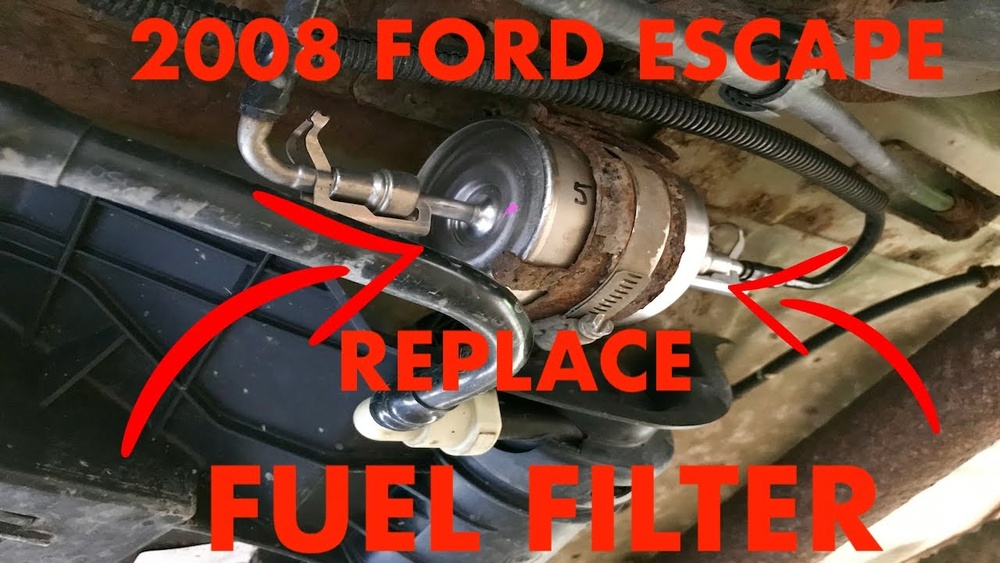
Is your car acting up, but you’re not sure why? One common culprit that often goes unnoticed is a bad fuel filter.
If your engine feels sluggish, your gas mileage is dropping, or your car struggles to start, your fuel filter might be the problem. Knowing the signs of a failing fuel filter can save you from costly repairs and keep your vehicle running smoothly.
Keep reading to discover how to tell if your fuel filter is bad—and what you should do about it before it’s too late.

Credit: www.autonationmobileservice.com
Fuel Filter Role
The fuel filter plays a key part in your vehicle’s engine health. It cleans the fuel before it reaches the engine. Dirt, rust, and other particles can damage engine parts. The filter stops these harmful materials from entering the system.
A bad fuel filter can cause many engine problems. Knowing its role helps you spot signs of trouble early. This saves you from costly repairs and keeps your car running smoothly.
Purpose In Engine
The fuel filter’s main job is to protect the engine. It removes dirt, debris, and impurities from the fuel. Clean fuel means better engine performance and longer engine life. Without a filter, the fuel system can get clogged or damaged. This causes poor engine function and higher fuel use. The fuel filter keeps the fuel clean and the engine safe.
Types Of Fuel Filters
There are several types of fuel filters. The most common are cartridge and inline filters. Cartridge filters sit inside the fuel system and can be replaced easily. Inline filters are placed along the fuel line and filter fuel as it flows. Some vehicles use a mesh screen filter for basic protection. Each type works to block impurities and protect the engine. Knowing your filter type helps in proper maintenance.
Common Fuel Filter Issues
Fuel filters play a key role in keeping your engine clean. They stop dirt and debris from reaching the fuel system. Over time, fuel filters face common problems that affect their function. Knowing these issues helps you spot trouble early and avoid costly repairs.
Understanding common fuel filter problems helps maintain your vehicle’s health. Below are the main issues and how they impact your car’s performance.
Clogging Causes
Fuel filters clog when dirt and debris collect inside them. This happens because fuel is not always clean. Dust, rust, and tiny particles mix with the fuel. Over time, these particles build up and block the filter. Old or poor-quality fuel can speed up this process. Clogged filters reduce fuel flow to the engine. This causes many problems in how the car runs.
Effects On Performance
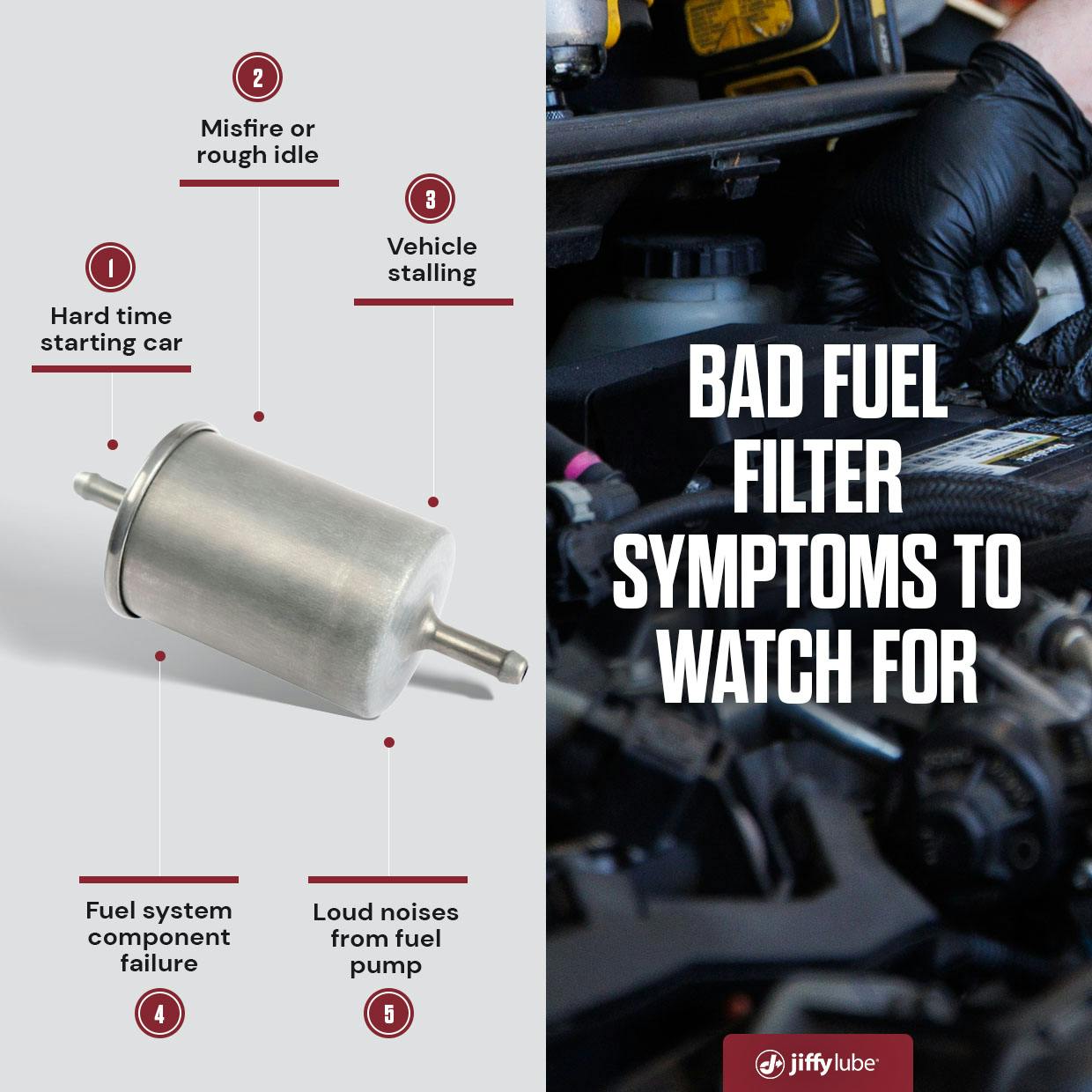
A bad fuel filter makes the engine work harder. It may cause the engine to stall or hesitate during driving. You might notice less power, especially when accelerating. The car can also have trouble starting. Poor fuel flow can cause the engine to misfire. Fuel efficiency drops, leading to more visits to the gas station. Ignoring these signs may cause bigger engine damage.
Signs Of A Bad Fuel Filter
The fuel filter plays a key role in keeping your engine clean and running smoothly. It stops dirt and debris from entering the fuel system. When the filter is bad, your vehicle shows clear signs. Recognizing these signs early helps avoid bigger problems.
Engine Misfires
A clogged fuel filter can cause the engine to misfire. The engine may hesitate or run unevenly. Misfires happen because fuel flow is blocked. This interrupts combustion and lowers engine performance.
Difficulty Starting
Bad fuel filters make starting the car harder. The engine struggles to get enough fuel. You may hear the starter turning longer than usual. This shows fuel delivery is weak or inconsistent.
Loss Of Power
You might notice less power when accelerating. The engine won’t respond quickly. A blocked filter limits fuel supply during high demand. This causes slow acceleration and poor performance.
Poor Fuel Efficiency
Your car may use more gas than normal. A dirty filter causes the engine to work harder. This lowers fuel efficiency and raises fuel costs. Watch for sudden drops in miles per gallon.
Unusual Engine Noises
Strange sounds can come from the engine area. Whining or sputtering noises often point to fuel issues. These noises suggest the engine is struggling to run smoothly.

Credit: oilchangers.com
Diagnostic Methods
Checking if your fuel filter is bad starts with simple diagnostic methods. These tests help find problems early. Catching issues soon saves time and money. Use these ways to see if your fuel filter needs attention.
Visual Inspection
Look at the fuel filter closely. Check for dirt, rust, or cracks. A dirty filter may look dark or clogged. Leaks or damage are clear signs of trouble. Clean filters look clear and intact. This easy check shows visible problems fast.
Fuel Pressure Test
Measure the fuel pressure using a gauge. Low pressure means the filter might be clogged. High pressure can also signal a blockage. This test shows how well fuel flows through the filter. It helps find hidden problems not seen by eye.
Professional Diagnosis
Visit a mechanic for a full check-up. They use special tools and knowledge. A professional can spot subtle issues quickly. They also test other fuel system parts. This step ensures the fuel filter is the real cause of problems.
Fuel Filter Replacement Tips
Replacing a fuel filter keeps your car running smoothly. A clean filter stops dirt from entering the engine. This helps your vehicle perform better and last longer.
Knowing when and how to replace the fuel filter saves time and money. It also prevents bigger problems down the road.
When To Replace
Check your owner’s manual for the recommended replacement time. Usually, a fuel filter should be replaced every 20,000 to 40,000 miles. Signs like rough idling or trouble starting can mean the filter is dirty. Change the filter sooner if you notice these symptoms.
Diy Vs Professional Service
Replacing a fuel filter can be a simple job for some cars. If you have basic tools and skills, you can try it yourself. Always follow safety steps and wear gloves. Some filters are hard to reach or need special tools. In these cases, a professional mechanic can do the job safely and quickly.
Choosing The Right Filter
Use a fuel filter made for your car’s make and model. Check the size and type before buying. Cheap filters may cause damage or clog faster. Pick a quality filter from a trusted brand to protect your engine.
Credit: www.jiffylube.com
Preventive Maintenance
Preventive maintenance helps keep your vehicle running smoothly. It stops small problems from becoming big issues. Checking the fuel filter regularly is a smart step. This stops dirt and debris from clogging the filter.
Clean fuel filters ensure better engine performance. They improve fuel efficiency and reduce engine wear. Taking care of the fuel system saves money on repairs.
Regular Checks
Check your fuel filter at least once a year. Look for signs of clogging or damage. Listen for engine hesitation or rough idling. These can mean the fuel filter is dirty or blocked. Replace the filter if needed to avoid engine trouble.
Fuel Quality Importance
Use high-quality fuel to protect the filter. Cheap or contaminated fuel carries dirt and water. This dirt can clog the filter quickly. Always fill up from trusted gas stations. Clean fuel keeps the filter and engine healthy.
Keeping Fuel System Clean
Keep the entire fuel system clean to extend filter life. Use fuel system cleaners occasionally. These remove deposits from fuel lines and injectors. Clean fuel lines let fuel flow freely. This reduces stress on the fuel filter.
Frequently Asked Questions
What Are Common Signs Of A Bad Fuel Filter?
A bad fuel filter causes engine misfires, poor acceleration, and stalling. You may notice rough idling and difficulty starting your car. Reduced fuel efficiency is also a key indicator. Checking for these symptoms helps identify a clogged or failing fuel filter early.
How Often Should I Replace My Fuel Filter?
Fuel filters generally need replacement every 20,000 to 40,000 miles. Check your vehicle’s manual for exact intervals. Frequent driving in dusty areas may require more frequent changes. Regular replacement ensures optimal engine performance and prevents fuel system damage.
Can A Bad Fuel Filter Damage The Engine?
Yes, a clogged fuel filter restricts fuel flow, causing engine strain. This can lead to overheating and potential engine damage. Replacing a bad fuel filter maintains fuel flow and protects your engine from costly repairs.
How Do I Test If My Fuel Filter Is Clogged?
You can test a fuel filter by checking fuel pressure with a gauge. Low pressure often signals a clogged filter. Alternatively, poor engine performance and stalling during acceleration are practical signs. Consult a mechanic for accurate diagnosis and replacement.
Conclusion
A bad fuel filter can cause many car problems. Watch for slow engine starts and rough idling. Poor gas mileage and engine stalling also signal trouble. Changing the fuel filter keeps your engine healthy and saves money. Regular checks help catch issues early.
Don’t wait for a breakdown. Stay alert, and your car will run smoother and longer.