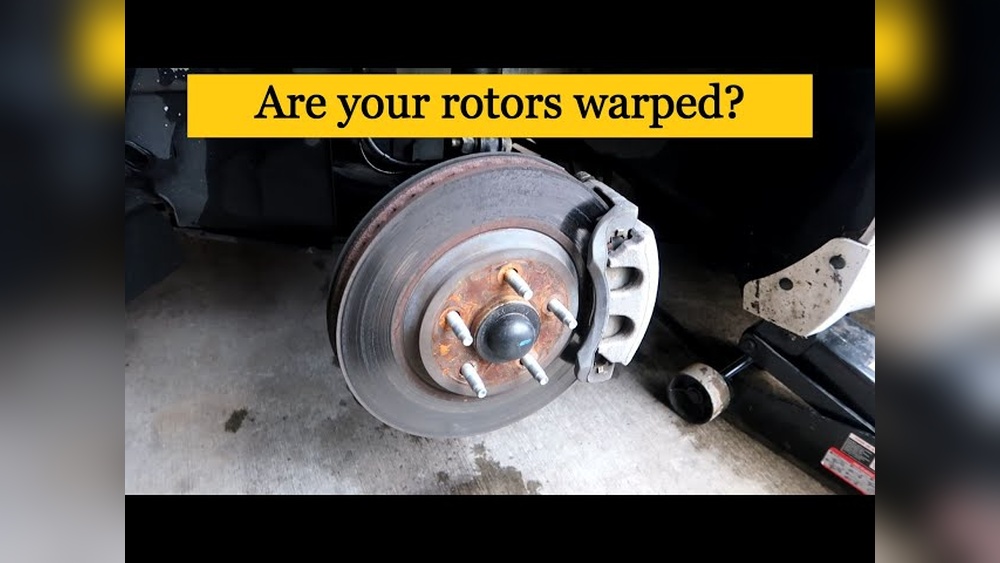
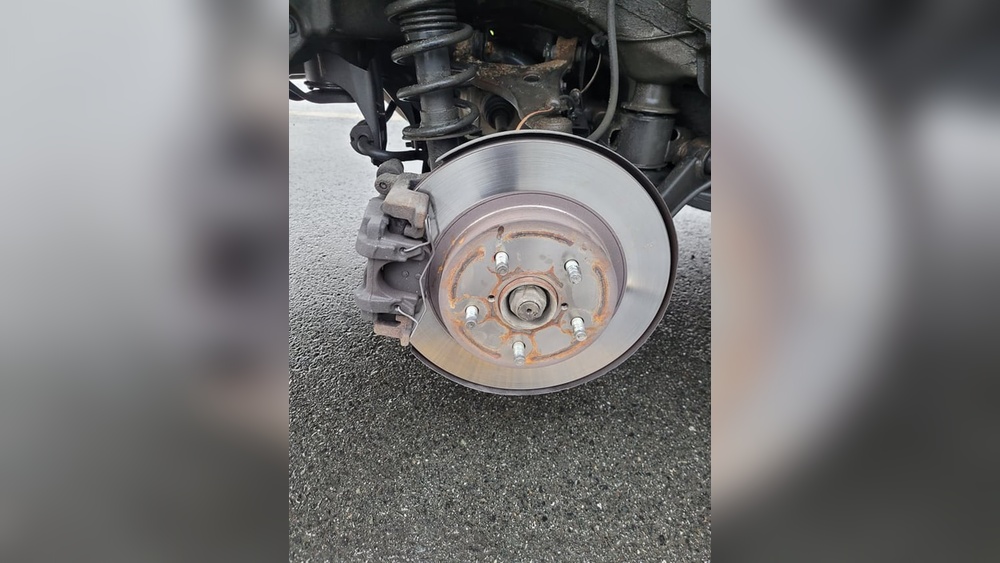
Are you noticing vibrations or strange noises when you brake? Your brake rotors might be the culprit.
Measuring brake rotor runout is a simple step that can save you from costly repairs and keep your vehicle running smoothly. In this guide, you’ll learn exactly how to check your rotor runout quickly and accurately, even if you’re not a mechanic.
By the end, you’ll have the confidence to spot problems early and protect your brakes—and your safety. Let’s get started!
Tools Needed
Measuring brake rotor runout needs a few key tools. These tools help check if the rotor surface is even. Using the right tools makes the job easier and more accurate.
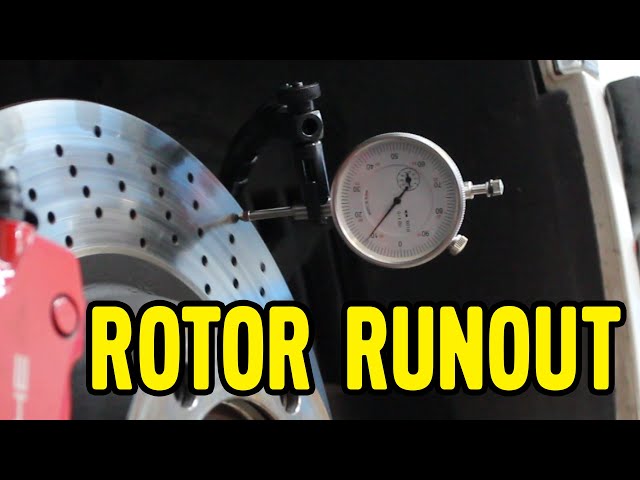
Dial Indicator
The dial indicator measures small changes in rotor position. It shows how much the rotor wobbles. This tool is very precise and easy to read. It helps find even slight runout problems.
Magnetic Base
The magnetic base holds the dial indicator steady. It sticks to the wheel hub or other metal parts. This base keeps the dial indicator in place during measurement. It prevents slipping and gives reliable results.
Caliper And Wrench
Calipers and wrenches help remove the wheel and brake parts. They allow access to the rotor surface. You need these tools to loosen bolts or nuts safely. Proper use of calipers and wrenches speeds up the process.
Credit: www.youtube.com
Preparing The Vehicle
Preparing the vehicle is the first step to measure brake rotor runout accurately. A safe and clean setup helps get precise readings. Follow these simple steps to get the car ready.
Lift And Secure The Vehicle
Use a jack to lift the vehicle safely. Place jack stands under the car for extra support. Never rely on the jack alone to hold the car up. Make sure the vehicle is stable before working on it.
Remove The Wheel
Loosen the lug nuts before lifting the car. After lifting, remove the lug nuts completely. Take off the wheel carefully and set it aside. This gives full access to the brake rotor.
Clean The Rotor Surface
Wipe the rotor with a clean rag to remove dirt. Use brake cleaner spray for better results. Dirt and rust can affect your runout measurements. Ensure the rotor surface is dry and clean before testing.
Setting Up The Dial Indicator
Setting up the dial indicator correctly is key to measuring brake rotor runout. This step ensures accurate readings and helps spot any rotor wobble. Take your time and follow each step carefully for the best results.
Attach Magnetic Base
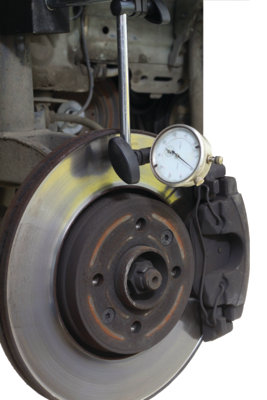
Start by securing the magnetic base to a stable metal surface near the rotor. The base must not move during measurement. Choose a spot that keeps the dial indicator steady and close to the rotor edge.
Position The Indicator Tip
Next, adjust the dial indicator arm so the tip touches the rotor’s surface. Place it near the outer edge but not on the braking surface. The tip should press lightly and stay perpendicular to the rotor.
Zero The Dial Indicator
Turn the dial face to set the needle at zero. This step resets the tool to a baseline before rotating the rotor. Zeroing ensures you measure only the rotor’s runout, not the initial gap or pressure.

Credit: www.tomorrowstechnician.com
Measuring Rotor Runout
Measuring rotor runout helps check if the brake rotor is warped or uneven. It is important to keep the rotor smooth for safe braking. This process uses a dial indicator to find how much the rotor moves side to side during rotation. Accurate measurement avoids brake vibration and uneven pad wear.
Follow these steps to measure rotor runout precisely and easily.
Rotate The Rotor Slowly
Attach the dial indicator so the tip touches the rotor surface near the edge. Turn the rotor by hand slowly and steadily. Watch the dial indicator needle as the rotor moves. Keep the rotation smooth to get clear readings.
Record Runout Readings
Note the highest and lowest dial readings during rotation. The difference between these readings shows the runout. Write down these numbers carefully for reference. Check multiple points around the rotor for accuracy.
Identify High And Low Points
Pinpoint where the dial indicator shows the highest and lowest values. These spots reveal uneven areas on the rotor surface. Mark these points if needed. Knowing these areas helps decide if the rotor needs resurfacing or replacement.
Interpreting Results
After measuring brake rotor runout, the next step is to interpret the results. This step helps you understand if the rotor is within safe limits or needs attention. Accurate interpretation prevents brake problems and ensures vehicle safety.
Runout values show how much the rotor surface moves during rotation. Small movements might be normal. Larger movements can cause brake vibrations and uneven wear. Knowing the right numbers helps you decide what to do next.
Compare To Manufacturer Specs
Always check the vehicle or rotor manufacturer’s specifications. These specs tell you the maximum allowed runout. Find this information in the service manual or on the rotor packaging. Comparing your measurements to these specs shows if the rotor meets safety standards.
Values above the manufacturer’s limit mean the rotor is out of tolerance. This can lead to brake pulsation or noise. If the runout is below or equal to the limit, the rotor is generally safe to use. Always trust these official numbers for accurate assessment.
Determine Acceptable Limits
Different vehicles have different runout limits. Most limits range between 0.002 to 0.005 inches. Some heavy-duty vehicles allow slightly higher runout. Understanding your vehicle’s limits keeps braking smooth and safe.
If runout exceeds the limit, you can try to correct it. Light runout can sometimes be fixed by resurfacing the rotor or cleaning mounting surfaces. Severe runout usually means the rotor needs replacement. Follow the acceptable limits strictly to avoid brake issues.
Common Issues And Fixes
Measuring brake rotor runout helps find common problems affecting brake performance. Understanding these issues makes fixing easier and safer. Here are some frequent problems and their solutions.
Rotor Warping
Rotor warping happens from too much heat during braking. It causes vibrations and uneven brake pads wear. To fix warped rotors, replace them with new ones. Avoid hard braking to prevent future warping.
Improper Installation
Improper installation leads to uneven rotor surfaces. Loose or wrong bolts cause rotor wobble. Tighten bolts to the correct torque using a torque wrench. Check for dirt or rust before installation to ensure proper fit.
Wheel Bearing Problems
Wheel bearing issues create rotor runout by allowing rotor movement. Worn bearings cause noise and rough driving. Replace bad wheel bearings promptly to keep rotors stable and safe.
Tips For Accurate Measurement
Accurate brake rotor runout measurement is vital for safe and smooth braking. Small mistakes can cause wrong readings and lead to poor brake performance. Follow these tips to get precise and reliable results every time.
Ensure Proper Tool Calibration
Check your dial indicator or measuring tool before starting. Make sure it is set to zero correctly. A poorly calibrated tool gives false readings. Calibrate the tool on a flat, clean surface for best accuracy.
Check For Debris
Clean the rotor and hub area before measuring. Dirt, rust, or metal shavings can affect the reading. Wipe the surface with a clean cloth. Remove any particles that might cause uneven contact.
Repeat Measurements For Consistency
Take several measurements at different points on the rotor. Rotate the rotor slowly for each reading. Compare the results to spot any inconsistencies. Multiple measurements help confirm the true runout value.
Credit: www.tomorrowstechnician.com
Frequently Asked Questions
What Is Brake Rotor Runout And Why Measure It?
Brake rotor runout is the lateral wobble of the rotor. Measuring it ensures smooth braking, preventing vibrations and uneven wear.
How Do You Measure Brake Rotor Runout Accurately?
Use a dial indicator mounted on a fixed base. Rotate the rotor slowly and note the indicator’s maximum deviation.
What Tools Are Needed To Check Rotor Runout?
You need a dial indicator with a magnetic base or clamp, and basic hand tools to remove the wheel.
What Causes Excessive Brake Rotor Runout?
Causes include warped rotors, improper installation, debris between rotor and hub, or worn wheel bearings.
Conclusion
Measuring brake rotor runout helps keep your vehicle safe. Use a dial indicator for accurate readings. Check the rotor at several points around the wheel. Small runout can cause vibrations and brake issues. Fixing or replacing a warped rotor improves driving comfort.
Regular checks prevent costly repairs later on. Take your time and follow the steps carefully. This simple task keeps brakes working smoothly and reliably. Stay safe by maintaining your brake system often.