

Have you ever wondered why your car suddenly feels sluggish or struggles to start? One common culprit you might not think about is a clogged fuel filter.
This small but crucial part plays a big role in keeping your engine running smoothly. When it gets blocked, your engine can suffer in ways you might not expect. Keep reading to discover exactly how a clogged fuel filter affects your engine’s operation—and what you can do to fix it before it causes serious trouble.
Role Of The Fuel Filter
The fuel filter plays a key role in protecting the engine. It cleans the fuel before it reaches the engine parts. Clean fuel helps the engine run smoothly. Without a good filter, dirt and debris can enter the engine. This can cause damage and reduce performance.
The fuel filter also helps keep the fuel flow steady. A steady flow means the engine gets the right amount of fuel. This is important for good engine operation and fuel efficiency.
Filtering Contaminants
The fuel filter traps dirt, rust, and other particles in the fuel. These contaminants come from the fuel tank or fuel lines. If they reach the engine, they can clog small parts and cause wear. The filter stops these particles from entering the engine. This keeps the engine cleaner and safer.
Maintaining Fuel Flow
The fuel filter also controls the flow of fuel to the engine. A clean filter lets fuel pass freely. This helps the engine get enough fuel for burning. If the filter clogs, fuel flow slows down. Low fuel flow can cause the engine to run rough or stall. Good fuel flow supports steady engine power and smooth operation.
Causes Of Fuel Filter Clogging
A clogged fuel filter can cause many engine problems. Understanding what causes fuel filters to clog helps prevent these issues. Dirt and other particles build up inside the filter, blocking fuel flow. This reduces engine power and can cause stalling. Several common factors lead to fuel filter clogging.
Dirt And Debris Accumulation
Fuel filters trap dirt and debris from fuel tanks and lines. Over time, these particles collect in the filter. Dust, rust, and small metal pieces are common culprits. This buildup blocks fuel from reaching the engine smoothly. The more dirt inside, the harder the engine works.
Poor Fuel Quality
Low-quality fuel contains more impurities and contaminants. These impurities can clog the fuel filter quickly. Water in fuel causes rust and corrosion inside the filter. Contaminated fuel leads to faster filter damage. Using clean, high-quality fuel helps keep filters clear.
Lack Of Maintenance
Fuel filters need regular checks and replacements. Ignoring maintenance allows dirt to build up over time. Old filters become clogged and restrict fuel flow. Regular filter changes keep the engine running well. Skipping maintenance risks engine performance and fuel efficiency.
Signs Of A Clogged Fuel Filter
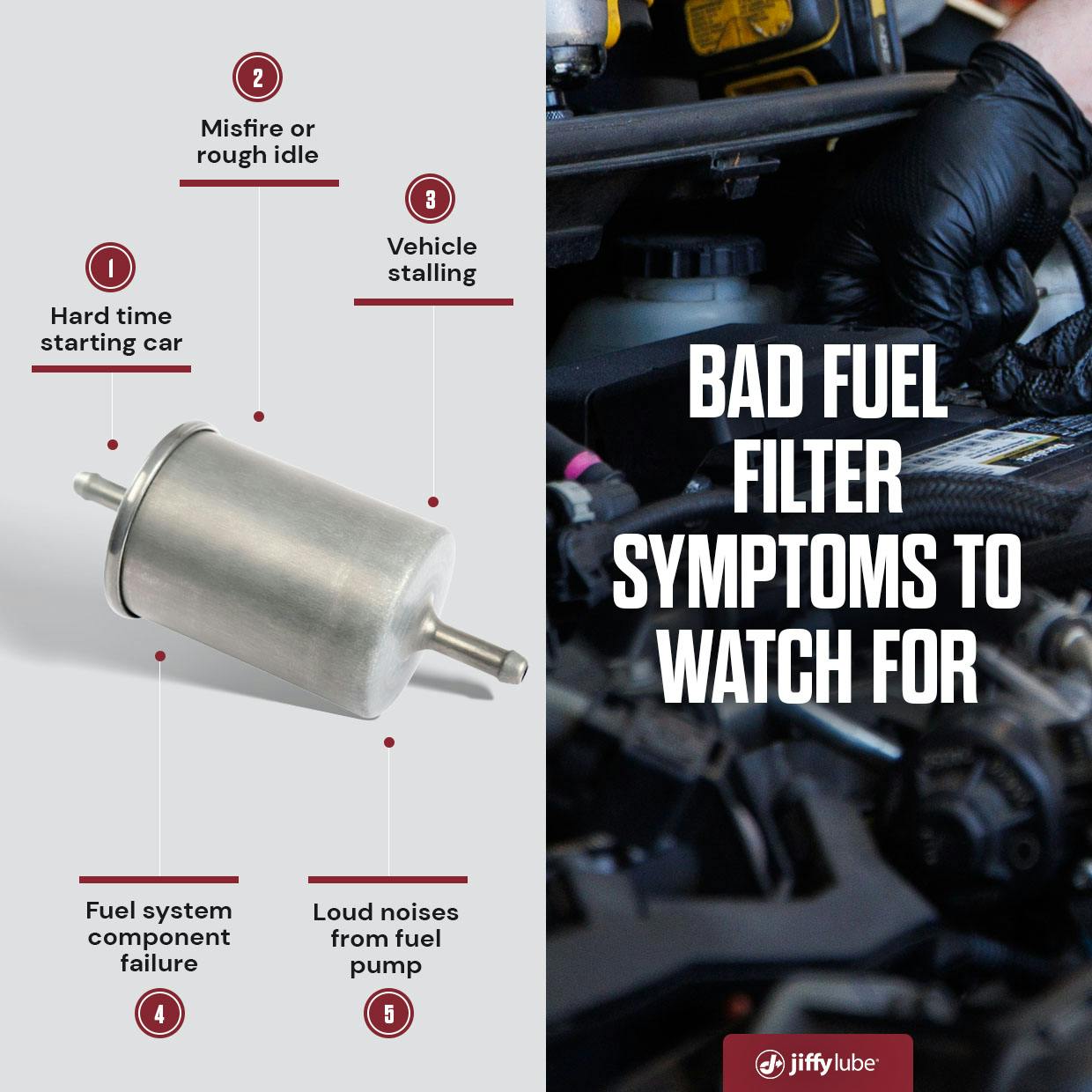
A clogged fuel filter can cause many problems for your engine. It blocks the flow of fuel, making it hard for the engine to work well. Knowing the signs helps you spot the issue early. This keeps your car running smoothly and prevents bigger troubles.
Engine Misfires And Hesitation
One common sign is engine misfires. The engine may jerk or skip while running. You may feel hesitation when pressing the gas pedal. This happens because the fuel supply is uneven. The engine struggles to get the fuel it needs.
Reduced Acceleration
A clogged fuel filter can lower your car’s power. The vehicle may feel slow or weak. It takes longer to speed up or pass other cars. Reduced acceleration means less fuel reaches the engine. This limits the engine’s performance and responsiveness.
Difficulty Starting The Engine
Starting the car can become hard or slow. The engine might crank for a long time before it starts. Sometimes, it may not start at all. A blocked fuel filter restricts fuel flow, causing this problem. The engine does not get enough fuel to ignite easily.
Unusual Engine Noises
Listen for strange sounds from the engine. It may make sputtering or coughing noises. These sounds show the engine is struggling. The clogged filter causes inconsistent fuel delivery. This creates unusual engine noises during operation.
Credit: axi-international.com
Impact On Engine Performance
A clogged fuel filter has a direct impact on engine performance. It blocks the flow of fuel to the engine. This reduces the engine’s power and efficiency. The engine struggles to get the fuel it needs to run smoothly. This section explains how a clogged fuel filter affects engine operation.
Fuel Starvation Effects
Fuel starvation happens when the engine does not get enough fuel. A clogged filter restricts fuel flow. The engine may hesitate or stall during acceleration. Starting the vehicle can become difficult. Low fuel supply causes uneven engine running and power loss.
Increased Engine Wear
The engine works harder with less fuel. This extra strain can cause parts to wear faster. Poor fuel flow can lead to engine knocking. Over time, this damages pistons and valves. Engine components wear out sooner, leading to costly repairs.
Decreased Fuel Efficiency
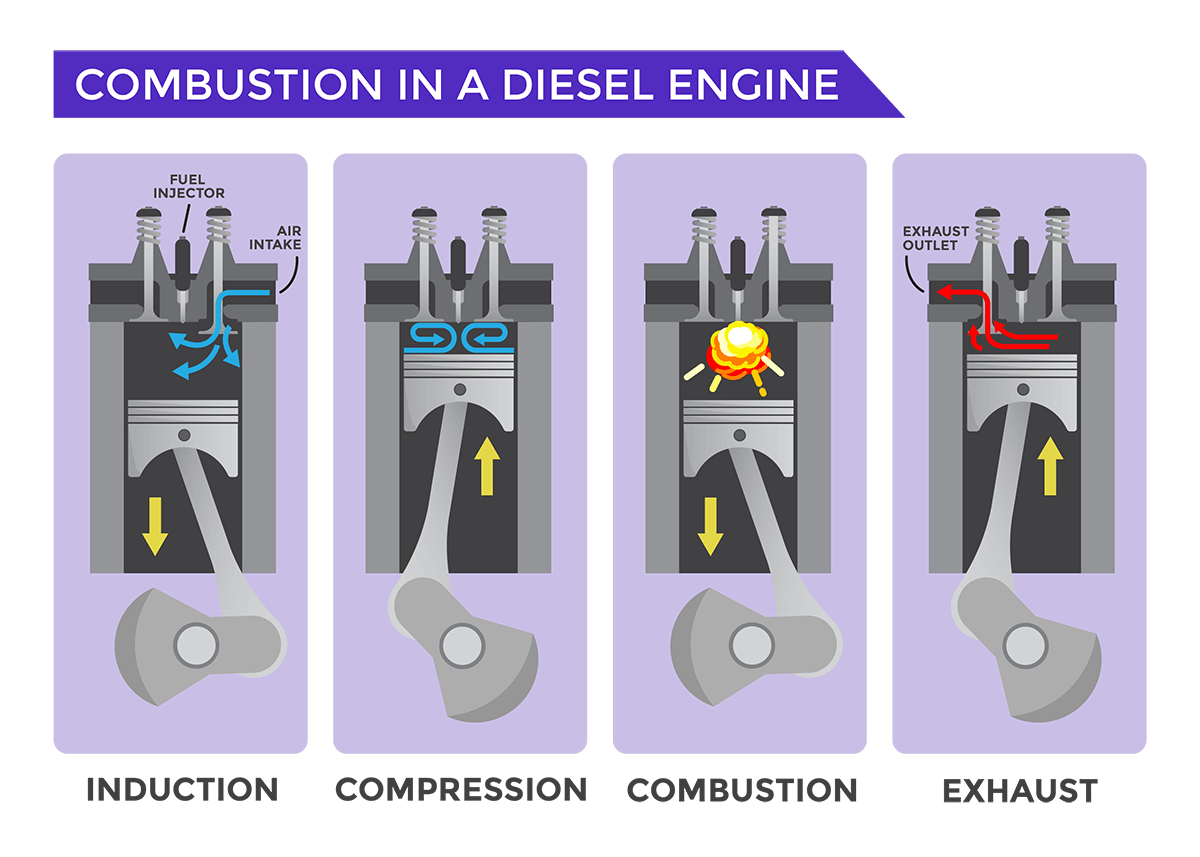
A blocked fuel filter lowers fuel efficiency. The engine burns more fuel to maintain performance. This wastes fuel and increases running costs. Reduced fuel flow causes incomplete combustion. Less mileage per tank, more frequent refueling.
Potential Engine Damage
A clogged fuel filter can cause serious damage to your engine. It blocks the flow of fuel. This makes the engine work harder. Small problems can quickly turn into big repairs. Understanding these risks helps you keep your engine healthy.
Overheating Risks
When fuel flow is low, the engine may overheat. Less fuel means less cooling for engine parts. Overheating can warp metal and damage components. This raises repair costs and reduces engine life.
Fuel Pump Strain
The fuel pump pushes fuel through the filter. A clogged filter makes the pump work harder. This extra work can cause the pump to fail early. Replacing a fuel pump is expensive and time-consuming.
Injector Problems
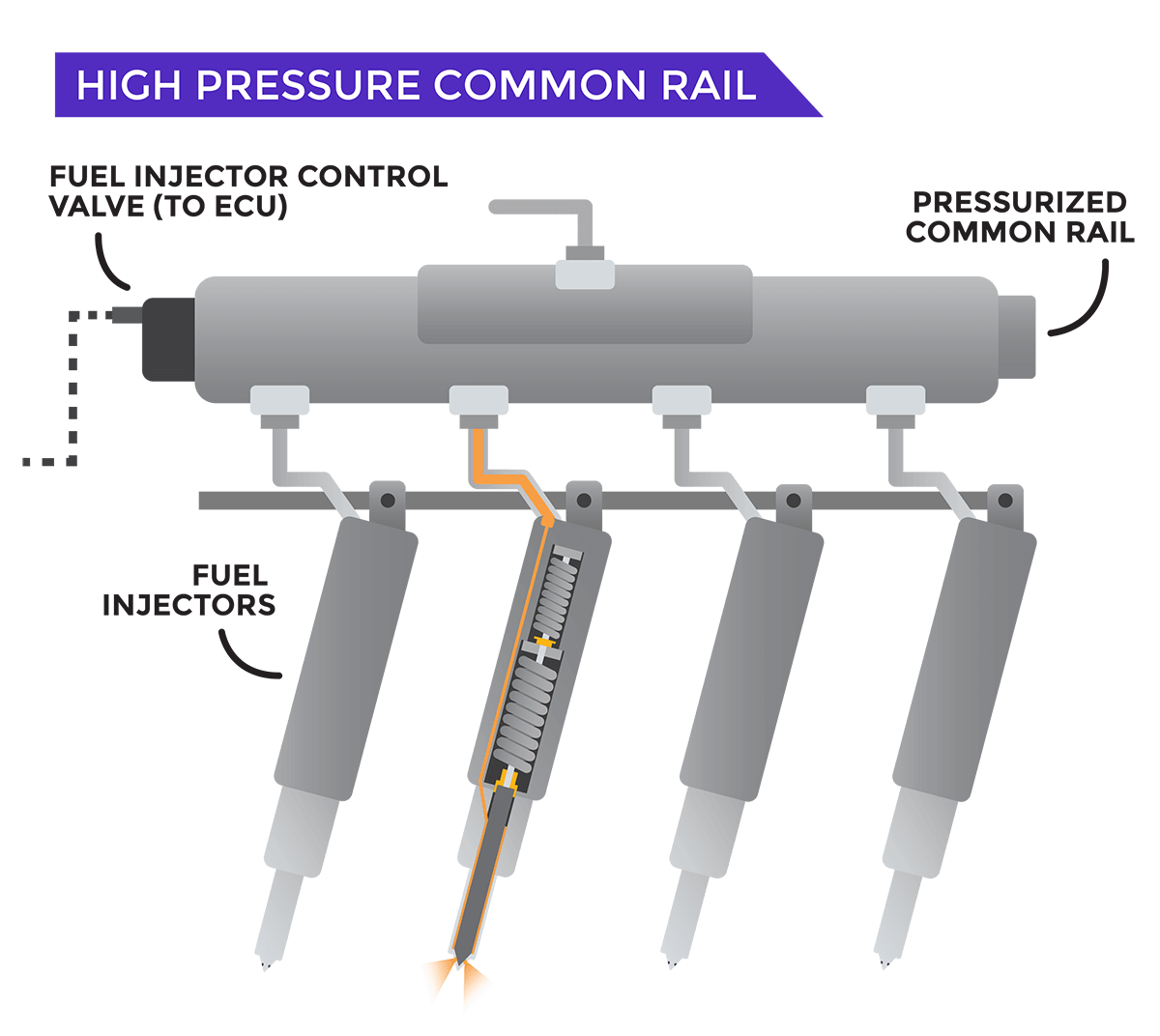
Dirty fuel can clog fuel injectors. Clogged injectors spray fuel unevenly. This leads to poor engine performance and rough idling. Over time, injectors may need cleaning or replacement.
Preventing Fuel Filter Issues
Preventing fuel filter issues helps keep your engine running smoothly. A clean fuel filter stops dirt and rust from reaching the engine. This keeps fuel flow steady and engine parts safe. Taking simple steps can avoid costly repairs and improve car performance.
Regular Replacement Schedule
Change the fuel filter as the car manual suggests. Old filters get clogged and reduce fuel flow. A fresh filter keeps the engine healthy and fuel efficient. Set reminders to check and replace the filter on time.
Using Quality Fuel
Choose fuel from trusted stations. Cheap fuel often contains dirt and water. Contaminated fuel clogs the filter faster. Clean fuel protects the filter and engine parts. It also helps your car run better and last longer.
Routine Vehicle Inspections
Check the fuel system regularly for signs of trouble. Look for rough idling or slow acceleration. These may signal a clogged filter. Early detection lets you fix problems before they grow. Ask a mechanic to inspect the fuel filter and lines during service.
When To Seek Professional Help
Knowing when to seek professional help for a clogged fuel filter is key to keeping your engine running smoothly. Some problems may seem small but can cause big damage if ignored. A mechanic can find issues that are hard to see and fix them fast.
Do not wait too long to get help. If your car shows signs like rough idling, poor acceleration, or stalling, it might be time to visit a professional. Early action can save you money and prevent more serious engine trouble.
Diagnosing Fuel System Problems
Professionals use special tools to check your fuel system. They can test fuel pressure and flow to find blockages. Mechanics look for symptoms that point to a clogged fuel filter or other issues. This helps them give the right solution quickly.
Choosing Repair Services
Pick a repair shop with good reviews and trained staff. Ask if they have experience with your car model. Clear pricing and warranty on repairs are important. Trustworthy mechanics will explain the problem and the fix in simple words.
Credit: www.jiffylube.com
Credit: axi-international.com
Frequently Asked Questions
What Are Common Symptoms Of A Clogged Fuel Filter?
A clogged fuel filter causes poor engine performance, stalling, and difficulty starting. Reduced fuel flow leads to engine misfires and hesitation during acceleration.
How Does A Clogged Fuel Filter Reduce Engine Power?
The clogged filter restricts fuel flow to the engine. This limits combustion efficiency, causing noticeable power loss and sluggish acceleration.
Can A Clogged Fuel Filter Damage The Engine?
Yes, insufficient fuel supply stresses engine components. Prolonged clogging can cause overheating and damage fuel injectors and the engine itself.
How Often Should A Fuel Filter Be Replaced?
Fuel filters typically require replacement every 20,000 to 40,000 miles. Check your vehicle’s manual for specific recommendations.
Conclusion
A clogged fuel filter stops fuel from reaching the engine properly. This causes poor engine performance and may lead to stalling. Engine parts can wear out faster without clean fuel. Regular filter checks keep your engine running smoothly. Don’t wait for problems to get worse.
Clean fuel filters help save money on repairs. Keep your vehicle healthy by paying attention to fuel flow. Simple maintenance makes a big difference in engine life. Small steps prevent big troubles down the road.


