

Thinking about giving your car a fresh new look with vinyl wrap? One of the first questions you probably have is: How much vinyl wrap do you actually need?
Getting the right amount is crucial—you don’t want to buy too little and run out halfway, or waste money on excess material. You’ll discover simple tips to calculate the perfect amount of vinyl wrap for your car. Keep reading to avoid common mistakes and make your car transformation smooth and hassle-free.
Measuring Your Car
Measuring your car is the first step to figure out how much vinyl wrap you need. It helps avoid buying too little or too much material. Take your time to measure carefully. This ensures a smooth wrapping process and a perfect finish.
Key Dimensions To Measure
Start with the car’s length from front bumper to rear bumper. Measure the height from the ground to the roof’s highest point. Don’t forget the width, including mirrors if you plan to wrap them. Also, check the door panels, hood, and trunk separately. These parts need extra vinyl for full coverage.
Tools For Accurate Measurement
Use a tape measure for most parts. A flexible tape helps measure curved surfaces easily. A laser distance measurer works well for long or hard-to-reach areas. A notebook or phone app is useful to record numbers quickly. Avoid guessing; precise tools save time and money.
Recording Measurements Effectively
Write down each measurement immediately. Label each number with the car part it belongs to. Group measurements for easier calculation later. Take photos with notes if possible. This helps to double-check and plan your vinyl purchase wisely.
Calculating Vinyl Wrap Requirements
Calculating the right amount of vinyl wrap is key to a smooth car wrapping project. You must know how much material covers the whole vehicle without wasting any. This section breaks down the steps for accurate measurement and planning. It helps you avoid buying too little or too much vinyl wrap.
Standard Vinyl Roll Sizes
Vinyl wrap rolls commonly come in widths of 48 inches or 60 inches. The length of these rolls usually ranges from 25 to 100 feet. Knowing these sizes helps plan how many rolls you need. Most cars require at least one full roll, depending on their size.
Estimating Surface Area
Calculate your car’s surface area by measuring length, width, and height. Measure each panel separately for better accuracy. Add all these measurements to get the total area to cover. This total helps decide how much vinyl wrap you need to buy.
Allowances For Overlaps And Errors
Vinyl wrap installation needs extra material for overlaps and mistakes. Add at least 10-15% more vinyl to your surface area estimate. This extra ensures you can wrap corners and edges properly. It also covers small errors during cutting or fitting.
Factors Affecting Vinyl Usage
Estimating the amount of vinyl wrap needed depends on several key factors. These factors change how much material you use for your car wrap project. Understanding them helps avoid shortages or waste. Each factor plays a role in the total vinyl required.
Car Shape And Complexity
The shape of the car affects vinyl usage greatly. Smooth, flat surfaces need less vinyl than curved or detailed areas. Cars with many curves and creases require extra material to cover properly. Mirrors, bumpers, and door handles add to the complexity. These parts often need additional vinyl to wrap cleanly.
Type Of Vinyl Material
Different vinyl types vary in size and stretch. Cast vinyl stretches more, allowing better coverage on curves. Calendered vinyl is thicker and less flexible, needing more material for complex shapes. Some vinyl comes in wider rolls, reducing seams. The choice of vinyl impacts how much you buy.
Design And Pattern Considerations
Designs with patterns or images affect vinyl use. Matching patterns across panels requires more vinyl to align correctly. Large graphics or custom prints may need extra material for trimming and positioning. Simple solid colors often use less vinyl than detailed designs. Planning the design helps measure vinyl needs accurately.
Credit: yeswrap.com
Tips To Minimize Vinyl Waste
Minimizing vinyl waste saves money and helps the environment. Using less vinyl means less trash and fewer costs. Careful planning and smart cutting can reduce leftover material. Small actions make a big difference in wrapping projects.
Follow these tips to use vinyl efficiently and avoid waste.
Planning The Layout
Start by measuring your car accurately. Write down all dimensions carefully. Plan how each vinyl piece will fit on the car. Arrange the pieces on paper or software to see the best layout. Avoid cutting large pieces without a plan. This helps use vinyl evenly and cuts waste.
Cutting Techniques
Use sharp blades for clean cuts. Cut slowly and steadily to avoid mistakes. Cut only what you need at a time. Save scrap pieces for small repairs. Use a ruler or straight edge to guide cuts. Precision reduces errors and keeps vinyl usable.
Working With Professionals
Experts know how to measure and cut vinyl well. They use tools that reduce waste. Professionals can suggest the right amount of vinyl to buy. Hiring help can save material and time. Choose skilled wrappers for best results and less waste.
Common Mistakes To Avoid
Wrapping a car with vinyl can be tricky without the right knowledge. Many beginners make common mistakes that waste time, money, and materials. Avoid these errors to get a smooth, clean wrap on your vehicle. Knowing what to watch out for helps you plan better and finish faster.
Underestimating Material Needs
People often buy too little vinyl wrap. Cars have curves, edges, and tight spots that need extra material. Always buy more than the exact size of your car’s surface. This extra amount covers mistakes and tricky areas. Running out of vinyl mid-wrap causes delays and extra costs.
Ignoring Surface Preparation
Vinyl wrap sticks best to clean, smooth surfaces. Dirt, oil, and old wax block the adhesive. Skipping cleaning leads to bubbles and peeling. Wash the car thoroughly and remove all grease. Use rubbing alcohol or a special cleaner for best results. A clean surface ensures the wrap stays longer.
Skipping Test Fits
Jumping straight to full application is risky. Test fitting small vinyl pieces first helps check size and fit. This step shows how the vinyl behaves on curves and corners. It prevents stretching or tearing during the final wrap. Test fits save time and reduce frustration.

Credit: www.carlawrap.com
Credit: carlikewrap.com
Frequently Asked Questions
How Much Vinyl Wrap Is Needed For A Full Car Wrap?
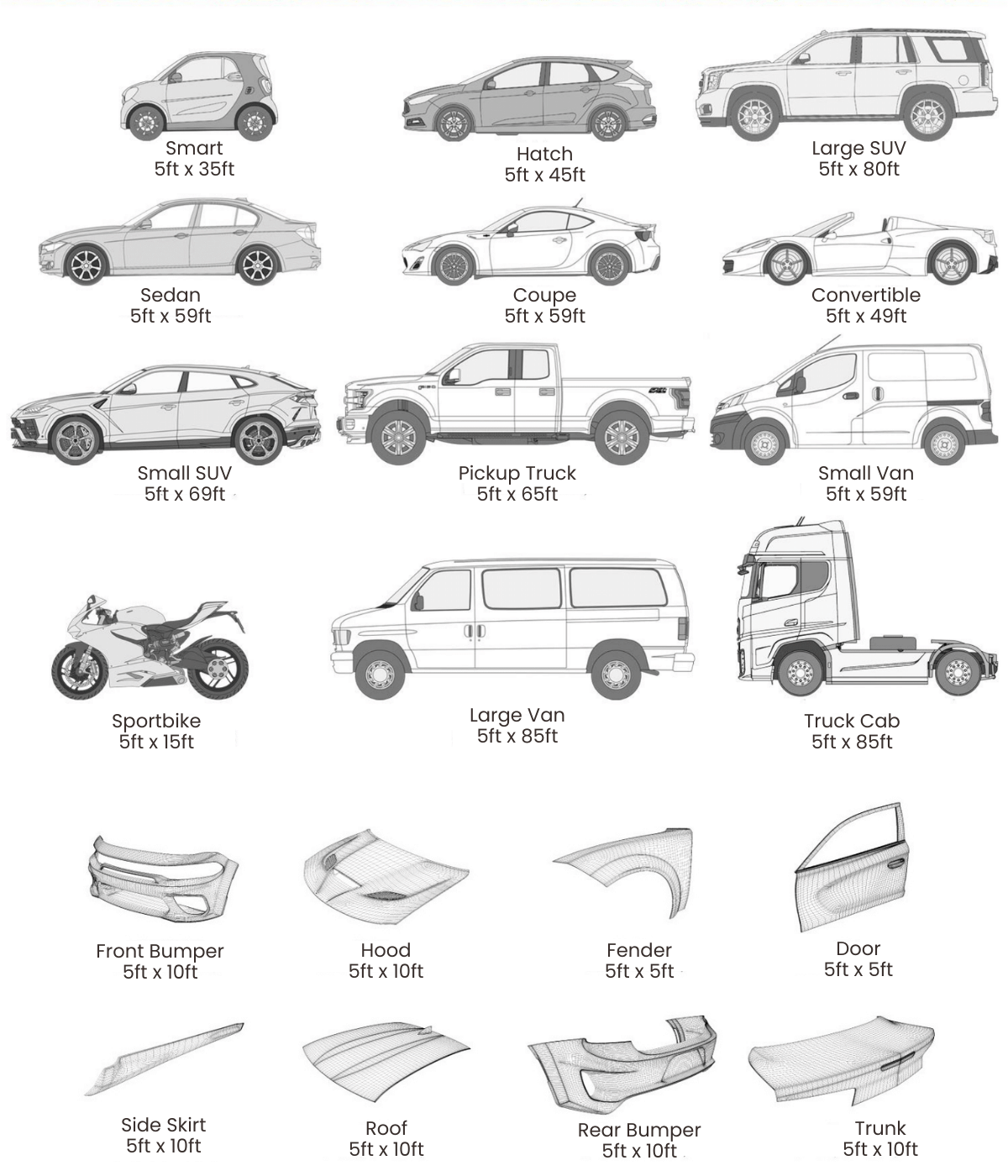
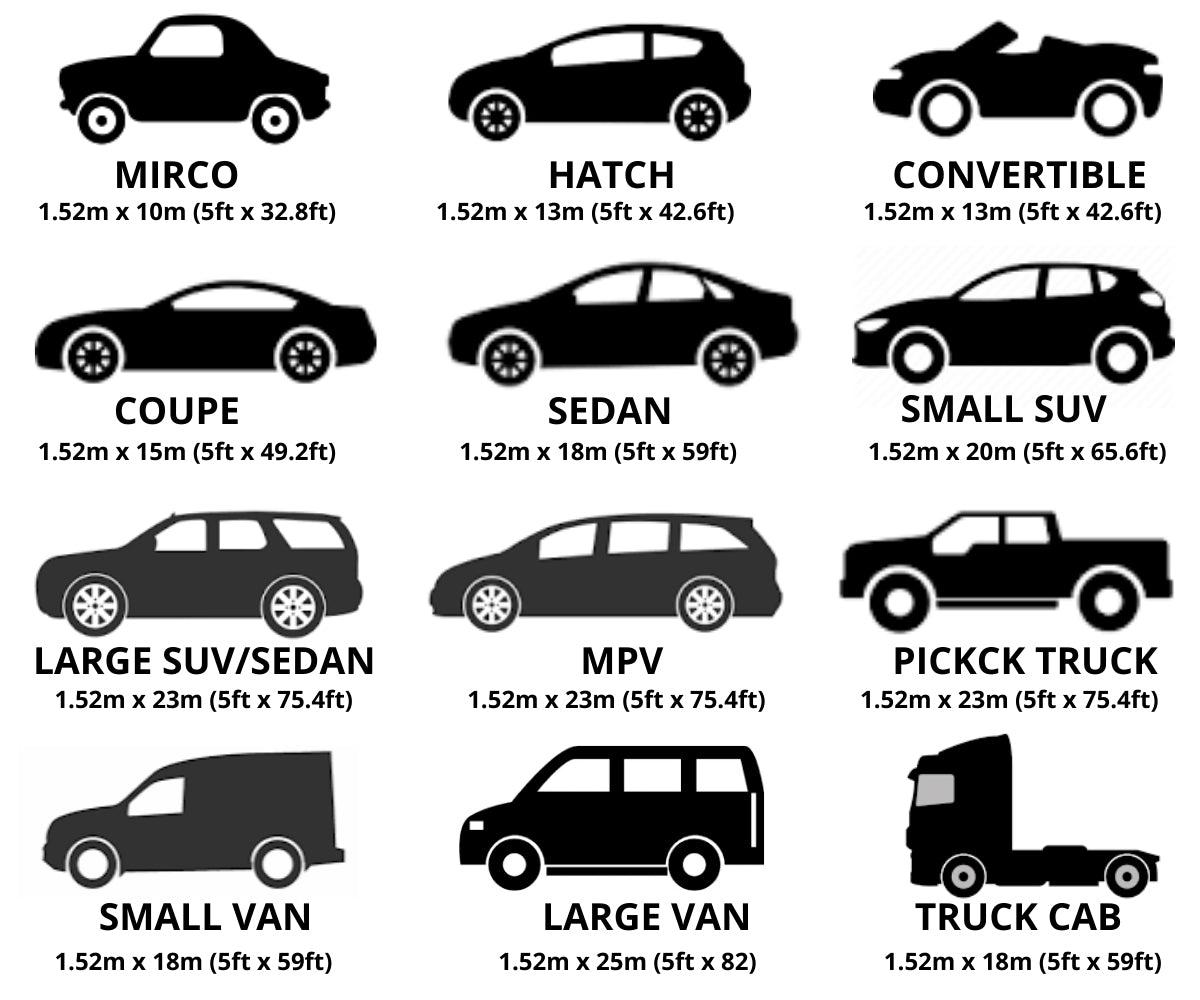
Typically, 50 to 75 feet of vinyl wrap is required for a full car wrap. This depends on the car’s size and shape. Smaller cars need less vinyl, while larger SUVs need more material to cover all surfaces.
Can One Roll Of Vinyl Wrap Cover An Entire Car?
Usually, one roll of vinyl wrap is not enough for a full car wrap. A roll often contains 50 feet, which may cover smaller cars. Larger vehicles require multiple rolls to ensure complete coverage without gaps.
What Factors Affect Vinyl Wrap Quantity For Cars?
Car size, shape, and design complexity affect vinyl wrap quantity. Bigger cars and detailed designs need more vinyl. Wrap installers also consider waste and mistakes, ordering extra material for a seamless finish.
Is Extra Vinyl Wrap Needed For Mistakes Or Adjustments?
Yes, extra vinyl wrap is recommended to cover errors or design changes. Installers usually add 10-20% more material to avoid running out and ensure perfect coverage during application.
Conclusion
Wrapping a car with vinyl needs careful planning. Measure your vehicle well before buying wrap. Usually, 50 to 75 feet of vinyl works for most cars. Extra material helps cover mistakes and curves. Choose quality vinyl to get a smooth finish.
Take your time during the wrap to avoid bubbles. A neat job looks great and lasts longer. With the right amount of vinyl, your car will stand out nicely. Simple steps lead to a good wrap every time.


