

Have you noticed your car acting up lately? Maybe it’s losing power, stalling, or struggling to start.
These problems could be signs that your fuel filter is going bad. But how can you be sure? Knowing the warning signs of a bad fuel filter can save you time, money, and frustration down the road. You’ll discover simple ways to tell if your fuel filter needs attention—before it causes bigger issues.
Keep reading to protect your vehicle and keep it running smoothly.

Credit: www.youtube.com
Signs Of A Failing Fuel Filter
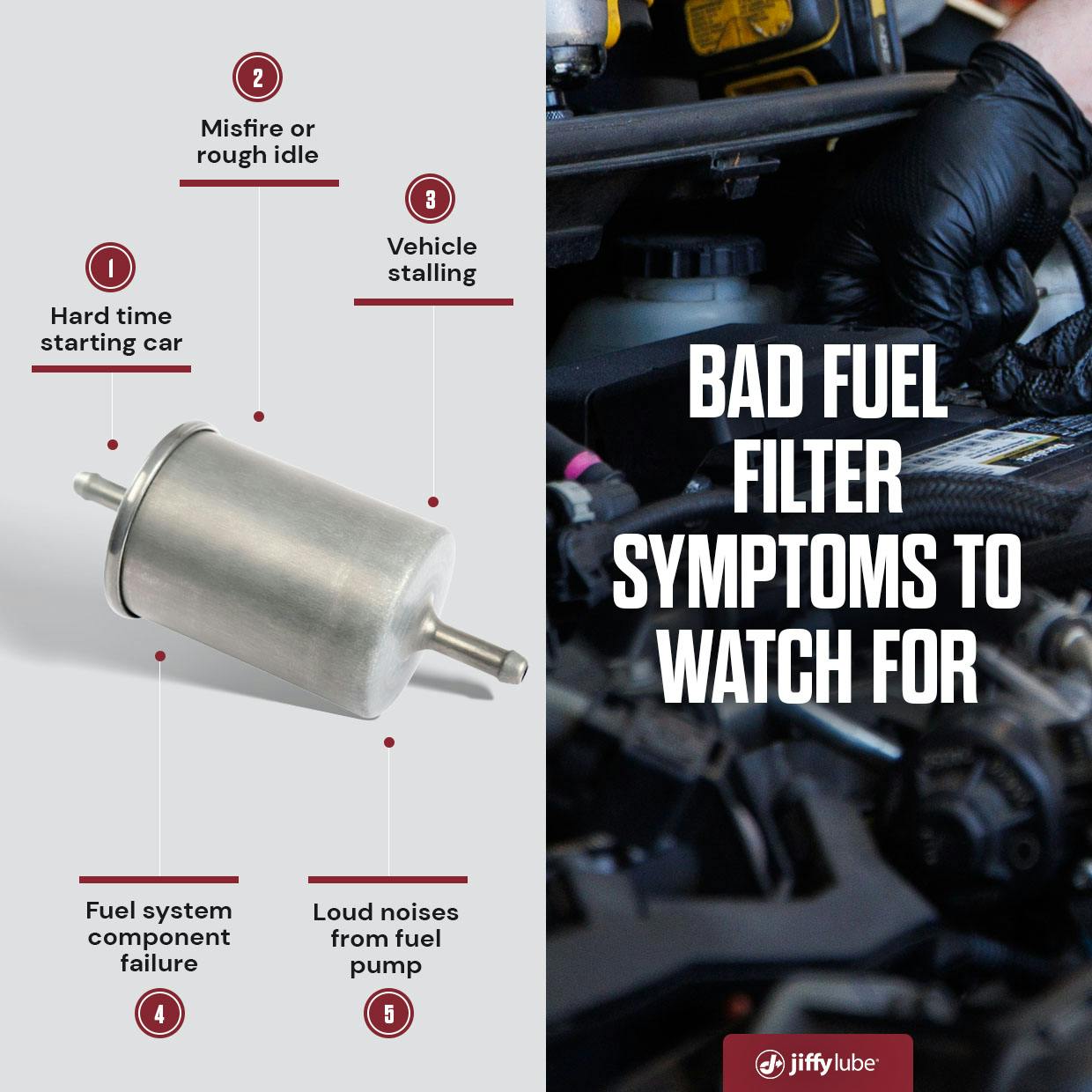
A fuel filter keeps dirt and debris from entering your engine. Over time, it can get clogged and stop working well. Knowing the signs of a failing fuel filter helps avoid bigger car problems. Watch for changes in how your car runs. These signs show your fuel filter might need attention soon.
Engine Performance Issues
A bad fuel filter restricts fuel flow to the engine. This causes your engine to run rough or lose power. You may notice hesitation when you press the gas pedal. The engine might misfire or feel weak. These problems occur because the engine is not getting enough clean fuel.
Difficulty Starting The Engine
A clogged fuel filter makes it hard for fuel to reach the engine. This can cause your car to struggle to start. You may hear the engine crank longer than usual. Sometimes, it might not start at all. Fuel flow problems often show up first as starting issues.
Frequent Stalling
Your car may stall often if the fuel filter blocks fuel flow. Stalling happens when the engine suddenly stops running. This can happen while driving or at a stoplight. The engine can’t keep running without steady fuel supply. A bad fuel filter causes irregular fuel delivery and stalling.
Reduced Fuel Efficiency
A dirty fuel filter lowers your car’s fuel efficiency. The engine works harder to get fuel, using more gas. You may notice you fill the tank more often. Poor fuel economy can be a sign of a failing fuel filter. Fixing the filter can help save fuel and money.
Credit: www.jiffylube.com
Visual And Physical Indicators
Visual and physical indicators help identify a bad fuel filter early. These signs are easy to spot and can prevent bigger problems. Knowing what to check saves time and money. Below are key tips to spot issues with your fuel filter.
Fuel Filter Inspection Tips
Start by locating the fuel filter in your vehicle. It is usually near the fuel tank or engine. Look for dirt, rust, or damage on its surface. A cracked or swollen filter needs replacement. Use a flashlight for a better view in tight spaces. Check the fuel lines connected to the filter for leaks or cracks. A clean filter looks clear or slightly yellowish. Dark or cloudy filters often mean clogs or old age.
Checking For Contaminants
Remove the fuel filter carefully for a closer look. Inside, you may find dirt, rust, or sludge. These contaminants block fuel flow and reduce engine performance. Hold the filter against light to see trapped particles. A heavily contaminated filter means poor fuel quality or long use. Avoid using a filter with visible dirt or debris. Replace it to keep fuel clean and engine healthy.
Unusual Smells Near The Fuel System
Notice any strong fuel smells near the engine or fuel tank? This could mean the fuel filter is leaking or damaged. A bad filter may cause fuel to vaporize or leak. Fuel smells are dangerous and need immediate attention. Check the filter and fuel lines for cracks or holes. Fixing leaks stops fuel loss and prevents fire hazards. Trust your nose; it can detect fuel system problems early.
Impact On Vehicle Components
The fuel filter plays a key role in protecting your vehicle’s engine. It stops dirt and debris from reaching important parts. When the fuel filter goes bad, several vehicle components can suffer. This can cause serious problems and costly repairs. Understanding the impact on these parts helps spot issues early.
Effects On Fuel Pump
A clogged fuel filter forces the fuel pump to work harder. This extra strain can cause the pump to overheat and fail. A failing fuel pump may lead to poor fuel delivery. It can also cause the engine to stall or not start at all. Replacing a bad fuel filter can protect the fuel pump and save money.
Engine Misfires And Hesitation
Dirty fuel can cause the engine to misfire or hesitate during acceleration. A bad fuel filter restricts fuel flow to the engine. This leads to uneven combustion and rough running. The engine may feel weak or slow to respond. Fixing the fuel filter issue often restores smooth engine performance.
Diagnostic Methods
Knowing how to check a fuel filter helps keep your car running smoothly. Bad fuel filters block fuel flow. This causes engine problems and poor performance. There are simple ways to test if a fuel filter is bad. These methods give clear signs of trouble.
Using A Fuel Pressure Gauge
A fuel pressure gauge measures the fuel pressure in the system. Low pressure means the fuel filter may be clogged. Attach the gauge to the fuel line at the test port. Turn on the ignition and watch the gauge reading. Compare the reading with the car’s normal fuel pressure. If the pressure is below the recommended level, the filter likely needs replacement.
Professional Fuel System Testing
Mechanics use special tools to check the fuel system fully. They test the pump, filter, and injectors. This detailed test finds exact problems in the fuel line. Professionals also check for fuel flow rate and pressure drops. They can spot a bad fuel filter quickly. Getting a professional test saves time and ensures accurate results.
Maintenance And Replacement
Maintaining and replacing your fuel filter is key to keeping your vehicle running smoothly. Over time, fuel filters get clogged with dirt and debris. This reduces fuel flow and harms engine performance. Regular checks and timely replacement prevent bigger issues and costly repairs.
Recommended Replacement Intervals
Fuel filters usually need replacement every 20,000 to 40,000 miles. Check your vehicle’s owner manual for exact guidelines. Driving in dusty or harsh conditions may require more frequent changes. Sticking to the schedule helps avoid engine problems and improves fuel efficiency.
Choosing The Right Fuel Filter
Select a fuel filter that matches your vehicle’s make and model. Using the wrong filter can cause leaks or poor fuel flow. Choose filters from trusted brands that meet quality standards. Quality filters last longer and protect your engine better.
Diy Vs Professional Replacement
Replacing a fuel filter yourself can save money. Basic tools and careful steps are needed. Watch tutorials or read guides if you try it. Professional service is safer and ensures proper installation. Mechanics also inspect other fuel system parts during replacement.

Credit: oilchangers.com
Frequently Asked Questions
How Do I Know If My Fuel Filter Is Clogged?
A clogged fuel filter often causes engine hesitation and poor acceleration. You may notice difficulty starting your car or frequent stalling. Reduced fuel efficiency and rough idling are also common signs. Regular inspection and replacement can prevent these issues and maintain engine performance.
What Are The Symptoms Of A Bad Fuel Filter?
Symptoms include engine misfires, decreased power, and unusual noises. Your vehicle might struggle to start or stall unexpectedly. You could experience poor fuel economy and check engine lights. These signs suggest the fuel filter needs immediate attention or replacement.
How Often Should I Replace My Fuel Filter?
Most manufacturers recommend replacing the fuel filter every 20,000 to 40,000 miles. However, this depends on your vehicle and driving conditions. Regular maintenance schedules in your owner’s manual provide the best guidance for timely replacement to avoid engine issues.
Can A Bad Fuel Filter Damage My Engine?
Yes, a bad fuel filter can cause engine damage by restricting fuel flow. This leads to poor combustion and increased engine wear. Contaminants can enter the fuel system, causing costly repairs. Timely filter replacement protects your engine and ensures smooth operation.
Conclusion
A bad fuel filter can cause many car problems. You might notice poor engine performance or trouble starting. Strange noises or a drop in fuel efficiency also signal trouble. Checking the fuel filter regularly keeps your car running smoothly. Don’t wait for big issues to appear.
Take action early to avoid costly repairs. Keep your vehicle healthy and drive safely. Simple steps make a big difference. Stay aware and maintain your fuel filter well.


