

Have you noticed your car acting up lately? Maybe it’s sluggish when you press the gas, or it’s taking longer to start than usual.
These could be signs that your fuel filter is clogged. But how do you know for sure? Understanding the warning signs of a clogged fuel filter can save you from costly repairs and keep your vehicle running smoothly. You’ll discover the simple ways to spot if your fuel filter needs attention—and what you can do about it before things get worse.
Keep reading to protect your engine and enjoy a smoother ride.
Common Signs Of A Clogged Fuel Filter
Recognizing a clogged fuel filter early can save your car from serious damage. The fuel filter stops dirt and debris from reaching the engine. Over time, it can get blocked and affect your car’s performance. Watch out for these common signs to know if your fuel filter needs attention.
Engine Misfires And Stalls
The engine may misfire or stall during driving. This happens because the clogged filter limits fuel flow. Without enough fuel, the engine can’t run smoothly. Sudden stops or jerky movements are red flags.
Reduced Fuel Efficiency
Your car may use more fuel than usual. A blocked filter forces the engine to work harder. This wastes fuel and lowers your miles per gallon. Notice a drop in fuel efficiency? It could be the filter.
Difficulty Starting The Engine
The engine might take longer to start. Sometimes, it won’t start at all. A clogged fuel filter restricts fuel supply at startup. This makes the ignition process slow or fail.
Loss Of Power During Acceleration
Acceleration feels weak or sluggish. The engine struggles to get enough fuel quickly. This causes poor response when you press the gas pedal. A clogged filter often causes this loss of power.
Unusual Engine Noises
You may hear strange sounds from the engine. These noises come from fuel starvation or strain. Clicking, sputtering, or knocking sounds can signal a clogged filter. Pay attention to any new or odd noises.
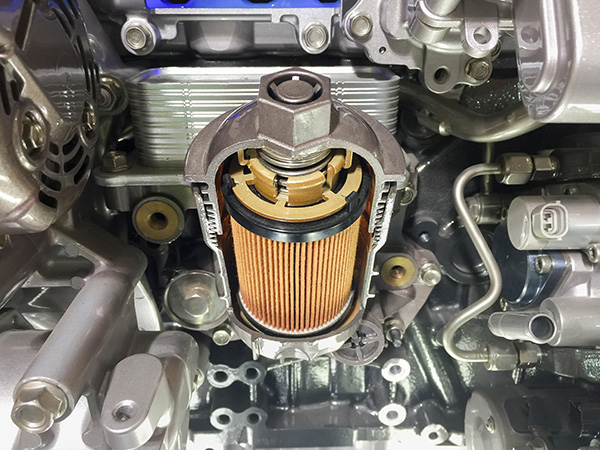
Credit: qtucarcare.com
Causes Of Fuel Filter Clogging
Fuel filters play a vital role in keeping your engine clean. They stop dirt and particles from reaching the engine. Over time, these filters can clog up, causing problems. Knowing the causes helps you spot issues early. It also helps with proper maintenance to keep your vehicle running smoothly.
Contaminated Fuel
Fuel can contain dirt, water, or other impurities. These contaminants enter the tank during refueling or storage. Contaminated fuel clogs the filter quickly. It blocks the flow of fuel to the engine. This causes poor engine performance and stalling.
Old Or Dirty Fuel Filter
Fuel filters do not last forever. Over time, they collect dirt and debris. An old or dirty filter cannot clean fuel properly. It restricts fuel flow and reduces engine power. Regular replacement is necessary to avoid clogging.
Debris And Sediment Build-up
Dust and sediment settle inside the fuel tank. These particles pass through fuel lines and collect in the filter. The build-up blocks fuel from reaching the engine. It causes rough idling and difficulty starting the vehicle. Cleaning or replacing the filter fixes this issue.
Diagnostic Methods
Knowing if your fuel filter is clogged helps keep your car running smoothly. Several simple tests show if the filter blocks fuel flow. These diagnostic methods help catch problems early and save costly repairs.
Visual Inspection
Start with a close look at the fuel filter. Check for dirt, rust, or damage on the filter’s surface. A dirty or rusty filter often means clogging inside. Look for fuel leaks around the filter area. Leaks can signal a filter problem or loose connections.
Fuel Pressure Test
Measure fuel pressure with a gauge on the fuel line. Low pressure shows the filter might be clogged. Compare the reading to your car’s manual specs. A pressure drop means fuel can’t flow properly through the filter. This test gives a clear sign of filter blockage.
Checking Engine Codes
Use an OBD-II scanner to read engine error codes. Some codes point to fuel delivery issues. Codes like P0171 or P0174 suggest fuel system problems. These codes can hint that the fuel filter is dirty or blocked. Scanning saves time and guides your next steps.

Credit: oilchangers.com
Solutions For A Clogged Fuel Filter
Dealing with a clogged fuel filter requires quick action. A blocked filter can stop fuel flow and harm your engine. Several solutions help fix this problem and keep your vehicle running smoothly. Below are effective ways to address a clogged fuel filter.
Replacing The Fuel Filter
Replacing the fuel filter is the most direct solution. A new filter removes dirt and debris effectively. Most car manuals show how to replace the filter safely. This fix restores fuel flow and improves engine performance.
Using Fuel Additives
Fuel additives help clean the fuel system and filter. They dissolve buildup and prevent new clogs. Additives are easy to use; just pour them into the fuel tank. Regular use keeps the filter cleaner longer.
Regular Maintenance Tips
Regular maintenance prevents fuel filter problems. Change the filter as recommended by the vehicle maker. Use clean fuel and avoid low-quality gasoline. Check the fuel system during routine car service visits.
Preventing Future Clogs
Preventing future fuel filter clogs helps keep your engine running smoothly. Regular care and simple habits can avoid most problems. Save time and money by stopping clogs before they happen.
Choosing Quality Fuel
Use fuel from trusted stations only. Low-quality fuel has dirt and water that harm your filter. Clean fuel lasts longer and protects your engine parts better. Avoid cheap fuel that can cause blockages quickly.
Scheduled Filter Replacements
Change your fuel filter at set times. Follow your vehicle’s manual for replacement intervals. Old filters trap more dirt and slow fuel flow. Regular changes keep your system clean and efficient.
Keeping Fuel Tank Clean
Keep your fuel tank free from dirt and rust. Dirt in the tank moves to the filter and clogs it. Check the tank during service and clean if needed. A clean tank means a healthy fuel filter.

Credit: www.youtube.com
Frequently Asked Questions
What Are The Common Signs Of A Clogged Fuel Filter?
A clogged fuel filter causes engine misfires, poor acceleration, and stalling. You may notice difficulty starting the vehicle and reduced fuel efficiency. These signs indicate restricted fuel flow, which affects engine performance and requires timely filter replacement.
How Does A Clogged Fuel Filter Affect Engine Performance?
A clogged fuel filter limits fuel supply to the engine, causing hesitation and power loss. It can lead to uneven idling and increased exhaust emissions. This restriction stresses the fuel pump and reduces overall engine efficiency, signaling the need for filter maintenance.
Can A Clogged Fuel Filter Cause Engine Stalling?
Yes, a clogged fuel filter can cause engine stalling. Restricted fuel flow leads to insufficient fuel delivery, causing the engine to stall under load or at idle. Prompt filter replacement prevents further engine damage and restores smooth operation.
How Often Should You Replace Your Fuel Filter?
Fuel filters typically need replacement every 20,000 to 40,000 miles. However, consult your vehicle’s manual for specific intervals. Regular replacement ensures optimal fuel flow, protects the fuel system, and maintains engine health.
Conclusion
A clogged fuel filter can cause many car problems. You might notice your engine running rough or losing power. Poor fuel flow makes your car less efficient. Check for these signs early to avoid bigger issues. Changing the fuel filter is often simple and cheap.
Keep your car running smoothly by staying alert. Don’t wait until the problem gets worse. Regular checks help your vehicle last longer and save money. Taking care of your fuel filter protects your engine’s health. Simple steps make a big difference in car performance.


