

Have you ever felt your car shaking when you hit the brakes or heard a strange squealing sound? These could be signs that your brake rotors are bad.
Knowing how to spot the warning signs early can save you from costly repairs and keep you safe on the road. You’ll learn simple ways to tell if your brake rotors need attention. Keep reading to protect your car and your peace of mind.
Signs Of Worn Brake Rotors
Worn brake rotors affect your vehicle’s safety and performance. They can cause problems that are easy to notice. Knowing the signs helps you act before damage worsens. Pay attention to how your brakes look and feel. This can save you time and money on repairs.
Visible Grooves And Scoring
Check the surface of the brake rotors for grooves or lines. Deep cuts or rough patches show wear. These marks happen from constant friction with brake pads. They reduce braking efficiency and can cause uneven wear.
Vibrations While Braking
Feel shaking or pulsing through the brake pedal? This often means rotors are warped or uneven. Warped rotors cause the brake pads to hit unevenly. This vibration can affect your control of the car.
Squealing Or Grinding Noises
Listen for high-pitched squeals or harsh grinding sounds when braking. Squealing means the brake pads or rotors are worn. Grinding noise suggests metal rubbing on metal, a serious issue. Both sounds mean it’s time to check the rotors.
Increased Stopping Distance
Notice your car takes longer to stop? Worn rotors reduce braking power. This can put you at risk in traffic or emergencies. A longer stopping distance signals a need for rotor inspection.
Impact Of Heat And Warping
Brake rotors face intense heat every time you stop your car. This heat can cause the metal to change shape. When rotors warp, it affects how well your brakes work. Warped rotors make braking less smooth and can be unsafe. Understanding heat and warping helps spot rotor problems early.
Causes Of Rotor Warping
One main cause is heavy braking. Stopping fast often heats rotors a lot. This heat can cause the metal to expand and contract quickly. Uneven cooling after braking can bend the rotors. Poor quality rotors also warp easier. Using worn brake pads adds extra stress to rotors. Driving through water on hot rotors can cause warping too.
Symptoms Of Warped Rotors
Feel a shaking or pulsing in the brake pedal. This happens especially when braking hard or at high speeds. Notice vibrations in the steering wheel while stopping. Strange noises like squealing or grinding can occur. The car may pull to one side during braking. Warped rotors also increase stopping distance. These signs point to rotor warping and need attention.
Measuring Rotor Thickness
Measuring rotor thickness is a key step to check if your brake rotors are still safe. Rotors wear down over time and become thinner. Thin rotors can cause poor braking and may crack. Knowing how to measure rotor thickness helps you decide if the rotors need replacement.
Minimum Thickness Specifications
Every rotor has a minimum thickness limit set by the manufacturer. This limit ensures the rotor can handle heat and stress during braking. If the rotor is thinner than this limit, it becomes unsafe. You can find this specification in the car’s manual or on the rotor itself. Always compare your measurements to this minimum thickness.
Tools For Measuring Rotors
Use a micrometer or a caliper to measure rotor thickness. These tools give precise readings in millimeters or inches. A micrometer is best for accuracy and fits easily around the rotor edge. A caliper is simpler but still effective. Clean the rotor before measuring to get the correct size. Take measurements at several points for best results.
Credit: www.powerstop.com
Effects Of Rust And Corrosion
Rust and corrosion can damage brake rotors over time. These issues affect how well your brakes work. Rust forms when metal meets water and air. Corrosion happens as the metal breaks down. Both can cause serious problems if ignored.
Rust Spots On Rotors
Rust spots often appear as brown or orange patches. They form on the surface of the rotors. Small spots may not cause big problems. But large or rough spots can reduce braking power. Rust can make the rotor surface uneven. This can cause vibration or noise during braking.
How Corrosion Affects Performance
Corrosion weakens the metal structure of rotors. This can lead to cracks or warping. Warped rotors cause the brake pedal to pulse. Cracks can make the rotor unsafe to use. Corroded rotors reduce the brake system’s overall efficiency. This makes stopping your vehicle harder and less safe.
When To Replace Brake Rotors
Knowing the right time to replace brake rotors is important for safe driving. Rotors wear down over time and affect braking power. Ignoring worn rotors can lead to longer stopping distances and unsafe conditions. Watch for clear signs that indicate it is time for new rotors. Understanding these signs helps keep your car safe and your brakes working well.
Signs It’s Time For Replacement
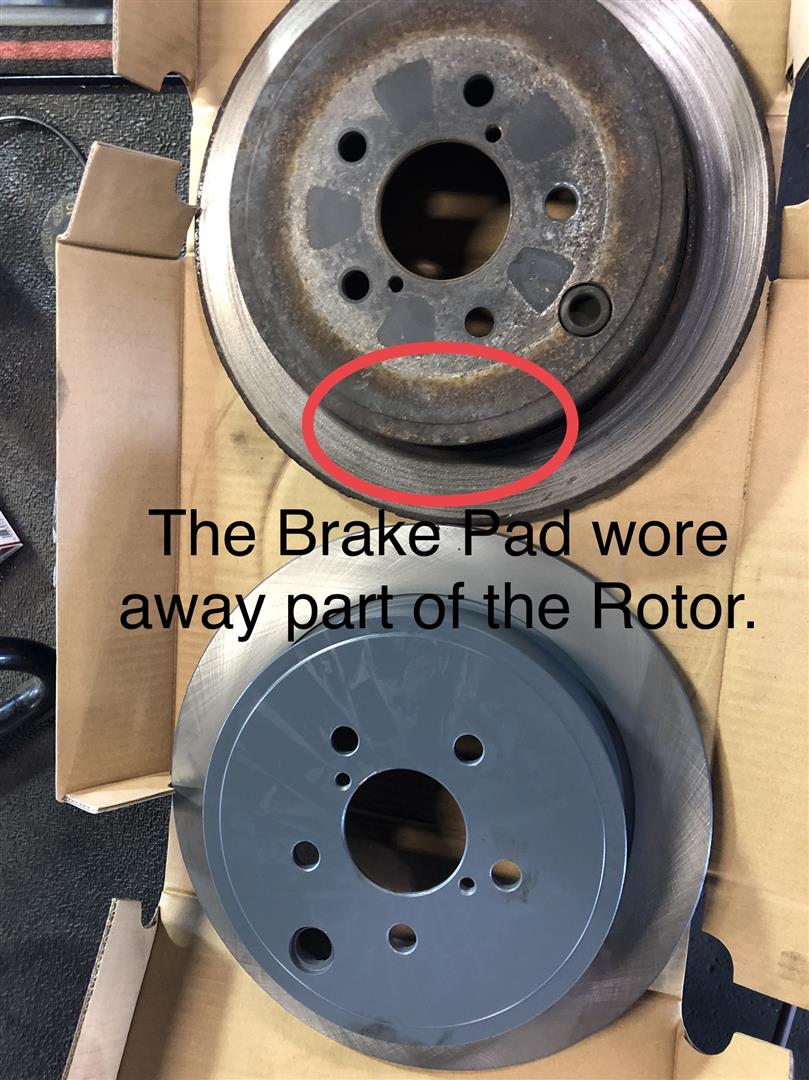
Listen for squealing or grinding noises when braking. Feel for vibrations or pulsing in the brake pedal. Check for visible grooves, cracks, or rust on the rotor surface. Notice if your car pulls to one side while braking. If braking feels weak or uneven, rotors may be worn out. Thin rotors can cause brake fade and reduce safety.
Benefits Of New Rotors
New rotors improve stopping power and brake smoothness. They reduce noise and vibration during braking. Fresh rotors help your brake pads last longer. Better heat dissipation prevents brake fade on long drives. Replacing rotors keeps your car handling safely and reliably. Enjoy a smoother, quieter ride with new brake rotors.
Credit: www.reddit.com
Preventing Rotor Damage
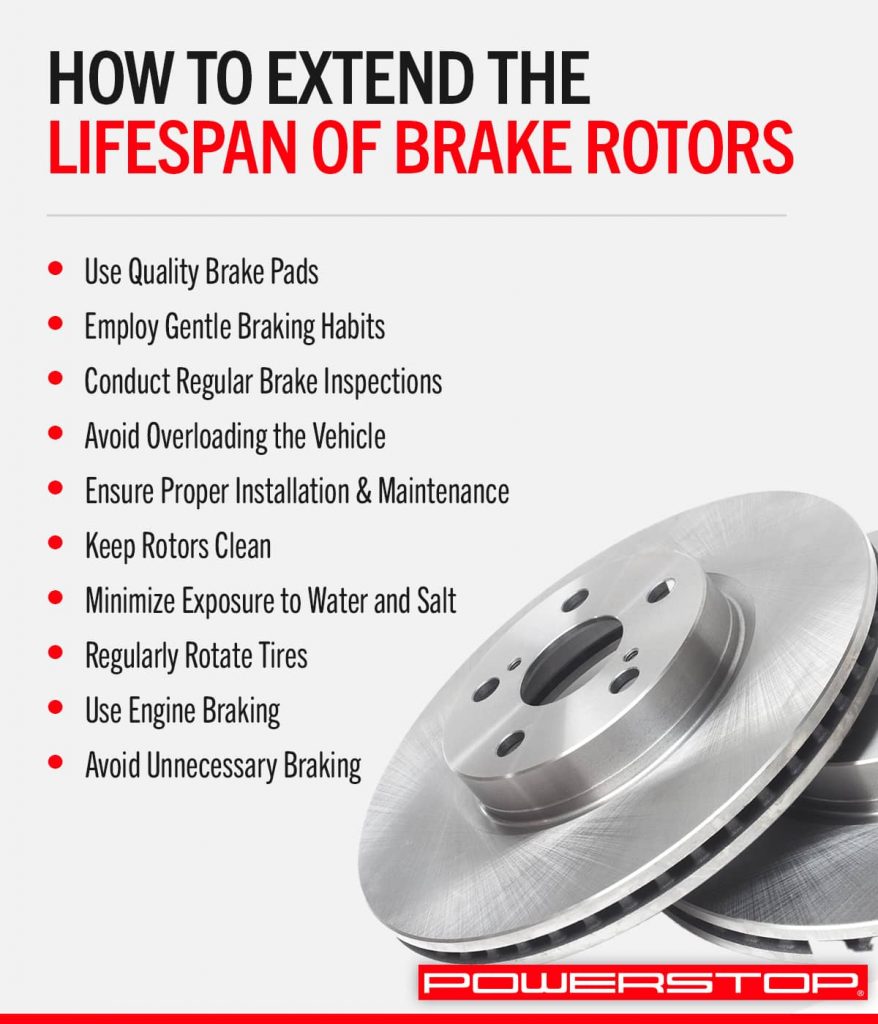
Preventing rotor damage saves money and keeps your brakes working well. Rotors wear out faster with wrong use or poor care. Simple steps help protect them and keep your car safe. Follow easy tips to avoid costly repairs and extend rotor life.
Proper Brake Usage Tips
Press the brake pedal smoothly and gently. Avoid sudden, hard stops unless needed. Let your car slow down by easing off the gas first. Keep a safe distance from other cars to reduce frequent braking. Do not ride the brakes downhill. This causes heat and wears rotors fast.
Regular Maintenance Practices
Check brake pads regularly and replace them when thin. Worn pads damage rotors quickly. Have a mechanic inspect your brakes every 12,000 miles or once a year. Clean brake parts to remove dust and dirt. Keep brake fluid fresh and at the right level. Proper maintenance helps rotors last longer and work better.
Credit: www.ricksautoservice.org
Frequently Asked Questions
How Do I Know If Brake Rotors Are Worn Out?
You may notice vibrations or pulsations when braking. Also, look for visible grooves or cracks on the rotor surface. Uneven brake pad wear can be a sign too. If these symptoms appear, have a mechanic inspect your brake rotors promptly.
What Causes Brake Rotors To Become Bad?
Brake rotors wear out due to heat, friction, and age. Frequent hard braking or riding the brakes accelerates wear. Rust and corrosion can also damage rotors. Neglecting regular maintenance increases the risk of rotor failure.
Can Bad Brake Rotors Affect Vehicle Safety?
Yes, bad brake rotors reduce braking efficiency. This increases stopping distance and may cause brake noise or vibrations. Poor braking performance can lead to accidents. Timely rotor inspection and replacement are crucial for safe driving.
How Often Should Brake Rotors Be Replaced?
Brake rotor replacement varies by driving habits and conditions. Typically, rotors last between 30,000 to 70,000 miles. Regular inspections help determine wear. If rotors are below minimum thickness or damaged, replace them immediately.
Conclusion
Bad brake rotors can cause noise, vibration, and poor braking. Check them regularly for grooves, warping, or cracks. Worn rotors reduce safety and increase stopping distance. Replace rotors if you notice any signs of damage. Proper brake care keeps your car safe and smooth.
Don’t ignore strange sounds or feelings when braking. Stay alert to protect yourself and others on the road. Regular checks save money and avoid bigger problems later. Trust your senses and act quickly for safe driving.


