

You just got new brakes and rotors for your car, and now you want to make sure they last long and work perfectly. But do you know the right way to break them in?
Skipping this important step can lead to uneven wear, noise, and even unsafe driving conditions. You’ll discover simple, effective steps to properly break in your new brakes and rotors. Follow these tips, and you’ll enjoy smoother stops, better performance, and peace of mind every time you hit the road.
Keep reading to learn exactly what you need to do.
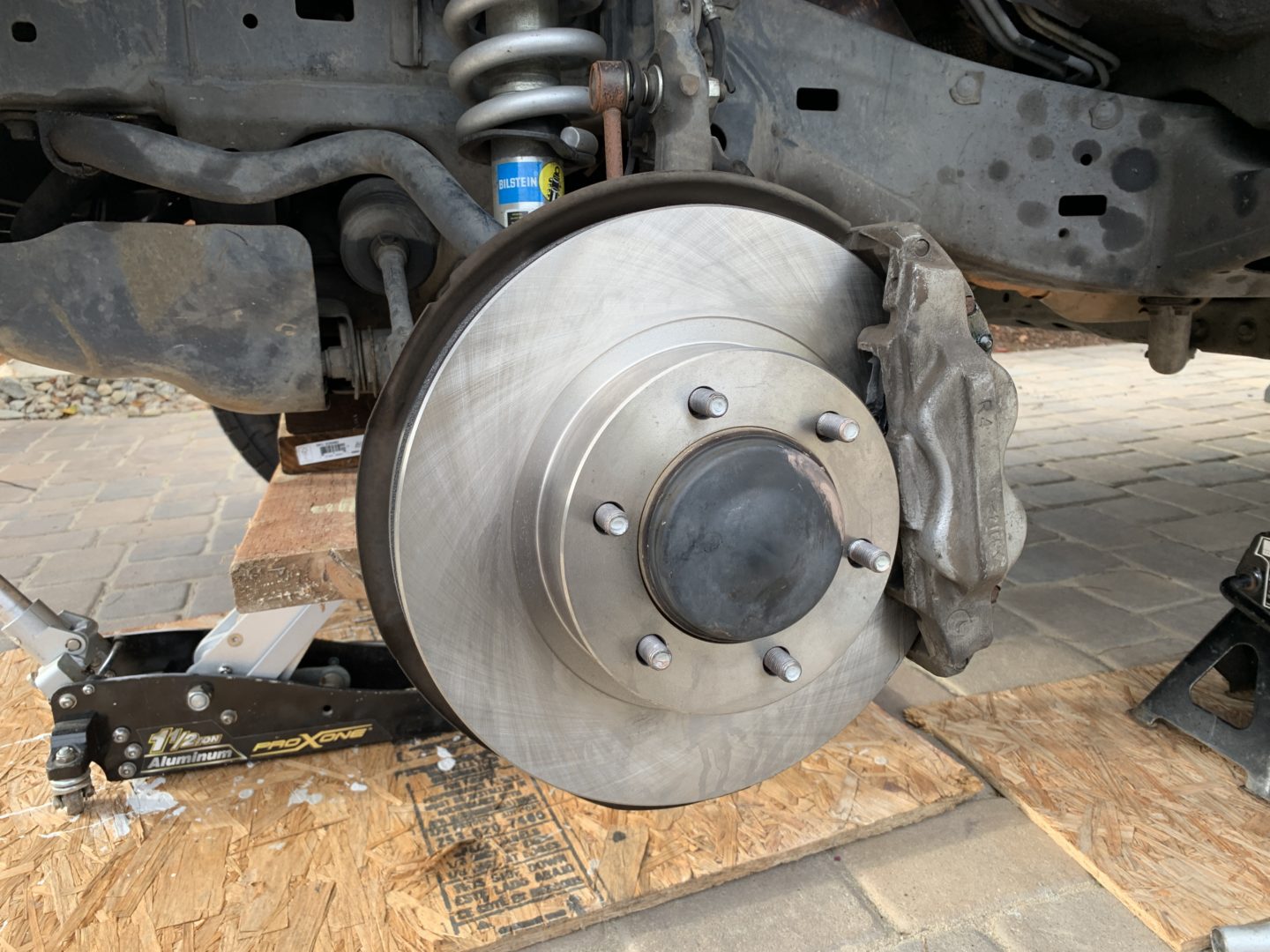
Credit: thetrackahead.com
Why Break-in Matters
Breaking in new brakes and rotors is an important step. It helps the parts work better and last longer. Skipping this process can cause poor stopping power and quick wear. The break-in lets the brake pads and rotors adjust to each other. This creates a smooth surface and better grip. Let’s explore why this matters for your vehicle.
Impact On Brake Performance
New brakes need time to settle. The break-in process builds a strong bond between pads and rotors. This improves how the brakes stop your car. Proper break-in reduces noise and vibrations. It also prevents uneven braking. You get smooth and reliable brake response every time.
Longevity Of Brake Components
Breaking in brakes protects your investment. The process stops early wear and damage. It helps avoid warping or cracking of rotors. Pads wear evenly and last longer. Well-broken-in brakes save money on repairs and replacements. Your brakes stay safe and effective for more miles.
Preparing For Break-in
Preparing for the break-in of new brakes and rotors is an important step. It helps the parts work well and last longer. Proper preparation ensures safety and smooth braking performance. Follow these simple steps before starting the break-in process.
Cleaning New Parts
New brakes and rotors often have a protective coating. This coating prevents rust during storage and shipping. Cleaning removes this layer and any dirt or oil. Use brake cleaner spray for best results. Spray the parts and wipe them with a clean cloth. Make sure all surfaces are dry before installation. Clean parts help the brakes grip better and prevent noise.
Checking Installation
Check the installation carefully before driving. Tighten all bolts to the right torque. Loose parts can cause damage or accidents. Ensure the brake pads sit correctly on the rotors. Look for any signs of rubbing or misalignment. Check the brake fluid level and top it up if needed. Proper installation is key to a safe and effective break-in.
Step-by-step Break-in Process
Breaking in new brakes and rotors is important for safety and performance. The process helps parts fit together well. It also prevents damage and extends the life of your brakes. Follow these simple steps to break in your brakes correctly.
Initial Gentle Stops
Start by driving slowly in a safe area. Make 10 to 15 gentle stops from about 20 mph. Apply light pressure on the brake pedal. Avoid hard or sudden braking. This helps the brake pads and rotors adjust to each other.
Gradual Increase In Braking
Next, increase your speed to 30-40 mph. Make 5 to 10 stops with moderate pressure on the brakes. Do not come to a full stop during these brakes. This step builds heat evenly and prepares the brakes for normal use. It also prevents uneven wear on the rotors.
Avoiding Overheating
Let the brakes cool down after the initial stops. Avoid driving or braking hard for at least 30 minutes. Overheating can cause warping or damage. Keep an eye on your brake temperature and smell. Stop if you notice smoke or burning odors.
Common Mistakes To Avoid
Breaking in new brakes and rotors properly is key for safety and performance. Many drivers make simple errors that hurt their brakes. Avoid these mistakes to keep your braking smooth and lasting longer.
Hard Braking Too Soon
Pressing the brake pedal hard right after installation can damage parts. New brakes need gentle use to form a smooth surface. Hard stops cause uneven wear and reduce braking power.
Drive slowly and brake lightly for the first 100 miles. This helps pads and rotors wear evenly and work well together.
Ignoring Brake Noise
New brakes may make noise at first, but persistent sounds need attention. Squealing or grinding can mean parts are not installed right or are damaged.
Do not ignore strange noises. Check or get your brakes inspected soon to avoid bigger problems.
Skipping Inspection
Not checking the brakes after installation can lead to trouble. Inspect parts for proper fit and signs of damage. Loose bolts or dirty rotors affect braking.
Regular inspection ensures your brakes perform safely and last longer. Take time to review your brake system before driving far.
Signs Of Proper Break-in
Breaking in new brakes and rotors is key for safety and performance. Proper break-in ensures parts wear evenly and last longer. It also helps avoid noises and vibrations. Knowing the signs of proper break-in lets you confirm the job was done right.
Improved Brake Response
One clear sign of proper break-in is better brake response. The brakes feel sharper and react quickly to your touch. You won’t need to press the pedal hard to slow down. This means the pads and rotors are working well together. The brakes grab smoothly and stop the car efficiently.
Consistent Pedal Feel
The brake pedal should feel steady and firm after break-in. No spongy or soft spots. Each press should deliver the same resistance and stopping power. This shows the brake pads and rotors have settled correctly. Consistent pedal feel means safer driving and more control.
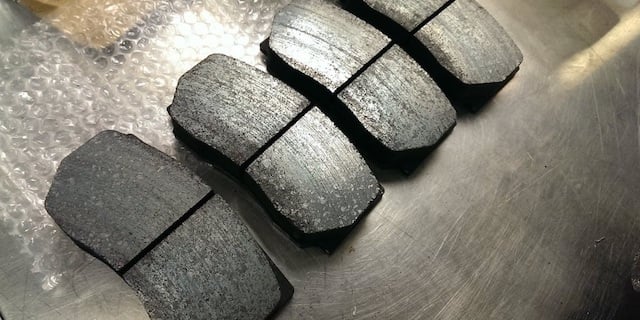
Credit: www.buybrakes.com
Maintaining Brakes Post Break-in
Maintaining brakes after breaking in new pads and rotors keeps them safe and working well. Proper care extends brake life and ensures smooth stops. Small steps help avoid costly repairs and keep driving safe.
Regular Inspections
Check brakes often to catch problems early. Look for worn pads, thin rotors, or strange noises. Inspect brake fluid levels and quality. Timely checks prevent bigger issues and keep brakes reliable.
Proper Driving Habits
Drive gently to protect brakes. Avoid hard stops and sudden braking. Slow down gradually to reduce wear. Smooth driving saves brake parts and improves safety on the road.
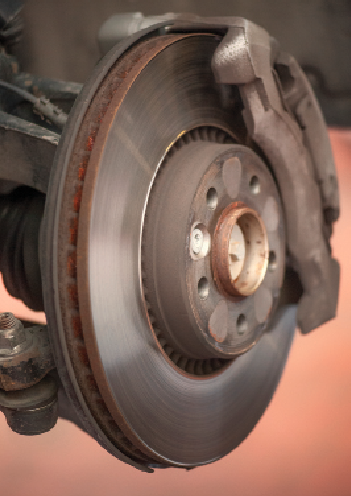
Credit: www.counterman.com
Frequently Asked Questions
How Long Does It Take To Break In New Brakes?
Breaking in new brakes usually takes about 200 to 300 miles. This allows the pads and rotors to wear evenly. Proper break-in ensures optimal braking performance and longer component life. Avoid heavy braking during this period for best results.
What Is The Correct Method To Break In New Rotors?
The correct method involves several gradual stops from moderate speeds. Start at 35-40 mph and brake to 5 mph gently. Repeat this 8-10 times to heat up the rotors evenly. This helps prevent warping and improves braking efficiency.
Why Is Breaking In New Brakes Important?
Breaking in new brakes ensures even pad and rotor wear. It enhances braking power and prevents noises or vibrations. Proper break-in extends the lifespan of brake components and improves safety. Skipping this step can lead to premature damage.
Can I Drive Normally After Installing New Brakes?
Avoid hard stops and high speeds initially. Drive gently for the first 200-300 miles. This gradual break-in process helps pads and rotors bed in properly. Normal driving after break-in is safe and improves brake performance.
Conclusion
Breaking in new brakes and rotors is key for safe driving. Take your time and follow the steps carefully. This process helps your brakes last longer and work better. Avoid hard stops during the break-in period. Listen for any unusual sounds and check your brake feel often.
Proper break-in keeps you and others safe on the road. Remember, patience now saves you from problems later. Keep your vehicle in good shape with simple care. Safe driving starts with good brakes.


