

Have you ever wondered how often your fuel filter needs to be changed? You might not think about it often, but your fuel filter plays a crucial role in keeping your engine running smoothly.
Ignoring it can lead to poor performance, costly repairs, or even a breakdown. You’ll discover the simple signs that show when it’s time for a change and why sticking to the right schedule can save you money and stress. Keep reading to find out how to protect your vehicle and avoid unexpected problems on the road.
Role Of A Fuel Filter
The fuel filter plays a vital role in your vehicle’s fuel system. It cleans the fuel before it reaches the engine. This helps keep the engine safe and working well. Without a clean fuel filter, dirt and debris can cause serious problems.
Fuel Filter Function
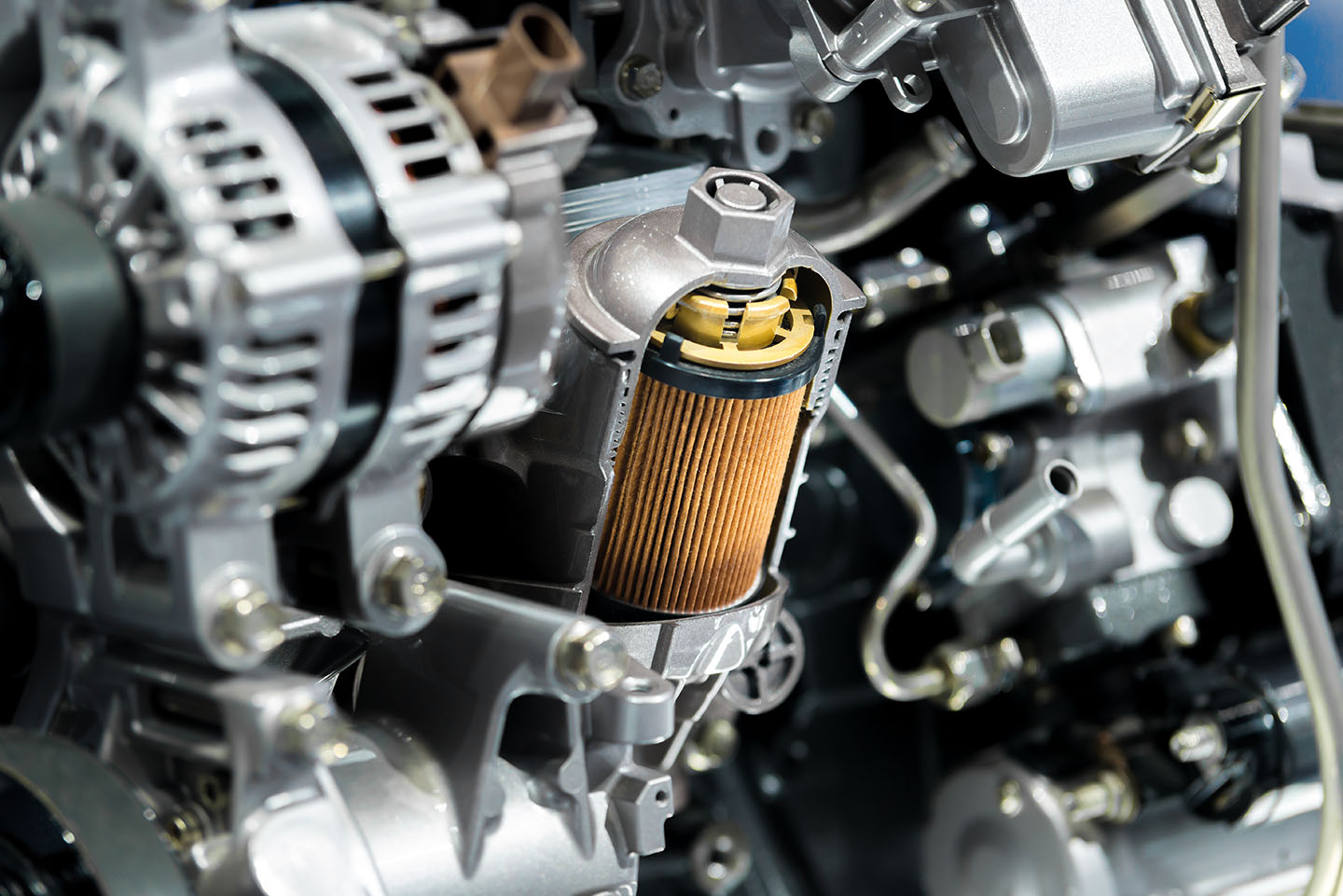
The fuel filter catches dirt, rust, and other particles in fuel. It stops these impurities from reaching the engine. Clean fuel means better combustion and less wear on engine parts. The filter ensures only clean fuel flows to the engine’s injectors and cylinders.
Impact On Engine Performance
A clogged fuel filter reduces fuel flow to the engine. This causes poor engine performance and lower power. The engine may stall or hesitate during acceleration. Fuel efficiency drops, and emissions can increase. Changing the fuel filter keeps the engine running smoothly and saves fuel.
Signs Of A Clogged Fuel Filter
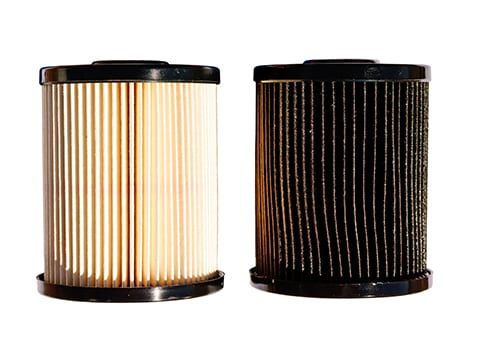
A fuel filter keeps dirt and debris out of your engine’s fuel system. Over time, it can get clogged. A clogged fuel filter stops fuel from flowing properly. This causes several problems with your vehicle’s performance. Recognizing these signs early helps avoid costly repairs.
Watch for changes in how your car runs. These signals point to a blocked fuel filter. Acting fast can save your engine and improve driving safety.
Engine Hesitation
The engine may hesitate or stumble during acceleration. This happens because the engine is not getting enough fuel. A clogged fuel filter restricts fuel flow. You feel a delay or loss of power when pressing the gas pedal. Driving becomes less smooth and less responsive.
Reduced Fuel Efficiency
Your car uses more fuel than usual. A dirty fuel filter forces the engine to work harder. This leads to poor fuel economy. You may notice more frequent visits to the gas station. Keeping the fuel filter clean helps maintain good mileage.
Starting Problems
The engine may take longer to start or fail to start. A blocked fuel filter limits fuel supply to the engine. This causes weak or no ignition. You might hear the engine crank but not catch. Replacing the fuel filter can restore normal starting.
Recommended Replacement Intervals
Knowing when to change your fuel filter keeps your engine running well. Fuel filters catch dirt and rust that can harm the engine. Replacing the filter on time avoids poor performance and costly repairs. Recommended replacement intervals come from different sources. These help you decide the best time to change your fuel filter.
Manufacturer Guidelines
Car makers give clear advice on fuel filter changes. Check your owner’s manual for exact instructions. Following these guidelines keeps your warranty valid. The manual lists the right time or mileage to replace the filter. Different car models need different care. Sticking to these rules helps your car last longer.
Mileage-based Recommendations
Many experts suggest changing fuel filters by mileage. Usually, this is every 20,000 to 40,000 miles. Dirt builds up as you drive more miles. Changing the filter at these intervals prevents clogging. If you drive on dusty roads, change the filter more often. Watching your miles helps keep the fuel system clean.
Time-based Recommendations
Time also matters for fuel filter replacement. Even if you drive less, filters get old and less effective. Most car makers suggest changing the filter every one to two years. Moisture and rust can form inside the filter over time. Replacing it regularly protects your engine from damage. Check your car’s manual for the best time schedule.
Factors Affecting Replacement Frequency
The frequency of changing a fuel filter varies. Several factors influence how often this maintenance is needed. Understanding these can help keep your vehicle running smoothly. Below are key elements that affect the replacement schedule of fuel filters.
Driving Conditions
Driving in dusty or dirty environments clogs the fuel filter faster. City traffic with frequent stops and starts can cause more strain on the fuel system. Long highway drives usually cause less wear on the filter. Rough roads with vibrations may also affect the filter’s lifespan.
Fuel Quality
Low-quality or contaminated fuel contains more dirt and debris. This dirt blocks the fuel filter quicker than clean fuel. Using fuel from unreliable sources risks clogging the filter early. High-quality fuel helps keep the filter clean longer.
Vehicle Type
Different vehicles have different fuel system designs. Diesel engines often need more frequent filter changes than gasoline engines. Older cars may require more regular replacements due to wear. Newer models might have advanced filters that last longer.
Diy Vs Professional Replacement
Changing a fuel filter is important for your vehicle’s health. You can replace it yourself or hire a professional. Each choice has benefits and risks. Understanding these helps you decide the best option for you.
Tools Required
For a DIY replacement, gather some basic tools. You need a wrench, screwdrivers, and a new fuel filter. Also, have safety gloves and eye protection ready. A container to catch fuel spills is helpful too.
Step-by-step Replacement
First, relieve fuel system pressure by loosening the fuel cap. Then, disconnect the battery to prevent sparks. Locate the fuel filter, usually near the fuel tank or engine. Use the wrench to loosen the filter clamps. Remove the old filter carefully to avoid fuel spills. Install the new filter in the same direction as the old one. Tighten clamps securely. Reconnect the battery and check for leaks by starting the engine.
When To Seek Professional Help
Choose a professional if your vehicle has a complex fuel system. Also, call a mechanic if you lack proper tools or safety gear. If fuel leaks or engine trouble occur, do not wait. Professionals ensure the job is safe and done right. Avoid risks of fire or damage with expert help.
Credit: www.waynesautocenter.com
Consequences Of Neglecting Fuel Filter Changes
Neglecting to change the fuel filter can cause serious problems for your vehicle. Dirt and debris build up in the filter, blocking fuel flow. This makes the engine work harder and can damage parts. The longer you wait, the bigger the issues become. Here are some key consequences of ignoring fuel filter changes.
Engine Damage
A clogged fuel filter restricts fuel supply to the engine. This causes the engine to run lean, meaning it gets less fuel than needed. Running lean can overheat engine parts and cause damage. Poor fuel flow also leads to misfires and rough idling. These problems reduce engine life and performance.
Fuel System Issues
A dirty fuel filter stresses the entire fuel system. Fuel pumps must work harder to push fuel through a blocked filter. This extra work wears out the pump faster. Injectors can also get clogged from dirty fuel. These issues cause poor acceleration and engine stalling.
Increased Repair Costs
Ignoring fuel filter changes may lead to costly repairs. Repairing or replacing damaged engine parts costs much more than a simple filter change. Fuel system repairs also add up over time. Regular filter maintenance helps avoid these high expenses.
Tips For Maintaining Fuel System Health
Keeping your fuel system healthy helps your engine run better. It also saves money on repairs and fuel. Simple habits protect the fuel filter and other parts. These tips will help you maintain the fuel system well.
Using Quality Fuel
Good fuel keeps dirt and water out of the system. Cheap or bad fuel can clog the filter fast. Always choose fuel from trusted stations. Clean fuel helps the engine perform at its best.
Regular Maintenance Checks
Check the fuel filter and system often. Look for signs like engine misfires or slow starts. Replace the fuel filter as the car manual says. Regular checks stop small problems from growing big.
Fuel Additives
Fuel additives clean fuel injectors and reduce deposits. They also protect the fuel system from rust and corrosion. Use additives made for your vehicle type. Follow instructions to avoid damage or waste.
Credit: bostechauto.com

Credit: kbmotorsports.biz
Frequently Asked Questions
How Often Should A Fuel Filter Be Replaced?
Fuel filters typically need replacement every 20,000 to 40,000 miles. However, consult your vehicle’s manual for specific intervals. Regular changes ensure clean fuel flow and engine efficiency, preventing damage and costly repairs.
What Are Signs Of A Clogged Fuel Filter?
Common signs include engine misfires, reduced power, poor acceleration, and difficulty starting. A clogged filter restricts fuel flow, causing these issues. Timely replacement restores performance and prevents engine damage.
Can A Dirty Fuel Filter Affect Fuel Efficiency?
Yes, a dirty fuel filter reduces fuel flow, making the engine work harder. This leads to decreased fuel efficiency and increased fuel consumption. Regular filter changes help maintain optimal mileage and engine health.
Is Fuel Filter Replacement Necessary For All Vehicles?
Most vehicles require fuel filter replacement, but intervals vary by model. Some modern cars have lifetime filters. Always check your owner’s manual or consult a mechanic to ensure proper maintenance.
Conclusion
Changing your fuel filter regularly keeps your engine running well. Most cars need a new filter every 20,000 to 40,000 miles. Dirt and debris can block the filter, causing poor performance. A clean filter helps fuel flow smoothly and saves money on repairs.
Check your vehicle’s manual for exact timing. Don’t wait until problems start. Staying on schedule protects your car and improves fuel efficiency. Simple steps like this keep your ride smooth and reliable.


