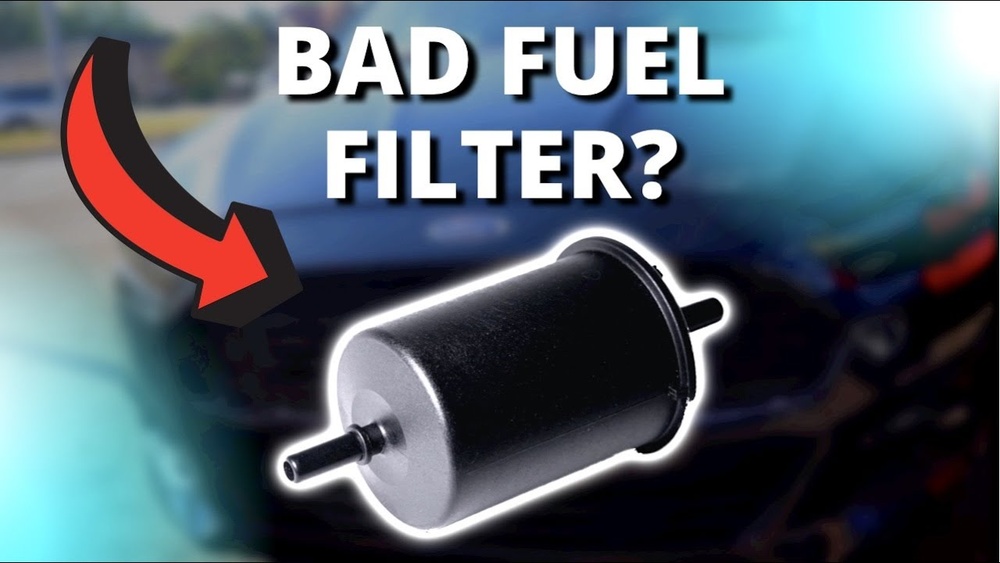
Have you noticed your car acting up lately? Maybe it’s struggling to start, or the engine feels weaker than usual.
These could be signs that your fuel filter is bad. But how do you know for sure? Your fuel filter plays a crucial role in keeping your engine clean and running smoothly. Ignoring a clogged or damaged filter can lead to bigger, more expensive problems down the road.
Keep reading to learn the clear signs your fuel filter needs attention and what you can do to fix it before it affects your car’s performance.
Fuel Filter Basics
The fuel filter is a small but very important part of your vehicle. It keeps the fuel clean by catching dirt and particles. Clean fuel helps the engine run smoothly and saves money on repairs.
Knowing the basics of fuel filters helps you spot problems early. This guide explains the role of fuel filters and the common types found in cars.
Role In Your Vehicle
The fuel filter stops dirt, rust, and debris from reaching the engine. Dirty fuel can cause engine trouble and poor performance. The filter protects fuel injectors and other parts from damage. It helps the engine burn fuel efficiently and reduces emissions. A bad fuel filter can cause stalling, rough idling, and poor acceleration.
Common Fuel Filter Types
Fuel filters come in different shapes and sizes. The most common types are inline filters and cartridge filters. Inline filters are placed along the fuel line. They are easy to replace and found in many cars. Cartridge filters are inside a housing near the engine or fuel tank. They require special tools to change but last longer. Some cars use fuel filters built into the fuel pump. Knowing your filter type helps with maintenance and replacement.
Signs Of A Failing Fuel Filter
Knowing the signs of a failing fuel filter helps protect your engine. A bad fuel filter stops fuel from flowing well. This can cause many car troubles. Watch for these common signs to catch the problem early.
Engine Performance Issues
The engine may run rough or lose power suddenly. You might notice slow acceleration or poor fuel efficiency. These happen because the filter blocks fuel flow. The engine does not get enough fuel to work well.
Starting Difficulties
Your car may take longer to start than usual. Sometimes, it might not start at all. This happens when the fuel filter is clogged. Fuel cannot reach the engine easily, causing hard starts.
Stalling And Hesitation
The engine might stall or hesitate during driving. This occurs especially when you speed up or go uphill. A bad fuel filter restricts fuel flow, causing the engine to struggle.
Unusual Noises
You may hear strange sounds from the engine area. These noises can be sputtering or coughing sounds. They show the engine is not getting steady fuel supply.
Fuel Odor Detection
Sometimes, you can smell fuel inside or near your car. This could mean fuel leaks caused by a damaged filter. Fuel smells are a warning sign to check the fuel system quickly.
Impact On Fuel Efficiency
A dirty fuel filter slows fuel flow and makes your engine work harder. This can lower gas mileage and waste fuel. Watch for signs like poor acceleration or engine stalling.
Reduced Mileage Due To Clogged Fuel Filter
A dirty fuel filter blocks fuel flow to the engine. This makes the engine work harder. It burns more fuel to maintain power. The result is lower miles per gallon. You spend more on fuel than usual. This drop in fuel efficiency is a clear sign of a bad fuel filter.
Engine Struggles Affect Fuel Use
When the fuel filter is bad, the engine may hesitate or stall. It does not get enough fuel. The car’s fuel system tries to compensate. This causes uneven fuel delivery. Irregular fuel flow wastes fuel and lowers efficiency. Noticeable engine problems often link to fuel filter issues.
Signs In Fuel Consumption Patterns
Sudden changes in fuel consumption hint at filter problems. You might see a fast drop in gas mileage. The car might need more frequent refueling. These changes happen without other obvious reasons. Tracking fuel use helps detect a failing fuel filter early.
Visual Inspection Tips
Visual inspection is a simple way to check your fuel filter’s condition. It helps find problems early. You do not need special tools for this. A careful look can save you from costly repairs and keep your car running smoothly. Follow these tips to inspect your fuel filter.
Locating The Fuel Filter
The fuel filter is usually near the fuel tank or engine. It looks like a small cylinder or canister. Check your car manual for the exact place. Some cars have the fuel filter inside the engine bay. Others hide it under the vehicle along the fuel line. Make sure the engine is off and cool before you start.
Checking For Contaminants
Look at the fuel filter’s surface for dirt or rust. Clear fuel filters may show dark particles inside. This means dirt is trapped. A dirty filter blocks fuel flow and lowers engine power. If the filter looks very dirty or clogged, it needs replacement. Do not try to clean it yourself. Replace it for better performance.
Signs Of Physical Damage
Check the fuel filter for cracks or dents. Damage can cause fuel leaks or air to enter. Look for wet spots or fuel smell near the filter. Rust or corrosion weakens the filter body. These signs mean the filter is bad. A damaged filter can cause engine problems and poor fuel efficiency.
When To Replace The Fuel Filter
Knowing when to replace the fuel filter is important for your vehicle’s health. A clean fuel filter keeps dirt and debris out of the engine. Over time, the filter can get clogged, causing problems. Replacing the filter on time helps the engine run smoothly and saves money on repairs.
Manufacturer Recommendations
Car makers give specific advice on fuel filter replacement. Check your owner’s manual for exact details. Follow these guidelines closely. They are based on tests and real use. Ignoring them can lead to poor car performance.
Mileage Guidelines
Many experts suggest changing the fuel filter every 20,000 to 40,000 miles. This range varies by car type and driving conditions. Driving on dusty roads may require earlier changes. Keeping track of your mileage helps you stay on schedule.
Symptoms Vs. Scheduled Maintenance
Sometimes, signs show the filter is bad before the schedule. Look for slow engine start or loss of power. Rough idling or stalling can also be clues. Don’t wait for a breakdown. Replace the filter if you notice these symptoms.

Credit: www.youtube.com
Fuel Filter Replacement Process
Replacing a fuel filter helps keep your engine running smoothly. It stops dirt and rust from reaching the fuel system. A clean fuel filter improves fuel flow and engine performance.
The replacement process is simple. It requires some basic tools and careful steps. Follow the instructions below to change your fuel filter safely.
Tools Needed
- New fuel filter compatible with your vehicle
- Wrenches or socket set
- Screwdrivers
- Fuel line disconnect tool (if required)
- Drain pan to catch fuel
- Safety gloves and goggles
- Rags or paper towels
Step-by-step Replacement
- Turn off the engine and let it cool down.
- Relieve fuel system pressure by following vehicle instructions.
- Locate the fuel filter, usually near the fuel tank or engine.
- Place a drain pan under the filter to catch any fuel.
- Remove the clamps or bolts holding the filter.
- Disconnect the fuel lines carefully to avoid spills.
- Take out the old fuel filter.
- Install the new filter in the correct direction.
- Reconnect fuel lines and tighten clamps or bolts.
- Check for leaks by starting the engine briefly.
- Dispose of the old filter and fuel safely.
Safety Precautions
- Work in a well-ventilated area to avoid fumes.
- Wear gloves and goggles to protect skin and eyes.
- Avoid open flames or sparks near fuel.
- Keep a fire extinguisher nearby just in case.
- Clean up any fuel spills immediately.
- Follow your vehicle’s manual for specific instructions.
Preventing Fuel Filter Problems
Preventing fuel filter problems is easier than fixing them later. A clean fuel filter helps your engine run smoothly. It stops dirt and rust from clogging fuel lines. Taking steps to protect the filter saves time and money. It also keeps your car reliable and efficient.
Using Quality Fuel
Good fuel means a healthy filter. Cheap or low-grade fuel can contain more dirt and water. These impurities clog the filter faster. Always choose fuel from trusted gas stations. Clean fuel reduces the chance of filter damage. It helps your engine get the right fuel flow.
Regular Maintenance Checks
Check your fuel filter on a set schedule. Follow the car maker’s advice for changing it. Look for signs like engine sputtering or hard starts. Regular checks catch problems early. Changing the filter before it clogs protects your engine. Keep records to remember when to inspect or replace it.
Avoiding Contaminated Fuel Sources
Fuel from dirty tanks or old containers harms the filter. Avoid filling up at places with poor fuel storage. Be careful with fuel bought in cans or from unknown sources. Contaminated fuel brings dirt and water that block the filter. Use clean fuel to keep your filter working well longer.

Credit: oilchangers.com
Credit: www.jiffylube.com
Frequently Asked Questions
What Are Common Signs Of A Bad Fuel Filter?
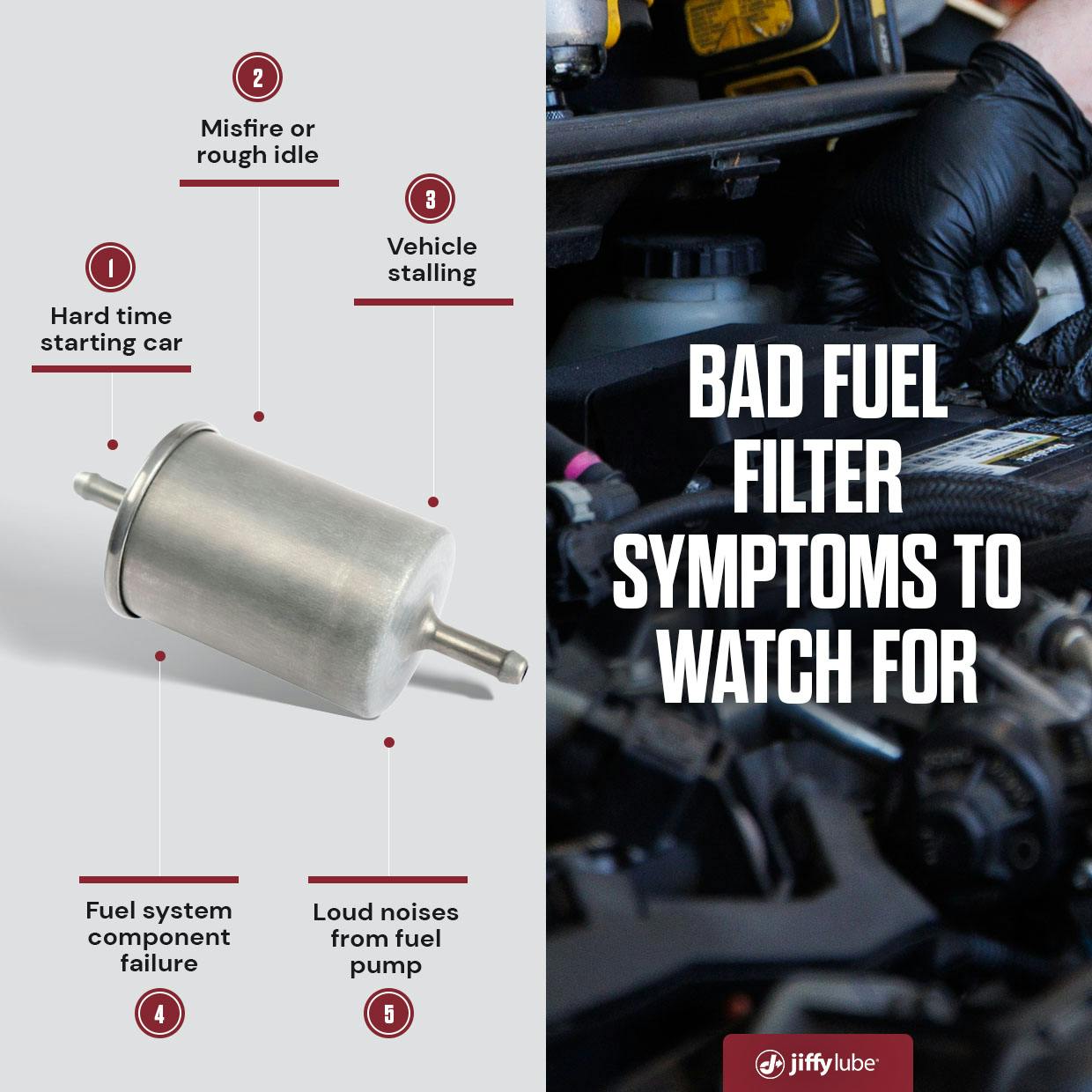
A bad fuel filter causes engine misfires, hesitation, and poor acceleration. You may notice rough idling and stalling. Reduced fuel efficiency is also common. These symptoms indicate restricted fuel flow due to clogging or damage in the filter.
How Often Should You Replace The Fuel Filter?
Most manufacturers recommend replacing the fuel filter every 20,000 to 40,000 miles. However, check your vehicle’s manual for specific intervals. Frequent driving in dusty conditions may require more frequent changes. Regular replacement ensures optimal engine performance and fuel system health.
Can A Bad Fuel Filter Cause Engine Starting Problems?
Yes, a clogged fuel filter can prevent fuel from reaching the engine. This leads to difficulty starting or no start at all. Fuel starvation causes the engine to crank without firing. Prompt filter replacement often resolves this issue.
How To Test If Your Fuel Filter Is Clogged?
You can test fuel flow pressure with a gauge at the fuel rail. Low or inconsistent pressure suggests a clogged filter. Also, listen for sputtering or hesitation during acceleration. These signs often indicate the need to inspect and replace the fuel filter.
Conclusion
A bad fuel filter can cause many car problems. Signs like rough idling, slow acceleration, and poor fuel efficiency matter. Regular checks help you avoid costly repairs. Clean fuel keeps the engine running smooth and strong. Don’t wait for serious issues to start.
Pay attention to your car’s performance and noises. Changing the fuel filter on time saves money and stress. Keep your vehicle healthy and enjoy a safe drive every day. Simple steps protect your car’s heart—its engine.