

If your diesel engine is acting up or losing power, the fuel filter might be the culprit. Changing your diesel fuel filter is easier than you think, and doing it yourself can save you time and money.
You’ll learn step-by-step how to change your diesel fuel filter quickly and safely. By the end, you’ll have the confidence to keep your engine running smoothly and avoid costly repairs. Ready to take control of your vehicle’s health? Let’s dive in.

Credit: www.youtube.com
Signs Of A Clogged Diesel Fuel Filter
A diesel fuel filter keeps dirt and debris out of the engine. Over time, this filter can get clogged. A clogged fuel filter stops fuel from flowing properly. This causes several noticeable problems in your vehicle. Watch for these signs to know when it’s time to change the filter.
Reduced Engine Power
The engine may feel weak or slow. The vehicle struggles to speed up. Climbing hills becomes harder than usual. This happens because the fuel flow is blocked. The engine does not get enough fuel to run well.
Difficulty Starting Engine
Starting the engine takes longer than usual. You may hear the engine turn but not start. The fuel filter blocks fuel from reaching the engine. This makes ignition hard and slow. Repeated attempts may be needed to start the vehicle.
Unusual Engine Noises
The engine may make strange sounds like sputtering or coughing. These noises happen because fuel flow is uneven. The engine struggles to burn fuel properly. This can cause rough running and odd sounds during driving.
Tools And Materials Needed
Changing a diesel fuel filter is a simple task with the right tools. Gather everything before you start. This saves time and avoids frustration. Below are the essential tools and materials to prepare.
Basic Hand Tools
You will need a wrench or socket set to loosen the filter. A screwdriver may be useful to remove clamps or covers. A small container helps catch any spilled diesel. Clean rags are handy for wiping spills and keeping the area tidy.
Replacement Fuel Filter
Get a new fuel filter that matches your vehicle’s model. Check the size and type carefully. Using the correct filter ensures proper fuel flow and engine protection. Avoid cheap or generic filters, as they may cause damage.
Safety Gear
Wear gloves to protect your hands from diesel fuel. Safety glasses keep your eyes safe from splashes. Work in a well-ventilated area to avoid inhaling fumes. Keep a fire extinguisher nearby, just in case.
Preparing Your Vehicle
Preparing your vehicle properly is the first step to changing the diesel fuel filter safely. This step helps avoid accidents and makes the task easier. Taking the right precautions protects both you and your vehicle.
Follow these simple steps before you start working on the fuel filter. Each step ensures your vehicle is ready and safe to handle.
Park On A Level Surface
Choose a flat and stable spot to park your vehicle. A level surface keeps the vehicle steady and prevents it from rolling. Use the parking brake to lock the wheels. This makes your work safer and more comfortable.
Allow Engine To Cool
Turn off the engine and wait at least 30 minutes. Letting the engine cool avoids burns from hot parts. It also reduces pressure in the fuel system. Cooler parts are easier to handle and safer to touch.
Relieve Fuel System Pressure
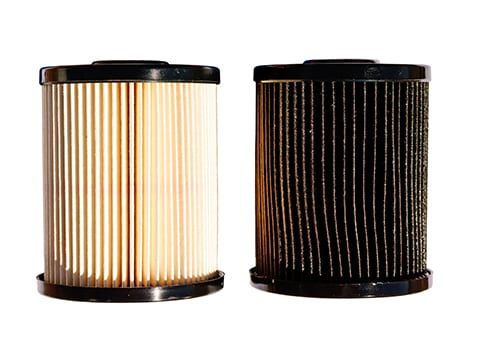
Fuel systems hold pressure that can spray fuel when opened. To avoid this, relieve the pressure first. Locate the fuel pump fuse or relay and remove it. Then, start the engine and wait for it to stop. This action releases the pressure safely.
Credit: www.waynesautocenter.com
Removing The Old Fuel Filter
Removing the old diesel fuel filter is an important step in keeping your engine running smoothly. A clean fuel filter helps the engine get the right amount of fuel without dirt or debris. This part of the process needs care and attention. Following the right steps ensures safety and prevents damage.
Locate The Fuel Filter
Start by finding the fuel filter on your vehicle. It is usually near the engine or fuel tank. Check your vehicle’s manual if unsure. The filter looks like a small cylinder or canister. Make sure the engine is off and cool before you begin.
Disconnect Fuel Lines Safely
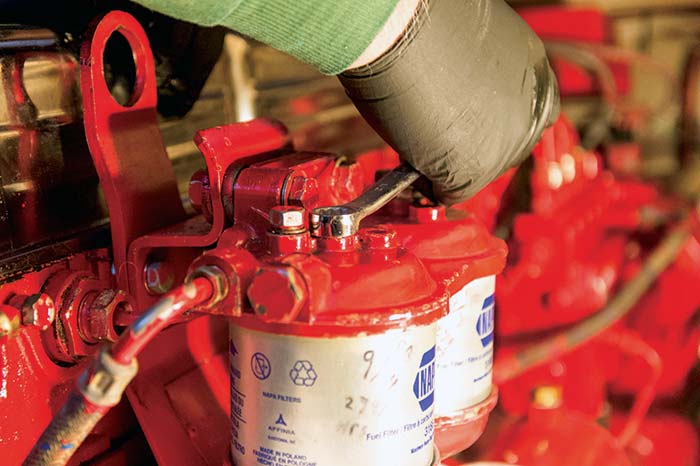
Next, disconnect the fuel lines connected to the filter. Wear gloves to protect your hands. Use a wrench or pliers if needed. Be ready for some fuel to spill out. Have a container or cloth ready to catch it. Avoid sparks or open flames nearby.
Remove The Filter
Now, remove the old fuel filter from its mount. Turn it slowly to loosen if it is tight. Keep the filter upright to avoid spilling fuel. Check the filter for dirt or damage. Dispose of it properly according to local rules.
Installing The New Fuel Filter
Installing the new diesel fuel filter is a key step in keeping your engine running well. This part cleans dirt and water from the fuel. Proper installation stops leaks and engine problems. Follow each step carefully for the best results.
Check The New Filter
Look at the new filter closely. Make sure it matches the old one in size and shape. Check for any damage or cracks. Using a damaged filter can cause engine trouble. Always use the correct filter for your diesel engine.
Attach Fuel Lines Securely
Connect the fuel lines tightly to the filter. Loose connections cause leaks and air in the fuel system. Use pliers or a wrench to tighten clamps. Be careful not to over-tighten and damage parts. Secure fuel lines keep the engine running smoothly.
Ensure Proper Orientation
Put the filter in the right direction. Most filters have arrows showing fuel flow. Follow these arrows to install correctly. Wrong direction stops fuel flow and may damage the engine. Double-check before final tightening to avoid mistakes.
Bleeding Air From The Fuel System
After changing a diesel fuel filter, air can enter the fuel system. This air causes engine problems like rough running or hard starting. Bleeding air from the system is essential to restore smooth engine performance.
Removing trapped air ensures fuel flows steadily to the engine. It also prevents damage to fuel injectors and pumps. The process is simple and requires patience to complete correctly.
Using Manual Pump
Locate the manual fuel pump near the fuel filter or fuel tank. Pump it slowly to push air out of the lines. Watch for fuel flowing steadily without bubbles. Stop pumping once you see clear fuel.
Cranking The Engine
Turn the ignition key to start without fully engaging the engine. Crank it for about 10 seconds to move fuel through the system. Repeat this step two or three times if needed. Avoid running the engine fully until air is gone.
Checking For Leaks
Inspect all fuel connections and filter seals carefully. Look for wet spots or fuel drips around joints. Tighten any loose fittings to stop leaks. Leaks allow air back into the system, causing new problems.
Post-installation Tips
After changing your diesel fuel filter, some important steps follow. These steps help keep your engine safe and working well. Taking care of the filter after installation ensures long engine life and better fuel use.
Dispose Of Old Filter Properly
Used diesel filters hold fuel and dirt. Throwing them in regular trash can harm the environment. Put the old filter in a sealed bag. Take it to a recycling center or hazardous waste site. This keeps toxins from leaking into soil and water.
Monitor Engine Performance
After installing the new filter, watch how your engine runs. Listen for strange noises or rough idling. Check for warning lights on the dashboard. Good engine performance means the filter fits and works well. If you notice issues, check the filter and connections again.
Schedule Regular Filter Changes
Diesel fuel filters need regular replacement. Follow your vehicle’s manual for change intervals. Regular changes keep dirt and water out of the engine. This prevents damage and saves money on repairs. Mark your calendar to avoid forgetting.
Credit: vesselvanguard.com
Frequently Asked Questions
How Often Should I Change A Diesel Fuel Filter?
You should change the diesel fuel filter every 10,000 to 25,000 miles. Check your vehicle manual for exact intervals. Regular changes prevent clogging and maintain engine performance.
What Tools Are Needed To Change A Diesel Fuel Filter?
Basic tools include a wrench, screwdriver, and a container for fuel. Some vehicles may require special tools. Always wear gloves and eye protection for safety.
What Are Signs Of A Clogged Diesel Fuel Filter?
Common signs include engine misfires, reduced power, rough idling, and difficulty starting. A clogged filter restricts fuel flow, causing these performance issues.
Can I Change The Diesel Fuel Filter Myself?
Yes, with basic mechanical skills and proper tools, you can change it yourself. Follow safety guidelines and vehicle-specific instructions carefully to avoid damage.
Conclusion
Changing a diesel fuel filter keeps your engine running smooth. It stops dirt and water from causing damage. Regular filter changes help avoid costly repairs later. The steps are simple and can save you money. Take your time and follow safety rules.
Clean fuel means better performance and longer engine life. Keep your vehicle healthy with this easy task. Your engine will thank you.


