

Have you ever felt a strange vibration or heard a squealing noise when you press your brakes? These could be signs that your brake rotors are warped.
But how do brake rotors become warped in the first place? Understanding this can help you protect your car, save money on repairs, and keep your drives smooth and safe. You’ll discover the common causes behind warped rotors and learn what you can do to prevent this frustrating problem from happening to your vehicle.
Keep reading to find out how to keep your braking system in top shape.

Credit: lawrencevilleautocenter.com
Signs Of Warped Brake Rotors
Warped brake rotors affect your vehicle’s safety and performance. Recognizing the signs early can prevent costly repairs. Warped rotors cause unusual sensations and noises when braking. These signs are easy to notice and should not be ignored.
Vibrations During Braking
One clear sign is a shaking or vibrating feeling in the brake pedal. The steering wheel may also shake. This happens because the warped rotor surface is uneven. The brake pads cannot grip smoothly, causing vibrations.
Squealing Or Grinding Noises
Unusual sounds during braking point to rotor problems. A high-pitched squeal or grinding noise means the rotor surface is damaged. These sounds occur as the brake pads rub against uneven spots on the rotor.
Uneven Brake Pad Wear
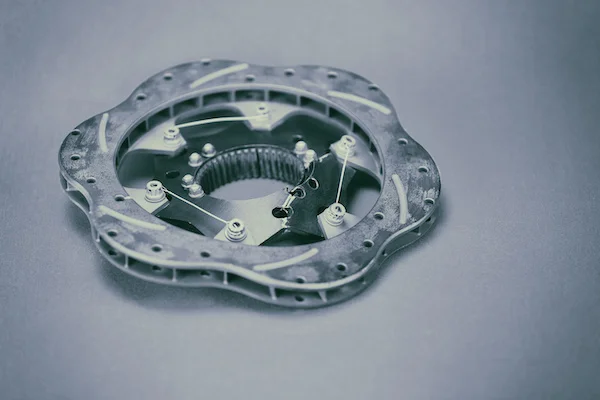
Warped rotors cause brake pads to wear unevenly. One side of the pad might wear faster than the other. This happens because the rotor does not press evenly against the pads. Uneven wear reduces braking efficiency and increases repair costs.
Credit: redrockrepairlasvegas.com
Common Causes Of Rotor Warping
Brake rotors can warp due to several common reasons. Understanding these causes helps keep your brakes working well. Warped rotors lead to shaking, noise, and poor braking. This section explains the main factors that cause rotor warping.
Excessive Heat Build-up
Rotors get very hot during braking. Too much heat causes the metal to expand unevenly. This uneven expansion changes the rotor’s shape. Heat builds up from long or hard braking, such as driving down steep hills. Cooling too fast after heating also causes warping.
Improper Installation
Incorrect rotor installation can cause warping. If rotors are not mounted tightly or evenly, they can wobble. This wobbling wears the rotor unevenly over time. Using the wrong tools or skipping steps during installation leads to problems. Proper mounting is key to avoiding damage.
Poor Quality Materials
Low-quality rotors often warp faster. Cheap metals may not handle heat well. They lose strength and shape under stress. Investing in good rotors helps prevent warping. Quality materials last longer and maintain smooth braking.
Aggressive Driving Habits
Hard braking and rapid stops increase rotor wear. Slamming brakes generates intense heat quickly. This heat causes the rotor to warp sooner. Smooth, gradual braking reduces stress on rotors. Driving calmly extends the life of your brake parts.
Effects Of Warped Rotors On Vehicle Performance
Warped brake rotors can cause serious problems for your vehicle’s performance. They affect how smoothly and safely your car stops. Small issues with rotors can lead to bigger problems in braking and vehicle control.
Warpage happens when rotors heat unevenly or wear down. This makes the rotor surface uneven. The effects show up immediately while driving and braking.
Reduced Braking Efficiency
Warped rotors reduce the contact between brake pads and rotors. This lowers the braking force your vehicle can apply. The brake pedal may feel less responsive or soft. Your car will not slow down as quickly as it should.
Increased Stopping Distance
With less braking power, your car needs more space to stop. Stopping distance increases, which can be dangerous. It becomes harder to avoid sudden obstacles or emergencies. This issue can increase the risk of accidents on the road.
Damage To Brake Pads And Calipers
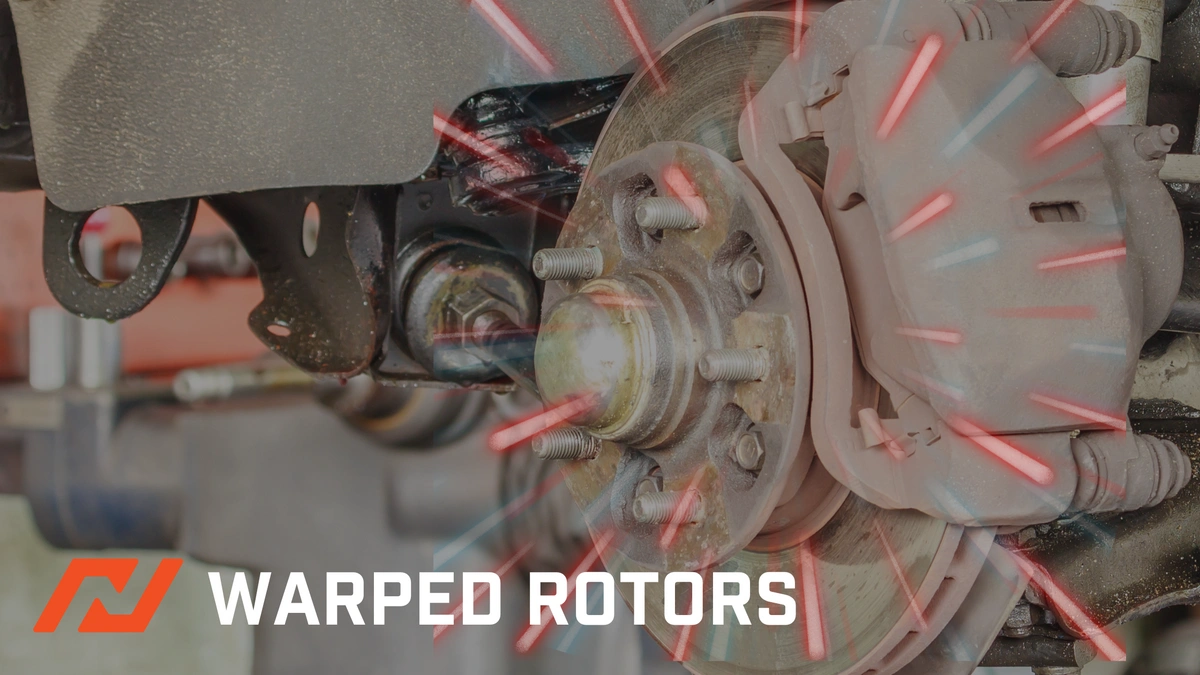
Warped rotors cause uneven pressure on brake pads. This leads to faster wear and damage to the pads. Calipers may also suffer from extra strain and wear. Repair costs rise as these parts need replacement sooner.
Credit: nubrakes.com
Preventing Rotor Warping
Preventing rotor warping is key to keeping your brakes safe and working well. Warped rotors cause vibrations and reduce stopping power. Simple steps can help avoid this problem and extend the life of your brake system.
Regular Brake Maintenance
Check your brakes often for wear and damage. Replace worn brake pads before they damage the rotors. Clean brake components to remove dust and dirt. Have a mechanic inspect your brake system yearly. Early fixes stop small issues from becoming big problems.
Proper Driving Techniques
Brake gently to avoid overheating the rotors. Avoid sudden, hard stops unless needed. Let the brakes cool after heavy use, like driving downhill. Use engine braking by shifting to a lower gear. Smooth driving protects your brake parts and keeps rotors cool.
Using Quality Brake Components
Choose brake pads made for your vehicle and driving style. Use rotors made from good materials for strength and heat resistance. Cheap parts wear out fast and can cause warping. Invest in quality components for better safety and longer brake life.
Correct Installation Procedures
Have a professional install your brake parts. Proper torque on bolts prevents uneven rotor stress. Clean mounting surfaces before fitting rotors. Follow manufacturer guidelines for installation. Correct fitting helps rotors stay flat and work well.
When To Replace Or Resurface Rotors
Knowing when to replace or resurface brake rotors helps keep your car safe. Warped rotors cause vibrations and reduce brake performance. Checking the condition of your rotors prevents bigger problems.
Assessing Rotor Thickness
Rotors wear down with use and become thinner. Each rotor has a minimum thickness set by the maker. Use a micrometer to measure the rotor thickness. If the rotor is thinner than the limit, replace it. Resurfacing thin rotors can cause overheating and warping again.
Identifying Deep Grooves Or Cracks
Look closely at the rotor surface for grooves or cracks. Deep grooves reduce braking power and cause noise. Cracks are signs of severe damage and must not be ignored. Slight surface wear can be fixed by resurfacing. Large grooves or cracks mean the rotor needs replacement.
Manufacturer Recommendations
Follow the car or rotor maker’s advice on rotor care. They give clear limits for thickness and damage. Using these guidelines helps avoid unsafe driving conditions. Some rotors cannot be resurfaced and must be replaced only. Checking the manual saves time and money.
Frequently Asked Questions
What Causes Brake Rotors To Warp?
Brake rotors warp due to excessive heat from hard braking. Uneven cooling and worn pads also contribute. This heat causes the metal to expand and contract unevenly, leading to warping over time.
How Can I Tell If Rotors Are Warped?
Warped rotors cause a vibrating or pulsating brake pedal. You might also feel shaking in the steering wheel during braking. These symptoms indicate uneven rotor surfaces affecting brake performance.
Does Overheating Damage Brake Rotors Permanently?
Yes, overheating can cause permanent damage to brake rotors. Excessive heat changes the rotor’s structure, leading to warping and cracking. Once warped, rotors usually need resurfacing or replacement for safe braking.
Can Driving Habits Affect Rotor Warping?
Yes, aggressive braking and frequent hard stops increase rotor heat and stress. Smooth, gradual braking helps prevent overheating and warping. Proper driving habits extend rotor lifespan and maintain brake efficiency.
Conclusion
Warped brake rotors cause shaking and poor braking. Heat and sudden cooling often lead to warping. Driving habits also affect rotor wear and damage. Regular checks help find problems early. Fixing warped rotors keeps your car safe. Pay attention to strange noises or vibrations.
Proper brake care saves money and stress. Stay safe by maintaining your brake system well.


