

Are you tired of struggling to clean every nook and cranny of your car? Using the right angle pressure washer can make all the difference.
But how do you know which angle is best for your vehicle? Choosing the right pressure washer angle not only saves you time but also protects your car’s paint and finish. Keep reading to discover exactly what angle will give your car a spotless shine without causing any damage.
Your car deserves the best care, and this guide will help you get it right every time.
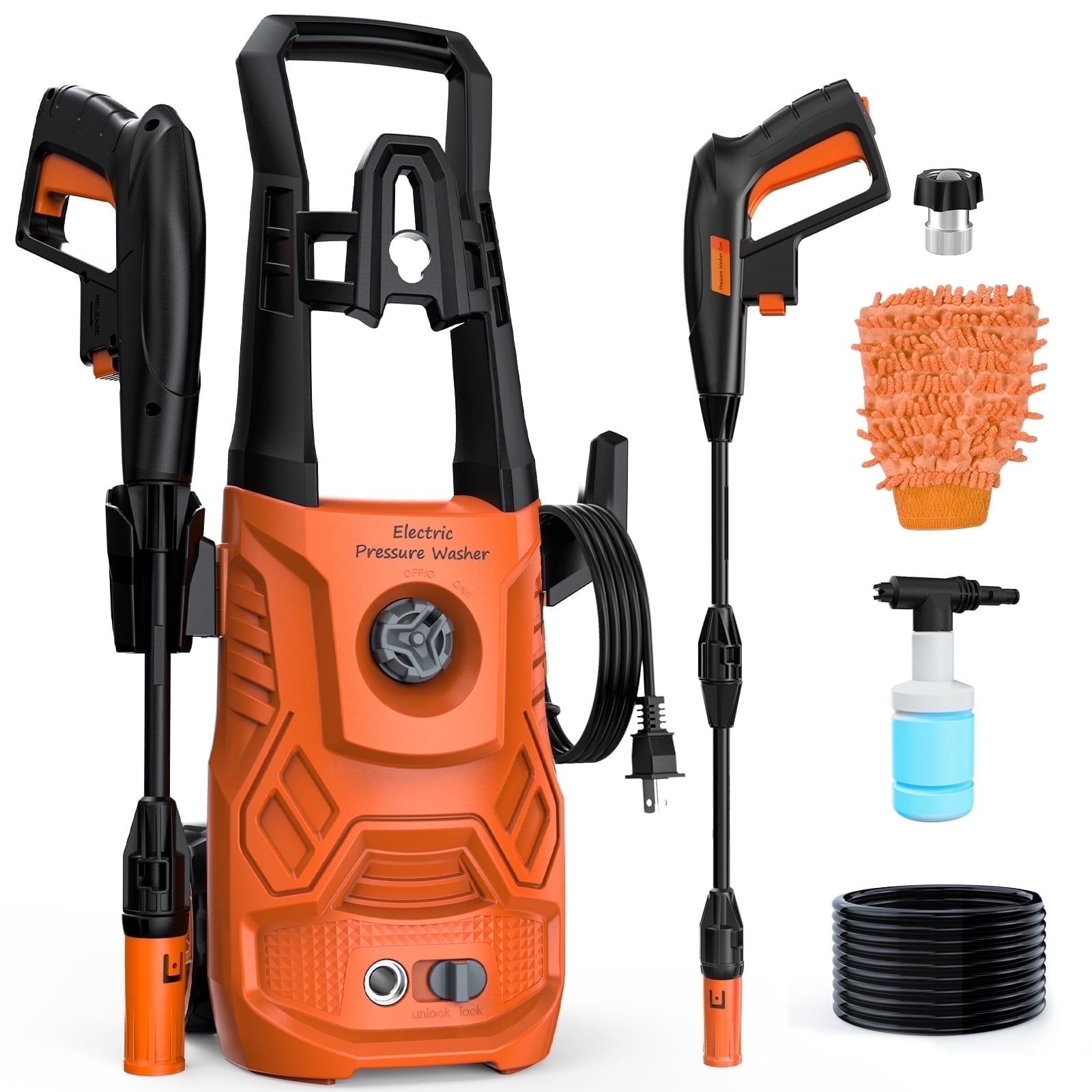
Credit: www.walmart.com
Choosing The Right Pressure Washer Angle
Choosing the right pressure washer angle is key to cleaning your car safely and effectively. The spray angle changes how strong and wide the water hits the surface. Picking the correct angle helps remove dirt without damaging the paint or parts of your car.
Common Spray Angles Explained
Pressure washers offer several spray angles like 0°, 15°, 25°, and 40°. A 0° angle gives a very narrow and strong jet. It cleans tough stains but can harm your car’s paint. A 15° spray is strong but covers a wider area. The 25° angle is gentler and good for general cleaning. A 40° spray is the widest and safest but less powerful.
Impact Of Angle On Cleaning Power
Narrow angles focus water pressure on a small spot. This increases cleaning power for stubborn grime. Wide angles spread water over a larger area. This reduces pressure, making cleaning gentler. Using too narrow an angle risks scratching or peeling paint. A wider angle cleans softly but may need more time.
Best Angles For Car Surfaces
For most car surfaces, a 25° or 40° angle works best. These angles clean well without damage. Use 15° only on tough stains and keep distance. Avoid 0° angle; it is too harsh for cars. Always test on a small area first to protect your paint.
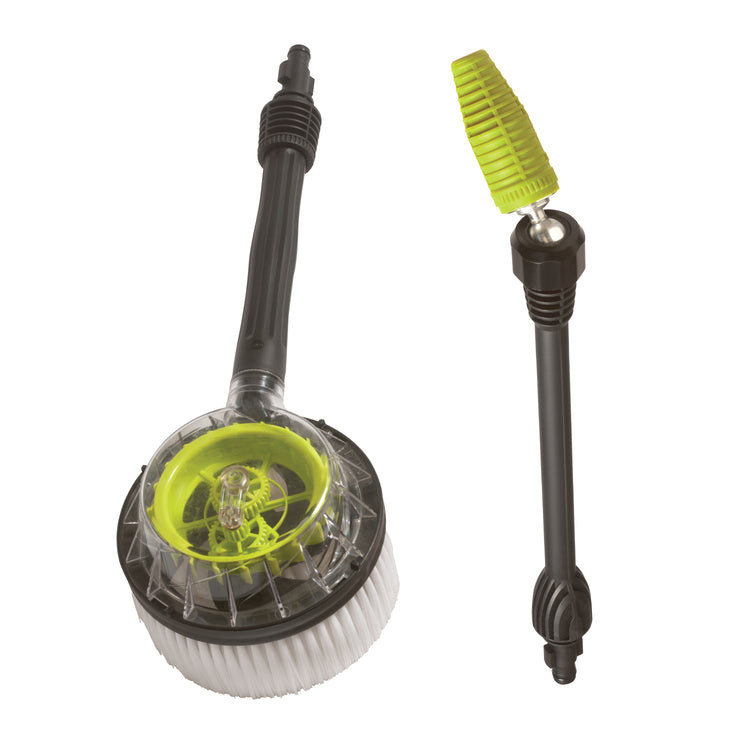
Credit: shopjoe.com
Pressure Washer Tips For Car Cleaning
Using a pressure washer for car cleaning can save time and effort. It removes dirt and grime faster than hand washing. Yet, it needs careful handling to protect your car’s surface. Follow these tips to clean your car safely and effectively with a pressure washer.
Safe Distance And Angle Practices
Keep the pressure washer nozzle at least 12 inches from your car. This distance helps avoid paint damage. Hold the nozzle at a 45-degree angle to the surface. Angling reduces the force hitting one spot. Move the spray steadily across the car’s body. Avoid staying too long in one area.
Avoiding Damage To Paint And Trim
Use a lower pressure setting for delicate parts. Avoid spraying directly on trim, decals, or seals. These areas can peel or crack under strong pressure. Test on a small hidden area first. Use a wide spray nozzle to spread the water force. This lowers the chance of chips or scratches.
Effective Techniques For Stubborn Dirt
Spray from the top down to push dirt off. For tough spots, pre-soak with soap or cleaner. Let it sit for a few minutes to loosen grime. Use short bursts of water to break dirt apart. Rinse thoroughly to remove all soap and debris. Repeat if necessary, but avoid over-spraying one area.
Types Of Nozzles And Their Uses
Pressure washers use different nozzles for various cleaning tasks on cars. Each nozzle has a specific spray angle and pressure level. Choosing the right nozzle helps clean efficiently without damaging the car’s surface. Understanding nozzle types makes washing easier and safer.
Nozzle Color Codes And Angles
Nozzles come in colors to show their spray angles. Red means 0 degrees, giving a very strong, narrow spray. Yellow is 15 degrees, good for tough dirt. Green is 25 degrees, useful for general cleaning. White is 40 degrees, gentle and wide. Black is low pressure, used for soap or delicate parts.
Choosing Nozzles For Different Car Parts
Use the black nozzle to apply soap gently on the car. The white nozzle cleans large flat surfaces like doors and hoods. The green nozzle works well for wheels and tires. The yellow nozzle removes stubborn dirt on bumpers. Avoid the red nozzle on paint to prevent damage.
Maintenance And Care For Nozzles
Clean nozzles after each use to stop clogging. Rinse them with clean water and remove dirt inside. Check nozzles for wear and cracks regularly. Replace damaged nozzles to keep pressure steady. Store nozzles in a dry place to prevent rust and damage.
Additional Tools And Accessories
Choosing the right angle pressure washer for your car is just the start. Using the right tools and accessories makes cleaning easier and more effective. These extras help you reach tight spots and clean different surfaces gently but well.
Foam Cannons And Soap Attachments
Foam cannons help cover your car in thick soap foam fast. The foam sticks to the surface, loosening dirt and grime. Soap attachments connect to your pressure washer and mix soap with water. They save time and improve cleaning power without scrubbing hard.
Surface Cleaners For Wheels And Undercarriage
Surface cleaners are great for wheels and the car’s undercarriage. They spread water evenly to avoid damage and clean tough dirt. These tools reach spots that regular nozzles miss. Using them keeps your car’s hard-to-reach areas spotless.
Extension Wands And Their Benefits
Extension wands let you clean high or low areas without bending or stretching. They extend your reach safely and comfortably. These wands improve control and reduce strain, making the job faster and safer. Perfect for cleaning roofs or under the car.
Common Mistakes To Avoid
Choosing the right angle for your pressure washer is key to cleaning your car safely and well. Many people make common mistakes that can harm their car’s paint or leave dirt behind. Avoiding these errors helps keep your car looking new.
Using Too Narrow Or Wide Angles
Using a narrow angle sprays water with too much force on a small spot. It can damage paint or cause scratches. Wide angles spread water over a large area but may not clean well. Choose a medium angle for balanced cleaning power and safety.
Pressurizing Delicate Areas
Some parts of your car are delicate, like mirrors, trim, and tires. Using high pressure on these can break or scratch them. Use lower pressure or a wider angle on these spots to avoid damage. Always spray gently on fragile parts.
Ignoring Manufacturer Guidelines
Pressure washers come with instructions for a reason. Ignoring these guidelines risks damage and poor cleaning. Follow the recommended angles and pressures for your model. This keeps your car safe and your washer working well longer.
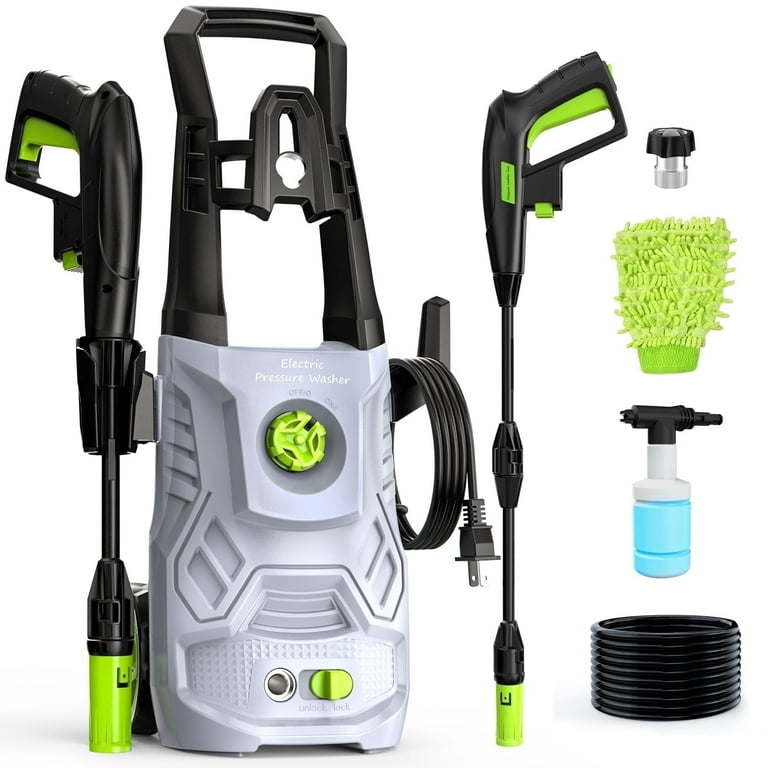
Credit: www.walmart.com
Frequently Asked Questions
What Is The Best Pressure Washer Angle For Cars?
A 25-degree nozzle is ideal for cars. It provides a good balance of pressure and coverage without damaging the paint. It cleans effectively while being safe for delicate surfaces like automotive finishes.
Can A 15-degree Angle Damage My Car’s Paint?
Yes, a 15-degree nozzle produces a concentrated stream that can harm paint. Use it cautiously or avoid it for car washing. Opt for wider angles to prevent scratches and paint damage.
Why Use A 40-degree Nozzle For Car Washing?
A 40-degree nozzle offers a gentle spray, ideal for rinsing off soap and dirt. It covers a large surface and reduces the risk of paint damage. It’s great for final rinsing and delicate cleaning.
How To Choose Pressure Washer Angle For Car Wheels?
Use a 15 or 25-degree nozzle for wheels. These angles remove brake dust and grime effectively. Always keep a safe distance to avoid damaging wheel finishes or tires.
Conclusion
Choosing the right angle for your pressure washer matters a lot. It helps clean your car safely and well. A wide spray angle removes dirt gently. A narrow angle cleans tough spots better. Avoid angles that are too strong to protect paint.
Always test on a small area first. Using the correct angle saves time and effort. Clean your car with care for a great shine. Simple tips like these make a big difference. Keep your car looking fresh and clean easily.


