Have you ever wondered how hot your brake rotors should get when you’re driving? Knowing the right temperature range can save you from costly repairs and keep your car running smoothly.
If your rotors get too hot, they can warp or fail, but if they’re not hot enough, your brakes might not work properly. You’ll discover exactly how hot brake rotors should be, why it matters, and how to keep them in the safe zone.
Keep reading—you don’t want to risk your safety or your wallet by guessing when it comes to your brakes.

Credit: www.youtube.com
Brake Rotor Temperature Basics
Brake rotors play a key role in stopping your vehicle safely. They work by creating friction with the brake pads. This friction generates heat. Understanding how hot brake rotors should be helps keep your car in good shape. It also ensures safe driving conditions.
Knowing the basics of brake rotor temperature helps you spot problems early. It also guides proper maintenance and driving habits. Let’s explore what affects rotor heat and the normal temperature range.
What Affects Rotor Heat
Many factors change how hot brake rotors get. The weight of the vehicle is one. Heavier cars need more force to stop. This creates more heat. Driving style matters too. Hard or frequent braking raises rotor temperature quickly.
Road conditions also influence rotor heat. Going downhill causes brakes to work harder. This leads to higher temperatures. The type and condition of brake pads affect heat as well. Some materials handle heat better than others. Airflow around the rotors helps cool them down. Poor ventilation means higher temperatures.
Normal Operating Temperatures
Brake rotors usually run between 200 and 600 degrees Fahrenheit. Light city driving keeps rotors at the lower end. Heavy braking or mountain driving pushes temperatures higher. Racing or towing can raise heat above 1000 degrees.
Temperatures over 700 degrees for long times can damage rotors. Warping and cracking become risks. Signs of too much heat include brake fade and unusual noises. Proper cooling and driving habits keep rotors in a safe temperature range.
Heat Limits For Different Rotor Types
Brake rotors handle a lot of heat during driving. Different types of rotors have different heat limits. Knowing these limits helps keep brakes safe and effective. Below, we explore common rotor types and their heat ranges.
Cast Iron Rotors
Cast iron rotors are the most common. They can handle heat up to about 900°F (480°C). Beyond this, they risk warping or cracking. These rotors cool down slowly but work well for daily driving. High heat reduces their lifespan.
Carbon Ceramic Rotors
Carbon ceramic rotors tolerate much higher heat. They can withstand temperatures over 1,500°F (815°C). These rotors resist warping and brake fade. They are common in sports and luxury cars. Carbon ceramic rotors cool quickly and last longer under stress.
Steel Rotors
Steel rotors are less common but used in some heavy-duty vehicles. Their heat limit is around 1,200°F (650°C). Steel cools faster than cast iron but can wear out quicker. These rotors are strong but require good maintenance for best results.
Risks Of Overheating Rotors
Brake rotors must stay within a safe temperature range. Overheating rotors cause serious problems. These issues affect your safety and vehicle performance. Understanding the risks helps you avoid costly repairs.
Warping And Cracking
Excessive heat causes rotors to warp or crack. Warped rotors create vibration during braking. Cracks reduce rotor strength and can lead to failure. Both conditions make braking unsafe and uneven.
Reduced Brake Performance
Hot rotors lower braking power. The brake pads cannot grip well on overheated rotors. This leads to longer stopping distances. Reduced braking performance increases accident risk.
Increased Wear And Tear
High temperatures speed up rotor wear. Overheated rotors wear down faster than normal. Brake pads also wear out quickly with hot rotors. This means more frequent replacements and higher costs.
Measuring Rotor Temperature
Measuring the temperature of brake rotors is important for safety and performance. Knowing the heat level helps prevent damage and ensures the brakes work well. There are different tools to measure rotor temperature accurately. Choosing the right one depends on your needs and budget.
Infrared Thermometers
Infrared thermometers are easy to use and give quick readings. Point the device at the rotor surface, and it shows the temperature instantly. They do not touch the rotor, so there is no risk of injury. These tools are affordable and common for everyday checks. However, they only measure the surface temperature, not inside the rotor.
Thermocouples And Sensors
Thermocouples are sensors that attach directly to the rotor. They provide continuous and accurate temperature data. These sensors can track heat changes during driving or braking. Installation requires some skill and tools. Thermocouples are more expensive but useful for detailed monitoring and testing.
Managing Rotor Heat During Driving
Managing rotor heat during driving is key to safe braking and long rotor life. Brake rotors get very hot when braking hard or for a long time. Too much heat can cause warping or brake fade. Drivers need ways to keep rotors cooler while driving.
Controlling rotor temperature helps maintain brake power. It also prevents costly repairs. Simple habits and techniques can reduce heat build-up. Proper care keeps your brake system working well.
Brake Cooling Techniques
Brake cooling techniques help lower rotor temperature quickly. Airflow is one common way to cool rotors. Some cars have vents that direct air to the brakes. This cools rotors as you drive.
After heavy braking, lightly pressing the brake pedal helps cool rotors faster. This action moves air over the rotor surface. Avoid holding brakes hard for a long time. It traps heat and raises rotor temperature.
Driving Habits To Reduce Heat
Good driving habits reduce brake heat naturally. Avoid riding the brakes on downhill slopes. Instead, use engine braking by shifting to a lower gear. This lowers speed without much brake use.
Brake gently and early to avoid sudden stops. Smooth braking produces less heat than hard stops. Also, space out your stops to give brakes time to cool. This lowers the risk of overheating rotors.
Importance Of Proper Maintenance
Regular maintenance keeps rotors and brake parts in good shape. Check rotors for warping or cracks often. Worn or damaged rotors heat up more quickly and unevenly.
Keep brake pads clean and replace them when thin. Old pads cause extra friction and raise rotor heat. Make sure brake fluid is at the right level and replaced as needed. Clean fluid helps brakes work efficiently.
Credit: www.quora.com
Signs Of Heat Damage To Watch For
Brake rotors get very hot during driving. Too much heat can cause damage. Knowing the signs helps keep your car safe. You can catch problems early by watching for heat damage.
Visual Inspection Tips
Check the rotors for discoloration. Blue or purple spots show extreme heat. Cracks on the surface mean the metal is stressed. Look for deep grooves or warping. These signs mean the rotor needs attention or replacement.
Performance Changes
Notice if braking feels weak or uneven. The car might pull to one side. Strange noises like squealing or grinding can appear. Vibration in the brake pedal signals rotor issues. These changes often come from heat damage.
Upgrading For Better Heat Resistance
Brake rotors get very hot during driving. High temperatures can cause damage. Upgrading parts helps rotors resist heat better. This improves safety and performance. Choosing the right upgrades keeps brakes cool and lasting longer.
Better heat resistance means less warping and fading. Your brakes stay strong on hills and long drives. Let’s explore two key upgrades for heat control.
High-performance Brake Pads
Standard brake pads wear quickly under heat. High-performance pads use special materials. These materials handle higher temperatures without breaking down. They create less dust and offer steady stopping power.
Such pads keep brakes working well during hard stops. They reduce the risk of brake fade. This means safer, more reliable braking in tough conditions.
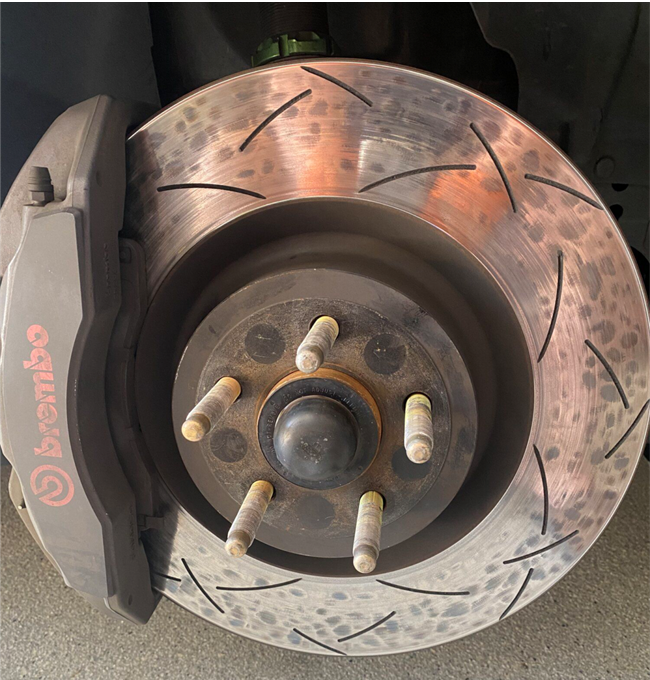
Ventilated And Slotted Rotors
Ventilated rotors have air channels inside. These channels help cool the rotor faster. Slotted rotors have grooves on the surface. These slots remove gas and dust from the brake pad area.
The combination of ventilation and slots lowers rotor temperature. It also improves grip between pads and rotors. This upgrade reduces heat buildup and extends rotor life.
Credit: www.ebcbrakes.com
Frequently Asked Questions
How Hot Can Brake Rotors Safely Get?
Brake rotors can safely reach temperatures between 300°F to 500°F during normal use. Exceeding 700°F risks warping and damage. Proper heat management is crucial for braking performance and rotor longevity.
What Happens If Brake Rotors Get Too Hot?
Overheating brake rotors cause warping, reduced braking efficiency, and brake fade. Excessive heat damages rotor material and brake pads, leading to costly repairs or replacements.
How To Measure Brake Rotor Temperature Accurately?
Use an infrared thermometer to measure brake rotor temperature quickly and accurately. This method avoids direct contact and provides real-time temperature readings during or after driving.
Can Hot Brake Rotors Cause Brake Failure?
Yes, extremely hot rotors can cause brake fade, reducing stopping power. This temporary brake failure happens due to overheating, especially during heavy braking or downhill driving.
Conclusion
Brake rotors should stay within safe temperature limits to work well. Too much heat can cause damage and reduce braking power. Good airflow and proper brake use help keep rotors cool. Regular checks can spot problems before they get worse.
Keep rotors at the right temperature for safety and long life. Simple care goes a long way in protecting your brakes. Remember, cool rotors mean better stopping and safer driving.