

Have you ever felt your steering wheel shake or noticed a strange vibration when you press your brakes? These are signs that your brake rotors might be warped.
But how exactly do brake rotors warp, and why does it happen? Understanding this can help you protect your car, save money on repairs, and keep yourself safe on the road. You’ll learn the main reasons behind warped brake rotors and what you can do to prevent or fix this common problem.
Keep reading to find out everything you need to know to keep your brakes working smoothly.
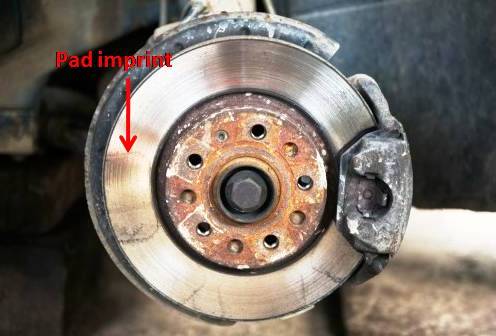
Credit: trade.mechanic.com.au
What Causes Rotor Warping
Rotor warping happens when brake rotors change shape. This change causes shaking or vibrations while braking. Understanding what causes rotor warping helps prevent damage and keeps brakes working well. Several factors play a role in this problem.
Heat Buildup And Stress
Brakes create heat when used. Too much heat makes rotors expand unevenly. This uneven heat causes stress inside the rotor. Over time, this stress leads to warping. Long downhill drives or hard braking cause high heat buildup.
Improper Installation
Incorrect rotor installation can cause warping. If rotors are not mounted tightly or aligned well, they wobble. This wobbling leads to uneven wear and heat spots. These spots cause the rotor to warp faster than normal.
Poor Quality Materials
Low-quality rotors often warp quicker. Cheap metals do not handle heat or stress well. They lose strength and shape easily. Investing in good quality rotors helps avoid warping and extends rotor life.
Driving Habits Impact
Sudden stops and frequent hard braking add stress to rotors. Riding brakes or dragging brakes also cause heat buildup. Smooth and steady braking reduces the chance of rotor warping.
Brake Pad Issues
Worn or poor brake pads affect rotor health. Pads that wear unevenly cause uneven pressure on rotors. This uneven pressure creates hot spots and warps the rotor. Regular brake pad checks help keep rotors safe.
Symptoms Of Warped Rotors
Warped brake rotors cause several clear signs while driving. Recognizing these symptoms helps keep you safe. Understanding the signs lets you address rotor problems early.
Vibrations While Braking
Feel a shaking or vibration in the brake pedal? Warped rotors often cause this. The uneven surface makes the brake pads move irregularly. This vibration grows stronger as you press the brakes harder.
Squealing Or Grinding Noises
Strange noises during braking can mean rotor issues. Warped rotors can create a squealing or grinding sound. These sounds happen because the brake pads don’t touch smoothly.
Uneven Brake Pad Wear
Check your brake pads for uneven wear. Warped rotors cause pads to wear out more on one side. Uneven wear shortens the life of your brake pads. It also reduces brake efficiency.
Reduced Braking Performance
Your car might take longer to stop. Warped rotors reduce the brake system’s power. This makes driving dangerous, especially at high speeds. Notice if braking feels less responsive than usual.
Diagnosing Warped Rotors
Diagnosing warped brake rotors is key to safe driving. Warped rotors cause vibrations and noise during braking. Catching the problem early prevents bigger damage and costly repairs. This section explains how to check for warped rotors using simple methods and professional tools.
Visual Inspection Tips
Start by looking at the brake rotors closely. Check for cracks, grooves, or uneven wear. Rust patches may also signal rotor issues. Spin the wheel and watch the rotor’s surface. Notice any wobbling or unusual movement. Clean rotors show damage more clearly. Use a flashlight for better visibility.
Using A Dial Indicator
A dial indicator measures rotor thickness and runout. Mount it on the brake caliper bracket near the rotor. Slowly spin the rotor while watching the dial. Large needle movements mean the rotor is warped. This tool helps find small defects you cannot see. It gives precise results for better diagnosis.
Professional Brake Inspection
Expert mechanics use advanced tools to test brake rotors. They check rotor thickness, runout, and surface condition. Professionals can spot hidden problems early. They also inspect brake pads and calipers for wear. A full brake inspection ensures safe and smooth stops. Trust experts for accurate brake rotor diagnosis.

Credit: www.youtube.com
Fixing Warped Rotors
Fixing warped brake rotors is key to safe driving. Warped rotors cause shaking and reduce braking power. Addressing this issue quickly helps avoid bigger problems and extra costs. Several methods exist to fix warped rotors, depending on the damage and vehicle type.
Resurfacing Rotors
Resurfacing removes a thin layer of the rotor’s surface. This process evens out any warps or grooves. A machine spins the rotor while a blade smooths its surface. Resurfacing is a cost-effective way to fix minor warps. It restores smooth braking and reduces vibrations. Not all rotors can be resurfaced if too thin or damaged.
Rotor Replacement
Replacing rotors is the best choice for severe warping. New rotors provide better safety and performance. This option costs more but ensures long-term reliability. Always replace rotors in pairs for balanced braking. Check the brake pads too, as they often wear unevenly with warped rotors. Proper installation is critical to avoid future warping.
Upgrading Brake Components
Upgrading brake parts helps prevent future rotor warping. High-quality rotors handle heat better and last longer. Performance brake pads create less heat and wear. Some cars benefit from vented or drilled rotors for cooling. Upgrades improve braking response and reduce risks of warping. Consult a mechanic to choose the right components for your vehicle.
Preventing Rotor Warping
Preventing rotor warping is key to keeping your brakes safe and effective. Warped rotors cause vibrations and reduce stopping power. Understanding how to protect your rotors helps avoid costly repairs and ensures smoother rides.
Simple actions and regular care make a big difference. Follow these tips to keep your brake rotors in good shape for longer.
Proper Brake Use
Press brakes gently and avoid sudden stops. Hard braking heats rotors quickly, causing warping. Allow your brakes to cool after heavy use. Smooth driving reduces stress on brake parts.
Regular Maintenance
Check your brake system often. Replace worn pads on time to prevent rotor damage. Clean rotors and brakes to remove dust and debris. Regular inspections catch problems early.
Choosing Quality Parts
Use rotors and pads from trusted brands. Cheap parts wear out faster and heat unevenly. Quality parts fit better and last longer. Invest in good parts for safer driving.
Avoiding Overheating
Don’t ride the brakes on long downhill drives. Use engine braking to reduce heat build-up. Let brakes rest during heavy traffic or long trips. Overheated rotors warp more easily.
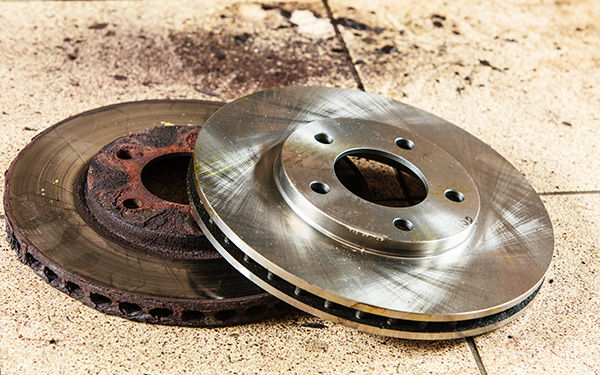
Credit: www.bcautocenter.com
Frequently Asked Questions
Why Do Brake Rotors Warp Easily?
Brake rotors warp due to excessive heat buildup during braking. Rapid cooling or uneven pressure causes metal deformation. This leads to vibrations and reduced braking efficiency. Poor quality rotors or improper installation increase warping risk significantly.
How Does Overheating Cause Rotor Warping?
Overheating softens the rotor metal, making it prone to warping. Heat cycles cause expansion and contraction, creating stress cracks. This weakens the rotor’s structure and leads to uneven surfaces that affect braking performance.
Can Driving Habits Lead To Rotor Warping?
Yes, aggressive braking and riding the brakes cause excessive heat. Frequent hard stops increase thermal stress on rotors, accelerating warping. Maintaining smooth, gradual braking helps prevent uneven rotor wear and warping.
Does Rotor Thickness Affect Warping Chances?
Thinner rotors are more susceptible to warping due to less material absorbing heat. Rotors below the minimum thickness cannot dissipate heat well, increasing deformation risk. Regular checks ensure rotors remain within safe thickness limits.
Conclusion
Warped brake rotors cause vibration and poor braking. Heat buildup and uneven wear lead to warping. Driving with warped rotors can be unsafe and damage parts. Regular brake checks help spot issues early. Replace or resurface rotors to keep brakes smooth.
Proper care extends rotor life and improves safety. Stay alert to changes in braking feel or noise. Taking action quickly prevents bigger problems later. Your brakes keep you safe—treat them with care.


