
Have you ever wondered where your local car dealership finds all those shiny new and used cars? It might seem like magic, but there’s a smart process behind it.
Understanding how car dealerships get their cars can help you make better choices when it’s time to buy. Whether you’re hunting for a brand-new ride or a reliable used vehicle, knowing where the cars come from gives you an edge.
Keep reading, and you’ll discover the secrets dealerships don’t always tell you.
Credit: www.usedcars.com
Sources Of Inventory
Car dealerships gather their inventory from several key sources. These sources help keep the showroom full of new and used cars. Understanding where cars come from reveals how dealerships meet customer needs.
Manufacturer Shipments
New cars often arrive directly from manufacturers. These shipments include the latest models and popular trims. Dealerships place orders based on demand and trends. Manufacturers send cars to dealerships nationwide to maintain stock.
Trade-ins From Customers
Customers often trade their old vehicles when buying new ones. These trade-ins become part of the dealership’s used car inventory. Dealers inspect and price these cars for resale. This source helps offer a variety of used vehicles to buyers.
Wholesale Auctions
Dealerships buy cars at wholesale auctions to expand their selection. These auctions feature vehicles from other dealers or rental companies. Auctions allow dealers to find cars at competitive prices. This method helps fill gaps in the inventory quickly.
Fleet And Rental Returns
Cars used by rental companies or fleets return to dealerships after service. These vehicles are usually well maintained and come with lower mileage. Dealers often sell these cars at attractive prices. They provide good options for budget-conscious buyers.
Manufacturer Relationships
Car dealerships get their vehicles mainly through strong ties with manufacturers. These relationships shape how many cars dealers receive and what types of models they can sell. Manufacturers set rules and offer benefits to help dealers meet customer demand and maintain good sales.
Allocations And Quotas
Manufacturers decide how many cars each dealer gets. This is called allocation. They base it on sales history and market needs. Dealers with better sales get more cars. Quotas ensure each dealer gets a fair share of new models. This system helps balance supply across regions.
Incentives And Bonuses
Manufacturers offer incentives to encourage sales. These can be cash bonuses or discounts on vehicles. Dealers may get extra rewards for selling certain models fast. Incentives help dealers stock popular cars and improve their profits. Bonuses motivate dealers to meet sales goals.
Special Order Vehicles
Dealers can request special order cars directly from manufacturers. Customers ask for unique colors, features, or trims. The dealer sends the order to the factory. This process takes longer but offers more choice. Special orders help dealers satisfy specific customer needs.
Role Of Auctions
Auctions play a key role in how car dealerships get their vehicles. Many dealers buy cars directly from auctions instead of manufacturers or trade-ins. Auctions offer a large variety of cars in one place. Dealers find good deals and rare models here. This helps them keep their stock fresh and diverse.
Types Of Auctions
There are several types of car auctions. Public auctions allow anyone to bid, but dealers often prefer dealer-only auctions. Dealer-only auctions limit access to licensed car dealers. Online auctions have grown in popularity. They let dealers bid on cars without leaving their lots. Each type has unique benefits and challenges.
How Dealers Bid
Dealers prepare carefully before bidding. They inspect cars or get reports about condition. They set maximum bids to avoid overspending. Bidding can be fast and competitive. Dealers use paddles or online tools to place bids. The highest bidder wins the car. Smart bidding helps dealers buy at good prices.
Auction Fees And Costs
Buying at an auction is not free. Dealers pay registration fees to join. There are buyer’s fees added to the final price. Some auctions charge fees for online bidding. Other costs include transportation and reconditioning. Dealers calculate all costs before bidding. This keeps buying profitable and avoids surprises.
Trade-in Process
The trade-in process is a common way car dealerships add vehicles to their inventory. Customers bring their old cars and offer them as partial payment for a new vehicle. This process benefits both the buyer and the dealer. Dealers get used cars to resell, while buyers save money on their purchase.
Evaluating Trade-ins
Dealerships inspect the trade-in vehicle carefully. They check the car’s condition, mileage, and age. Any damage or needed repairs affect the offer. Dealers also use market data to estimate the car’s value. This helps them make a fair offer to the customer.
Reselling Trade-in Vehicles
After accepting a trade-in, dealers prepare the car for resale. They clean and fix minor issues. Next, they price the vehicle competitively. Some cars go to the used car lot, while others may be sold at auction. This process helps dealers recover costs and earn profit.
Impact On Inventory
Trade-ins keep the dealership’s inventory fresh and diverse. They provide a steady supply of used cars. This attracts more buyers looking for affordable options. Trade-ins also allow dealers to balance new and used vehicle stock. It supports overall sales and customer satisfaction.
Fleet And Rental Car Sources
Car dealerships get many vehicles from fleet and rental car sources. These cars come from companies that use vehicles for business or rent them to customers. Dealerships buy these cars in bulk or as individual sales. This helps them offer a wide range of cars at good prices.
Fleet and rental cars often have regular maintenance. They are usually newer models and have clear service records. This makes them a popular choice for dealerships to keep their lots stocked with reliable vehicles.
Buying From Rental Companies
Rental car companies replace their cars often. They sell cars after a certain period or mileage. Dealerships buy these cars directly from rental companies. This helps them get many vehicles at once. Rental cars are usually well-maintained and come with full service history. This makes them attractive for resale.
Fleet Sales Deals
Fleet sales mean selling many cars to one buyer. Companies with many vehicles sell them in bulk. Car dealerships get special deals from fleet sales. These deals often come with lower prices per car. Buying in bulk helps dealerships offer competitive prices to buyers.
Vehicle Condition And Pricing
Fleet and rental cars are kept in good condition. They have regular check-ups and repairs. This keeps their value higher than average used cars. Pricing is often lower than brand-new cars. This balance attracts buyers looking for quality and savings.
Credit: ecarstrade.com
Inventory Management Strategies
Car dealerships must manage their inventory carefully. This helps them keep the right mix of cars on the lot. Good inventory management means having the right cars at the right time. It also means not holding too many cars that might not sell fast. This section explains how dealerships balance their stock and respond to market changes.
Balancing New And Used Cars
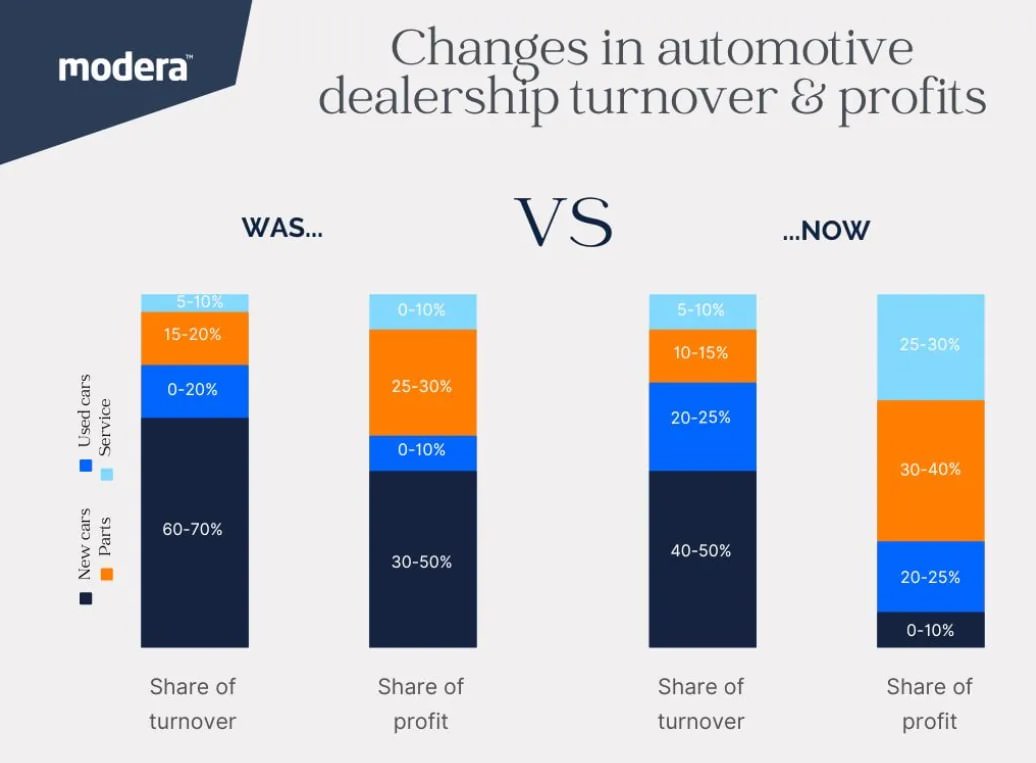
Dealerships carry both new and used cars to attract different buyers. New cars often bring higher profits but cost more to stock. Used cars sell faster and appeal to budget buyers. Dealers watch sales patterns to decide how many new or used cars to order. This balance helps meet customer needs and keeps cash flow steady.
Seasonal Trends
Car sales change with the seasons. Many buyers prefer convertibles in summer and SUVs in winter. Dealers plan inventory to match these trends. They stock more of popular models before peak seasons. This strategy reduces leftover cars and boosts sales during busy months.
Market Demand Insights
Dealerships use data to understand what buyers want. They track which car models sell best and which do not. This information guides their purchasing decisions. Knowing market demand helps dealers avoid overstock and keep fresh choices available. It ensures customers find cars they like every time they visit.
Insider Tips For Buyers
Buying a car from a dealership is easier with some insider knowledge. Knowing how dealers get their cars helps buyers make smart choices. This section shares tips to help you buy at the right time and price.
Timing Your Purchase
Dealerships get new cars based on factory schedules and demand. They often clear old stock before new models arrive. Buying near the end of the month or year can mean better deals. Dealers want to meet sales goals, so they may offer discounts then.
Negotiating Based On Inventory
Dealers carry many cars but not all sell fast. If a car stays too long, dealers want to sell it quickly. Use this to your advantage. Ask about cars that have been on the lot for a while. They may be willing to lower prices to clear space.
Spotting Dealer Motivations
Dealers have reasons for selling certain cars fast. Sometimes they need to make room for new shipments. Other times, they want to hit monthly targets. Watch for signs like price drops or special offers. These hints show when dealers are eager to sell.

Credit: ecarstrade.com
Frequently Asked Questions
How Do Dealerships Acquire New Cars?
Dealerships get new cars directly from manufacturers. They place orders based on market demand and customer preferences. Manufacturers allocate vehicles to dealerships through a distribution network. This ensures a steady supply of the latest models for sale.
Can Dealerships Trade Used Cars For New Ones?
Yes, dealerships often accept trade-ins. Customers exchange their used cars for credit toward new purchases. This process helps dealerships acquire quality used vehicles for resale. It also simplifies the buying experience for customers.
Do Dealerships Buy Cars From Auctions?
Many dealerships purchase vehicles from auto auctions. Auctions offer a range of used and certified cars at competitive prices. Dealers use auctions to maintain diverse inventory and meet customer needs quickly.
How Do Dealerships Get Certified Pre-owned Cars?
Certified pre-owned cars come from manufacturer programs. Dealerships acquire these vehicles through trade-ins or lease returns. They undergo thorough inspections and refurbishments before resale, ensuring quality and warranty coverage.
Conclusion
Car dealerships get cars through many sources. They buy from manufacturers, auctions, and trade-ins. Each source helps keep their stock fresh and varied. This way, customers find many choices and good deals. Knowing this helps you understand how dealerships work.
Next time you visit, you will know where cars come from. It makes car shopping clearer and easier for everyone.


