

Are you wondering, “How do I change my fuel filter?” You’re not alone.
Your vehicle’s fuel filter plays a crucial role in keeping your engine running smoothly by trapping dirt and debris. Over time, though, it can get clogged and affect your car’s performance. The good news is, changing your fuel filter is something you can do yourself with a few simple steps.
You’ll find clear, easy-to-follow instructions that will save you time and money. Ready to take control of your car’s health? Let’s dive in and get your fuel filter changed the right way.

Credit: www.wikihow.com
Signs Of A Dirty Fuel Filter
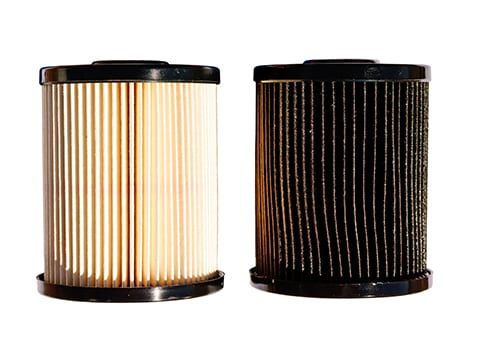
A dirty fuel filter can cause several problems in your vehicle. It stops fuel from flowing smoothly to the engine. This affects how your car runs and uses gas. Knowing the signs helps you fix the issue early. It keeps your car safe and saves money on repairs.
Engine Performance Issues
Your engine may run rough or hesitate. It might stall or lose power during driving. A clogged fuel filter restricts fuel flow. The engine does not get enough fuel to work well. This can make driving unsafe and frustrating.
Fuel Efficiency Drops
Your car may use more fuel than usual. A dirty fuel filter makes the engine work harder. This reduces the miles you get per gallon. You spend more money on gas without knowing why. Fixing the filter can improve your fuel economy.
Starting Problems
The engine might be hard to start or not start at all. Fuel cannot reach the engine easily with a blocked filter. You may hear the engine crank but not catch. This often means the fuel filter needs cleaning or replacing. Do not ignore this sign to avoid being stranded.
Tools And Materials Needed
Changing your fuel filter requires some specific tools and materials. Having the right items ready makes the job easier and safer. This section lists what you need to complete the task smoothly.
Essential Tools
You need a wrench set to remove bolts and clamps. A screwdriver helps with hose clamps. A fuel line disconnect tool is useful for some vehicles. A drain pan catches fuel that may spill. Rags or shop towels clean up any mess.
Replacement Fuel Filter Types
Fuel filters come in different styles. Inline filters fit along the fuel line. Cartridge filters fit inside a housing. Choose the correct type for your vehicle. Check your car manual or parts store for guidance.
Safety Gear
Wear safety glasses to protect your eyes from fuel. Use gloves to keep your hands clean and safe. Work in a well-ventilated area to avoid fumes. Keep a fire extinguisher nearby just in case.
Preparing Your Vehicle
Preparing your vehicle before changing the fuel filter is important. It helps you work safely and avoid problems. Taking time to get ready makes the process smooth and easy.
Locating The Fuel Filter
First, find where the fuel filter is. Most cars have it near the fuel tank or engine. Check your owner’s manual for the exact spot. Knowing its place saves time and effort later.
Relieving Fuel System Pressure
Fuel system pressure can cause fuel to spray out. This is dangerous. To stop this, relieve the pressure before removing the filter. You can do this by disconnecting the fuel pump fuse and running the engine until it stops.
Ensuring Safety Precautions
Safety comes first. Work in a well-ventilated area to avoid fuel fumes. Keep a fire extinguisher nearby. Wear gloves and safety glasses to protect your skin and eyes. Avoid open flames or sparks near the vehicle.

Credit: www.wikihow.com
Removing The Old Fuel Filter
Removing the old fuel filter is the first step in replacing it. This part stops dirt and rust from reaching the engine. Over time, the filter gets clogged and needs changing. Careful removal helps avoid damage and spills. Follow the steps below to take out the old fuel filter safely and easily.
Disconnecting Fuel Lines
Start by locating the fuel filter under your vehicle. It usually connects to two fuel lines. Use pliers or a wrench to loosen the clamps or fittings. Slowly pull the fuel lines off the filter. Be gentle to avoid breaking the lines or causing leaks.
Removing Mounting Clips
The fuel filter holds in place with mounting clips or brackets. Look for screws or fasteners securing these clips. Use a screwdriver or socket wrench to remove them. Keep the clips safe to reuse when installing the new filter.
Handling Fuel Spills
Fuel may spill during removal. Place a container or rag underneath to catch drips. Work in a well-ventilated area and avoid open flames. Clean any spills immediately to prevent hazards. Use gloves to protect your hands from fuel exposure.
Installing The New Fuel Filter
Installing the new fuel filter is a key step in your car’s maintenance. This part helps keep dirt and rust out of the fuel system. A clean filter improves engine performance and fuel efficiency. Follow these steps carefully to install the new fuel filter correctly.
Positioning The Filter Correctly
Place the new fuel filter in the same direction as the old one. Most filters have an arrow showing fuel flow direction. Make sure the arrow points toward the engine. This ensures fuel flows properly and the filter works well.
Reattaching Fuel Lines
Attach the fuel lines to the new filter’s connectors. Push the lines firmly to avoid leaks. Use clamps or clips to hold the lines in place. Check that the connections are tight but not damaged.
Securing The Filter
Fix the fuel filter into its bracket or holder. Use screws or clips provided with the filter. Make sure the filter does not move or shake. A secure filter prevents damage and fuel leaks during driving.
Credit: www.waynesautocenter.com
Testing After Replacement
Testing your fuel filter after replacement is important to ensure the job is done right. It helps catch any issues before they cause engine problems. Careful checks keep your vehicle running smoothly and safely.
Checking For Leaks
Start by inspecting the fuel filter and connections for leaks. Look closely at the fuel lines and fittings. Turn the key to the “on” position without starting the engine. This pressurizes the fuel system. Watch for any fuel dripping or wet spots around the filter. Fix leaks before moving on.
Starting The Engine
Next, start the engine and listen carefully. The engine should start quickly and run steadily. Pay attention to any sputtering or hesitation. These signs may mean the filter is clogged or installed wrong. Let the engine run for a few minutes to ensure stable operation.
Monitoring Performance
Drive the vehicle gently and watch its performance. Notice how the engine responds to acceleration. Check if it runs smoothly without stalling or coughing. Watch for warning lights on the dashboard. Good performance shows the fuel filter is working well.
Tips For Maintaining Your Fuel Filter
Keeping your fuel filter in good shape helps your vehicle run smoothly. Dirt and debris can clog the filter. This lowers engine power and fuel efficiency. Regular care can prevent these issues.
Regular Inspection Schedule
Check the fuel filter every 12,000 miles or once a year. Look for signs of damage or clogging. A simple visual check can save costly repairs. Use a flashlight to see inside the filter area.
Using Quality Fuel
Choose clean, high-quality fuel from trusted stations. Poor fuel contains dirt and water. These substances harm the fuel filter and engine. Clean fuel keeps the filter working longer and better.
When To Replace
Replace the fuel filter every 20,000 to 30,000 miles. Change it sooner if you notice engine stalling or poor acceleration. A clogged filter makes your engine weak. Follow your vehicle manual for exact timing.
Frequently Asked Questions
How Often Should I Change My Fuel Filter?
Most experts recommend changing your fuel filter every 20,000 to 40,000 miles. Check your vehicle’s manual for specific guidelines. Regular replacement ensures optimal engine performance and prevents clogs that reduce fuel flow.
What Tools Are Needed To Change A Fuel Filter?
You typically need a wrench, screwdrivers, and possibly pliers. Safety gloves and eye protection are also important. The exact tools depend on your vehicle’s fuel filter type and location.
Can I Change The Fuel Filter Myself Safely?
Yes, with basic mechanical skills and the right tools, you can safely change the fuel filter. Always relieve fuel system pressure first and work in a well-ventilated area away from flames.
What Signs Indicate A Faulty Fuel Filter?
Symptoms include engine misfires, reduced power, stalling, and difficulty starting. A clogged filter restricts fuel flow, causing these issues. If you notice these, inspect or replace the fuel filter promptly.
Conclusion
Changing your fuel filter keeps your engine running smoothly. It helps stop dirt from damaging important parts. You only need a few tools and some patience. Follow the steps carefully to avoid mistakes. Regular checks can save you money and time later.
Remember, safety comes first when working with fuel. Now, your car can perform better and last longer. Simple maintenance makes a big difference. Give your vehicle the care it needs today.


