If you want your engine to run smoothly and avoid costly repairs, keeping your fuel filter clean is key. But how do you clean a fuel filter properly without damaging it or your vehicle?
You might feel unsure or overwhelmed, especially if this is your first time tackling car maintenance. Don’t worry—this guide will walk you through simple, effective steps to clean your fuel filter safely. By the end, you’ll know exactly what to do to keep your fuel system working like new.
Ready to take control of your vehicle’s performance? Let’s dive in.

Credit: www.youtube.com
Signs Of A Dirty Fuel Filter
A dirty fuel filter can cause many problems for your vehicle. It blocks the flow of fuel to the engine. This makes the engine work harder and less efficiently. Recognizing the signs of a dirty fuel filter helps you avoid serious damage.
Knowing these signs early can save time and money. Your car will run smoother and last longer after cleaning or replacing the filter.
Reduced Engine Power
Your car may feel weak or slow. The engine struggles to get enough fuel. This causes less power when driving uphill or carrying heavy loads. A clogged fuel filter limits fuel flow, reducing engine performance.
Starting Difficulties
The engine may take longer to start. Sometimes it won’t start at all. Dirty fuel filters block fuel from reaching the engine quickly. This delays ignition and can leave you stranded.
Engine Misfires
The engine may run roughly or jerk while driving. Misfires happen when the fuel supply is uneven. A dirty filter causes fuel pressure drops. This leads to poor combustion and engine hesitation.
Tools And Materials Needed
Cleaning a fuel filter requires the right tools and materials. Having everything ready makes the job easier and safer. This section covers the basic tools, safety gear, and replacement parts needed for the task.
Basic Hand Tools
You need a few simple hand tools for cleaning a fuel filter. A wrench set helps loosen the filter fittings. Screwdrivers may be required to remove clamps or covers. Pliers assist in handling small parts and clamps. A container to catch fuel drips is useful. Clean rags help wipe away dirt and spills.
Safety Equipment
Safety is important when working with fuel. Wear safety glasses to protect your eyes from splashes. Use gloves to keep your hands safe and clean. Work in a well-ventilated area to avoid fumes. Keep a fire extinguisher nearby for emergencies. Avoid open flames or sparks around fuel.
Replacement Parts
Sometimes cleaning is not enough, and you need new parts. Have a replacement fuel filter ready if the old one is damaged. Fuel-resistant seals or O-rings may need changing. Using fresh parts ensures your fuel system works properly. Check your vehicle’s manual for the exact filter type.
Preparing Your Vehicle
Preparing your vehicle is the first step to clean the fuel filter safely and effectively. This process helps avoid spills and accidents. It also makes the task easier and faster.
Follow these steps carefully to get your vehicle ready before you start cleaning the fuel filter.
Locate The Fuel Filter
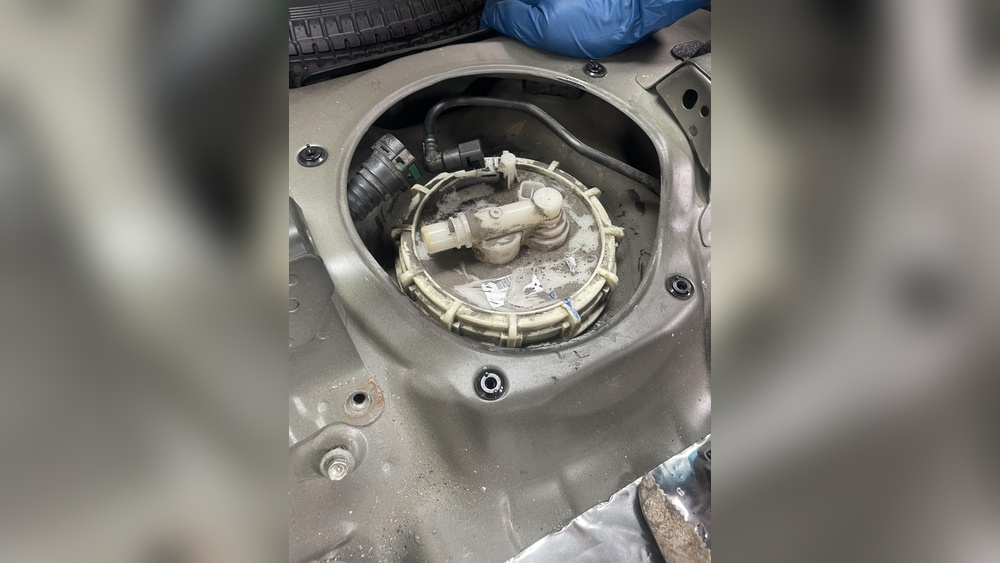
Find the fuel filter in your vehicle. Most often, it is near the fuel tank or along the fuel line. Check your owner’s manual for the exact location. Knowing this saves time and effort during the cleaning process.
Relieve Fuel System Pressure
Release the pressure in the fuel system before removing the filter. This step prevents fuel from spraying out. Start by turning off the engine and removing the fuel pump fuse or relay. Then, run the engine until it stops to use up fuel left in the lines.
Ensure Safety Precautions
Work in a well-ventilated area to avoid inhaling fumes. Wear safety gloves and glasses to protect your skin and eyes. Keep a fire extinguisher nearby. Avoid open flames or sparks around the vehicle during this task.
Removing The Fuel Filter
Removing the fuel filter is the first step to cleaning it properly. This process needs care and attention. Fuel filters stop dirt and rust from reaching the engine. Over time, they get clogged and need cleaning or replacement. Follow these steps to remove the fuel filter safely.
Disconnect Fuel Lines
Start by turning off the engine and fuel supply. Locate the fuel filter under the hood or near the fuel tank. Use pliers to loosen the clamps on the fuel lines. Gently pull the fuel lines off the filter. Be careful not to damage the lines or connectors.
Unfasten The Filter
The fuel filter is held in place by a bracket or screws. Use a wrench or screwdriver to remove these fasteners. Keep the screws or bolts safe for reassembly. Slowly take out the fuel filter from its holder. Watch for any remaining fuel inside the filter.
Handle Fuel Spills
Fuel may leak during removal. Use a rag or paper towels to catch spills. Avoid open flames or sparks nearby. Dispose of used rags safely to prevent fire hazards. Clean any spilled fuel immediately to keep the area safe.
Cleaning The Fuel Filter
Cleaning the fuel filter helps keep your engine running smoothly. Dirt and debris can clog the filter. This stops fuel from flowing properly. Regular cleaning prevents engine problems and saves money.
Follow these simple steps to clean the fuel filter safely and effectively. Take your time and be careful with each part.
Inspecting The Filter
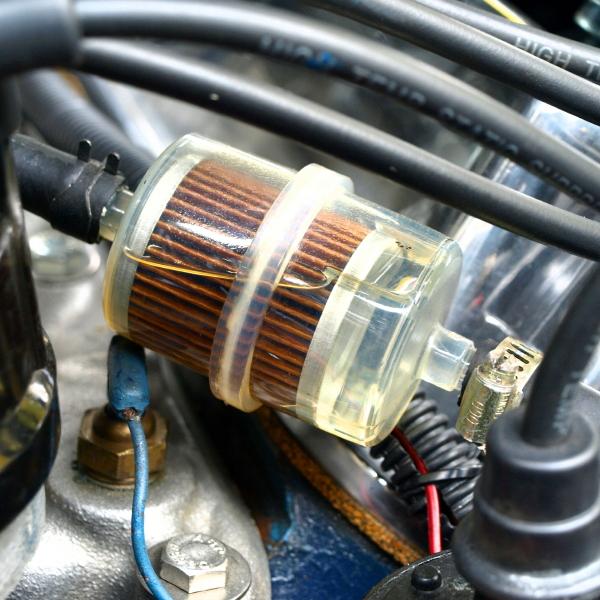
First, check the fuel filter closely. Look for cracks or heavy dirt buildup. If the filter is damaged, replacement is better. A clean filter should look clear or slightly tinted. Remove any visible debris with a soft brush.
Using Cleaning Solutions
Choose a fuel filter cleaner or use a mild solvent. Soak the filter in the solution for 10 to 15 minutes. This loosens stubborn dirt and grease. Gently shake the filter while soaking. Avoid harsh chemicals that can damage the filter material.
Drying And Reassembling
After cleaning, let the filter dry completely. Air drying is best to avoid damage. Use a clean cloth to wipe any excess liquid. Reinstall the filter in the correct direction. Secure all clamps and connections tightly to avoid leaks.
Credit: motor.onehowto.com
Installing The Fuel Filter
Installing the fuel filter is a crucial step after cleaning it or replacing it. Proper installation ensures your engine runs smoothly. Incorrect installation can cause fuel leaks or poor engine performance. Follow these steps carefully to install the fuel filter correctly and safely.
Positioning The Filter Correctly
Place the fuel filter in the correct direction. Most filters have an arrow showing fuel flow. The arrow should point toward the engine. Position the filter so it fits well without bending hoses. A correct position prevents leaks and blockages.
Reattaching Fuel Lines
Reconnect the fuel lines to the filter carefully. Push the hoses firmly onto the filter connectors. Use clamps to hold the hoses tight. Loose connections can cause fuel leaks and engine problems. Check each line to ensure it is secure and sealed.
Securing The Filter
Fasten the fuel filter using the original bracket or clamp. Tighten screws or bolts just enough to hold the filter firm. Avoid overtightening to prevent damage. A secure filter stays in place even on rough roads. Double-check the filter is stable before finishing.
Testing After Cleaning
Testing after cleaning a fuel filter is key to ensure your engine runs smoothly. This step confirms the filter works well and no issues remain. Follow these simple checks to keep your vehicle in top shape.
Starting The Engine
Turn the ignition on and start the engine. Listen carefully for any unusual sounds. A smooth start shows the fuel flows freely through the filter. If the engine struggles or stalls, the filter may still be clogged.
Checking For Leaks
Look around the fuel filter and connections for any fuel leaks. Leaks can cause poor engine performance and safety hazards. Tighten fittings and replace damaged parts if you see any fuel dripping or wet spots.
Monitoring Engine Performance
Drive the vehicle at different speeds and watch how it runs. Notice any hesitation, rough idling, or power loss. Good engine performance means the fuel filter cleaning was successful. If problems persist, consider a full replacement.
Maintenance Tips For Fuel Filters
Keeping your fuel filter clean is key to your vehicle’s health. Proper maintenance helps avoid engine problems and saves money. Follow these simple tips to make sure your fuel filter works well for a long time.
Regular Inspection Schedule
Check your fuel filter every 10,000 to 15,000 miles. Look for dirt, rust, or damage on the filter. A quick inspection helps catch issues before they get worse. Use a flashlight to see inside if needed. Regular checks keep your engine running smoothly.
When To Replace Instead Of Clean
Some fuel filters cannot be cleaned. If the filter is clogged or damaged, replace it. Cleaning old filters may not restore full function. Follow your vehicle’s manual for replacement times. New filters improve fuel flow and engine performance.
Using Quality Fuel
Use clean, high-quality fuel to protect your filter. Low-quality fuel often contains dirt and water. These contaminants clog the filter quickly. Filling up at trusted stations reduces risk. Clean fuel helps your filter last longer and keeps your engine safe.

Credit: www.wikihow.com
Frequently Asked Questions
How Often Should You Clean A Fuel Filter?
You should clean your fuel filter every 20,000 to 30,000 miles. Regular cleaning prevents blockages and maintains engine performance.
What Tools Are Needed To Clean A Fuel Filter?
Basic tools include wrenches, screwdrivers, a container for fuel, and cleaning solvent. Safety gloves and goggles are also recommended.
Can I Clean A Fuel Filter Without Removing It?
It’s best to remove the fuel filter for thorough cleaning. Cleaning it without removal may leave debris inside and reduce effectiveness.
What Are Signs Of A Clogged Fuel Filter?
Symptoms include engine misfires, reduced power, poor acceleration, and difficulty starting. Regular checks help prevent these issues.
Conclusion
Cleaning a fuel filter keeps your engine running smooth. Dirt and debris can block fuel flow and cause problems. Regular cleaning helps avoid costly repairs and saves money. Use the right tools and follow safety steps carefully. A clean fuel filter improves fuel efficiency and engine life.
Take time to check and clean it often. Your vehicle will thank you with better performance. Simple care makes a big difference in how your engine runs.