

Is your car acting up, struggling to start, or losing power unexpectedly? These could be signs that your fuel filter is clogged.
But how do you check if your fuel filter is the real problem? Knowing this can save you time, money, and frustration. You’ll discover simple ways to spot a clogged fuel filter before it causes serious damage. Keep reading to protect your vehicle and keep it running smoothly.

Credit: www.youtube.com
Signs Of A Clogged Fuel Filter
A clogged fuel filter can cause many problems in your car. It stops fuel from reaching the engine smoothly. This leads to poor car performance and other issues. Knowing the signs helps you find the problem early. It also saves you from costly repairs later.
Engine Performance Issues
Your engine may run rough or hesitate while driving. It can lose power when you press the gas pedal. The car might stall or jerk during acceleration. These happen because the fuel flow is blocked. The engine does not get enough fuel to run well.
Fuel Efficiency Drop
Your car may use more fuel than usual. A clogged fuel filter makes the engine work harder. This lowers fuel efficiency and wastes gas. You might notice your car stops going as far on a tank. It costs more to drive without clear fuel flow.
Starting Problems
The car may take longer to start or not start at all. A clogged filter can starve the engine of fuel. This makes ignition difficult or impossible. Sometimes, the engine turns over but fails to catch. Starting problems are a clear sign to check the filter.

Credit: www.autonationmobileservice.com
Tools Needed For Inspection
Checking your fuel filter for clogs requires the right tools. These tools help you inspect the filter carefully and safely. Using proper equipment makes the job easier and protects you from harm.
Gathering tools before starting saves time. It also avoids mistakes during the inspection. Here are the main tools you need to check if your fuel filter is clogged.
Basic Mechanic Tools
Start with simple mechanic tools. A wrench set helps remove the fuel filter from its place. Screwdrivers are useful for loosening clamps or covers. Pliers can grip tight hoses and connectors. A flashlight shines light into dark engine spaces. Clean rags help wipe dirt and fuel spills. Having a container to catch fuel leaks is smart too.
Safety Equipment
Safety should come first. Wear gloves to protect your hands from fuel. Safety goggles shield your eyes from splashes. Work in a well-ventilated area to avoid breathing fumes. Keep a fire extinguisher nearby. Fuel is flammable and can ignite easily. Use protective clothing to avoid skin contact. Taking these steps keeps you safe during inspection.
Locating The Fuel Filter
Finding the fuel filter is the first step in checking if it is clogged. The fuel filter cleans dirt and rust from the fuel. Over time, it can get blocked and stop fuel from flowing properly. Knowing where the fuel filter is helps in inspecting or changing it.
Common Fuel Filter Locations
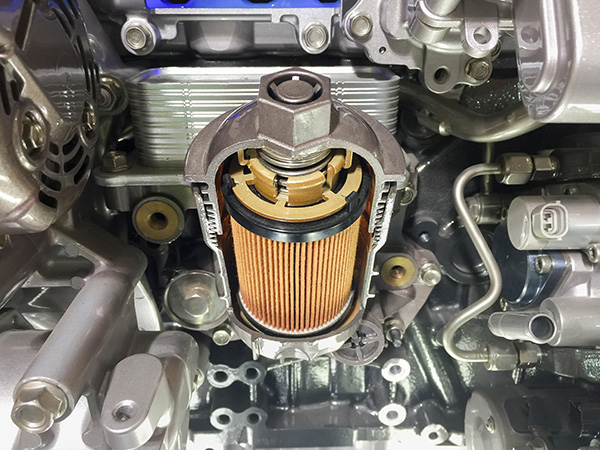
Fuel filters are often under the car near the fuel tank. Some are near the engine in the engine bay. Others may be inside the fuel line along the frame. The shape is usually small and cylindrical. It can have two fuel lines attached to it. Dirt and debris get trapped inside this filter.
Consulting The Vehicle Manual
The vehicle manual shows the exact location of the fuel filter. It also provides safety tips to follow before checking. Manuals explain how to access the filter without damage. Reading the manual saves time and effort. It helps avoid mistakes during the inspection or replacement.
Credit: qtucarcare.com
Step-by-step Fuel Filter Check
Checking your fuel filter is important to keep your car running smoothly. A clogged fuel filter can cause poor engine performance and reduce fuel efficiency. Follow this step-by-step guide to check your fuel filter easily and safely. This process helps you spot issues early and avoid costly repairs.
Preparing The Vehicle
Park your car on a flat surface. Turn off the engine and remove the keys. Make sure the car is cool before you start. Locate the fuel filter by checking your vehicle’s manual. Wear gloves and safety glasses for protection. Keep a container handy to catch any fuel spills.
Inspecting The Fuel Filter
Look at the fuel filter for any visible dirt or damage. Check for cracks or leaks around the filter. Note the filter’s age if you know it. A dirty or old filter usually needs replacement. Clean the area around the filter before further inspection.
Testing Fuel Flow
Release the pressure from the fuel system carefully. Disconnect the fuel line from the filter. Place the container under the line to catch fuel. Turn the ignition on briefly to check fuel flow. Fuel should flow steadily without interruptions. Weak or no flow means the filter is clogged. Reconnect the fuel line and secure it tightly.
When To Replace The Fuel Filter
Knowing when to replace the fuel filter is key to keeping your car running smoothly. The fuel filter stops dirt and rust from entering the engine. Over time, it gets clogged and stops working well. This can cause poor engine performance and even damage. Regular checks help avoid problems and save money on repairs.
Recommended Replacement Intervals
Most car makers suggest changing the fuel filter every 20,000 to 40,000 miles. This range depends on the car model and fuel quality. Some newer cars have filters that last longer. Check your owner’s manual for the exact interval. Sticking to this schedule keeps fuel flowing cleanly and protects the engine.
Signs It’s Time To Change
Watch for engine problems like stalling or rough idling. These can signal a clogged fuel filter. A drop in fuel efficiency also hints at filter trouble. Hard starts or a loss of power during acceleration are warning signs. Unusual noises from the fuel pump may mean extra strain from a blocked filter. Spotting these signs early helps avoid bigger issues.
Preventing Fuel Filter Clogs
Fuel filter clogs can cause serious engine problems. Preventing these clogs saves time and money. It also keeps your vehicle running smoothly. Simple habits help keep fuel filters clean and effective. Here are some easy ways to avoid fuel filter blockages.
Using Quality Fuel
Fuel quality plays a big role in filter health. Low-quality fuel often contains dirt and debris. These particles clog the fuel filter quickly. Choose fuel from reliable gas stations. High-quality fuel burns cleaner and protects engine parts. Avoid filling up at unknown or cheap sources. Clean fuel means a longer filter life.
Regular Maintenance Tips
Routine checks can catch problems early. Change the fuel filter according to your car’s manual. Inspect the fuel system for leaks or damage. Replace worn-out parts promptly. Keep the fuel tank clean and sealed. Regular maintenance stops dirt from reaching the filter. It also ensures fuel flows freely to the engine.
Frequently Asked Questions
How Can I Tell If My Fuel Filter Is Clogged?
A clogged fuel filter causes engine hesitation, stalling, or poor acceleration. Check for rough idling and reduced power. These signs often indicate restricted fuel flow needing filter inspection.
What Are The Symptoms Of A Dirty Fuel Filter?
Symptoms include engine misfires, slow starts, and decreased fuel efficiency. You may hear sputtering sounds or notice a check engine light. These issues suggest the filter is restricting fuel supply.
How Often Should I Replace My Fuel Filter?
Typically, replace your fuel filter every 20,000 to 40,000 miles. Check your vehicle’s manual for specific intervals. Regular replacement ensures smooth engine performance and prevents clog-related problems.
Can A Clogged Fuel Filter Cause Engine Stalling?
Yes, a clogged filter can starve the engine of fuel. This causes the engine to stall or shut off unexpectedly. Immediate filter inspection and replacement prevent further damage.
Conclusion
Checking your fuel filter helps keep your engine running well. A clogged filter can cause poor performance and fuel problems. Watch for signs like slow acceleration or engine stalling. Regular checks prevent costly repairs later. Cleaning or replacing the filter keeps fuel flowing smoothly.
Stay attentive to your car’s needs. Small efforts save time and money. Taking care of your fuel system keeps your vehicle reliable and safe. Simple checks make a big difference. Don’t ignore the signs; act early for best results.

