

Is your car acting up, losing power, or struggling to start? A clogged fuel filter might be the hidden culprit slowing you down.
You don’t have to be a mechanic to fix this common problem. You’ll discover simple, step-by-step tips to clear or replace your fuel filter quickly and safely. Keep reading to get your engine running smoothly again and avoid costly repairs down the road.
Your car—and your wallet—will thank you.
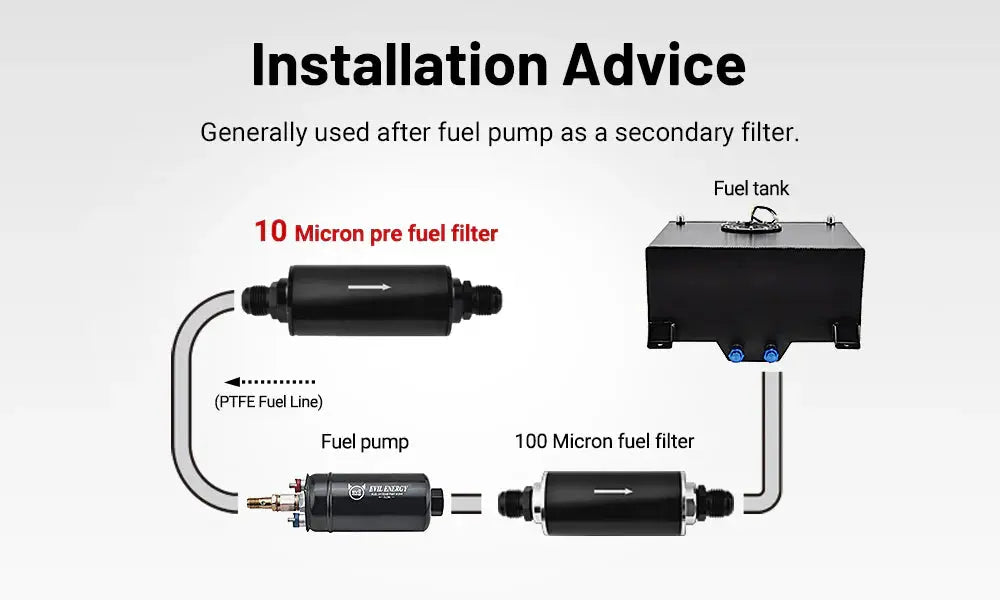
Credit: www.ievilenergy.com
Signs Of A Clogged Fuel Filter
Recognizing the signs of a clogged fuel filter helps keep your vehicle running smoothly. A fuel filter blocks dirt and debris from entering the engine. Over time, it can get clogged. This stops fuel from flowing properly. Knowing the symptoms early can save you from costly repairs.
Engine Performance Issues
A clogged fuel filter causes poor engine performance. The engine may sputter or stall. It can feel weak during acceleration. Sometimes the engine jerks or hesitates. These problems happen because the engine lacks enough fuel.
Fuel Efficiency Drops
Fuel efficiency drops when the filter clogs. Your car uses more fuel than usual. You may notice you need to fill the tank more often. A blocked filter forces the engine to work harder. This burns extra fuel and lowers mileage.
Starting Problems
Hard starting is a common sign. The engine may crank but not start. It can take longer to turn on. The fuel filter stops fuel from reaching the engine quickly. This makes ignition difficult or slow.
Credit: www.inmonauto.com
Tools And Materials Needed
Fixing a clogged fuel filter requires the right tools and materials. Having everything ready makes the job easier and safer. This section covers the basic tools, the replacement part, and safety gear needed for the task.
Basic Hand Tools
You need simple hand tools for most fuel filter replacements. A wrench or socket set helps remove bolts and clamps. Pliers are useful for loosening hose clamps. A screwdriver may be needed to open covers or clamps. Keep a small container or rag handy to catch any fuel spills.
Replacement Fuel Filter
Choose the correct fuel filter for your vehicle model. It should match the size and type used by the manufacturer. Check the filter’s flow direction before installing. Buying a high-quality filter can prevent future problems. Keep the old filter to compare and ensure the right replacement.
Safety Gear
Safety is important while working with fuel. Wear gloves to protect your hands from fuel and dirt. Safety glasses shield your eyes from splashes. Work in a well-ventilated area to avoid inhaling fumes. Keep a fire extinguisher nearby, just in case. Avoid open flames and sparks during the repair.
Locating The Fuel Filter
Finding the fuel filter is the first step to fixing a clogged one. The fuel filter keeps dirt and debris from reaching the engine. Locating it correctly saves time and effort during repairs. Fuel filters can be in different spots depending on the vehicle make and model.
Common Filter Locations
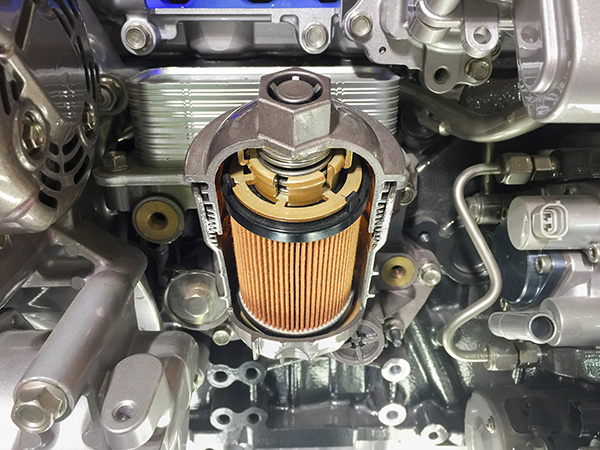
Fuel filters often sit along the fuel line. Many are near the fuel tank or under the car. Some are in the engine bay close to the fuel injectors. Older vehicles may have the filter inside the fuel pump assembly. Others place it under the car frame or near the gas tank. Look for a small cylindrical part with fuel lines attached.
Using The Vehicle Manual
The vehicle manual is the best guide to find the fuel filter. It shows exact locations and part descriptions. Manuals include pictures or diagrams to help. Check the index under “fuel system” or “fuel filter.” Follow the instructions carefully for safety and accuracy. This step avoids unnecessary damage or confusion.

Credit: www.youtube.com
Removing The Old Fuel Filter
Removing the old fuel filter is the first step in fixing a clogged fuel filter. This part stops dirt and rust from reaching your engine. Over time, it gets dirty and blocks fuel flow. Taking out the old filter helps improve engine performance and fuel efficiency.
Before you start, prepare the right tools and safety gear. Work in a well-ventilated area. Fuel is flammable, so take care to avoid spills and sparks.
Relieving Fuel System Pressure
Fuel systems have pressure to push fuel to the engine. Release this pressure to avoid fuel spray. Start by turning off the engine. Find the fuel pump fuse in the fuse box and remove it. Then, start the engine until it stops. This step uses up fuel in the lines. Now, the pressure is low, and you can work safely.
Disconnecting Fuel Lines
Next, locate the fuel lines connected to the filter. Use a wrench or special tool to loosen the fittings. Be ready with a rag to catch any fuel drips. Slowly disconnect the lines to prevent fuel from spilling. Keep the lines clear and away from sharp objects.
Taking Out The Filter
Look for the clips or bolts holding the filter in place. Remove these carefully. Pull the filter out gently. Note how it is positioned to help with the new filter installation. Dispose of the old filter properly. Do not throw it in regular trash because it contains fuel residues.
Installing The New Fuel Filter
Installing the new fuel filter is a key step in fixing a clogged fuel filter. This process ensures your vehicle gets clean fuel for smooth running. Follow these simple steps carefully to avoid any mistakes and keep your fuel system in good shape.
Checking Filter Orientation
Every fuel filter has a direction for fuel flow. Look for an arrow on the filter body. This arrow shows which way the fuel should go. Installing the filter the right way is important. The wrong direction can block fuel flow and cause engine issues.
Securing The Filter
Place the new filter in the holder or bracket. Use the clips or screws to hold it firmly. The filter should not move or shake. A loose filter can cause leaks or damage. Tighten all fasteners just enough to keep the filter stable.
Reconnecting Fuel Lines
Attach the fuel lines to the filter’s inlet and outlet ports. Push the lines fully onto the connectors. Use clamps or clips to secure the lines. Check for any gaps or loose connections. Proper sealing stops fuel leaks and keeps pressure steady.
Testing After Replacement
After replacing a clogged fuel filter, testing is essential to ensure everything works well. This step helps confirm the filter is installed correctly and fuel flows properly. Testing also reveals any issues that might need fixing before driving the vehicle.
Starting The Engine
Turn the key to start the engine. Listen carefully for any unusual sounds. The engine should start smoothly without hesitation. If it struggles to start, the fuel filter might not be installed correctly.
Checking For Leaks
Look under the car and around the fuel filter for any signs of fuel leaks. Fuel leaks are dangerous and can cause fire hazards. Tighten any loose connections or replace damaged parts immediately.
Monitoring Performance
Drive the vehicle slowly and observe how it runs. The engine should run smoothly without sputtering or stalling. Check if the acceleration feels normal and steady. If performance issues persist, recheck the filter installation or fuel lines.
Preventing Future Clogs
Preventing future clogs in your fuel filter keeps your engine running smoothly. Clean fuel flows better and helps avoid costly repairs. Taking small steps today saves time and money later.
Using Quality Fuel
Choose fuel from trusted stations only. Cheap fuel often contains dirt and water. These contaminants block your fuel filter quickly. High-quality fuel reduces debris and protects your filter.
Keep an eye on fuel storage. Avoid filling from old or dirty tanks. Clean fuel means less risk of clogging in your system.
Regular Maintenance Tips
Check your fuel filter regularly. Follow the manufacturer’s recommended schedule. Replace the filter before it becomes too dirty. A clean filter helps your engine perform well.
Inspect fuel lines for cracks or leaks. Fix any damage right away. Clean fuel lines reduce the chance of dirt entering the filter. Consistent checks keep your vehicle reliable.
Frequently Asked Questions
What Are The Signs Of A Clogged Fuel Filter?
A clogged fuel filter causes engine misfires, stalling, and poor acceleration. You may notice rough idling or hard starts. Fuel efficiency often drops due to restricted fuel flow. Checking these symptoms helps identify filter issues early.
How Do I Replace A Clogged Fuel Filter?
First, relieve fuel system pressure and disconnect the battery. Locate the fuel filter, then remove the old one carefully. Install the new filter in the correct direction. Reconnect the battery and test for leaks before starting the engine.
Can I Clean A Clogged Fuel Filter Instead?
Cleaning a fuel filter is not recommended as a permanent fix. Most filters are designed for replacement only. Cleaning may temporarily improve flow but risks damage or contamination. Replacing the filter ensures proper fuel system performance and longevity.
How Often Should I Change My Fuel Filter?
Change your fuel filter every 20,000 to 40,000 miles, depending on your vehicle. Refer to your owner’s manual for specific intervals. Regular replacement prevents clogging and protects the fuel pump and engine.
Conclusion
A clogged fuel filter can cause many car problems. Cleaning or replacing it helps your engine run smoothly. Check the filter regularly to avoid breakdowns. Use the right tools and follow safety steps. Taking care of your fuel filter saves money and time.
Keep your vehicle healthy and enjoy a better drive. Simple actions make a big difference in car care. Stay alert to signs of clogging and act fast. Your car will thank you with better performance.

