

Have you noticed your car acting up lately? Maybe it’s losing power, stalling, or struggling to start.
These could be signs that your fuel filter is bad. But how do you know for sure? Your fuel filter plays a crucial role in keeping your engine running smoothly by blocking dirt and debris from reaching vital parts. Ignoring a clogged or damaged fuel filter can lead to costly repairs and leave you stranded.
You’ll discover the clear signs to watch for and simple ways to check if your fuel filter needs attention. Keep reading to protect your vehicle and save yourself time and money.

Credit: www.youtube.com
Fuel Filter Role
The fuel filter plays a key role in keeping your vehicle’s engine clean. It stops dirt and debris from reaching the engine. This helps the engine work smoothly and last longer. Knowing its role helps you understand why it needs care.
Purpose In Fuel System
The fuel filter cleans the fuel before it reaches the engine. Fuel can have dust, rust, and other small particles. The filter traps these particles, stopping them from entering the engine. This keeps the fuel system parts safe. It also helps maintain proper fuel flow.
Impact On Engine Performance
A clean fuel filter keeps the engine running well. It allows fuel to flow freely and burn efficiently. A bad filter can block fuel flow. This causes the engine to run rough or lose power. It may also cause hard starting and poor fuel economy.
Common Symptoms
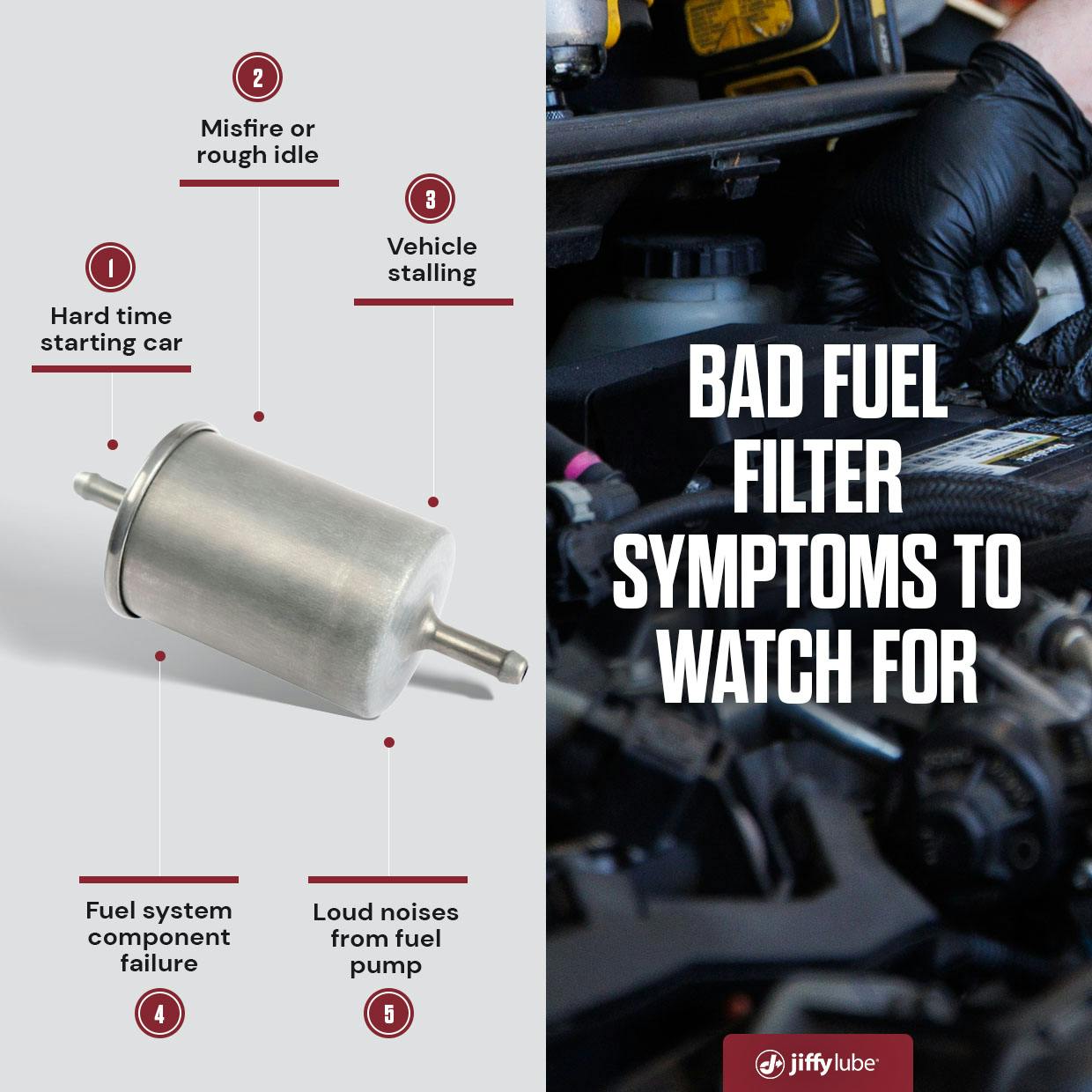
Recognizing the signs of a bad fuel filter helps you avoid bigger car problems. A clogged or dirty fuel filter stops fuel from flowing properly. This causes several issues that affect your car’s performance. Below are common symptoms to watch for.
Engine Misfires
Engine misfires happen when fuel flow is uneven. The engine may jerk or hesitate during acceleration. Misfires can cause rough idling and strange noises. This is a clear sign your fuel filter may be blocked.
Reduced Power
Your car feels weak or slow. It struggles to speed up or climb hills. This happens because the engine does not get enough fuel. A bad fuel filter can cause this loss of power.
Starting Issues
The car takes longer to start or won’t start at all. This happens because fuel cannot reach the engine easily. A clogged fuel filter often causes hard starts or no start at all.
Stalling Problems
The engine stops running suddenly while driving. This can be dangerous on the road. Stalling often means the fuel filter is dirty or blocked. Fuel flow is cut off, causing the engine to shut down.
Visual Inspection Tips
Visual inspection helps spot signs of a bad fuel filter early. It saves time and avoids costly repairs. Simple checks can reveal leaks, dirt, or poor fuel quality affecting the filter.
Check For Leaks
Look closely around the fuel filter for wet spots or stains. Leaks often appear as dark, oily patches. Check the connections and hoses for cracks or loose fittings. Leaking fuel can cause engine problems and waste fuel.
Filter Condition
Examine the filter body for cracks, dents, or rust. A damaged filter cannot work properly. If the filter looks dirty or clogged, it may need replacement. Clean filters help the engine run smoothly and save fuel.
Fuel Quality
Check the fuel inside the filter for color and clarity. Clean fuel is usually clear or light yellow. Dark or cloudy fuel means dirt or water is present. Bad fuel can clog the filter and harm the engine.
Credit: www.jiffylube.com
Simple Testing Methods
Simple testing methods help check if your fuel filter works well. These tests are easy and do not need special tools. You can do them yourself or with little help from a mechanic. Knowing these tests saves time and money by spotting problems early.
Fuel Pressure Test
The fuel pressure test shows if fuel flows correctly to the engine. Use a fuel pressure gauge for this test. Connect the gauge to the fuel rail or line. Start the engine and watch the gauge. Low pressure means the filter might be clogged. Normal pressure means the filter is likely fine. Always compare the reading to your car’s manual specs.
Flow Rate Check
The flow rate check measures how fast fuel passes through the filter. Remove the filter carefully. Pour clean fuel through it into a container. Time how long it takes to pass a set amount. Slow flow means the filter blocks fuel flow. A good filter lets fuel pass quickly and easily. Repeat the test to confirm results.
When To Replace
Knowing when to replace your fuel filter is key to keeping your vehicle running smoothly. A fuel filter stops dirt and debris from reaching the engine. Over time, it clogs and loses its ability to protect your engine. Timing the replacement right avoids engine trouble and saves money on repairs.
Manufacturer Recommendations
Car makers set a schedule for fuel filter changes. This schedule depends on the type and model of your car. Check your owner’s manual for the exact interval. Usually, it is every 20,000 to 40,000 miles. Sticking to this schedule helps maintain engine health and fuel efficiency.
After Symptoms Appear
Signs of a bad fuel filter mean it’s time to replace it fast. Watch for engine problems like stalling or rough idling. Notice if the car hesitates when you press the gas. A clogged filter can reduce engine power and cause misfires. These symptoms show the filter is blocking fuel flow and needs changing.
Preventive Maintenance
Preventive maintenance helps keep your fuel system healthy and your car running smoothly. Checking and caring for your fuel filter can stop problems before they start. This saves money and avoids breakdowns. Simple steps done regularly extend your vehicle’s life and improve performance.
Regular Checks
Look at your fuel filter often. Some cars have filters easy to see or reach. Check for dirt or damage. Listen for engine trouble like rough idling or slow starts. These signs mean the filter may be clogged. Changing the filter on time keeps fuel flowing well.
Fuel Quality Care
Use clean, good-quality fuel. Bad fuel clogs the filter faster. Avoid filling up at unknown or low-grade stations. Additives and dirt in fuel harm the filter. Keeping fuel clean helps the filter last longer and keeps your engine healthy.

Credit: oilchangers.com
Frequently Asked Questions
How Do I Recognize A Bad Fuel Filter?
A bad fuel filter causes poor engine performance, stalling, and difficulty starting. Check for reduced fuel efficiency and unusual engine noises. Regular inspection helps prevent damage and maintain smooth engine operation.
What Symptoms Indicate A Clogged Fuel Filter?
Symptoms include engine misfires, hesitation during acceleration, and uneven idling. You may notice decreased power and frequent stalling. These signs suggest fuel flow restrictions due to a clogged filter.
Can A Bad Fuel Filter Cause Engine Stalling?
Yes, a bad fuel filter can restrict fuel flow, causing the engine to stall. This happens especially under load or at high speeds. Replacing the filter restores proper fuel delivery and prevents stalls.
How Often Should I Replace My Fuel Filter?
Typically, replace the fuel filter every 20,000 to 30,000 miles. Check your vehicle’s manual for specific intervals. Regular replacement ensures optimal fuel flow and prevents engine issues.
Conclusion
A bad fuel filter can cause serious engine problems. Watch for rough idling, slow acceleration, or engine misfires. These signs mean your fuel filter might need changing. Regular checks help keep your car running smoothly. Don’t wait until your car breaks down.
Clean fuel means better engine performance and longer life. Stay alert to these simple warning signs. Your car will thank you with better fuel efficiency and power. Taking care of your fuel filter saves money and stress. Keep your vehicle healthy by acting early.


