Have you noticed your car acting up lately? Maybe it’s struggling to start, losing power, or stalling unexpectedly.
These problems can be frustrating and even dangerous. One common cause behind these issues might be a bad fuel filter. But how can you tell if your fuel filter is the real problem? Understanding the signs can save you time, money, and prevent bigger engine troubles.
Keep reading, and you’ll learn exactly what to watch for so you can keep your vehicle running smoothly.

Credit: www.youtube.com
Fuel Filter Role
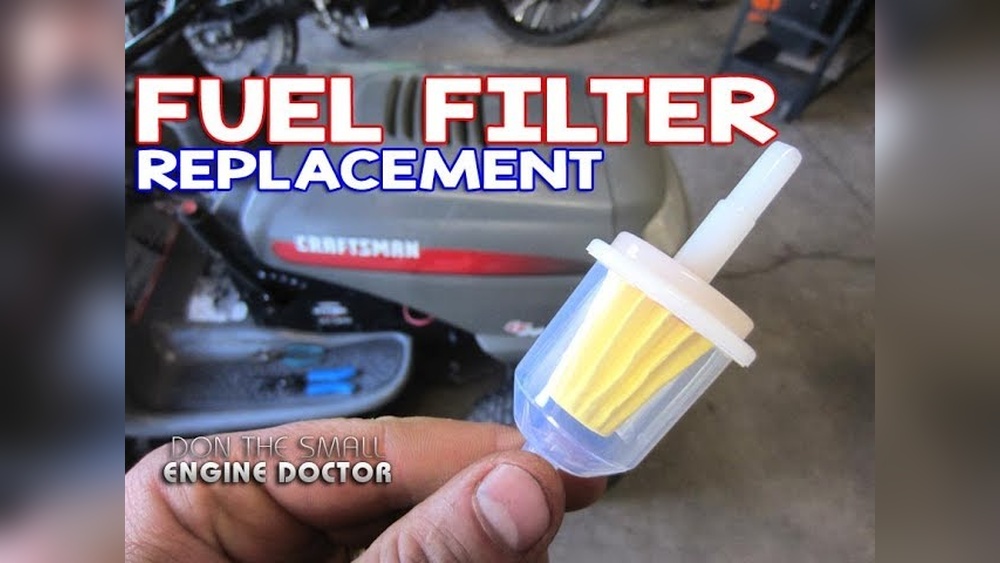
The fuel filter plays a key role in your vehicle’s fuel system. It keeps the fuel clean by trapping dirt, rust, and other particles. Clean fuel helps the engine run smoothly and prevents damage. A bad fuel filter can cause many engine problems.
Understanding the fuel filter’s role helps spot signs of a bad filter early. This keeps your car healthy and avoids costly repairs.
Purpose In Fuel System
The fuel filter removes impurities from the fuel before it reaches the engine. Dirt and debris can clog the engine if not filtered out. The filter protects the fuel injectors and engine parts. It ensures only clean fuel flows into the engine for combustion.
A clean fuel filter helps maintain proper fuel flow. It also prevents engine wear caused by dirty fuel. Without a working filter, your engine faces risks of damage and poor performance.
Impact On Engine Performance
A clogged fuel filter limits fuel flow to the engine. This makes the engine struggle to get enough fuel. The vehicle may experience rough idling or difficulty starting. You might notice loss of power during acceleration.
Fuel starvation can cause engine misfires and poor fuel economy. Over time, a bad fuel filter leads to engine damage. Regular filter checks improve engine health and performance.
Common Symptoms
Knowing the common symptoms of a bad fuel filter helps protect your engine. A clogged or dirty fuel filter blocks fuel flow. This causes several noticeable problems. Watch for signs that your vehicle needs a fuel filter check or replacement. Early detection saves time and money.
Engine Misfires And Hesitation
Engine misfires happen when the fuel supply is uneven. The engine may jerk or hesitate during acceleration. This is a key sign of a clogged fuel filter. The fuel cannot reach the engine smoothly. Misfires reduce engine power and cause rough driving.
Difficulty Starting Vehicle
A bad fuel filter makes it hard for fuel to reach the engine. This causes trouble starting your car. You might hear the engine crank longer than usual. Sometimes, the engine won’t start at all. This symptom shows the fuel filter needs attention fast.
Reduced Fuel Efficiency
A clogged fuel filter lowers the engine’s fuel flow. The engine works harder and uses more fuel. You will notice your car’s mileage drops. Reduced fuel efficiency means higher fuel costs. Check the fuel filter if your gas tank empties faster.
Unusual Engine Noises
Strange noises from the engine can signal fuel filter problems. You might hear sputtering, knocking, or whining sounds. These noises occur when the engine struggles for fuel. A clean fuel filter helps the engine run quietly and smoothly.
Visual Inspection Tips
Visual inspection is the first step to find out if your fuel filter is bad. It helps spot obvious issues fast. A careful look can save you from bigger problems later. Here are simple tips to check your fuel filter closely.
Checking For Leaks
Start by examining the area around the fuel filter. Look for wet spots or stains. These signs mean fuel might be leaking. Leaks can cause poor engine performance or even be dangerous. Check all hoses connected to the filter. Make sure clamps are tight and secure. Any crack or loose connection needs fixing right away.
Filter Condition And Age
Check the filter’s surface for dirt or rust. A dirty or rusty filter may block fuel flow. Note how old the filter is. Most filters should be replaced every 20,000 to 40,000 miles. If it looks worn or you don’t know its age, change it. A fresh filter helps keep your engine running smoothly.

Credit: www.youtube.com
Diagnostic Methods
Knowing if your fuel filter is bad helps keep your car running well. There are clear ways to check the filter’s condition. These diagnostic methods show if fuel flow is blocked or pressure is low. They help find problems early, saving time and money on repairs.
Using Pressure Gauges
Pressure gauges measure fuel pressure in the fuel line. Low pressure means the filter might be clogged. To test, connect a pressure gauge to the fuel rail or line. Start the engine and watch the gauge reading. Compare it to the manufacturer’s recommended pressure. A drop below this level signals a bad filter.
Fuel Flow Tests
Fuel flow tests check how well fuel moves through the filter. Remove the fuel line after the filter. Direct fuel into a container for a few seconds. A strong, steady flow means the filter is clear. Slow or weak flow shows the filter may be dirty or blocked. This test is simple and effective for spotting issues.
When To Replace
Knowing when to replace your fuel filter is important for your vehicle’s health. The fuel filter traps dirt and particles from the fuel. Over time, it can clog and reduce fuel flow. This affects engine performance and can cause damage. Timing the replacement right keeps your engine running smoothly and saves money on repairs.
Manufacturer Recommendations
Car makers give specific guidelines on fuel filter replacement. Check your vehicle’s owner manual for details. Most suggest changing the fuel filter every 20,000 to 40,000 miles. Some newer cars have filters that last longer. Follow these guidelines closely to avoid problems. Sticking to the schedule helps maintain fuel system health.
Signs Of Severe Clogging
Watch for signs that the fuel filter is clogged badly. The engine may hesitate or stall during acceleration. You might notice a drop in fuel efficiency. The car could have trouble starting or run roughly. These signs mean fuel flow is blocked. Replacing the filter quickly prevents engine damage and keeps your car reliable.
Preventive Maintenance
Preventive maintenance helps keep your vehicle running smoothly. It stops problems before they start. Checking your fuel filter regularly is a key step. A clean fuel filter ensures the engine gets clean fuel. This avoids damage and costly repairs down the road.
Regular Service Intervals
Follow your vehicle’s service schedule for fuel filter changes. Most manufacturers suggest changing it every 20,000 to 40,000 miles. Sticking to this schedule prevents clogs and poor engine performance. Regular checks catch issues early before they get worse. Your mechanic can inspect the filter during routine services.
Fuel Quality Importance
Use good quality fuel to protect your filter. Dirty or low-grade fuel clogs the filter faster. Contaminants like dirt and water damage the filter’s material. Avoid filling up at unknown or suspicious fuel stations. Clean fuel helps the filter last longer and keeps your engine healthy.

Credit: oilchangers.com
Frequently Asked Questions
How Do I Know If My Fuel Filter Is Clogged?
A clogged fuel filter causes engine sputtering and poor acceleration. Check for difficulty starting and decreased fuel efficiency. Inspect the filter visually or have a mechanic test fuel flow to confirm clogging.
What Are Common Symptoms Of A Bad Fuel Filter?
Common signs include engine misfires, stalling, hesitation during acceleration, and unusual noises. A bad filter restricts fuel flow, affecting engine performance and causing these issues.
Can A Bad Fuel Filter Cause Engine Misfires?
Yes, a bad fuel filter limits fuel supply, causing inconsistent combustion. This leads to engine misfires, rough idling, and reduced power during driving.
How Often Should I Replace My Fuel Filter?
Replace the fuel filter every 20,000 to 40,000 miles or as recommended by your vehicle’s manual. Regular replacement prevents clogging and maintains optimal engine performance.
Conclusion
A bad fuel filter can cause many car problems. Signs like engine trouble, poor fuel flow, and strange noises matter. Checking and changing the fuel filter helps your car run smoothly. Clean fuel keeps the engine healthy and saves money on repairs.
Watch for symptoms early to avoid bigger issues. Taking care of your fuel filter keeps your car reliable and safe. Keep an eye on your vehicle’s performance for any changes. Regular maintenance makes a big difference in how your car drives.