

When it comes to changing your fuel filter, one question often trips people up: How do you know which way your fuel filter goes? Installing it the wrong way can cause serious engine problems or make your vehicle run poorly.
But don’t worry—this guide will help you understand exactly how to identify the correct direction for your fuel filter. By the end, you’ll feel confident and ready to get the job done right the first time. Keep reading to avoid costly mistakes and keep your engine running smoothly.
Identifying Fuel Filter Orientation
Identifying the correct orientation of your fuel filter is key for your engine’s health. Installing it the right way ensures proper fuel flow and avoids damage. This section explains how to spot the direction and fit the filter correctly.
Spotting The Flow Direction Arrow
Most fuel filters have a small arrow on the body. This arrow shows the fuel flow direction. Make sure the arrow points from the fuel tank side toward the engine. Installing the filter backward can block fuel and cause engine issues.
Matching Inlet And Outlet Ports
Fuel filters have two ports: inlet and outlet. The inlet connects to the fuel line from the tank. The outlet leads to the engine side. Check the filter ports carefully to match these connections. The sizes or shapes may differ to help guide proper installation.
Checking For Labels And Markings
Look for labels or markings on the filter casing. Words like “IN” or “OUT” show the correct connection points. Some filters also have a sticker with installation instructions. Always read these markings before fitting the filter to avoid mistakes.
Credit: www.reddit.com
Common Fuel Filter Types
Fuel filters come in different types. Each type fits specific vehicles and engines. Knowing the type helps you install it correctly. It also ensures your engine gets clean fuel. Below are the common fuel filter types you may find.
Inline Fuel Filters
Inline fuel filters sit directly on the fuel line. Fuel flows through them like a pipe. They are usually small and cylindrical. You can spot them under the car or near the engine. Inline filters are easy to replace. They clean fuel before it reaches the engine parts.
Cartridge Fuel Filters
Cartridge fuel filters have a replaceable element inside a housing. The housing stays fixed in the car. You remove the old cartridge and insert a new one. These filters are common in modern cars. They offer good filtration and easy maintenance. Cartridge filters keep dirt and rust out of fuel.
Canister Fuel Filters
Canister fuel filters look like small metal cans. They have an inlet and outlet for fuel. These filters often screw into the fuel system. Canister filters provide strong protection against impurities. They are durable and work well in tough conditions. Changing them requires unscrewing and replacing the whole unit.
Tools To Help With Installation
Installing a fuel filter correctly needs the right tools. These tools make the job easier and safer. They help you avoid mistakes and save time. Knowing which tool to use can guide you in placing the fuel filter properly.
Using A Fuel Line Disconnect Tool
A fuel line disconnect tool helps remove the fuel lines without damage. It fits around the fuel line connectors. You press or turn the tool to release the clips. This tool makes it simple to detach fuel lines quickly.
Using this tool reduces the risk of breaking plastic parts. It also prevents fuel leaks during removal. The tool is small and easy to handle. It is a must-have for installing or replacing fuel filters.
Visual Inspection Tools
Good lighting and a magnifying glass help check the fuel filter. Look for arrows or labels that show fuel direction. Clear visibility ensures you install the filter the right way. A flashlight can brighten dark engine spaces for better view.
Visual tools help spot cracks or damage on the filter. They aid in confirming the filter is clean and ready to use. These simple tools improve accuracy during installation.
Referencing Vehicle Manuals
Vehicle manuals provide exact details about the fuel filter. They show the correct direction and placement. Manuals explain which side the fuel flows through the filter. Following these instructions avoids installation errors.
Manuals also list any special tools needed for your vehicle. They guide you step-by-step through the process. Always keep the manual nearby when working on your fuel system.

Credit: www.youtube.com
Signs Of Incorrect Installation
Installing a fuel filter the wrong way can cause many problems. It stops the fuel from flowing correctly. This harms the engine and can make your car unsafe to drive. Watch for signs that show the filter is not installed right. Catching these early can save time and money.
Engine Performance Issues
The engine may run rough or lose power. You might feel a drop in acceleration. The car could hesitate during driving. These happen because fuel flow is blocked or weak. The wrong filter direction stops fuel from reaching the engine smoothly.
Fuel Leaks And Smells
Fuel can leak around the filter area. You may notice a strong smell of gasoline. This happens if the filter seals are not tight. Wrong installation can cause cracks or loose fittings. Leaks are dangerous and need quick attention.
Difficulty Starting The Engine
The engine may struggle or fail to start. The fuel system gets air pockets or blockages. The filter installed backward stops fuel from passing. You turn the key but the engine does not catch. This is a clear sign the filter is wrong.
Expert Tips For Proper Installation
Proper installation of a fuel filter is key for your vehicle’s smooth running. Even a small mistake can cause fuel flow problems or engine trouble. Follow expert tips to install the fuel filter correctly and avoid common issues. These simple steps help keep your engine healthy and fuel system clean.
Double Check The Flow Direction
Look for an arrow on the fuel filter. It shows the fuel flow direction. The arrow must point toward the engine, not the fuel tank. Installing the filter backward blocks fuel flow. This can cause poor engine performance or stalling. Always match the arrow with the fuel line direction.
Secure All Connections
Make sure all fuel lines fit tightly on the filter. Use clamps or connectors as needed. Loose connections cause fuel leaks, which are dangerous. Check for any cracks or damage on hoses. Tighten clamps firmly but avoid overtightening. Proper sealing prevents leaks and keeps fuel pressure steady.
Replace Fuel Filter Regularly
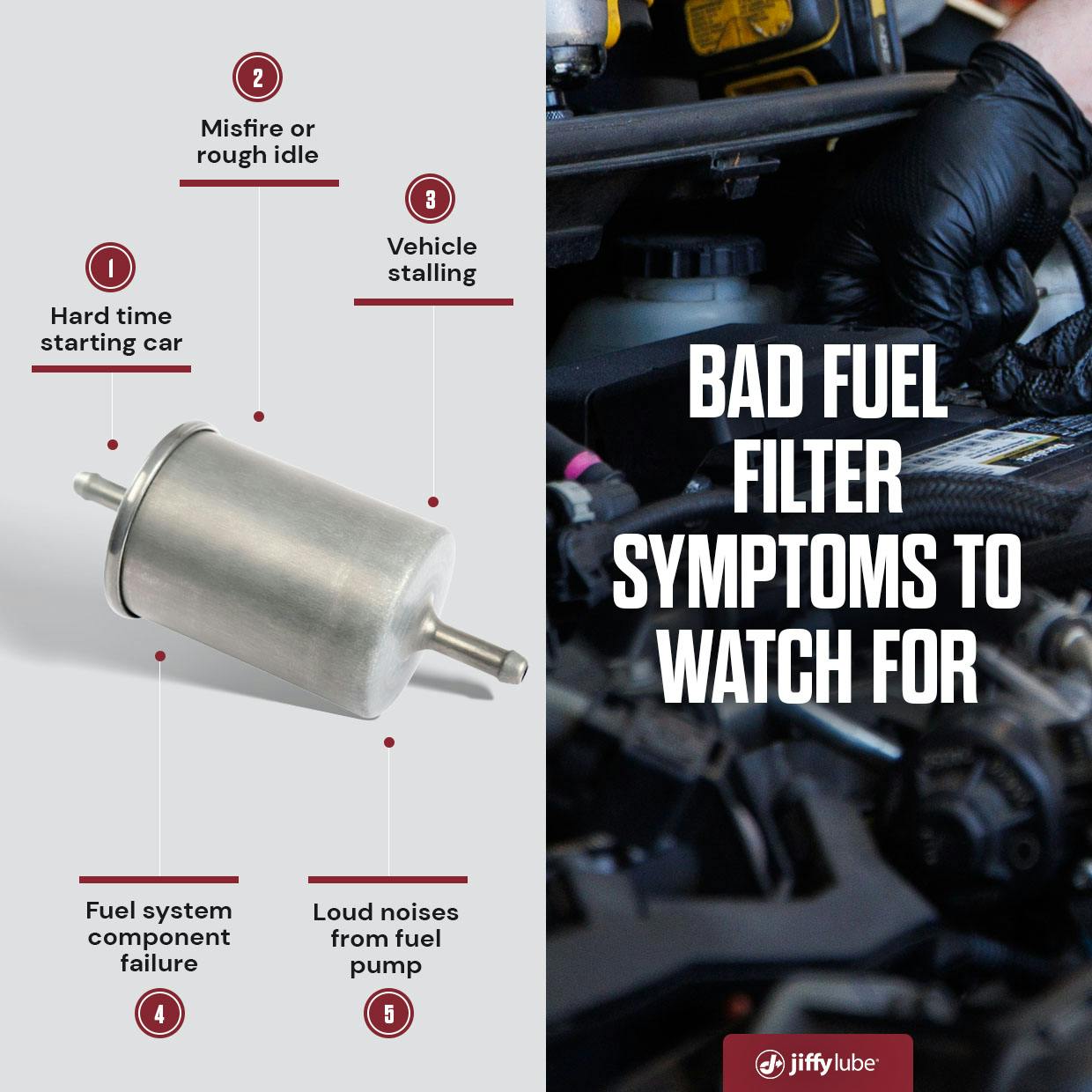
Fuel filters get dirty over time. A clogged filter reduces fuel flow and hurts engine power. Follow your vehicle’s maintenance schedule for replacement. Usually, replace the filter every 20,000 to 30,000 miles. Regular changes keep fuel clean and protect your engine parts. Don’t wait for problems to appear.
Credit: www.jiffylube.com
Frequently Asked Questions
How Can I Identify The Correct Fuel Filter Direction?
Look for an arrow on the fuel filter body. It shows fuel flow direction. Install the filter so the arrow points from the fuel tank to the engine.
What Happens If The Fuel Filter Is Installed Backward?
Installing backward blocks fuel flow. This causes engine performance issues or prevents starting. Always follow the arrow direction to avoid damage.
Are There Markings To Check Fuel Filter Orientation?
Yes, most filters have an arrow or label. It indicates the correct flow direction. Always inspect these markings before installation.
Can I Rely On Fuel Line Connections For Filter Direction?
Fuel line size or shape may help. However, always confirm with the filter’s directional arrow. This ensures proper installation and fuel flow.
Conclusion
Knowing the correct direction for your fuel filter is key to keeping your engine healthy. Look for arrows or markings on the filter body. These show the flow from the fuel tank to the engine. Installing it wrong can cause fuel problems or damage.
Take your time and check twice before fitting. A properly placed filter helps your car run smoothly. Simple steps like these save time and money later. Keep your vehicle in good shape with the right fuel filter direction.


