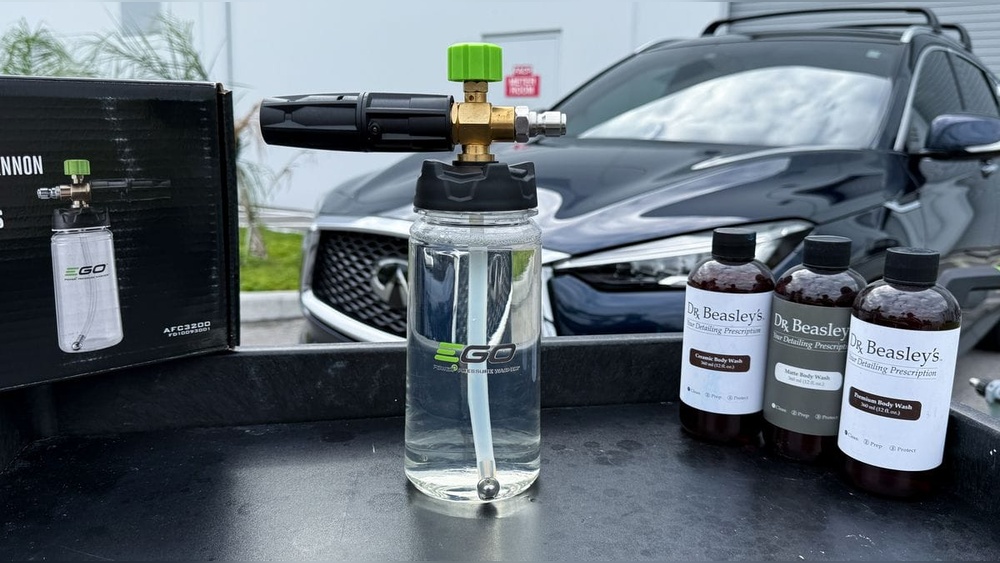
Are you tired of your foam cannon spraying weak, watery foam that doesn’t stick or cover your car properly? You want thick, rich foam that clings to every inch, making washing easier and more effective.
Luckily, making your foam cannon more foamy isn’t as tricky as it sounds. You’ll discover simple, practical tips that will transform your foam output from thin to thick. Keep reading, and you’ll soon enjoy a car wash experience that feels professional and satisfying every time.
Choosing The Right Foam Cannon
Choosing the right foam cannon makes a big difference in foam quality. A good foam cannon produces thick, dense foam that clings well. Picking the correct parts and matching them properly helps create the best foam. Focus on three main areas to improve foam output and consistency.
Selecting Quality Nozzles
Nozzles control the foam’s spray pattern and thickness. High-quality nozzles create a fine mist that holds soap well. Look for nozzles with adjustable spray settings. This allows you to change foam density and coverage easily. Cheap nozzles often produce weak or watery foam.
Matching Foam Cannon With Pressure Washer
Your foam cannon must fit your pressure washer’s power. Check the pressure washer’s PSI and GPM ratings. Choose a foam cannon designed for those levels. Using a foam cannon that matches your washer ensures the right soap mixture. This balance creates thick foam without wasting soap.
Material Matters
Foam cannons made from strong materials last longer and perform better. Look for parts made of brass or stainless steel. Plastic components can wear out quickly and leak. Durable materials keep the foam cannon working well over time. This also helps maintain consistent foam quality.
Optimizing Soap And Water Mix
Optimizing the soap and water mix is key to creating thick, foamy suds with your foam cannon. The right combination makes the foam dense and long-lasting. This section explains how to get the best mix for maximum foam.
Best Soap Types For Thick Foam
Choose soaps designed for foam cannons or car washes. They contain surfactants that help create rich foam. Avoid dish soaps or harsh cleaners. They break down foam quickly and can damage your car’s paint. Look for pH-balanced, biodegradable soaps. These protect surfaces and produce thicker bubbles.
Proper Dilution Ratios
Mix soap and water carefully. Too much soap can cause suds to be thin or sticky. Too little soap makes weak foam. Start with a ratio of 1 part soap to 10 parts water. Adjust slightly depending on the soap’s strength. Experiment to find the perfect balance for your foam cannon.
Using Warm Water
Warm water helps soap dissolve better. It improves foam quality and density. Use water between 90°F and 110°F (32°C to 43°C). Avoid hot water that can reduce foam life. Warm water also helps spread the soap evenly through the mix.
Adjusting Foam Cannon Settings
Adjusting your foam cannon settings helps create thick, rich foam. You control how much soap mixes with water. You also shape the spray for better coverage. These small changes make a big difference in foam quality.
Tuning Soap Flow
Soap flow controls how much detergent the foam cannon uses. Turn the soap knob slowly to increase or decrease soap. More soap means thicker foam. Less soap makes thinner foam but rinses faster. Find a balance for the best foam texture.
Controlling Water Pressure
Water pressure affects how the foam forms and sprays. Higher pressure pushes more water, creating finer bubbles. Lower pressure may cause weak foam. Adjust your pressure washer’s settings to match your foam cannon. Strong pressure helps produce dense, long-lasting foam.
Fine-tuning Spray Patterns
Spray patterns affect how foam covers your car. Wide spray covers large areas quickly but uses more soap. Narrow spray focuses foam on tight spots. Rotate the nozzle to change patterns. Test different sprays to see which works best for your cleaning needs.

Credit: captainspreferredproducts.com
Enhancing Application Techniques
Improving foam thickness starts with how you apply it. Small changes in technique can make your foam cannon work better. Focus on applying foam evenly and with the right pressure. This helps create a thick, rich foam that sticks well to surfaces.
Ideal Distance And Angle
Hold the foam cannon about 1 to 2 feet from the surface. Too close, the foam sprays too hard and breaks down. Too far, the foam loses thickness and splatters.
Spray at a slight angle rather than straight on. This helps the foam cover more area and cling better. A 30 to 45-degree angle works well for most surfaces.
Pre-wetting Surfaces
Start by spraying water lightly on the surface. Wet surfaces help foam stick and spread evenly. Dry surfaces cause the foam to slide off quickly.
Pre-wetting also prevents soap from drying too fast. This keeps the foam thick longer for better cleaning power.
Layering Foam For Thickness
Apply foam in thin layers instead of one heavy spray. Let each layer settle for a few seconds before adding more.
This builds up foam thickness without it falling off. Layering also ensures better coverage on all parts of the surface.
Maintenance Tips For Consistent Foam
Keeping your foam cannon in good shape is key to getting thick, rich foam every time. Regular maintenance stops problems that reduce foam quality. Small steps can keep your equipment working well and extend its life.
Clean parts and store the foam cannon properly. Fix small issues fast. These habits help you enjoy smooth, foamy results with less effort.
Cleaning Nozzles And Hoses
Dirty nozzles block foam flow. Rinse nozzles with warm water after each use. Use a soft brush to remove dirt and soap build-up. Check hoses for debris or soap residue inside. Flush hoses with clean water to clear blockages. Clean parts dry before reassembling.
Preventing Clogs
Clogs reduce foam pressure and quality. Use filtered water to avoid particles in the system. Always rinse the foam cannon after use to remove soap residue. Avoid thick or old soap that can stick inside. Run clean water through the cannon between uses to flush soap out.
Storing Equipment Properly
Store your foam cannon in a dry, cool place. Avoid direct sunlight and freezing temperatures. Drain all water and soap from hoses and nozzles before storage. Keep parts in a clean container to stop dust and dirt from settling. Proper storage prevents damage and keeps foam quality high.

Credit: www.youtube.com
Troubleshooting Common Foam Issues
Getting thick, rich foam from your foam cannon can sometimes be tricky. Many users face common foam problems. These issues can stop your foam from looking full and lasting long. Understanding how to fix these problems makes your foam cannon work better.
Troubleshooting foam issues is simple with a few checks. Small changes in your setup or soap mix can improve foam quality. Let’s explore how to solve common foam problems step-by-step.
Fixing Thin Or Weak Foam
Thin foam means the soap mix is too weak. Increase the soap concentration slightly to get thicker foam. Use a foam cannon soap made for foam guns. Check your water pressure. Low pressure can cause thin foam. Adjust the foam cannon nozzle to a tighter setting. This helps create more foam. Clean your foam cannon regularly. Dirt can block soap flow and weaken foam.
Addressing Foam That Dissipates Quickly
Foam that disappears fast lacks strong bubbles. Use a high-quality, foaming car soap. Avoid soaps with wax or polish; they break foam faster. Spray foam on a cool surface. Heat breaks down foam quickly. Apply foam evenly without rushing. Let it sit for a few minutes to build. Add a foam booster product to your mix for longer-lasting foam.
Dealing With Uneven Foam Coverage
Uneven foam means soap or water spray is not balanced. Check the foam cannon’s spray pattern. Adjust the nozzle to get an even fan shape. Move the spray wand smoothly across the surface. Spray too close or too far can cause spots. Make sure the soap mix flows evenly through the cannon. Clean the nozzle if blocked for smooth spray. Practice spraying to cover all areas evenly.

Credit: captainspreferredproducts.com
Frequently Asked Questions
How Can I Increase Foam Thickness In My Foam Cannon?
To increase foam thickness, use a high-quality soap designed for foam cannons. Adjust the soap-to-water ratio for richer suds. Also, increase the foam cannon’s pressure setting if possible. Cold water helps create denser foam. Clean the nozzle regularly to avoid blockages that reduce foam quality.
What Soap Type Works Best For Foam Cannons?
Use pH-balanced, car wash-specific soaps or foaming detergents. These soaps produce thick, long-lasting foam without damaging paint. Avoid dish soaps or household cleaners as they can strip wax and paint protection. A soap with strong surfactants enhances bubble formation for a better foam experience.
Does Water Pressure Affect Foam Cannon Performance?
Yes, water pressure directly affects foam density. Higher pressure creates thicker foam by forcing more air and soap mixture through the nozzle. Ensure your pressure washer meets the foam cannon’s minimum PSI requirements. Low pressure results in weak foam and poor coverage.
How Often Should I Clean My Foam Cannon Nozzle?
Clean the nozzle after every use to maintain optimal foam output. Soap residue and dirt can clog the nozzle, reducing foam quality. Use warm water to rinse and a soft brush if needed. Regular cleaning prevents buildup and extends the cannon’s lifespan.
Conclusion
Making your foam cannon foamier takes simple steps. Use the right soap with good suds. Adjust the water-to-soap ratio carefully. Check your cannon’s nozzle and pressure settings. Clean your foam cannon regularly to avoid clogs. Try different soaps to find what works best.
Patience helps—small changes make big differences. Enjoy a thick, rich foam that cleans well. Keep these tips in mind for better foam every time. Your car wash will look cleaner and feel easier. Foam fun starts with these easy fixes.