

Are you planning a road trip with your RV and wondering how to tow your car safely behind it? Towing a car might seem tricky at first, but with the right steps, it can be simple and stress-free.
In this guide, you’ll discover clear, easy-to-follow tips that make towing your car smooth and secure. Keep reading to learn what you need, how to set everything up, and avoid common mistakes—so your trip goes exactly as planned.
Choosing The Right Tow Setup
Choosing the right tow setup is key to a safe and smooth trip. Each vehicle and RV combination needs a specific setup. The right equipment protects your car and your RV. It also makes towing easier and more stable. Understanding your options helps you pick the best setup for your needs.
Types Of Tow Bars
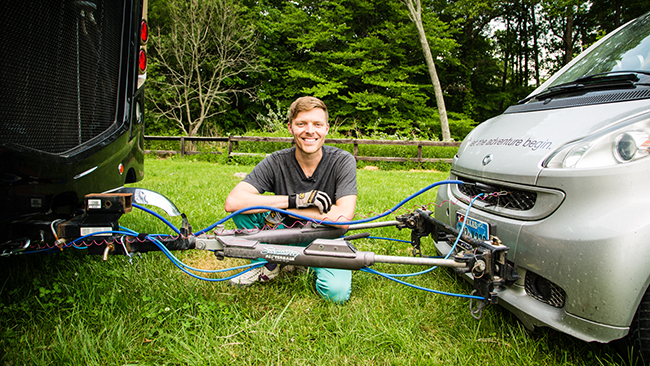
Tow bars connect your car directly to the RV. They allow your car to roll behind without extra wheels. There are several types, including A-frame, baseplate, and folding tow bars. A-frame bars are strong and simple. Baseplate bars attach to the car’s frame. Folding bars are easy to store.
Tow Dolly Vs. Flatbed Trailer
A tow dolly lifts the front wheels of your car off the ground. The rear wheels roll on the road. It is lighter and easier to store. Flatbed trailers carry the entire car off the ground. This setup protects all wheels and the car’s underbody. Flatbed trailers are better for long trips and heavy cars.
Essential Tow Equipment
Some gear is necessary for safe towing. Safety cables keep your car attached if the tow bar fails. A braking system helps stop the towed car. Wiring kits connect the car’s lights to the RV. A weight distribution hitch can improve balance and steering. Check all equipment before every trip.
Credit: www.gonewiththewynns.com
Preparing Your Rv And Car
Preparing your RV and car is essential before towing. It keeps the drive safe and smooth. Proper preparation helps avoid damage and accidents. Follow simple steps to get ready.
Checking Weight Limits
Know your RV’s towing capacity. Check the car’s weight too. Add the weight of any cargo inside the car. Never exceed the RV’s maximum towing limit. Overloading causes poor handling and unsafe conditions.
Inspecting Tow Connections
Examine the hitch and tow bar carefully. Make sure all parts fit tightly. Look for cracks or rust on connectors. Use safety chains and secure them properly. Check the electrical wiring for lights and signals.
Vehicle Maintenance Before Towing
Check tire pressure on both vehicles. Inspect brakes and make sure they work well. Fill the car’s gas tank to avoid problems. Change engine oil if needed. Test all lights and signals before you start driving.
Hooking Up The Car
Hooking up a car to an RV needs care and attention. This step is key for safe towing. Proper connection keeps the car secure on the road. Follow these simple steps to hook up your car correctly.
Connecting The Tow Bar
Start by aligning the tow bar with the car’s tow hitch. Make sure both parts are clean and free from rust. Attach the tow bar to the car’s hitch firmly. Check that the connection clicks or locks in place. This link holds the car close to the RV.
Attaching Safety Chains
Safety chains act as a backup if the tow bar fails. Cross the chains under the tow bar. Hook each chain to the RV’s designated anchor points. Make sure chains have enough slack to allow turns. Avoid letting chains drag on the ground.
Setting Up Electrical Connections
Electrical cables control the car’s brake lights and signals. Plug the RV’s electrical connector into the car’s socket. Test the lights by turning on the RV’s signals and brakes. Proper lighting keeps you visible and safe on the road.
Ensuring Car Readiness
Preparing your car for towing behind an RV is key to a smooth trip. Proper readiness helps avoid damage and ensures safety on the road. Take time to check the car carefully before hooking it up to the RV.
Neutral Gear And Parking Brake
Set your car’s transmission to neutral. This lets the wheels turn freely during towing. Do not use the parking brake. It locks the wheels and can cause damage while moving.
Steering Wheel Lock Considerations
Check if your steering wheel locks when the key is removed. A locked steering wheel can stop the car from rolling correctly. Use a steering wheel lock release or leave the key in the ignition if safe.
Tire Pressure And Suspension Checks
Ensure all tires are properly inflated. Correct tire pressure helps the car roll smoothly behind the RV. Inspect the suspension for any damage or wear. A stable suspension keeps the car steady during towing.
Driving With A Towed Vehicle
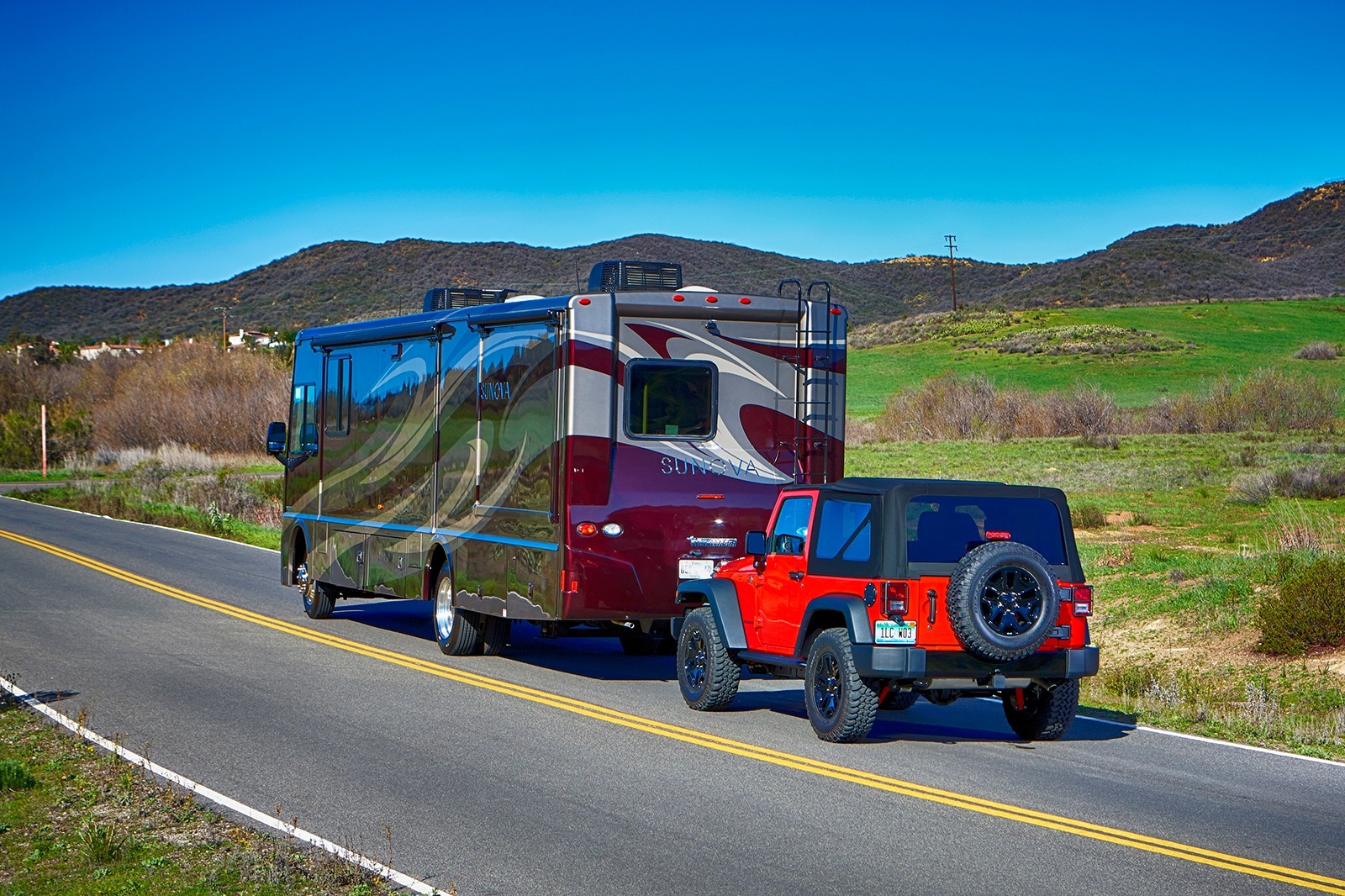
Driving with a towed vehicle behind an RV requires careful attention. The extra length and weight change how your RV handles. You must drive slower and more cautiously. This keeps you and others safe on the road. Understanding how to adjust your driving helps prevent accidents and damage.
Adjusting Driving Habits
Drive slower than usual. The extra weight affects acceleration and stopping. Leave more space between you and other vehicles. Avoid sudden lane changes or sharp moves. Watch your mirrors often to check the towed vehicle. Stay calm and focused on the road ahead.
Safe Turning And Braking
Make wider turns to avoid clipping curbs or signs. Take corners slowly. Brake gently and early to prevent jerking. Sudden stops can cause the towed vehicle to sway. Use your RV’s brake controller if available. This helps control the towed vehicle during braking.
Speed Limits And Road Restrictions
Follow posted speed limits for vehicles towing trailers. Many roads have lower speed limits for towing. Check local rules before traveling. Avoid steep hills or narrow roads when possible. Some highways restrict towing vehicles during bad weather. Plan your route to stay safe and legal.
Credit: www.edmunds.com
Unhooking And Post-tow Steps
Unhooking your car from the RV and completing post-tow steps are important for safety and maintenance. These steps help keep your equipment in good condition and ready for the next trip. Taking time to do this properly protects both your car and RV from damage.
Disconnecting The Tow Bar
Start by putting the car in park and turning off the engine. Release the safety chains and any locking pins on the tow bar. Slowly disconnect the tow bar from the car’s base plate. Keep the tow bar steady to avoid dropping or damaging it. Store the tow bar safely to prevent rust or wear.
Inspecting The Car And Rv
Check the car for any damage or loose parts after towing. Look at the tires, lights, and brakes to ensure they are intact. Inspect the RV’s hitch and connections for any signs of wear. Clean any dirt or debris from both vehicles to avoid corrosion. Fix small issues immediately to avoid bigger problems later.
Storage Tips For Tow Equipment
Store the tow bar in a dry, secure place to prevent rust. Coil safety chains neatly and hang them to avoid tangling. Keep all pins, bolts, and keys together in a labeled container. Regularly check the condition of all equipment before each trip. Proper storage extends the life of your towing gear and keeps it safe.
Troubleshooting Common Issues
Towing a car behind an RV can lead to some common issues. These problems might make your trip unsafe or stressful. Knowing how to fix them fast helps keep your journey smooth and safe. This section covers key problems you might face and easy ways to solve them.
Dealing With Sway And Stability
Sway happens when the car behind moves side to side. It can feel scary and unsafe. To reduce sway, check tire pressure on both vehicles. Keep the load balanced and avoid sudden moves. Use a sway control device if possible. Drive slower on windy roads or highways. Small changes in speed help keep control.
Handling Brake And Lighting Problems
Brakes and lights must work well on the towed car. Faulty brakes can cause accidents. Test the brake system before each trip. Check all lights, including brake lights and turn signals. Use a proper wiring kit for connection. Replace broken bulbs or wires quickly. Proper signals keep you and others safe on the road.
Emergency Procedures On The Road
Sometimes, problems happen despite all precautions. Know how to stop safely if the towed car breaks down. Pull over to a safe spot immediately. Turn on hazard lights on both vehicles. Use wheel chocks to stop the car from rolling. Call for roadside help if needed. Stay calm and keep passengers safe during emergencies.
Credit: foxrvtravel.com
Frequently Asked Questions
How Do I Prepare My Car For Towing Behind An Rv?
Ensure your car’s transmission, battery, and tires are ready. Check the owner’s manual for specific towing guidelines. Disconnect the battery if required. Use a tow bar or dolly suitable for your vehicle. Secure all loose parts and ensure the car is in neutral.
What Equipment Do I Need To Tow A Car Behind An Rv?
You need a tow bar, safety cables, braking system, and a lighting kit. A base plate attached to the car is essential. Some states require supplemental braking systems. Always verify equipment compatibility with your RV and car model.
Can I Tow Any Car Behind My Rv?
Not all cars can be towed safely. Check your car’s manual for flat towing compatibility. Many automatics need special procedures or devices. Some vehicles require a dolly or trailer instead. Verify weight limits and towing restrictions before travel.
How Do I Connect The Tow Bar To My Car?
Attach the base plate to your car’s frame first. Connect the tow bar arms to the base plate. Secure safety cables crossing under the tow bar. Attach the electrical wiring for lights and brakes. Double-check all connections before driving.
Conclusion
Towing a car behind an RV needs careful steps and safety checks. Choose the right tow bar and follow the rules. Check lights and brakes often during your trip. Practice driving with the extra length before long journeys. Keep an eye on your speed and distance on the road.
Staying safe and prepared makes your travel more fun. Remember, simple preparation leads to smooth towing every time.


