Have you noticed your car acting up lately? Maybe it’s struggling to start, or the engine feels weaker than usual.
These could be signs that your fuel filter is going bad. But how do you really know if your fuel filter needs attention before it causes bigger problems? You’ll discover simple ways to spot the warning signs and what to do next.
Keep reading—your car’s health depends on it.
Fuel Filter Basics
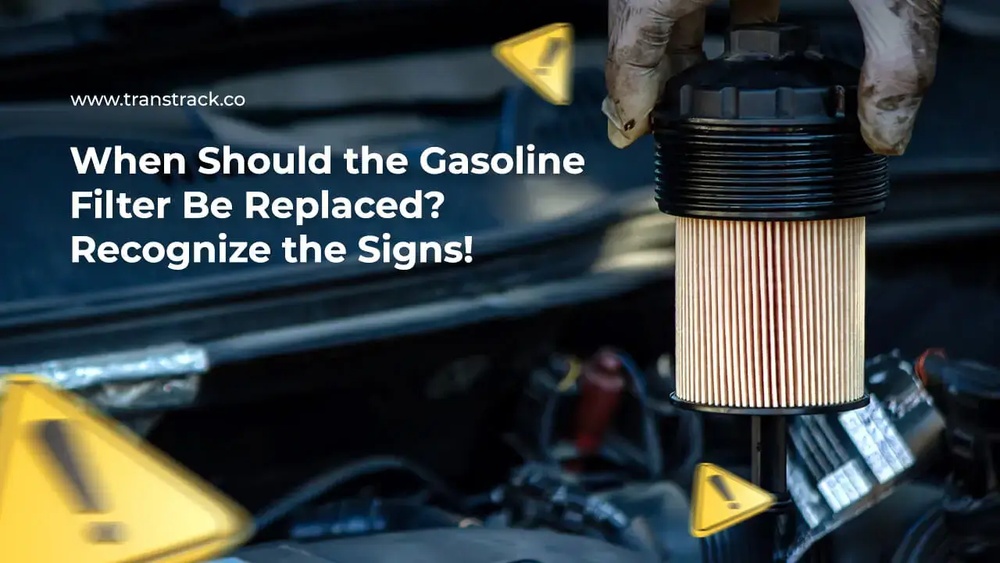
The fuel filter plays a key role in a vehicle’s engine health. It cleans the fuel before it reaches the engine. Dirt, rust, and other debris can block the fuel system. This leads to poor engine performance and even damage. Knowing the basics of a fuel filter helps you spot problems early. It also helps with proper maintenance and repair.
Role In Vehicle Performance
The fuel filter stops dirt and particles from entering the engine. Clean fuel means better combustion and smoother running. A clogged filter reduces fuel flow. This causes engine misfires, poor acceleration, and rough idling. It also lowers fuel efficiency. A bad fuel filter can cause the engine to stall. Replacing the filter keeps the engine healthy and saves money on repairs.
Common Types Of Fuel Filters
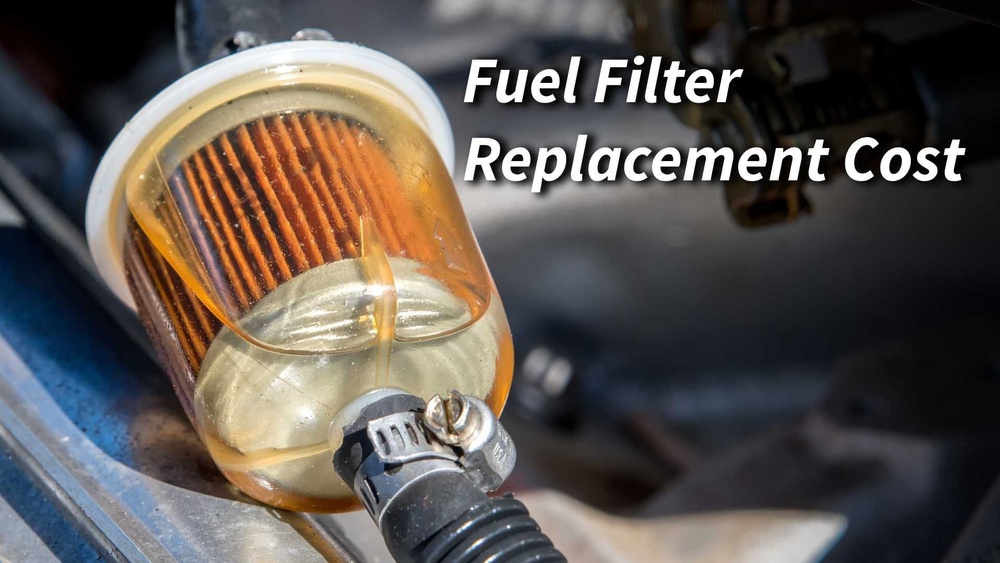
There are several types of fuel filters. The most common are inline filters and cartridge filters. Inline filters sit along the fuel line. They are easy to replace and common in older cars. Cartridge filters are inside the fuel system. They last longer but are harder to change. Some vehicles use fuel filter socks inside the fuel tank. Each type serves the same purpose: clean fuel supply. Knowing your filter type helps with proper care.

Credit: www.youtube.com
Early Signs Of A Bad Fuel Filter
A fuel filter keeps dirt and debris out of your engine’s fuel system. Over time, it can clog and cause problems. Recognizing early signs of a bad fuel filter helps you avoid bigger issues. Watch for these key symptoms to know if your fuel filter needs attention.
Engine Misfires And Hesitation
A clogged fuel filter restricts fuel flow to the engine. This can cause the engine to misfire or hesitate during acceleration. You may notice the car stumbles or feels like it is losing power. These signs show the engine is not getting enough fuel to run smoothly.
Reduced Fuel Efficiency
A bad fuel filter can lower your car’s fuel efficiency. The engine works harder to pull fuel through a clogged filter. This makes your vehicle use more gas than usual. A drop in miles per gallon often means the fuel filter is dirty or blocked.
Difficulty Starting The Engine
Starting problems can point to a bad fuel filter. If fuel cannot flow easily, the engine struggles to start. You may hear the engine crank longer than normal before it fires up. This symptom often appears before other fuel system issues develop.
Advanced Symptoms To Watch For
Advanced symptoms of a bad fuel filter show the problem has worsened. Recognizing these signs helps prevent serious engine damage. Watch closely for changes in how your car runs.
Stalling And Power Loss
Your engine may stall or lose power suddenly. This happens because the fuel flow is blocked. The car struggles to keep running at steady speeds. Climbing hills or quick acceleration becomes harder. These issues mean the fuel filter might be clogged.
Unusual Engine Noises
Listen for strange sounds from the engine. Whining or sputtering noises often link to fuel problems. A bad fuel filter can cause these odd sounds. The engine may sound rough or uneven. These noises warn of poor fuel delivery.
Check Engine Light Activation
The check engine light may turn on unexpectedly. This light signals a problem with fuel or engine systems. A dirty fuel filter can trigger this warning. Use a scanner to check error codes. Addressing the fuel filter issue can clear the light.

Credit: www.youtube.com
Causes Of Fuel Filter Failure
Fuel filters keep dirt and debris out of your engine. They protect your car’s fuel system and help the engine run smoothly. Sometimes, fuel filters fail. Knowing the causes helps you prevent problems and maintain your vehicle.
Contaminated Fuel
Fuel can have dirt, rust, or water in it. Contaminated fuel clogs the filter quickly. This stops fuel from reaching the engine properly. Bad fuel wears out the filter and causes failure.
Lack Of Regular Maintenance
Fuel filters need to be changed on time. Skipping maintenance lets dirt build up inside the filter. Over time, this blocks fuel flow and damages the filter. Regular checks and replacements keep the filter working well.
Testing Your Fuel Filter
Testing your fuel filter helps find problems early. A bad fuel filter can stop fuel flow. This causes engine trouble and poor performance. Simple checks can show if your filter is clogged or damaged. Follow these steps to test your fuel filter safely.
Diy Inspection Methods
Start by locating the fuel filter. It is usually near the fuel tank or engine. Look for cracks, rust, or dirt on the filter. Check for fuel leaks around the filter connections. Listen for unusual noises from the fuel pump. These may mean the filter is blocked.
Try to measure fuel pressure using a gauge. Low pressure may signal a bad filter. Another way is to watch engine behavior. Hesitation or stalling during acceleration can indicate fuel flow issues. Use a flashlight to see inside the filter if possible. Dirt or debris inside means replacement is needed.
When To Visit A Mechanic
Visit a mechanic if you cannot find the filter. Some cars have hidden filters that need special tools. Mechanics can test fuel pressure more accurately. They also check fuel lines and pump for damage. If the engine keeps stalling or losing power, see a professional. A mechanic can replace the filter safely and quickly.
Complex fuel systems need expert care. Avoid trying repairs that require removing fuel lines. Fuel is flammable and dangerous without proper tools. A mechanic ensures your car runs smoothly again.
Fuel Filter Replacement Tips
Replacing a fuel filter is key to keeping your car’s engine healthy. It stops dirt and rust from entering the engine. This helps the engine run smoothly and saves fuel. Knowing some simple tips can make replacement easier and safer.
Recommended Replacement Intervals
Check your car manual for the right time to replace the fuel filter. Most filters last about 20,000 to 40,000 miles. Driving in dusty areas might need more frequent changes. Waiting too long can cause engine problems and poor fuel flow.
Choosing The Right Fuel Filter
Pick a fuel filter that fits your car model exactly. Use filters made from good materials to last longer. Cheap filters may clog quickly and harm the engine. Always buy from trusted brands or dealers to avoid fake parts.
Credit: www.capitalone.com
Frequently Asked Questions
What Are Common Signs Of A Bad Fuel Filter?
A bad fuel filter causes engine misfires, stalling, and poor acceleration. You may hear sputtering sounds or notice rough idling. Reduced fuel efficiency and difficulty starting the engine are also common signs. Regular checks help prevent these issues and keep your vehicle running smoothly.
How Often Should You Replace A Fuel Filter?
Fuel filters should generally be replaced every 20,000 to 40,000 miles. Check your vehicle’s manual for specific recommendations. Replacing it on time prevents clogging, protects the fuel system, and ensures optimal engine performance. Ignoring it can lead to costly repairs.
Can A Bad Fuel Filter Cause Engine Stalling?
Yes, a clogged fuel filter can starve the engine of fuel. This causes the engine to stall, especially during acceleration or under load. Replacing the filter restores proper fuel flow and prevents unexpected stalls, improving overall vehicle reliability.
Is It Safe To Drive With A Bad Fuel Filter?
Driving with a bad fuel filter is not recommended. It can cause poor engine performance and unexpected stalling, risking your safety. Prolonged neglect can damage the fuel pump or engine. Replace the fuel filter promptly to maintain safe and efficient driving.
Conclusion
A bad fuel filter can cause your car to run poorly. Signs like engine trouble, stalling, or poor fuel efficiency mean trouble. Clean or replace the filter to keep the engine healthy. Regular checks save you from costly repairs later.
Pay attention to your car’s behavior every time you drive. Don’t wait until the problem gets worse. A small step now keeps your car running smooth and safe.