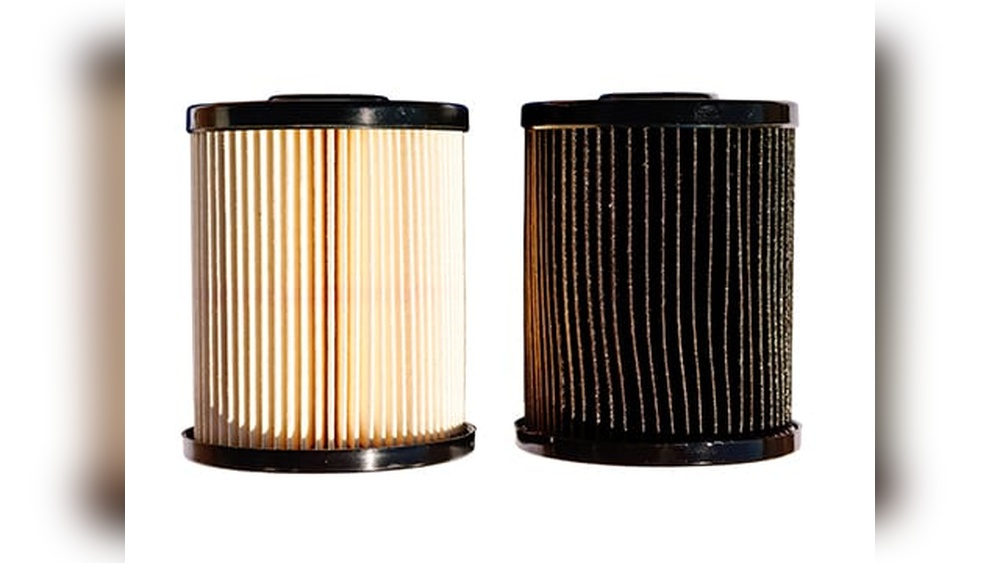
If you own a diesel engine, you know how important it is to keep it running smoothly. One key step is learning how to drain your diesel fuel filter properly.
Doing this right can save you from costly repairs and keep your engine healthy. You’ll discover simple, clear steps that anyone can follow to drain a diesel fuel filter quickly and safely. Ready to take control of your engine’s performance?
Let’s dive in and make sure your diesel runs at its best.

Credit: www.youtube.com
Signs Of A Clogged Diesel Fuel Filter
A diesel fuel filter traps dirt and water from diesel fuel. Over time, it can get clogged. A clogged filter stops fuel from flowing properly. This causes several problems with your engine. Knowing these signs helps you fix the issue early. It can save you from costly repairs and keep your engine running smoothly.
Reduced Engine Performance
Your engine may lose power during acceleration. It feels sluggish and slow. The vehicle might struggle going uphill or carrying heavy loads. Poor fuel flow means less fuel reaches the engine. This lowers engine efficiency and reduces overall performance.
Hard Starting Issues
The engine takes longer to start or does not start at all. You may hear repeated clicking sounds when turning the key. Fuel flow is weak due to the clogged filter. This makes it hard for the engine to get enough fuel to start properly.
Unusual Engine Noises
The engine may make strange noises like sputtering or coughing sounds. These noises happen because the engine is starving for fuel. A clogged filter interrupts smooth fuel delivery. This causes the engine to run unevenly and produce odd sounds.
Credit: www.fordservicecontent.com
Tools And Materials Needed
Draining a diesel fuel filter requires specific tools and materials. Having the right items ready makes the job faster and safer. This section lists what you need before starting the process.
Basic Tools
You need a wrench set to loosen filter fittings. A screwdriver may help remove clamps or covers. A drain pan or bucket catches the fuel safely. Clean rags help wipe spills and keep the area tidy. A hand pump or siphon can speed up fuel removal.
Safety Gear
Wear safety gloves to protect your hands from fuel. Safety glasses shield your eyes from splashes. Use old clothes or a work apron to avoid stains. Work in a well-ventilated area to avoid inhaling fumes. Keep a fire extinguisher nearby for emergencies.
Replacement Parts
Have a new diesel fuel filter ready to install. Check the filter model matches your vehicle’s requirements. Replacement gaskets or O-rings ensure a tight seal. Keep a small container for old fuel disposal. Proper disposal protects the environment and follows regulations.
Preparing The Vehicle
Preparing the vehicle is the first step to safely drain the diesel fuel filter. This step helps avoid spills and accidents during the process. Taking time to prepare makes the task easier and safer. Follow these simple instructions to get your vehicle ready.
Park On A Level Surface
Find a flat and stable area to park your vehicle. This stops the fuel from moving or spilling. A level surface keeps the vehicle steady while you work. Avoid slopes or uneven ground for safety.
Turn Off The Engine
Switch off the engine and remove the key. This stops fuel flow and reduces fire risk. Wait a few minutes for the engine to cool down. Never work on the fuel system with the engine running.
Relieve Fuel System Pressure
Fuel lines hold pressure that can cause leaks or sprays. To release pressure, open the fuel cap slowly. Use a pressure relief valve if your vehicle has one. This step lowers the risk of fuel spraying out during draining.
Locating The Diesel Fuel Filter
Locating the diesel fuel filter is the first step in draining it properly. Knowing its position helps avoid mistakes and saves time. The filter cleans diesel fuel by trapping dirt and water. This keeps the engine running smoothly. Filters come in various shapes and sizes. Finding the exact filter on your vehicle is important before starting the draining process.
Common Filter Locations
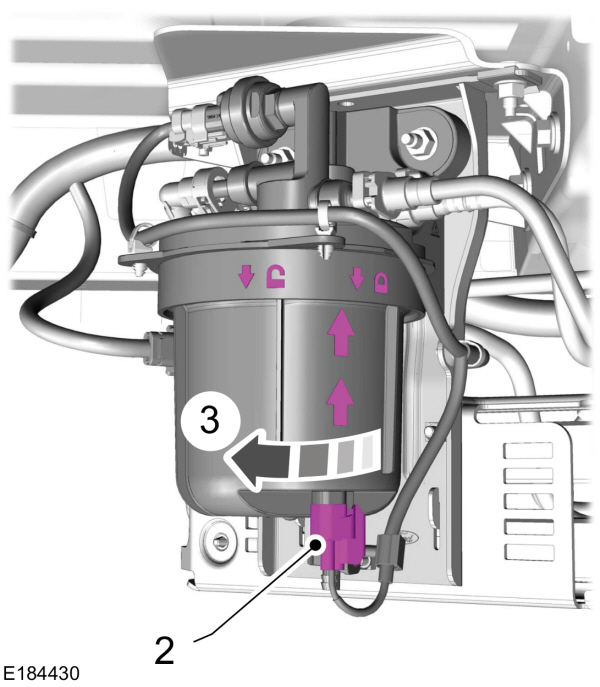
Diesel fuel filters are usually near the fuel tank or engine. Many trucks have the filter mounted on the frame rail under the cab. Some vehicles place it inside the engine bay close to the fuel injection system. In some cases, it is attached to the fuel pump or fuel line. Check the owner’s manual for specific details. Look for a cylindrical or bowl-shaped part connected to fuel lines.
Identifying Filter Types
There are two main types of diesel fuel filters. The cartridge type, which looks like a canister, and the bowl type, which has a clear or metal bowl at the bottom. The cartridge type often screws into a housing. The bowl type allows water to settle at the bottom for easy draining. Recognizing the filter type helps prepare the right tools for draining. It also guides how to open and clean it safely.
Draining The Diesel Fuel Filter
Draining the diesel fuel filter is important for keeping your engine running smoothly. Water and dirt can build up inside the filter over time. This buildup can cause engine problems and reduce fuel efficiency. Regularly removing this water and sediment helps protect the fuel system. The process is simple and can be done with basic tools.
Positioning A Drain Pan
Place a drain pan under the diesel fuel filter. The pan will catch the water and dirt that come out. Make sure the pan is large enough to hold all the fluid. Position it carefully to avoid spills. This step keeps your work area clean and safe.
Opening The Drain Valve
Locate the drain valve on the diesel fuel filter. Use a wrench or your hand to open it slowly. Opening it gently prevents sudden spills. Let the water and fuel flow into the drain pan. Keep the valve open until the flow stops or slows down.
Removing Water And Sediment
Water and sediment will settle at the bottom of the filter. Draining removes these impurities from the fuel system. Once drained, close the valve tightly. Check the fluid in the pan for any unusual color or particles. Dispose of the waste safely according to local rules.
Replacing Or Cleaning The Filter
Replacing or cleaning the diesel fuel filter is important for your engine’s health. A clogged filter can reduce fuel flow and cause engine problems. Keeping the filter clean or installing a new one helps maintain smooth engine performance.
Removing The Filter Cartridge
Turn off the engine and let it cool down. Locate the fuel filter on your vehicle. Use a wrench to loosen the filter housing. Carefully remove the filter cartridge. Be ready to catch any fuel that may spill out. Dispose of the old filter properly.
Cleaning Procedures
Check the filter cartridge for dirt and debris. Use clean diesel fuel to rinse the filter gently. Avoid using harsh chemicals or water. Let the filter dry completely before reinstalling. If the filter looks damaged, replace it instead of cleaning.
Installing A New Filter
Choose the correct filter for your vehicle model. Place the new filter cartridge into the housing. Tighten the housing by hand, then use a wrench to secure it. Avoid overtightening to prevent damage. Start the engine and check for leaks around the filter area.
Reassembling And Testing
After draining the diesel fuel filter, the next step is to reassemble and test it. This step ensures the filter works correctly and the engine runs smoothly. Proper reassembly prevents leaks and keeps air out of the fuel system. Testing confirms the entire process was done right.
Securing Filter Components
Start by placing the filter element back in its housing. Make sure it fits snugly. Tighten the cap or cover firmly but avoid over-tightening. Check all seals and gaskets for damage before sealing. Replace any worn parts to prevent leaks. Secure all clamps and screws tightly to hold the filter in place.
Bleeding Air From The Fuel System
Air trapped in the fuel system can stop the engine from starting. Use the manual primer pump or bleed screw on the filter assembly. Pump slowly until fuel flows steadily without bubbles. Open the bleed screw slightly to release air. Close it tightly once only fuel appears. Repeat this process until all air is removed.
Starting The Engine And Checking For Leaks
Turn the ignition key to start the engine. Listen for smooth running without sputtering. Watch closely around the filter area for any signs of leaks. Fuel smells or wet spots indicate a problem. Stop the engine immediately if leaks appear. Tighten connections or replace faulty parts and test again. Ensure the engine runs well and the fuel system is sealed.

Credit: www.youtube.com
Maintenance Tips For Diesel Fuel Filters
Proper care of diesel fuel filters helps keep your engine running smoothly. Regular maintenance stops dirt and water from damaging the fuel system. Simple steps extend the filter’s life and improve fuel efficiency.
Follow these tips to keep your diesel fuel filter in good condition. This prevents costly repairs and keeps your vehicle reliable.
Regular Inspection Intervals
Check your diesel fuel filter every 5,000 to 10,000 miles. Look for cracks, leaks, or clogging signs. Replace the filter as recommended in your vehicle’s manual. Regular checks catch problems early and keep fuel clean.
Using Quality Fuel
Use clean, high-quality diesel fuel from trusted sources. Poor fuel contains dirt and water that clog the filter fast. Avoid buying fuel from unknown or low-grade suppliers. Good fuel protects your engine and filter.
Signs To Watch For
Notice changes in engine power or rough running. Hard starts or frequent stalling may signal a dirty filter. Check for unusual smells or leaks near the fuel filter. Early detection avoids serious engine damage.
Frequently Asked Questions
How Often Should You Drain A Diesel Fuel Filter?
You should drain the diesel fuel filter every 10,000 to 15,000 miles. Regular draining prevents water buildup and clogging. Check your vehicle’s manual for specific intervals. Frequent draining ensures optimal engine performance and fuel efficiency.
What Tools Are Needed To Drain A Diesel Fuel Filter?
You need a wrench, a container for fuel, gloves, and safety glasses. Some filters may require a screwdriver or pliers. Having clean rags handy helps to clean spills. Always follow safety precautions when handling diesel fuel.
Can You Drain A Diesel Fuel Filter Without Removing It?
Yes, many diesel fuel filters have a drain valve at the bottom. Open the valve carefully to let water and contaminants drain out. This method is quick and prevents fuel spillage. Always dispose of drained fluids properly.
Why Is Draining A Diesel Fuel Filter Important?
Draining removes water and sediment that can damage the fuel system. It prevents engine misfires, poor fuel economy, and costly repairs. Clean fuel filters improve engine performance and longevity. Regular maintenance keeps your diesel engine running smoothly.
Conclusion
Draining a diesel fuel filter keeps your engine running smoothly. Regular cleaning helps avoid fuel blockages and engine trouble. Always follow safety steps to prevent spills and accidents. Use the right tools for easy and safe draining. Check your filter often to catch problems early.
Clean fuel means better performance and longer engine life. Taking time for this simple task saves costly repairs later. Keep your diesel engine healthy with regular fuel filter care.