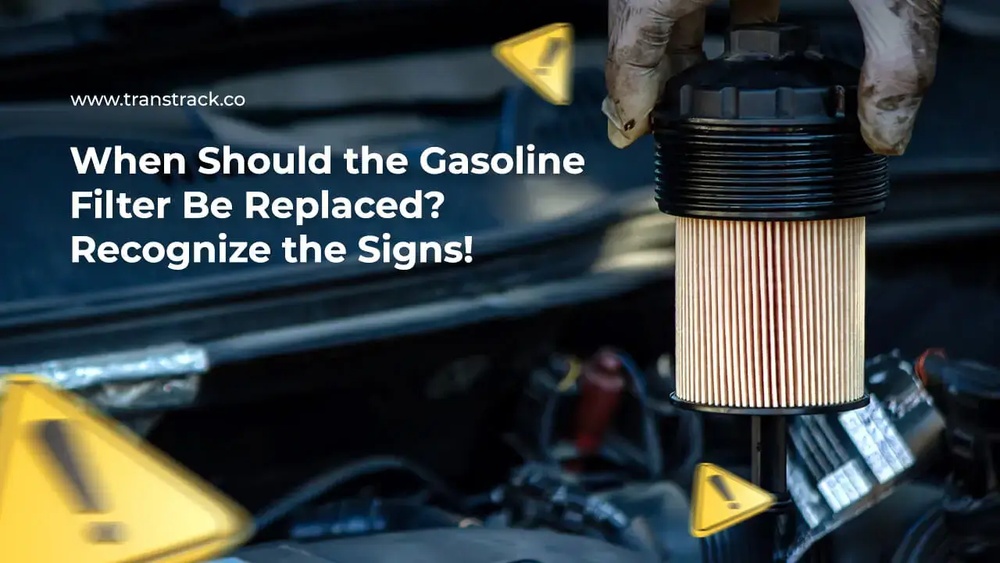
Have you noticed your car acting up lately? Maybe it’s running rough, struggling to start, or losing power on the road.
These problems might be telling you something important about your fuel filter. Knowing when your fuel filter needs changing can save you from costly repairs and keep your engine running smoothly. You’ll discover the clear signs to watch for and simple steps to take, so you never miss a crucial warning.
Keep reading to protect your vehicle and drive with confidence.
Credit: www.spacecenterautomotive.com
Role Of A Fuel Filter
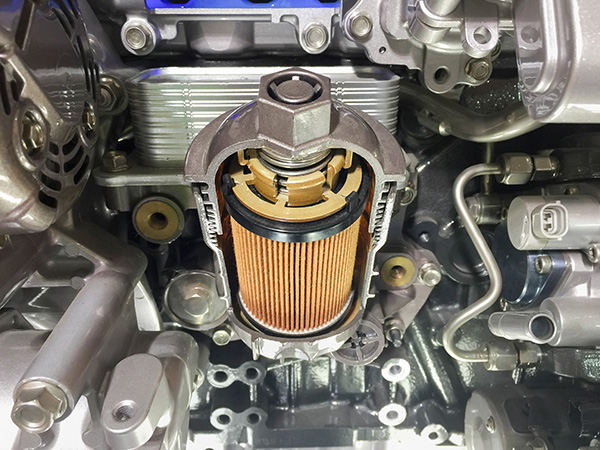
The fuel filter plays a key part in keeping your engine safe. It stops dirt and rust from entering the engine. Without a clean fuel filter, your car may face serious problems.
This small part works hard every time you start the engine. It helps the fuel flow smoothly and keeps the engine running well. Knowing its role helps you understand why changing it is important.
Fuel Filter Function
The fuel filter cleans the fuel before it reaches the engine. It removes dust, dirt, and small bits of metal. These particles can damage engine parts if they get inside.
By filtering the fuel, it ensures only clean fuel enters the engine. This helps the engine burn fuel more efficiently. A clean fuel filter protects the engine from wear and tear.
Impact On Engine Performance
A dirty or clogged fuel filter can harm engine performance. It can cause the engine to run rough or stall. The car may also lose power and have trouble starting.
Fuel flow slows down when the filter is blocked. This affects fuel injection and combustion. Changing the fuel filter keeps the engine smooth and reliable.

Credit: www.dsautos.com
Common Signs Of A Clogged Fuel Filter
A clogged fuel filter can cause several problems in your vehicle’s performance. Recognizing the common signs helps you act quickly. Ignoring these signs can lead to bigger engine issues and costly repairs.
Here are some typical symptoms that show your fuel filter might need changing. Pay close attention to these warning signs.
Engine Misfires And Hesitation
The engine may misfire or hesitate during acceleration. This happens because fuel flow is blocked. The engine struggles to get enough fuel to run smoothly. You might feel a rough or uneven ride.
Difficulty Starting The Vehicle
Starting the car takes longer than usual. The engine may crank but fail to start right away. A clogged fuel filter restricts fuel supply to the engine. This makes ignition hard and slow.
Reduced Fuel Efficiency
Your car uses more fuel than before. A blocked filter causes the engine to work harder. This lowers fuel economy and increases fuel consumption. You notice filling the tank more often.
Unusual Engine Noises
The engine can make strange sounds like sputtering or coughing. These noises occur when the engine starves for fuel. The filter prevents proper fuel flow causing these noises. Pay attention to any new or odd sounds.
Visual And Physical Indicators
Visual and physical indicators help identify a fuel filter problem fast. These signs show when the filter may be clogged or broken. Checking for these clues can save your car from bigger issues.
Dirty Or Damaged Fuel Filter
A dirty fuel filter often looks dark or clogged. Dirt, rust, and debris build up inside over time. The filter may also show cracks or damage on the outside. A damaged filter can leak fuel or let dirt pass through. Regularly inspect the filter for any visible dirt or damage.
Fuel Smell Inside The Vehicle
A strong fuel smell inside the car is a warning sign. It may mean the fuel filter is leaking or blocked. Fuel vapors can enter the cabin if the filter is faulty. This smell is easy to notice, especially after driving. Never ignore a fuel odor, as it can be dangerous.
Credit: monroenissanservice.com
Effects Of Ignoring Fuel Filter Issues
Ignoring fuel filter problems can cause serious trouble for your vehicle. The fuel filter cleans dirt and debris from the fuel before it reaches the engine. A clogged or damaged filter stops fuel flow and harms engine parts. This section explains the risks and costs of not changing a bad fuel filter.
Engine Damage Risks
A dirty fuel filter reduces fuel flow to the engine. The engine may run rough or stall often. Lack of clean fuel causes wear on engine parts. Over time, this leads to costly engine damage. Small debris can block fuel injectors, damaging the engine further.
Increased Emissions
A bad fuel filter affects how the engine burns fuel. Poor fuel combustion creates more smoke and harmful gases. This raises pollution and may fail emissions tests. Dirty filters can make your car less eco-friendly. Clean fuel filters help keep emissions low.
Costly Repairs
Ignoring fuel filter issues leads to bigger car problems. Engine damage and poor fuel flow require expensive repairs. Replacing a fuel filter early costs much less. Repairing an engine or fuel system costs hundreds or thousands. Regular fuel filter changes save money in the long run.
When To Replace The Fuel Filter
Knowing the right time to replace your fuel filter keeps your engine running smoothly. A clogged fuel filter reduces fuel flow and affects performance. Changing it at the right time prevents costly repairs and saves fuel.
Manufacturer’s Recommendations
Car makers provide specific guidelines for fuel filter replacement. These instructions appear in the owner’s manual. Following them ensures your vehicle stays in good shape. Ignoring these tips may cause engine trouble.
Mileage And Time Intervals
Fuel filters usually need changing between 20,000 and 40,000 miles. Some filters last longer, depending on the vehicle. Besides mileage, time matters too. Replacing the filter every 1 to 2 years keeps fuel clean and engine healthy.
Fuel Filter Replacement Tips
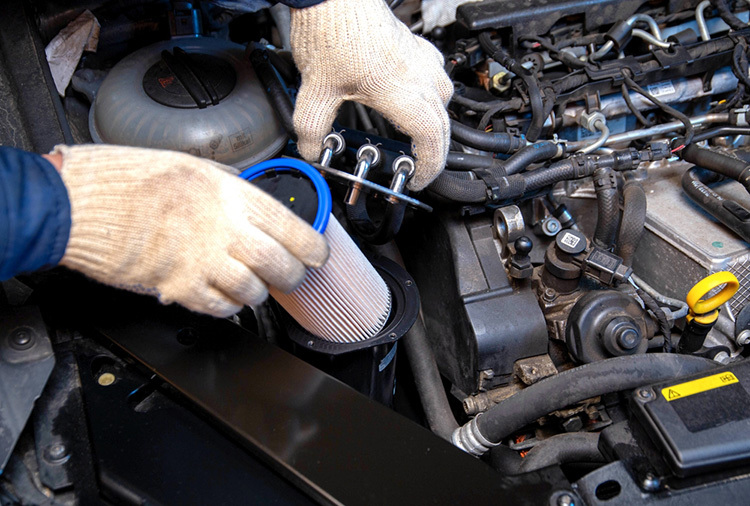
Fuel filter replacement is important to keep your car running smoothly. A clean fuel filter helps the engine get the right amount of fuel. It stops dirt and debris from damaging the engine parts. Knowing how to replace the fuel filter can save time and money. Here are some useful tips to guide you through the process.
Diy Vs Professional Service
Changing the fuel filter yourself can be cost-effective. Basic tools and instructions are often enough. But it needs care and safety measures. Fuel is flammable and handling it requires caution. A professional mechanic has the right tools and experience. They can spot other issues during the service. Choose DIY if confident and careful. Opt for professional help to avoid risks and ensure quality.
Choosing The Right Fuel Filter
Select a fuel filter that matches your vehicle’s make and model. Using the wrong filter can cause engine problems. Check the owner’s manual or ask at auto stores. Look for filters with good reviews and warranties. Quality filters last longer and protect the engine better. Avoid very cheap options that may fail quickly. Proper filter selection improves fuel flow and engine life.
Maintenance Habits To Extend Fuel Filter Life
Proper maintenance helps your fuel filter last longer. It keeps your engine running smoothly and saves money on repairs. Small habits make a big difference in fuel filter health. Focus on good fuel choices and regular checks to extend filter life.
Using Quality Fuel
Choose clean, high-quality fuel from trusted stations. Cheap or dirty fuel clogs the filter fast. Quality fuel reduces dirt and water in your tank. This keeps the filter cleaner and working well. Avoid filling up at unknown or questionable places.
Regular Vehicle Checkups
Schedule regular vehicle inspections to catch fuel filter issues early. Mechanics can spot filter problems before they become serious. Routine checks include fuel system cleaning and filter replacement advice. Timely maintenance prevents engine damage and costly fixes. Keep your vehicle on a regular service schedule.
Frequently Asked Questions
How Can I Tell If My Fuel Filter Is Clogged?
A clogged fuel filter often causes engine misfires, poor acceleration, and difficulty starting. Check for reduced fuel efficiency and unusual engine noises. If these symptoms appear, the fuel filter may need changing.
What Are The Signs Of A Bad Fuel Filter?
Signs include engine stalling, hesitation during acceleration, and rough idling. You might also notice a decrease in fuel efficiency. These symptoms indicate the fuel filter is likely dirty or blocked.
How Often Should A Fuel Filter Be Replaced?
Fuel filters generally require replacement every 20,000 to 40,000 miles. However, check your vehicle’s manual for specific intervals. Regular replacement ensures optimal engine performance and prevents fuel system issues.
Can A Dirty Fuel Filter Cause Engine Problems?
Yes, a dirty fuel filter restricts fuel flow, causing poor engine performance. It can lead to stalling, hard starts, and reduced power. Timely filter changes help maintain smooth engine operation.
Conclusion
A clogged fuel filter can cause car problems and poor performance. Watch for signs like engine trouble, slow acceleration, or strange noises. Regular checks help catch issues early and keep your car running smoothly. Changing the fuel filter on time saves money and prevents bigger repairs.
Trust your car’s signals and act quickly to avoid breakdowns. Staying alert means safer, better driving every day.