
Want your car to shine like it just rolled off the showroom floor? Buffing and waxing your car is the secret to that deep, glossy finish that turns heads everywhere you go.
But how do you do it right without wasting time or damaging your paint? In this guide, you’ll discover simple, step-by-step tips to make your car look its absolute best. Whether you’re a beginner or just want better results, by the end, you’ll have the confidence to buff and wax like a pro.
Keep reading and get ready to bring out your car’s true shine!
Credit: www.carwash.com
Choosing The Right Products
Choosing the right products is key to a shiny, smooth car finish. Using good wax and the right tools makes the job easier. It helps protect your car’s paint and keeps it looking new longer. Knowing what to pick saves time and prevents damage. Here is a guide to the best products for buffing and waxing your car.
Types Of Car Wax
Car wax comes in three main types: paste, liquid, and spray. Paste wax lasts longest but needs more effort to apply. Liquid wax is easier to spread and gives a good shine. Spray wax works fast but does not last as long. Choose wax based on your time and how shiny you want your car.
Selecting A Suitable Buffer
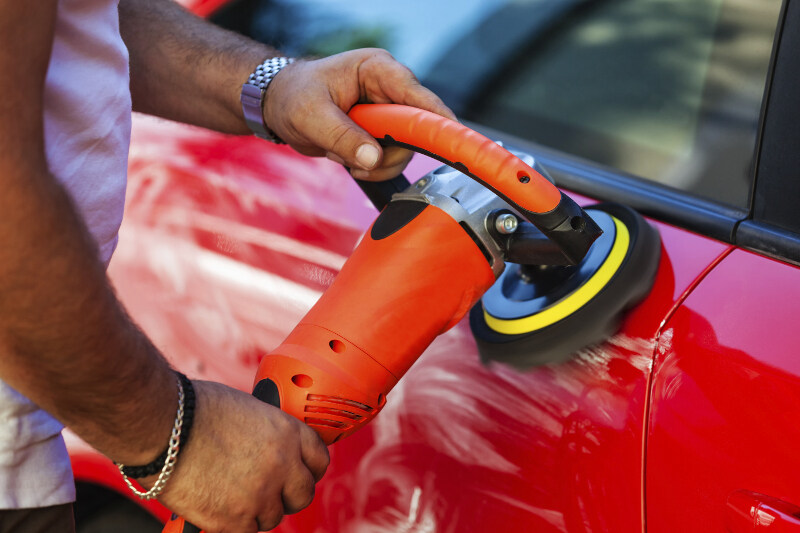
A buffer makes waxing faster and more even. There are rotary and dual-action buffers. Rotary buffers spin fast and remove heavy scratches. Dual-action buffers are safer and easier for beginners. Pick a buffer with a comfortable grip and adjustable speed. This helps avoid damage while buffing your car.
Essential Accessories
You need more than wax and a buffer. Soft microfiber cloths help remove wax without scratching. Foam applicator pads spread wax smoothly and evenly. Use masking tape to protect trim and edges. Also, keep a clean bucket of water to rinse cloths. These accessories make the waxing process neat and effective.

Credit: bigsmobile.com
Preparing Your Car
Preparing your car is the first step before buffing and waxing. It helps get the best results. A clean surface lets the wax stick well. Dirt or grime can cause scratches during buffing. Take time to prepare your car carefully. It protects the paint and makes your work easier.
Washing And Drying
Start by washing your car with soap and water. Use a soft sponge or mitt. Wash from top to bottom to avoid spreading dirt. Rinse well with clean water. Dry your car with a soft towel or chamois. Make sure no water spots remain. Drying prevents streaks and helps spot any missed dirt.
Removing Surface Contaminants
After washing, check for stuck dirt or tar. Use a clay bar or special cleaner to remove them. Rub gently to avoid damaging paint. Contaminants can ruin the shine and smoothness. Removing these makes the surface smooth and ready for buffing.
Inspecting The Paint
Look closely at the paint under good light. Check for scratches, swirl marks, or dull areas. This helps decide how much buffing is needed. Notice any spots that need extra care. Clean and smooth paint shows wax better and lasts longer.
Buffing Techniques
Buffing a car brings out its shine and removes small scratches. Using the right buffing technique makes a big difference. You can buff by hand or with a machine. The key is to work carefully and evenly. This section covers the main buffing methods to help you get the best results.
Manual Vs. Machine Buffing
Manual buffing uses your hands and a soft cloth or pad. It is slow but gives you full control. Manual buffing works well for small areas and light scratches. It is also cheaper since you only need basic tools.
Machine buffing uses a power buffer or polisher. It is faster and covers larger areas easily. Machines remove scratches better but need more practice to use safely. They work best on cars with many scratches or dull paint.
Applying Compound
Start by applying a small amount of compound to the pad. Spread it gently over the car’s surface. Use light pressure at first to avoid damage. The compound helps remove scratches and smooth the paint. Work in a circular or back-and-forth motion. Keep the pad moving to prevent burns or uneven spots.
Buffing In Sections
Buff the car in small sections, about 2 feet by 2 feet. This keeps the compound from drying out too fast. Finish one section before moving to the next. Wipe off residue with a clean cloth after buffing each area. This shows how much shine you have restored. Take breaks to check your work and avoid over-buffing.
Waxing Steps
Waxing your car is a key step to protect its paint and keep it shining. This process adds a layer that guards against dirt, water, and sun damage. Follow these simple waxing steps to get the best results for your car’s finish.
Choosing The Right Wax Application Method
Pick a wax that suits your car’s paint type. Wax comes in paste, liquid, or spray forms. Paste wax lasts longer but needs more effort. Liquid wax is easier to apply and quick to dry. Spray wax is best for touch-ups and quick shine. Use a soft foam applicator or microfiber cloth for smooth application.
Applying Wax Evenly
Apply wax in small sections, about 2 feet wide. Use circular motions to spread the wax evenly. Avoid thick layers; a thin coat works best. Cover all areas, including curves and edges. Even coverage helps the wax bond well to the paint. Work patiently to avoid streaks or missed spots.
Allowing Proper Drying Time
Let the wax dry until it becomes hazy or dull. This usually takes 5 to 10 minutes but check the product instructions. Do not rush this step; proper drying ensures a good bond. Once dry, gently buff the wax with a clean microfiber cloth. Buffing brings out the shine and smooth finish.
Finishing Touches
The finishing touches make your car look perfect after waxing. This stage cleans up leftover wax, adds shine, and protects small details. A clean, shiny car shows care and makes your ride look fresh.
Buffing Off Excess Wax
Use a soft microfiber cloth to gently buff the car’s surface. Wipe in small circles to remove wax residue. Avoid pressing hard to stop scratches. Buffing reveals a smooth, even finish on your paint.
Polishing For Extra Shine
Apply a polish with a clean cloth to boost shine. Work in light, circular motions for the best effect. Polishing removes minor imperfections and enhances the wax layer. It gives your car a glossy, like-new look.
Protecting Trim And Glass
Use special protectants for plastic trims and glass surfaces. Apply carefully to avoid streaks or buildup. These protectants keep trim from fading and glass clear from water spots. Your car stays cleaner and looks polished longer.

Credit: www.ueautotechs.com
Maintenance Tips
Maintaining a car’s shine requires regular care. Buffing and waxing protect the paint and keep it looking fresh. Proper maintenance helps avoid damage and extends the life of your car’s finish.
Simple habits improve results and save time. Following clear steps ensures your car stays glossy and smooth.
How Often To Buff And Wax
Buff your car every six months to remove minor scratches. Waxing should be done every three months. This schedule keeps the paint protected from sun and dirt. Frequent waxing creates a strong barrier against elements. Adjust timing based on weather and driving conditions.
Quick Touch-up Methods
Use a spray wax for fast shine between full waxing sessions. Keep a microfiber cloth in your car for quick clean-ups. Spot clean bird droppings and tree sap immediately. These substances can damage paint if left too long. Light buffing with a soft cloth helps maintain gloss.
Avoiding Common Mistakes
Do not buff or wax in direct sunlight. Heat causes uneven application and streaks. Avoid using old or dirty cloths that scratch the surface. Use gentle pressure to prevent paint damage. Skip buffing if the paint is heavily damaged; seek professional help instead.
Frequently Asked Questions
What Is The Difference Between Buffing And Waxing A Car?
Buffing removes surface scratches and oxidation using a polishing compound. Waxing adds a protective layer that enhances shine and repels dirt. Both steps improve your car’s appearance but serve different purposes.
How Often Should I Buff And Wax My Car?
Buffing is recommended once or twice a year to restore paint. Waxing can be done every 2-3 months to maintain protection and shine. Frequency depends on your car’s exposure to weather and road conditions.
Can I Buff And Wax A Car By Myself?
Yes, DIY buffing and waxing are possible with proper tools and products. Follow step-by-step instructions carefully. Take your time to avoid damaging the paint. It’s cost-effective and rewarding when done right.
What Tools Do I Need To Buff And Wax A Car?
You need a dual-action polisher or microfiber cloths, buffing compounds, wax, and applicator pads. Also, have clean water and car wash supplies ready. Using correct tools ensures better results and protects your car’s paint.
Conclusion
Buffing and waxing your car keeps it clean and shiny. Regular care protects the paint from damage. Take your time and follow each step carefully. Use the right tools for the best results. A well-maintained car looks newer for longer.
Small efforts make a big difference in appearance. Enjoy the smooth, glossy finish after waxing. Keep your car looking great with simple care.


