

Have you ever wanted to give your car a fresh new look without spending a fortune? Applying car wrap vinyl is one of the best ways to transform your vehicle quickly and affordably.
But if you’re worried it might be too complicated or messy, don’t be. In this guide, you’ll learn simple, step-by-step techniques to apply vinyl wrap like a pro—even if it’s your first time. Keep reading, and by the end, you’ll have the confidence to make your car stand out on the road.
Choosing The Right Vinyl
Choosing the right vinyl is the first step to a successful car wrap. The vinyl you pick affects the look and durability of your wrap. It also impacts how easy the wrap is to apply. Knowing about different types and qualities helps you make a smart choice.
Types Of Car Wrap Vinyl
There are mainly two types of car wrap vinyl: cast and calendared. Cast vinyl is thin and flexible. It stretches well and fits curves easily. It lasts longer and is best for full car wraps. Calendared vinyl is thicker and less flexible. It works well for flat or simple surfaces. This type is cheaper but may peel sooner.
Color And Finish Options
Car wrap vinyl comes in many colors. Choose bright or neutral tones to match your style. Finishes include matte, gloss, satin, and metallic. Matte gives a smooth, flat look. Gloss is shiny and reflective. Satin offers a soft shine, between matte and gloss. Metallic finishes add sparkle and depth. Pick a finish that suits your car’s design.
Assessing Vinyl Quality
High-quality vinyl lasts longer and resists damage. Look for vinyl that is UV resistant and waterproof. Check if the vinyl has air-release technology. This feature helps avoid bubbles during application. Good vinyl should peel off cleanly without leaving residue. Test samples if possible before buying large sheets.
Credit: www.turtlewax.com
Preparing Your Car
Preparing your car before applying vinyl wrap is key for a smooth and lasting finish. Careful preparation helps the vinyl stick well and look great for a long time. Skipping this step can cause bubbles, peeling, or uneven surfaces.
Focus on cleaning, removing old wraps, and fixing any surface damage. These tasks create the perfect base for your new vinyl wrap.
Cleaning The Surface
Start by washing the car thoroughly. Use soap and water to remove dirt and grime. Dry the surface with a clean cloth. Then, use rubbing alcohol or a special cleaner to remove oils and wax. A clean surface helps the vinyl stick better and last longer.
Removing Old Wraps And Decals
Check for any old vinyl or stickers on the car. Peel them off gently to avoid damage. Use a heat gun or hairdryer to soften the adhesive. Scrape off leftover glue with a plastic scraper. Removing old materials ensures the new wrap lays flat.
Sanding And Repairing Imperfections
Look for scratches, dents, or rust spots. Lightly sand rough areas with fine sandpaper. Fill dents or holes with body filler and let it dry. Smooth the surface by sanding again. Fixing imperfections prevents bumps and bumps under the vinyl wrap.
Gathering Essential Tools
Preparing to apply car wrap vinyl starts with gathering the right tools. Using proper tools makes the process smooth and helps avoid mistakes. Each tool has a specific job that helps with different steps of the wrap.
Squeegees And Scrapers
Squeegees push air bubbles out from under the vinyl. They help the vinyl stick evenly to the car’s surface. Scrapers remove dirt and smooth out edges. Both tools come in soft and hard materials. Soft ones avoid scratching the vinyl. Hard ones help with tough spots.
Heat Guns And Hair Dryers
Heat guns warm the vinyl to make it flexible. This helps the vinyl bend over curves and corners. Hair dryers can do the same job but with less heat. Use heat carefully to avoid stretching or burning the vinyl. Warm vinyl sticks better and looks smoother.
Cutting Tools And Tape Measures
Sharp cutting tools trim the vinyl to fit the car shape. Precision is important to avoid cutting too much. Tape measures help measure the car parts before cutting. Accurate measurement reduces waste and saves time. Always use fresh blades for clean cuts.
Credit: www.youtube.com
Measuring And Cutting Vinyl
Measuring and cutting vinyl is an important step in car wrapping. It ensures the vinyl fits perfectly on your vehicle’s surface. Accurate measurements and careful cutting help avoid mistakes and waste. Taking your time here makes the application easier and the final look smooth.
Taking Accurate Measurements
Start by cleaning the car’s surface. Dirt can affect measurement accuracy. Use a tape measure to get the length and width of each panel. Measure twice to be sure. Write down each measurement clearly. Check curves and edges carefully. These details affect how the vinyl will fit.
Cutting Vinyl Panels
Place the vinyl on a flat surface. Use a sharp utility knife or vinyl cutter. Cut along the measured lines slowly and steadily. Avoid rushing to prevent jagged edges. Keep the knife blade clean for smooth cuts. Cut only the top layer, not the backing paper.
Leaving Extra Material For Adjustments
Leave about two inches of extra vinyl around each panel. This extra allows room for stretching and repositioning. It helps cover curves and corners fully. Trim the excess only after applying the vinyl. This prevents gaps and ensures a neat finish.
Applying The Vinyl Wrap
Applying a vinyl wrap to your car requires care and attention. This step is crucial to get a smooth, bubble-free finish. Follow these simple actions to lay the vinyl wrap correctly on your vehicle. Each step helps prevent wrinkles and air pockets for a professional look.
Positioning The Vinyl
Start by placing the vinyl on the car surface. Align it carefully to cover the desired area. Use magnets or tape to hold the vinyl in place. Check all edges to ensure the wrap fits well before sticking it down.
Peeling The Backing Paper
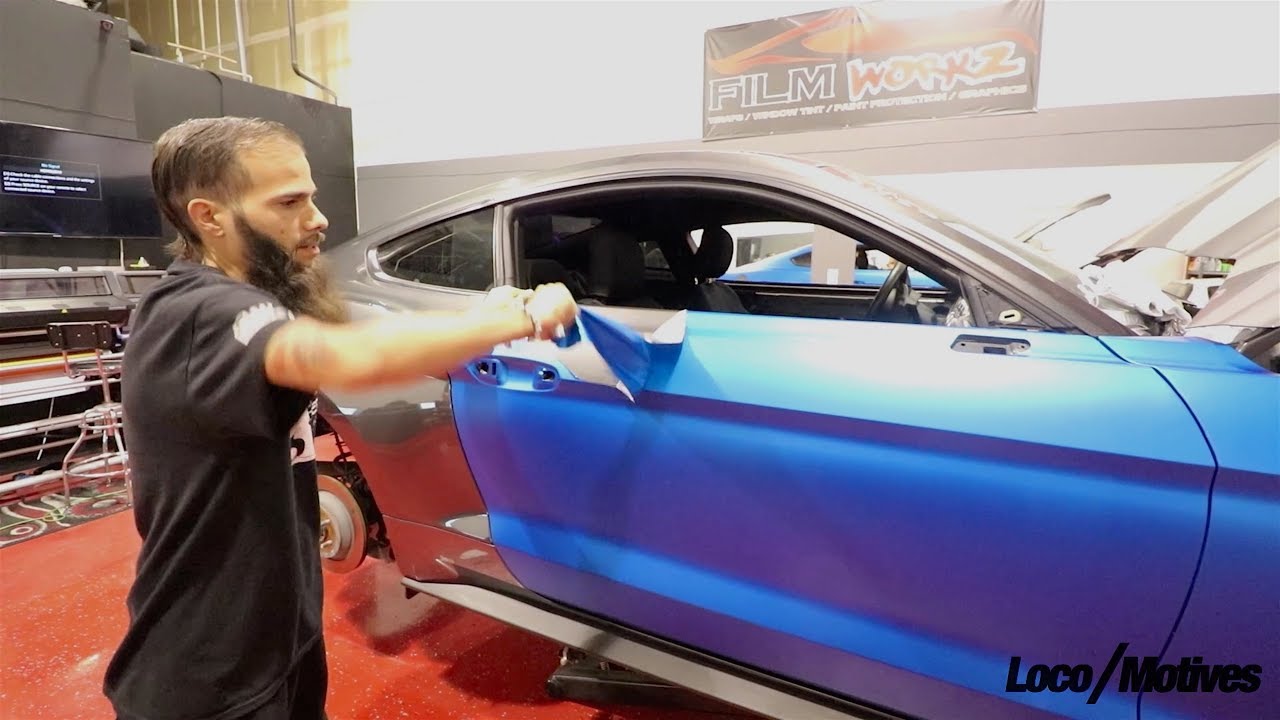
Slowly remove the backing paper from one side of the vinyl. Pull it off gently to avoid stretching the vinyl. Expose only a small area at a time. This helps control the wrap and prevents dirt from sticking.
Using Squeegee To Remove Air Bubbles
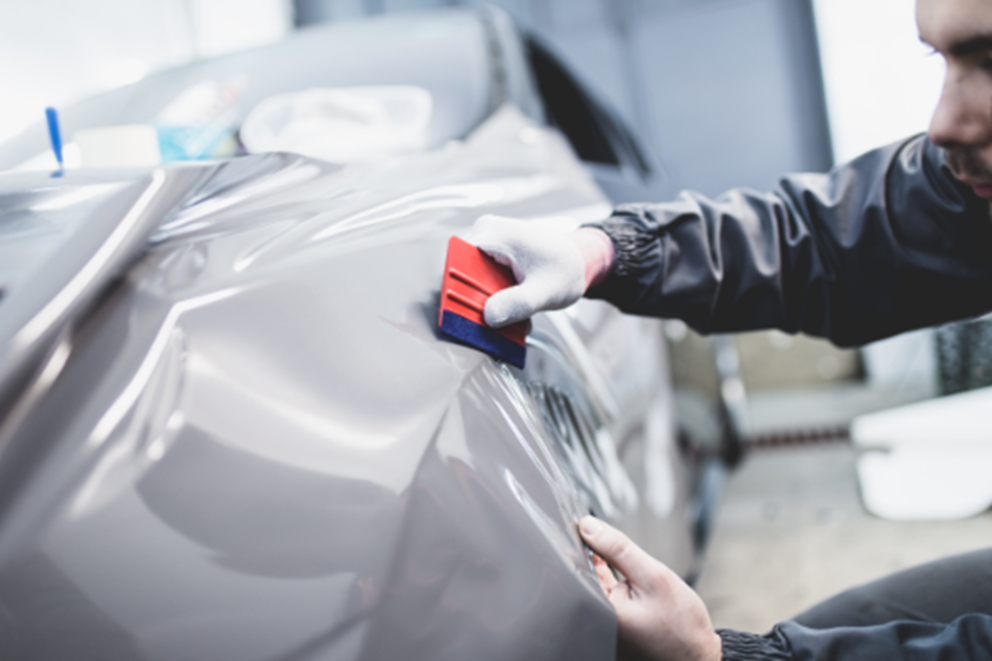
Use a squeegee to press the vinyl onto the car surface. Start from the center and move outwards. Push out air bubbles and wrinkles as you go. Work slowly and carefully for a smooth finish.
Heating And Stretching Vinyl
Use a heat gun to warm the vinyl slightly. Heat makes the vinyl more flexible and easier to stretch. Stretch the vinyl gently over curves and corners. Avoid overheating to prevent damage to the wrap.
Handling Edges And Curves
Handling edges and curves is one of the most important parts of applying car wrap vinyl. These areas need careful attention to avoid wrinkles and bubbles. Proper technique makes the wrap look smooth and professional.
Vinyl is flexible but must be stretched and positioned correctly. Small mistakes on edges and curves can ruin the whole job. Follow these simple steps for clean results.
Stretching Around Corners
Stretch the vinyl gently over corners. Use a heat gun to soften the material. This helps the vinyl bend without tearing or wrinkling. Pull the vinyl slowly and evenly. Avoid stretching too much in one spot. Work from the center of the corner outwards for best fit.
Tucking Vinyl Into Crevices
Use a squeegee or your fingers to push vinyl into small crevices. Heat the vinyl slightly to make it more flexible. Tuck it carefully to avoid air bubbles. This step ensures the wrap sticks tightly. Check all edges for smoothness before moving on.
Trimming Excess Material
Trim extra vinyl with a sharp blade. Cut close to the edge but be careful not to damage the car’s paint. Use slow, steady cuts for accuracy. Removing excess material prevents peeling and keeps the wrap neat. Always double-check before trimming to avoid mistakes.
Finishing Touches
Finishing touches are key to a smooth and lasting car wrap. These final steps help the vinyl stick well and look great for a long time. Taking time on these details makes a big difference in the wrap’s quality and durability.
Post-heat Treatment
Heat the vinyl with a heat gun after application. This softens the material and helps it stick better. Move the heat gun slowly and evenly over the wrap. Avoid staying too long on one spot to prevent damage. Post-heat treatment makes the vinyl mold to the car’s curves.
Sealing Edges
Press down all edges firmly using a squeegee or roller. Make sure no air or dirt is trapped underneath. Edges are vulnerable to peeling, so seal them well. Use extra heat on edges to improve adhesion. Properly sealed edges prevent lifting and water damage.
Inspecting For Flaws
Look closely at the entire wrap under good light. Check for bubbles, wrinkles, or dust trapped inside. Small bubbles can be popped with a pin and smoothed out. Wrinkles may need gentle reheating and pressing. Fixing flaws now saves trouble later.

Credit: www.turtlewax.com
Maintaining Your Car Wrap
Maintaining your car wrap helps keep it looking fresh and new for a long time. Regular care protects the vinyl from dirt, fading, and damage. A well-maintained wrap also keeps your car’s value high. Follow simple steps to clean, avoid damage, and fix small problems quickly.
Cleaning Tips
Wash your car wrap often with gentle soap and water. Use a soft cloth or sponge to avoid scratches. Avoid harsh chemicals or abrasive cleaners that can harm the vinyl. Rinse well to remove all soap. Dry the wrap with a clean microfiber towel. Do not use automatic car washes with brushes. Hand washing is safer and more effective.
Avoiding Damage
Park your car in shaded areas to reduce sun damage. Avoid parking near trees or bushes that can drop sap or leaves. Do not scratch or scrape the wrap with sharp objects. Be careful when loading items into your car. Keep away from gasoline or oil spills on the wrap. Use car covers if you park outside for long periods.
Repairing Minor Issues
Small scratches or bubbles can appear over time. Use a heat gun or hairdryer on low heat to smooth out bubbles carefully. For light scratches, use a vinyl repair kit found online or in stores. Clean the damaged area before applying the repair product. If the damage is bigger, consult a professional to avoid worsening the problem.
Frequently Asked Questions
What Tools Do I Need To Apply Car Wrap Vinyl?
You need a squeegee, heat gun, utility knife, cleaning solution, and microfiber cloth. These tools help ensure a smooth, bubble-free application.
How Long Does Car Wrap Vinyl Application Take?
A full car wrap typically takes 1 to 3 days, depending on the vehicle size and complexity. Preparation and curing time affect the duration.
Can I Apply Car Wrap Vinyl Myself?
Yes, DIY application is possible with patience and proper tools. However, professional installation ensures better finish and durability.
How Do I Prepare My Car For Vinyl Wrapping?
Clean the car thoroughly, removing dirt, wax, and grease. Dry it completely to ensure vinyl adhesion and avoid bubbles.
Conclusion
Applying car wrap vinyl takes patience and careful steps. Clean your car surface well before starting. Use a squeegee to smooth out bubbles. Take your time with each section. Small mistakes can affect the final look. Practice makes the process easier and better.
A well-done wrap protects your car and looks great. Follow the steps, and you can do it yourself. Enjoy your car’s fresh new style.


