

Have you ever spent time waxing your car, only to find stubborn spots or streaks ruining the finish? Bad wax can make your car look dull, uneven, or even sticky.
It’s frustrating, especially when you want your vehicle to shine. But don’t worry—you can fix this without expensive products or trips to the shop. You’ll discover simple, effective ways to get bad wax off your car and restore that smooth, glossy look you desire.
Keep reading to learn how to save your car’s shine quickly and easily.
Signs Of Bad Wax On Cars
Bad wax on a car can ruin its look and protection. It is important to spot signs early. These signs show that the wax needs to be removed. Knowing what to watch for helps keep your car shiny and clean.
Visible Residue And Streaks
Bad wax often leaves a white or cloudy residue. You can see streaks on the paint surface. These streaks do not come off with wiping. They make the car look dirty and dull. Residue builds up in corners and edges too.
Uneven Shine And Haze
The shine on your car should be smooth and even. Bad wax causes patches of shine and dullness. Some parts may look hazy or foggy. This uneven finish reduces the car’s appeal. It also shows that the wax was not applied well.
Sticky Or Tacky Surface
A bad wax coat feels sticky or tacky to touch. This sticky layer attracts dirt and dust quickly. It also makes washing the car harder. The surface should be smooth, not sticky after waxing. Sticky wax means it did not dry properly.

Credit: www.youtube.com
Common Causes Of Bad Wax
Bad wax on a car can ruin its look and cause frustration. Understanding why wax turns bad helps avoid mistakes. Several common causes lead to wax not working well or leaving marks on the car.
Expired Or Poor Quality Wax
Wax has a shelf life. Using old wax can cause uneven coverage and spots. Cheap wax often lacks key ingredients for good shine and protection. It may leave streaks or a cloudy finish. Always check the wax’s date and choose trusted brands.
Incorrect Application Techniques
Applying wax wrong can cause problems. Using too much wax creates thick layers that don’t dry properly. Rubbing wax in harshly or in direct sunlight can lead to streaks. Applying wax on a dirty or wet car also reduces its effect. Follow instructions carefully for smooth, even application.
Environmental Factors
Weather and surroundings affect wax performance. Hot sun can melt wax before it sets, leaving smudges. Dust, dirt, and rain can stick to fresh wax, making it look bad. Wax applied in cold or humid conditions may not bond well. Choose the right time and place for waxing your car.
Tools And Materials Needed
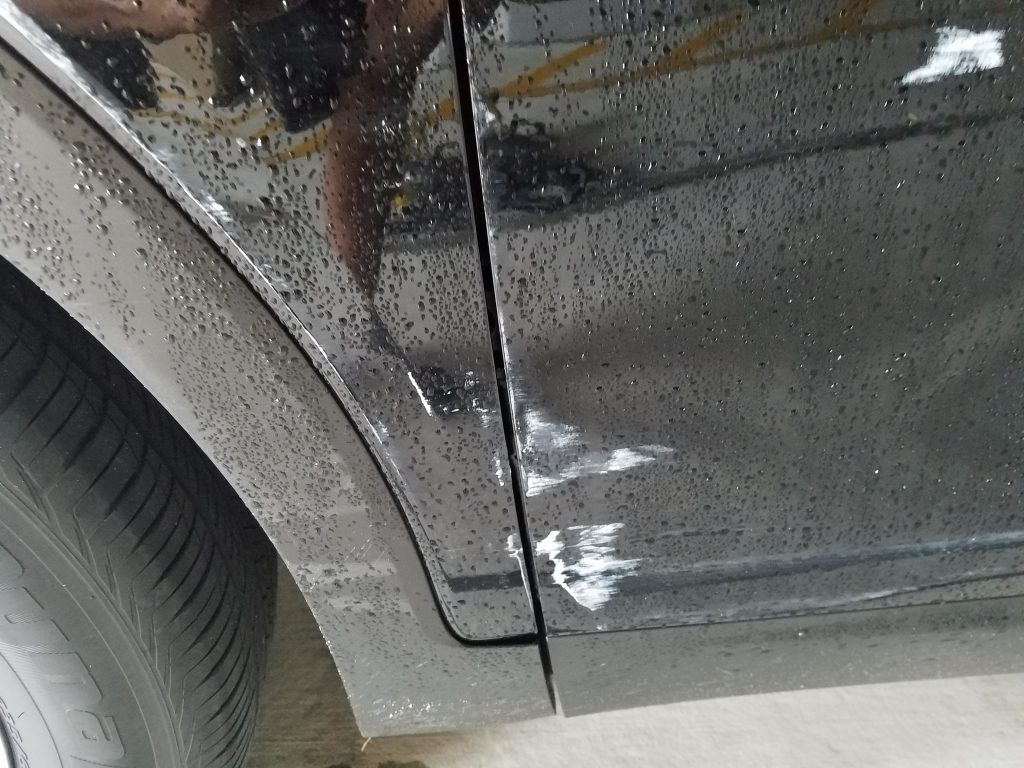
Removing bad wax from your car needs the right tools and materials. Using proper items makes the process easier and protects your paint. Below are some must-have tools for a smooth wax removal.
Microfiber Towels
Microfiber towels are soft and gentle on car paint. They absorb wax residue without scratching the surface. Use clean, dry towels to wipe off wax. Avoid rough cloths that can damage the finish.
Clay Bars And Detail Sprays
Clay bars help remove stubborn wax and contaminants. They glide over the paint to pick up unwanted particles. Use detail spray to keep the clay bar smooth and safe. This combo cleans deeper than just wiping.
Wax Removers And Cleaners
Special wax removers dissolve old or bad wax easily. Some cleaners also prepare the surface for new wax. Choose a product made for cars to avoid damage. Follow instructions carefully for best results.
Credit: www.detailedimage.com
Step-by-step Wax Removal Methods
Removing bad wax from your car needs care and the right steps. Follow these easy methods to get your car’s surface clean and shiny again. Each method works well depending on how much wax you need to remove and the condition of your car’s paint.
Using Warm Water And Soap
Start with warm water and mild soap. Mix soap in a bucket of warm water. Use a soft sponge or cloth to wash the waxed area gently. This helps to soften the wax and remove loose bits. Rinse with clean water and dry with a soft towel. This step prepares the surface for deeper cleaning.
Applying Wax Remover Products
Use a wax remover product for stubborn wax spots. Apply the remover on a microfiber cloth. Rub the waxed area in small circles. Let the product sit for a few minutes. Wipe off with a clean cloth. This removes old or excess wax without harming the paint. Always follow the product instructions carefully.
Clay Bar Treatment
Clay bars work great to remove wax residue and impurities. Spray a clay lubricant on the car’s surface. Gently rub the clay bar over the waxed area. The clay picks up wax stuck in the paint pores. Keep the surface wet while using the clay bar. Wipe the area with a clean cloth after treatment.
Polishing For Final Touch
Polishing restores shine after wax removal. Use a car polish and a soft cloth or buffer. Apply polish in small sections with circular motions. This smooths out any leftover wax marks. Buff until the surface shines evenly. Polishing protects the paint and improves the car’s look.
Preventing Bad Wax Buildup
Preventing bad wax buildup on your car helps keep its paint smooth and shiny. Wax buildup can dull the finish and create sticky patches. Regular care and the right techniques stop these problems early.
Choosing The Right Wax
Pick a wax that fits your car’s paint type. Some waxes work better on certain finishes. Check the label to ensure compatibility. Avoid waxes with harsh chemicals that can harm your paint. Using quality wax reduces the chance of buildup.
Proper Application Tips
Apply wax in thin, even layers. Thick layers take longer to dry and are harder to remove. Use a soft cloth or applicator pad. Work in small sections for better control. Let the wax dry until it feels slightly tacky before buffing.
Regular Maintenance And Cleaning
Wash your car before waxing to remove dirt and grime. Clean surfaces help wax stick properly. Use gentle car soap and water for washing. Remove old wax every few months to prevent layering. Regular waxing keeps your paint protected and smooth.
Credit: www.reddit.com
When To Seek Professional Help
Removing bad wax from a car can be tricky. Sometimes, home methods work well. Other times, the problem needs expert help. Knowing when to seek professional help saves your car’s look and paint. It prevents damage and ensures the job is done right.
Severe Wax Damage
Bad wax can cause tough stains or residue. If wax has hardened or spread unevenly, it might not come off easily. Scrubbing too hard can scratch the paint. Professionals use special tools and products to fix severe wax damage safely. They can clean without harming the car’s surface.
Paint Surface Concerns
Wax removal can affect your car’s paint. If the paint looks dull, scratched, or faded after trying to remove wax, it’s a warning sign. Professionals know how to protect and restore the paint finish. They use proper techniques to avoid further damage. Trusting experts helps keep your car’s shine and color.
Long-term Solutions
Bad wax problems may come back if not handled correctly. Professionals offer long-term solutions to prevent future issues. They can apply high-quality wax or sealant that lasts longer and looks better. Their work saves time and effort for you in the future.
Frequently Asked Questions
How Do You Remove Bad Wax From A Car Surface?
To remove bad wax, use a clay bar or rubbing alcohol. Clean the surface gently to avoid scratches. Then, reapply a quality wax for a smooth finish.
Can Bad Wax Damage My Car’s Paint?
Yes, bad wax can cause streaks, dullness, or buildup. It may trap dirt and harm the paint if not removed properly.
What Tools Help Remove Old Wax Effectively?
Microfiber cloths, clay bars, and isopropyl alcohol are ideal. These tools safely break down and lift off bad wax residues.
How Often Should You Remove And Reapply Wax?
Remove and reapply wax every 3-4 months. This maintains protection and shine while preventing wax buildup.
Conclusion
Removing bad wax from your car is simple with the right steps. Use gentle products to avoid damaging the paint. Take your time and clean small areas carefully. Rinse well and dry the surface to prevent streaks. Regular care helps keep your car shiny and smooth.
Remember, patience is key for the best results. Your car will look clean and fresh again in no time.


