You want your car to shine and stay protected, right? Applying wax is a simple way to do that.
But here’s the big question: how long should you leave wax on your car before wiping it off? Leaving it on too little or too long can affect the finish and protection. If you’re unsure about the perfect timing, you’re not alone.
You’ll discover exactly how long to let the wax sit, why timing matters, and tips to get the best results every time. Keep reading to make your car look its absolute best!
Choosing The Right Wax
Choosing the right wax for your car is important. It protects the paint and keeps your car looking shiny. The right wax can last longer and be easier to apply. Knowing the types of wax and your car’s paint helps you pick the best option. This makes waxing a simple and effective process.
Types Of Car Wax
Car wax comes in several types. Paste wax offers strong protection but needs more effort. Liquid wax is easier to apply and dries faster. Spray wax is quick and good for touch-ups. Synthetic waxes last longer than natural ones. Each type has different durability and shine levels. Choose one that fits your time and care routine.
Selecting Wax Based On Paint Type
Different paints need different waxes. Clear coat paints work well with synthetic wax. They protect without harming the paint layer. Older cars with single-stage paint suit natural wax better. Matte paint requires special wax made for flat finishes. Using the wrong wax can dull or damage paint. Always match wax to your car’s paint type for best results.

Credit: www.reddit.com
Ideal Wax Application Conditions
Applying wax to a car requires the right conditions for the best results. The environment affects how well the wax sticks and how long it takes to dry. Understanding these conditions helps protect your car’s paint and shine.
Temperature And Humidity Effects
The ideal temperature for waxing a car is between 60°F and 80°F. Too hot, and the wax dries too fast, leaving streaks. Too cold, and the wax won’t spread evenly.
Humidity also matters. High humidity slows the drying process. It makes the wax sticky and hard to buff off. Low humidity helps the wax dry smoothly and quickly.
Shade is better than direct sunlight. Sunlight heats the car surface, causing wax to cure too fast. Work in a garage or shaded place for best results.
Surface Preparation Tips
Clean the car thoroughly before waxing. Dirt and dust stop the wax from sticking properly. Use soap and water, then dry the car completely.
Remove old wax or polish with a clay bar or wax remover. This step creates a smooth surface for new wax. It helps the wax last longer and shine brighter.
Check for water spots or stains. These can block the wax and leave marks. Use a gentle cleaner to remove them before applying wax.
Wax Drying Times Explained
Wax drying time is key to a perfect car finish. It affects how well the wax protects your paint. Different wax types need different drying times. Knowing these times helps avoid streaks and smudges. It also ensures the wax bonds well to the car surface.
Liquid Wax Timing
Liquid wax usually dries fast. It takes about 5 to 10 minutes. The wax looks hazy when ready to buff. Avoid leaving it too long. Overdrying makes it hard to remove and can leave marks.
Paste Wax Timing
Paste wax takes a bit longer to dry. Expect 10 to 15 minutes drying time. It changes from shiny to dull when ready. Apply in thin layers for best results. Thick layers take longer and may not dry evenly.
Spray Wax Timing
Spray wax dries the quickest. Usually, it takes 1 to 3 minutes. It leaves a thin, even film on the surface. Wipe off gently after drying. Spray wax is great for quick touch-ups or between washes.
Signs Wax Is Ready To Remove
Knowing when to remove wax from your car is key for the best shine and protection. Leaving wax on too long or removing it too soon can affect results. Watch for clear signs that the wax is ready to come off. These signs help you avoid damage and get a smooth finish.
Visual Cues
Wax starts shiny and wet-looking after application. As it dries, it changes to a dull, hazy layer. This haze is a main sign that wax is ready to remove. Look for a white or cloudy film covering the paint. The wax should not be sticky or shiny at this point. If it still looks wet, wait a bit longer. The wax should feel dry but not cracked.
Touch And Texture Indicators
Run your fingers lightly over the waxed surface. It should feel smooth and dry, not sticky or oily. If your finger picks up wax residue, it is ready to remove. The wax should come off easily with a soft cloth. If it drags or feels gummy, wait more time. The right texture means the wax has bonded well with the paint. This ensures better protection and shine.
Common Mistakes In Wax Timing
Waxing your car protects its paint and makes it shine. Timing is very important in this process. Many people make mistakes by leaving wax on too long or removing it too soon. These errors can harm your car’s finish and waste your effort. Understanding the right timing helps you get the best results.
Leaving Wax On Too Long
Wax can dry and harden if left on too long. It becomes difficult to remove without scratching the paint. This can cause streaks and dull spots on your car. Also, the wax may not bond well with the paint after drying. This reduces its protective effect and shine.
Make sure to follow the product instructions carefully. Most waxes need to be wiped off within 5 to 15 minutes. Check the wax’s appearance; it should be hazy but not fully dry. Removing wax too late can waste time and damage your car’s look.
Removing Wax Too Early
Taking off wax before it sets can also cause problems. The wax won’t stick properly to the paint. This means less protection and shorter-lasting shine. You might see uneven patches or smudges on the surface.
Wait for the wax to haze or become cloudy before wiping it off. This shows the wax has bonded with the paint. Rushing this step can lead to poor results and more work later. Patience pays off when waxing your car.
Credit: www.take5carwashes.com
Tips For Best Wax Removal
Wax removal is a key step after letting the wax sit on your car. Removing wax properly keeps your car shiny and protects the paint. Using the right tools and methods helps avoid streaks and smudges. Clean wax removal also saves time and effort in the long run.
Here are some simple tips to remove wax like a pro.
Tools To Use
Use a soft microfiber cloth. It prevents scratches and picks up wax easily. Avoid rough towels or sponges. These can damage the paint.
Have a clean, dry cloth ready. It helps buff the surface after wax removal. Use separate cloths for removal and buffing. This keeps the process clean and smooth.
Techniques For Streak-free Finish
Wipe off wax in small sections. This controls the process and reduces streaks. Use gentle, circular motions. It lifts wax without scratching the paint.
Do not press hard. Let the cloth do the work. Finish by buffing lightly with a dry cloth. This brings out the shine and removes any leftover wax.
Maintaining Wax Protection
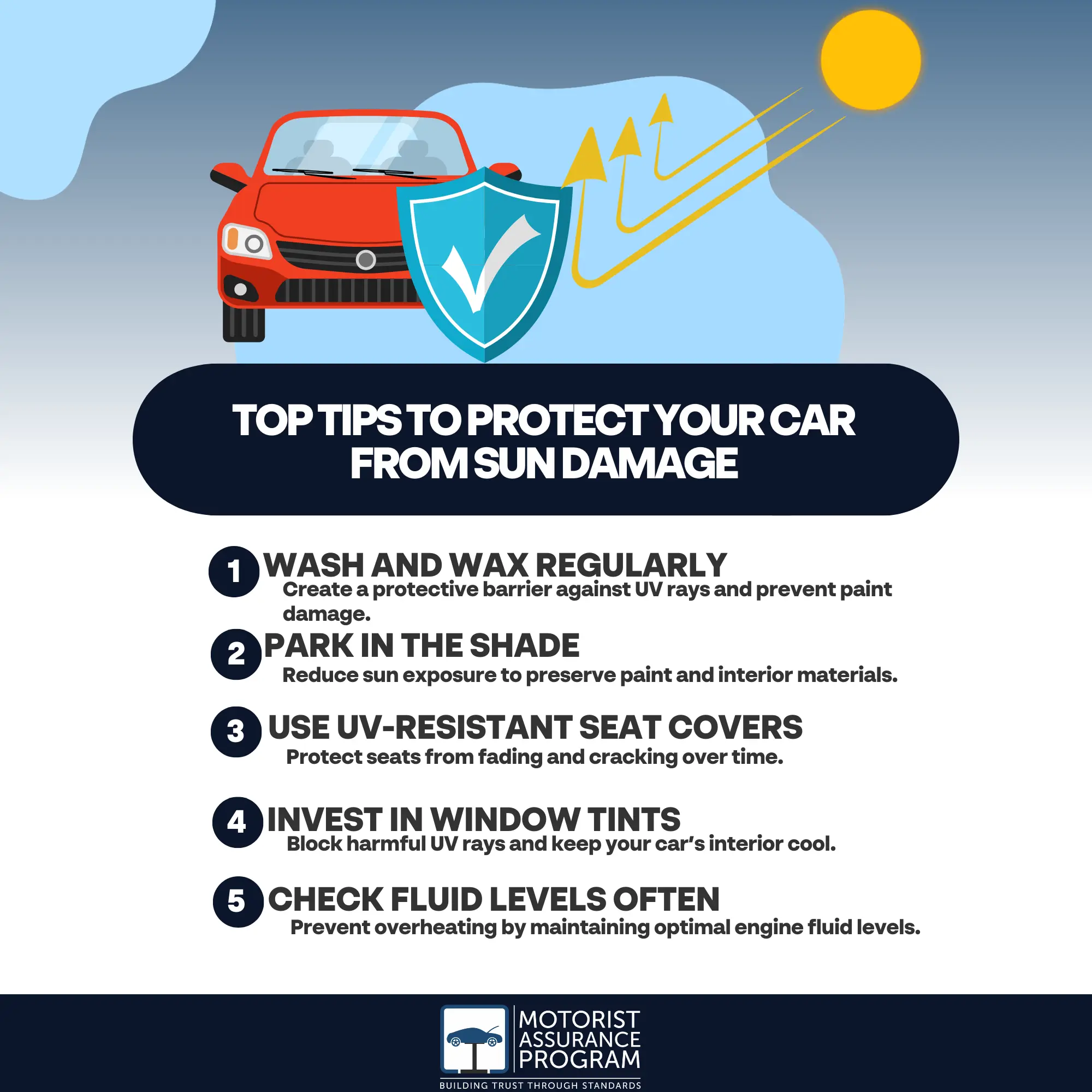
Maintaining wax protection keeps your car shiny and safe from damage. Wax forms a shield against dirt, water, and sun. Regular care helps the wax last longer and work better.
Protecting your car’s surface means more than just applying wax. You must know how often to wax and which products to use afterward.
Frequency Of Waxing
Waxing your car every three to four months is ideal. This timing keeps the wax layer fresh and strong. Too much waxing can harm the paint. Too little allows the wax to wear off. Check your car’s look and feel to decide when to wax again.
Aftercare Products
Use gentle car wash soap after waxing. Harsh detergents can strip wax away. Spray wax or quick detailers boost shine between waxings. They add a thin protective layer. Avoid abrasive cleaners that damage wax and paint.
Credit: motorist.org
Frequently Asked Questions
How Long Should Car Wax Sit Before Wiping?
Car wax should sit for about 5 to 10 minutes. This allows it to bond well with the paint. Avoid letting it dry completely. Wipe off with a microfiber cloth for best results.
Can Wax Sit Too Long On A Car?
Yes, wax can become difficult to remove if left too long. After 15-20 minutes, wax may harden and streak. Always follow product instructions for optimal timing.
How Often Should I Wax My Car?
Wax your car every 2 to 3 months. Frequent waxing protects paint and maintains shine. Adjust frequency based on weather and usage.
Does Temperature Affect Wax Drying Time?
Yes, temperature impacts wax drying time. Warm weather speeds drying, while cold slows it down. Apply wax in moderate temperatures for best results.
Conclusion
Wax should stay on your car just long enough to dry. Usually, this takes about 5 to 15 minutes. Watch for a hazy or dull look—that’s the right time to wipe it off. Leaving wax too long can make removal hard and leave streaks.
Too short, and the protection won’t be effective. Follow the wax instructions for the best results. Regular waxing keeps your car shiny and safe from dirt. Simple care makes a big difference in your car’s appearance. Wax smart, shine bright.