

Have you ever noticed a strange, musty smell inside your car? Or seen tiny black or green spots appearing on your seats or carpets?
That’s mold, and it can sneak into your car faster than you think. Mold isn’t just unpleasant—it can harm your health and damage your vehicle. So, how do you get mold in your car in the first place? Understanding how mold grows inside your car is the first step to keeping your ride fresh and safe.
Keep reading, and you’ll discover the surprising reasons behind mold growth and simple ways to prevent it from taking over your car.
Credit: www.simoniz.uk
Common Causes Of Car Mold
Mold grows in cars mainly because of moisture and poor air flow. Understanding the common causes helps to prevent mold damage. Mold spores find damp places to grow quickly inside vehicles. Moisture can come from many sources and hide in unseen spots. Spotting these causes early can save your car’s interior.
Moisture Buildup Inside The Vehicle
Moisture inside a car creates a perfect home for mold. Rainwater or snow can enter and stay inside. Even breathing creates small amounts of moisture. Without drying, this moisture collects on windows and seats. Warm temperatures make mold grow faster in wet areas.
Leaky Windows And Doors
Windows and doors that do not seal properly let water in. Leaks often happen after storms or car washes. Water seeps inside and soaks carpets and upholstery. This hidden wetness stays long and feeds mold. Check seals regularly to stop water from entering.
Clogged Air Conditioning Drain
The air conditioner removes moisture from the air inside. It drains water through a small pipe. If this pipe clogs, water pools under the car’s floor mats. This trapped water causes damp carpets and mold growth. Cleaning the drain prevents water buildup and mold.
Wet Carpets And Upholstery
Spilled drinks or wet shoes cause wet carpets and seats. These areas dry slowly and hold moisture for days. Mold spores grow in these damp places quickly. Clean spills immediately and dry the area well. Wet upholstery is a common mold source in cars.
Poor Ventilation
Cars need fresh air to keep moisture low inside. Closed windows and no air flow trap humid air. This creates a damp environment where mold grows fast. Air vents blocked by dust or debris reduce air circulation. Open windows or use ventilation to keep air moving.
Credit: washlab.io
Signs Of Mold In Your Car
Mold in your car can cause many problems. It can damage your vehicle and harm your health. Early signs help you find mold before it spreads. Watch for unusual smells, spots, and other changes inside your car. Recognizing these signs saves time and money.
Musty Odors
A strong, musty smell means mold may be growing. This odor often comes from damp areas. It stays even after you air out the car. The smell is a clear warning to check for mold.
Visible Mold Spots
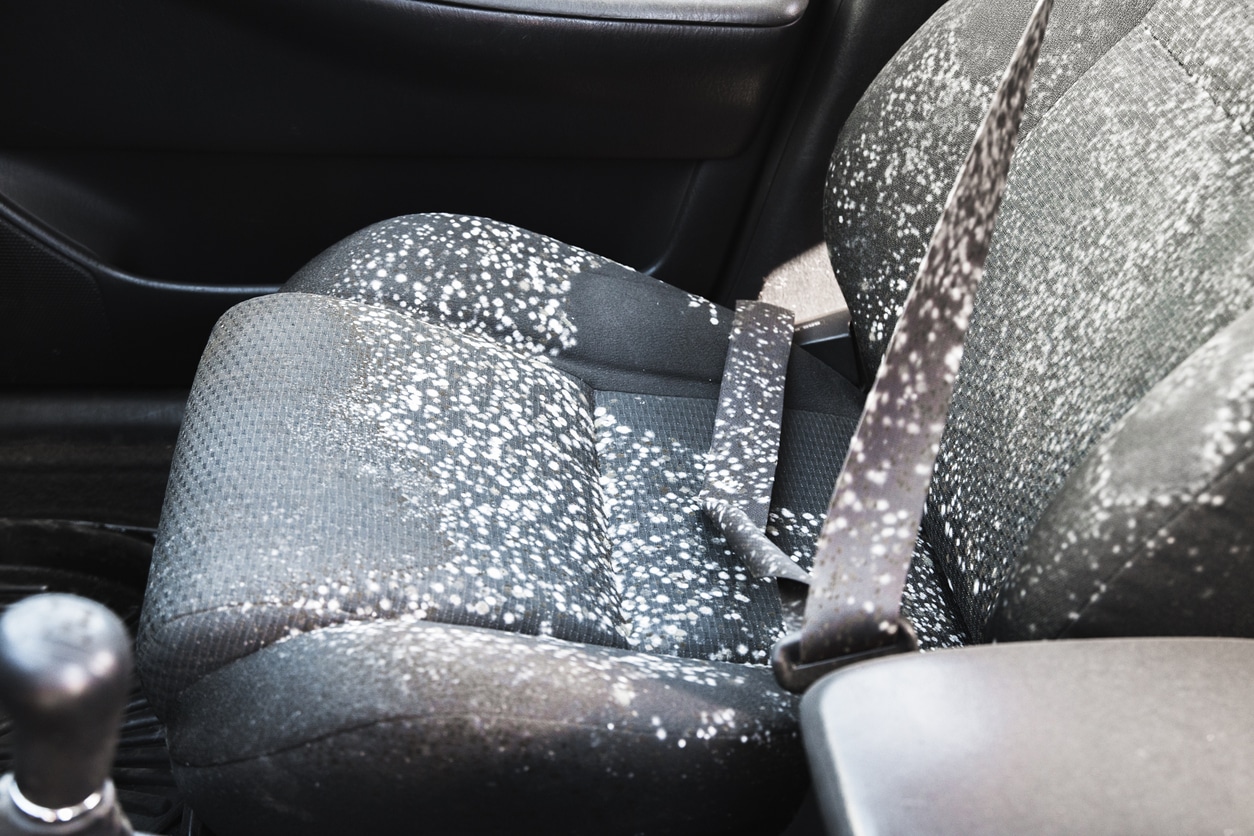
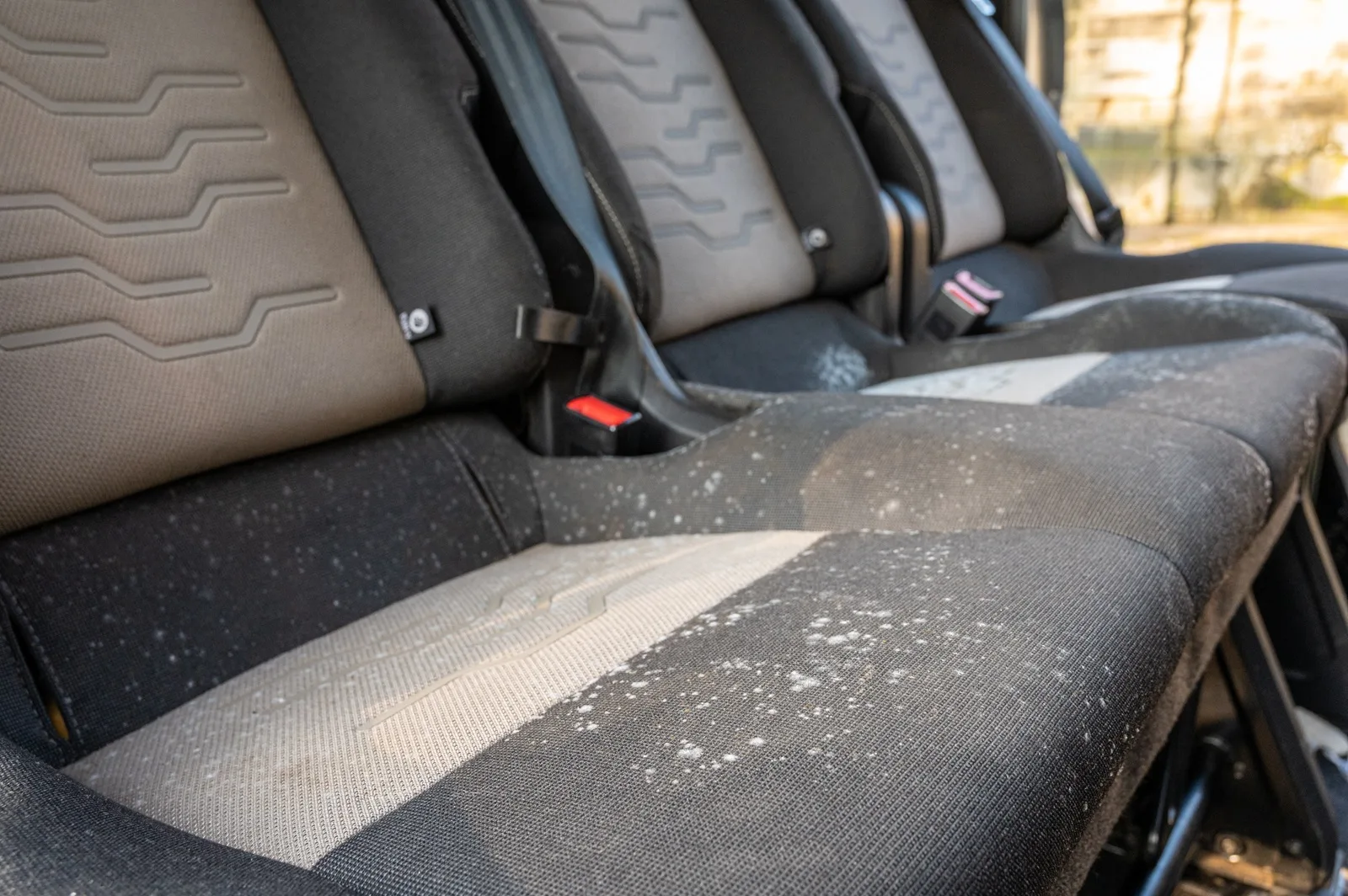
Look closely on seats, carpets, and door panels. Mold shows as small black, green, or white spots. These spots can grow quickly if not cleaned. Don’t ignore these visible signs. They tell you mold is present.
Foggy Windows
Windows that stay foggy or wet inside suggest moisture buildup. Moisture helps mold to grow fast. Constant fogging means your car has trapped humidity. This creates a perfect place for mold to live.
Allergy Symptoms While Driving
Sneezing, coughing, or watery eyes may happen in your car. Mold spores can cause these allergy symptoms. Feeling sick only in the car is a sign mold might be inside. Protect your health by checking for mold regularly.
Steps To Prevent Mold Growth
Preventing mold in your car takes simple, steady care. Mold grows fast in wet, dark places. Stopping moisture and keeping air moving helps a lot. Follow these easy steps to keep your car mold-free and fresh.
Keep Your Car Dry
Water is the main cause of mold. Always dry wet seats and floors quickly. Avoid leaving wet clothes or towels inside. Open windows on dry days to let moisture escape. A dry car stops mold before it starts.
Fix Leaks Promptly
Leaks let water inside your car unnoticed. Check doors, windows, and sunroof seals often. Repair any leaks right away. Even small leaks can cause big mold problems. Keeping water out is key to prevention.
Use Dehumidifiers Or Moisture Absorbers
Moisture absorbers trap extra dampness in your car. Use silica gel packs or small dehumidifiers. Place them under seats or in storage areas. They help keep the air dry and mold-free. Replace them regularly for best results.
Regularly Clean And Dry Carpets
Carpets hold dirt and moisture. Vacuum carpets weekly to remove dust and debris. Clean spills immediately with a dry cloth. Let carpets dry completely after cleaning. Dry carpets reduce the chance of mold growth.
Improve Air Circulation
Airflow stops mold spores from settling. Park in open, breezy places when possible. Leave windows slightly open on dry days. Use the car’s air conditioner or fan regularly. Good air circulation keeps your car fresh and mold-free.
Credit: www.puroclean.com
Cleaning Mold Safely
Mold in your car can cause health problems and damage the interior. Cleaning it safely is important to protect yourself and your vehicle. Use the right tools and methods to remove mold without spreading spores or causing harm. Follow simple steps to clean mold effectively and keep your car fresh.
Protective Gear To Use
Wear gloves to protect your hands from mold and cleaning chemicals. Use a mask to avoid breathing in mold spores. Safety glasses keep your eyes safe from splashes. Dress in old clothes that cover your skin well. This gear stops mold from touching your body.
Effective Cleaning Solutions
Use a mix of water and mild detergent for light mold. For stronger mold, try a solution of vinegar and water. Avoid bleach as it can damage car surfaces. Spray the solution on mold spots and let it sit for 10 minutes. Wipe with a clean cloth to remove mold and dirt.
Removing Mold From Upholstery
Vacuum the upholstery first to remove loose mold spores. Spray the cleaning solution evenly on fabric surfaces. Gently scrub with a soft brush to lift mold from fibers. Use a damp cloth to wipe away residue. Let the seats dry completely in the sun or with air circulation.
Dealing With Mold In Air Vents
Mold in air vents spreads spores inside the car. Use a small brush or foam swab to clean vent slats. Spray a disinfectant safe for plastics inside the vents. Run the car fan on high to dry vents and remove moisture. Change the cabin air filter to prevent mold return.
Maintenance Tips To Avoid Mold
Mold can grow quickly inside a car if moisture is not controlled. Simple maintenance steps help keep mold away. These tips protect your car’s interior and your health. Regular care stops mold before it starts.
Follow these easy maintenance tips to avoid mold in your car. Small efforts make a big difference.
Routine Interior Inspections
Check your car’s inside every week. Look under seats and in corners for damp spots. Clean wet areas right away. Remove trash that holds moisture. Dry any wet fabric or carpet fast. Early detection stops mold growth.
Properly Using Air Conditioning
Use the air conditioner to reduce humidity inside. Run the AC for a few minutes before turning off the car. This removes moisture from the air. Avoid using the AC only on recirculate mode. Fresh air helps keep the inside dry.
Parking In Dry, Covered Areas
Park your car in a garage or under a carport. Avoid parking on wet grass or dirt. These surfaces hold moisture that can enter your car. Covered areas protect your car from rain and dew. Dry parking spaces reduce mold risk.
Seasonal Mold Prevention Practices
In rainy or humid seasons, open windows briefly to air out the car. Use moisture absorbers like silica gel packs. Clean and dry floor mats regularly. Avoid leaving wet clothes or towels inside. Seasonal care keeps mold from returning.
Frequently Asked Questions
What Causes Mold To Grow Inside A Car?
Mold grows in cars due to moisture buildup from leaks, spills, or high humidity. Poor ventilation and wet upholstery create ideal conditions for mold to thrive quickly.
How Does Moisture Enter A Car’s Interior?
Moisture enters through rain leaks, window seals, air conditioner condensation, or wet clothes and shoes. These sources increase humidity, promoting mold growth inside the vehicle.
Can Mold Damage My Car’s Health And Materials?
Yes, mold affects air quality and can trigger allergies or respiratory issues. It also damages upholstery, carpets, and interior surfaces, leading to costly repairs.
How Can I Prevent Mold Growth In My Car?
Keep your car dry by fixing leaks and using moisture absorbers. Regularly air out the interior and clean spills immediately to prevent mold development.
Conclusion
Mold grows in cars mainly from moisture and poor air flow. Wet clothes, spills, or leaks create perfect spots for mold. Warm temperatures speed up mold growth inside your vehicle. Keep your car dry and clean to avoid mold problems.
Air out your car often, especially after rain. Use a dehumidifier or moisture absorber if needed. Catching mold early helps keep your car fresh and safe. Stay alert to musty smells or spots on seats and carpets. Taking simple steps stops mold from ruining your car’s interior.

