

Getting your car title notarized might sound like a hassle, but it’s an important step that protects your ownership and helps avoid future problems. If you’re feeling confused about where to start or what to bring, you’re not alone.
This guide will walk you through the simple steps to get your car title notarized quickly and without stress. Keep reading, and you’ll know exactly what to do to make sure your car’s paperwork is official and secure.
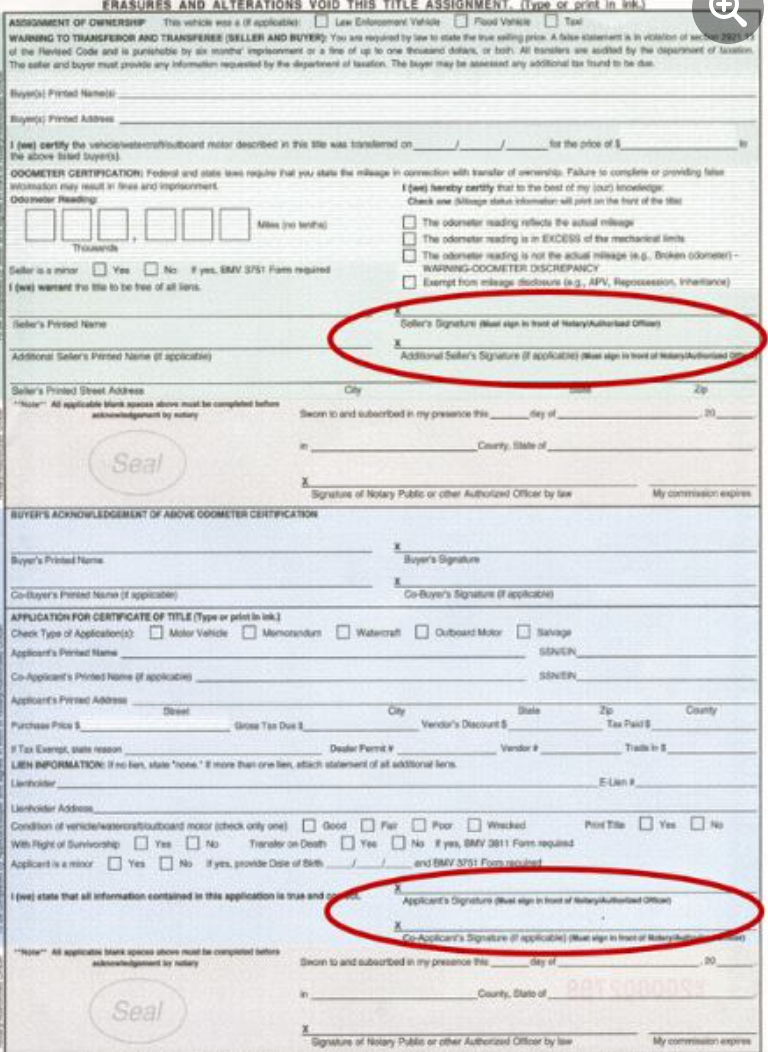
Credit: www.notarypubliccleveland.com
What Is A Car Title Notarization
Car title notarization is a simple but important step in selling or transferring a vehicle. It means a notary public checks the signatures on the car title. This process helps prove that the signatures are real and that the deal is legal.
Notarization gives extra trust in the transaction. It protects both the buyer and the seller from fraud. Many states require notarization for car title transfers to be valid.
What Does A Notary Public Do?
A notary public is an official who verifies identities and signatures. They make sure the person signing the title is who they say they are. The notary also watches the signing to confirm it is voluntary and honest.
Why Is Car Title Notarization Important?
Notarization helps prevent fake or forged signatures. It also confirms that both parties agree to the sale or transfer. Without notarization, the title may not be legally accepted by the motor vehicle department.
When Is Car Title Notarization Needed?
Many states require notarization when selling or gifting a vehicle. The rules differ by state, so check your local laws. Some states need notarization for all title transfers. Others only for certain cases.
Why Notarize Your Car Title
Notarizing your car title adds an important layer of trust. It proves the signatures on the document are real and made willingly. This step helps prevent fraud and protects both buyer and seller.
The notarization process also makes your car title legally valid in many states. Without it, the transfer of ownership might face delays or legal issues. Many DMV offices require a notarized title to complete registration.
Simple and quick, notarization saves time in the long run. It ensures a smooth, official transfer of your vehicle’s ownership. Protect yourself and follow the right steps.
Protects Against Fraud
Notarization confirms that the signatures are genuine. It stops fake or forged documents from being used. This reduces risks during private sales or transfers.
Required By Many States
Some states demand notarized titles for vehicle registration. Without notarization, the DMV may reject your paperwork. This causes delays and extra trips to the office.
Ensures Legal Validity
A notarized car title is a legally binding document. Courts recognize it as proof of ownership transfer. This helps resolve disputes if they arise later.
Simplifies The Transfer Process
Notarization makes the title transfer straightforward. It confirms all parties agreed to the sale or gift. This helps avoid future confusion or complications.
Documents Needed For Notarization
Getting your car title notarized requires a few important documents. These papers prove your identity and ownership. Preparing them before visiting the notary saves time and avoids problems.
Each document plays a key role. Some are mandatory, while others depend on your situation. Knowing what to bring helps the process go smoothly.
Valid Photo Identification
A government-issued ID is essential. Examples include a driver’s license, passport, or state ID card. The notary uses this to confirm your identity. Make sure the ID is current and not expired.
Original Car Title
Bring the original car title document. It shows you own the vehicle. The notary will check it carefully before signing. A damaged or altered title might cause delays.
Signed Title Or Assignment Section
The seller’s signature must be on the title or assignment area. This confirms the transfer of ownership. The notary will witness this signature. Don’t sign the document before meeting the notary.
Proof Of Payment Or Bill Of Sale
Some states require proof of payment or a bill of sale. This document shows the sale is complete. It contains details like the buyer, seller, price, and date. Check your local laws for this requirement.
Additional Forms Or Documents
Depending on your state, extra forms may be needed. These could include lien release papers or power of attorney. Ask the notary or check your state’s DMV website for details. Having these ready speeds up notarization.
Finding A Notary Public
Finding a notary public is a key step in getting your car title notarized. A notary public is an official who verifies your identity and witnesses your signature. They make sure the document is signed properly and legally. Knowing where to find one saves time and avoids delays.
Local Banks And Credit Unions
Banks and credit unions often have notaries on staff. Visit your bank branch and ask if a notary is available. Many banks offer this service free for customers. You may need to bring your ID and the car title. Check their hours before you go to avoid waiting.
Mobile Notary Services
Mobile notaries travel to your location. They are helpful if you cannot visit a bank or office. You can schedule a time that fits your day. Mobile notaries charge a fee for their travel and service. Make sure to confirm their fee and availability first.
Online Notarization Options
Online notarization allows you to meet a notary via video call. This service works from home or anywhere with internet. You upload your documents and show your ID on camera. The notary watches you sign and then notarizes digitally. Check if your state accepts online notarization for car titles.
Step-by-step Notarization Process
Notarizing a car title is a simple process that makes your vehicle sale or transfer official. It helps prevent fraud and confirms your identity. Follow these easy steps to get your car title notarized without stress.
Prepare Your Car Title
Start by checking the car title for any mistakes. Make sure all the information is correct and complete. The title should be free of damages or marks that could confuse the notary. Have the title ready before your appointment.
Present Valid Identification
Bring a government-issued ID, such as a driver’s license or passport. The ID must be current and not expired. The notary uses this to confirm your identity. Without valid ID, notarization cannot happen.
Sign The Title In Front Of Notary
Do not sign the title before meeting the notary. Sign it only in the notary’s presence. This step is crucial because the notary must witness your signature. It confirms you signed the document willingly.
Notary Verification And Seal
The notary will check your ID and the title. Then, they will sign the document and add their official seal. This seal makes the notarization valid and legal. Keep the notarized title safe for future use.
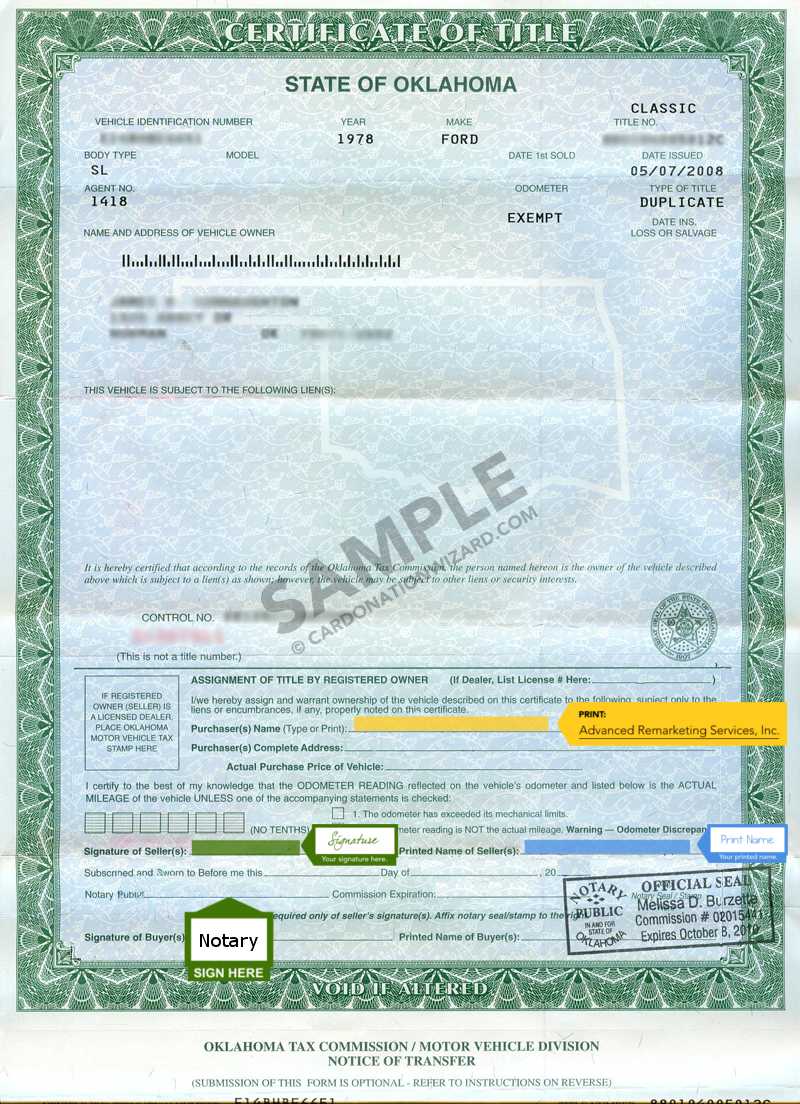
Credit: www.cardonationwizard.com
Common Mistakes To Avoid
Getting your car title notarized is a key step in transferring vehicle ownership. Many people make simple mistakes that cause delays or rejection. Avoiding these errors saves time and stress.
Below are the common mistakes to watch for when getting your car title notarized.
Incomplete Or Incorrect Information
Always fill out the car title form carefully. Missing or wrong details can stop the notarization process. Double-check names, dates, and signatures. Use clear handwriting or type the information if possible. Correct details help the notary verify your identity and the transaction.
Signing Before Notary Presence
Do not sign the car title before meeting the notary. The notary must watch you sign the document. Signing early makes the notarization invalid. Wait until the notary asks you to sign. This step confirms the signature is yours and is genuine.
Using Expired Identification
Bring valid, current ID to the notary appointment. Expired driver’s licenses or passports will not work. The notary needs to confirm your identity with official documents. Check your ID expiration date before the visit. A valid ID speeds up the notarization process.
Fees And Timing
Getting your car title notarized is a key step when selling or transferring a vehicle. Knowing the fees and timing helps you plan better. Costs can vary by state and notary service. Time needed also depends on your location and availability.
This section explains typical fees and the usual time it takes to get a car title notarized.
What Are The Typical Notary Fees?
Notary fees usually range from $5 to $15 per signature. Some states set a maximum fee by law. Mobile notaries may charge extra for travel. Public offices or banks often offer free notary services. Check local rules to avoid surprises.
How Long Does The Notarization Take?
The notarization process itself takes about 5 to 10 minutes. Waiting time depends on notary availability. Booking an appointment can save time. Mobile notaries may come to you quickly. Some places allow walk-ins but expect possible wait times.
Additional Costs To Consider
Other fees may apply for document copies or certifications. Some states require DMV filing fees after notarization. Factor in travel or convenience charges for mobile notaries. Confirm all fees before your appointment to stay on budget.
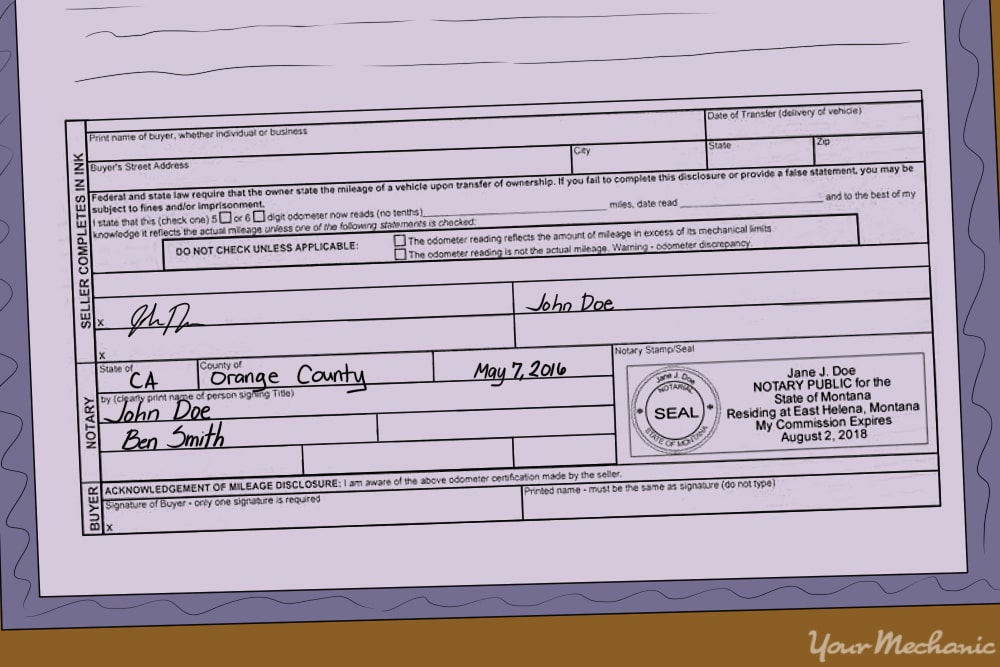
Credit: www.yourmechanic.com
After Notarization: Next Steps
After you get your car title notarized, the process is not over. Some important steps follow to make sure the title transfer is official and complete. Handling these steps carefully helps avoid delays or problems with your vehicle ownership.
Submitting To Dmv
Take the notarized title to your local Department of Motor Vehicles (DMV). The DMV needs the original document to update their records. You may need to fill out extra forms or pay fees. Check the DMV’s website or office for exact requirements. Submit the paperwork promptly to avoid fines or registration issues.
Retaining Copies For Records
Keep a copy of the notarized title for your personal files. This copy proves the transaction and shows your ownership. Store it in a safe place, like a file or drawer. You might need it for future reference or legal matters. Having a copy helps protect you if the original is lost or damaged.
Frequently Asked Questions
What Documents Are Needed To Notarize A Car Title?
You need the original car title, a valid photo ID, and the buyer’s signature. Some states may require additional forms. Always check local DMV rules before your appointment.
Where Can I Get My Car Title Notarized?
Car titles can be notarized at banks, credit unions, or by a licensed notary public. Some DMV offices also offer notarization services.
How Much Does It Cost To Notarize A Car Title?
Notarization fees vary by state and location but typically range from $5 to $15. Some banks offer free notarization for account holders.
Can I Notarize A Car Title Online?
Yes, some states allow online notarization via approved platforms. Check if your state supports e-notarization before proceeding.
Conclusion
Getting your car title notarized is a simple but important step. It protects you and proves ownership clearly. Visit a trusted notary with your title and ID. Remember to sign the title in front of the notary. This process helps avoid future legal issues.
Keep your notarized title safe for any future needs. Taking these steps makes selling or transferring your car easier and faster. Stay prepared, follow the rules, and your car ownership stays secure.


