Have you noticed your car’s brakes feeling less responsive or making strange noises? If so, you’re probably wondering, how long does it take to replace car brakes?
Knowing the answer can save you time and stress when your vehicle needs attention. You’ll discover what affects the repair time, what to expect during the process, and tips to keep your brakes in top shape. Keep reading to find out everything you need to know about brake replacement and get back on the road safely and quickly.

Credit: smart.dhgate.com
Signs You Need Brake Replacement
Knowing the signs of brake wear is crucial for safety. Brakes wear out over time and need replacing. Ignoring signs can lead to accidents or costly repairs. Pay attention to your car’s behavior and sounds. Early detection keeps driving safe and smooth.
Squeaking And Grinding Noises
Squeaking sounds often mean brake pads are worn. The noise comes from a small metal indicator on the pads. Grinding noise signals the pads are gone. Metal parts rubbing can damage the brake rotors. This noise needs immediate attention to avoid further damage.
Reduced Braking Performance
Brakes that take longer to stop are a warning. The brake pedal may feel soft or spongy. You might press harder to slow down. Reduced braking power can cause accidents. Check your brakes if stopping feels different or slower.
Vibrations When Braking
Feeling vibrations or shaking in the brake pedal is a sign. It often means the brake rotors are warped. Warped rotors reduce braking efficiency and safety. Smooth braking is important for control. Don’t ignore this warning sign.
Brake Warning Lights
Your car’s dashboard has warning lights for brakes. These lights turn on for low brake fluid or worn pads. A brake warning light means immediate check is needed. Never drive long with a brake warning light on. It protects you from brake failure risks.

Credit: www.htsaves.com
Factors Affecting Brake Replacement Time
Replacing car brakes is a common repair. The time it takes varies. Several factors affect how long the process lasts. Knowing these helps set the right expectations.
Type Of Vehicle
Small cars often have simpler brake systems. They usually take less time to fix. Large trucks or SUVs need bigger, stronger brakes. This can add to the replacement time. Some sports cars have special brakes. These require more care and time to replace.
Brake System Complexity
Basic brake systems are quicker to service. Advanced systems, like ABS or electronic brakes, take longer. Technicians need to handle extra parts carefully. Diagnosing and calibrating these systems adds time. Complex brakes need more skill and tools.
Condition Of Brake Components
Newer brake parts are easier to replace. Old or rusted parts may stick or break. This makes removal harder and slower. Sometimes extra cleaning or repairs are needed. Worn rotors or damaged calipers increase the job length.
Tools And Equipment Availability
Having the right tools speeds up brake replacement. Modern shops have specialized equipment for quick work. Lacking proper tools can slow down the process. Some brakes need specific machines to reset or adjust. Well-equipped garages finish jobs faster and better.
Typical Time To Replace Car Brakes
Car brakes wear down over time and need replacing to keep driving safe. The time it takes to replace brakes depends on the job’s complexity. Some brake repairs are quick, while others take more time. Understanding the typical time helps plan your visit to the mechanic. It also helps you know what to expect for your car.
Replacing Brake Pads Only
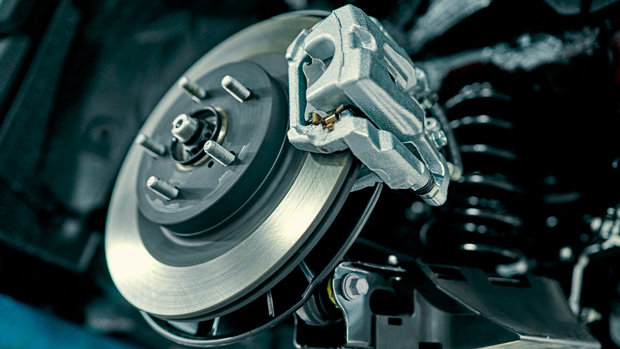
Brake pads wear out faster than other brake parts. Replacing just the pads usually takes about 30 to 60 minutes. The mechanic removes the wheel, takes out the old pads, and fits new ones. This job is simple and fast, especially if the rotors are still in good shape. Many drivers need only this service during regular maintenance.
Replacing Brake Rotors And Pads
When rotors get worn or damaged, they must be replaced with the pads. This process takes longer, about 1 to 2 hours. The mechanic removes the wheels, old pads, and rotors. Then, they install new rotors and brake pads. This repair takes more effort but improves braking performance and safety. It is common for cars with heavy use or older brakes.
Complete Brake System Overhaul
A full brake system overhaul means fixing or replacing all parts. This includes pads, rotors, calipers, and sometimes brake lines. The work can take 3 to 5 hours or more. The mechanic checks every brake part and replaces what is worn out. This service is needed if brakes have serious damage or have not been serviced for a long time. It restores the brake system to full working order.
Step-by-step Brake Replacement Process
Replacing car brakes is a task that requires careful steps. Knowing the process helps you understand how long it takes. Each step plays a key role in ensuring your brakes work well again. Here is a clear guide on how the brake replacement happens.
Preparing The Vehicle
First, park the car on a flat surface. Engage the parking brake for safety. Loosen the wheel nuts before lifting the car. Use a jack to raise the vehicle. Place jack stands under the car to hold it securely. Remove the wheel nuts fully and take off the wheel.
Removing Old Brake Components
Locate the brake caliper and remove its bolts. Carefully slide the caliper off the brake rotor. Use a wire or hook to hang the caliper, avoiding stress on the brake hose. Remove the old brake pads from the caliper bracket. Take out the brake rotor if it needs replacement. Clean the area to prepare for new parts.
Installing New Brake Parts
Fit the new brake rotor if needed. Place new brake pads into the caliper bracket. Compress the caliper piston with a tool to fit over new pads. Slide the caliper back onto the rotor. Tighten the caliper bolts to the correct torque. Reinstall the wheel and hand-tighten the nuts.
Testing The Brakes
Lower the car carefully and remove the jack stands. Tighten the wheel nuts fully in a star pattern. Press the brake pedal slowly several times to set the pads. Test the brakes at low speed in a safe area. Listen and feel for any unusual noises or vibrations. This ensures the brakes work correctly before driving normally.
Diy Vs Professional Brake Replacement
Replacing car brakes can be done in two ways: by yourself or by a professional. Each option has its own advantages and challenges. Knowing the differences helps you decide the best choice for your situation. Time, skill, and safety all play important roles.
Benefits Of Diy
Doing brake replacement yourself saves money on labor costs. You learn more about your car and how it works. You can work on your own schedule without waiting for an appointment. It gives a sense of satisfaction after completing the job. Tools needed are often affordable and reusable for future tasks.
Risks And Challenges
Brake replacement is not simple for beginners. Mistakes can cause poor brake performance or accidents. Some cars need special tools or knowledge. Time spent can be longer than expected. Improper installation may wear out parts faster. Safety risks increase without proper care and experience.
When To Choose A Mechanic
Choose a mechanic if you lack confidence or tools. Professionals finish the job quickly and correctly. They can spot other brake system issues early. Warranty on their work offers peace of mind. Complex brake systems require expert handling. It reduces stress and ensures your safety on the road.
Tips For Faster Brake Replacement
Replacing car brakes can take time, but some steps can speed up the process. Simple tips help you work smarter and finish faster. Preparation and a clear plan make a big difference.
Gathering Tools In Advance
Collect all tools before starting the brake replacement. Common tools include a jack, lug wrench, brake cleaner, and new brake pads. Having tools ready avoids delays. Searching for tools wastes valuable time.
Working In A Clean Environment
Choose a clean, well-lit workspace for brake replacement. Dirt and clutter slow you down and cause mistakes. A neat area helps you find parts quickly. It also keeps brake components free from dust.
Following Manufacturer Guidelines
Read the car’s manual or brake kit instructions carefully. Each vehicle has specific steps and torque values. Following these guidelines prevents errors and extra work. It ensures the brakes work safely and properly.
Credit: www.spinellinissan.com
Frequently Asked Questions
How Long Does Brake Replacement Usually Take?
Brake replacement typically takes 1 to 2 hours. The exact time depends on your car model and brake type. Experienced mechanics may complete the job faster without compromising quality.
Can I Drive Immediately After Brake Replacement?
Yes, you can drive right after brake replacement. However, avoid hard braking for the first 100 miles. This helps the brake pads settle properly and ensures safety.
What Factors Affect Brake Replacement Time?
Brake replacement time varies due to car type, brake condition, and mechanic experience. Complex systems or additional repairs can extend the process. Always consult your mechanic for an accurate estimate.
Is Diy Brake Replacement Time-consuming?
DIY brake replacement can take 3 to 4 hours or more. It requires tools, knowledge, and caution. If unsure, professional service is safer and more time-efficient.
Conclusion
Replacing car brakes usually takes about 1 to 2 hours. The time depends on the car model and brake condition. Skilled mechanics work faster and ensure safety. Regular brake checks help avoid urgent repairs. Knowing the time helps you plan your day better.
Always choose a trusted mechanic for brake replacement. Safety on the road starts with good brakes. Keep your brakes in top shape for smooth driving. Simple steps can save time and stress later. Brake replacement is quick but important for your safety.