

Have you ever wondered if your vehicle’s fuel system is working smoothly? One small part you might overlook is the fuel filter.
But how do you know if you need a new fuel filter? Ignoring this could lead to engine problems and costly repairs. You’ll learn clear signs that your fuel filter needs attention, so you can keep your car running strong and avoid unexpected breakdowns.
Keep reading to discover what to watch for and how to take action before it’s too late.
Role Of A Fuel Filter
A fuel filter plays a key role in keeping your vehicle running smoothly. It cleans the fuel before it reaches the engine. This prevents dirt and debris from causing problems. Understanding its role helps you know when it needs replacement.
Fuel filters work quietly but have a big job. They help protect your engine and improve performance.
Fuel Filter Function
The fuel filter traps dirt, rust, and other particles. These come from the fuel tank or fuel itself. Without filtering, these impurities can clog fuel injectors. This causes poor engine performance and can lead to damage. The filter also helps fuel flow smoothly to the engine.
Importance For Engine Health
A clean fuel filter keeps the engine safe from harmful debris. It reduces wear and tear on engine parts. This helps the engine last longer and work better. A dirty or clogged fuel filter can cause the engine to misfire or stall. Regular checks keep your vehicle reliable and efficient.

Credit: www.youtube.com
Common Symptoms Of A Bad Fuel Filter
A bad fuel filter can cause several problems in your car’s engine. The fuel filter keeps dirt and debris out of the fuel system. Over time, it can get clogged and stop working well. This can affect how your car runs. Here are common signs that point to a bad fuel filter.
Engine Misfires Or Hesitation
Your engine may misfire or hesitate during acceleration. This happens because the clogged filter reduces fuel flow. The engine does not get enough fuel to run smoothly. You might feel a jerking or stalling sensation while driving.
Reduced Fuel Efficiency
A bad fuel filter can lower your car’s fuel efficiency. The engine uses more fuel to compensate for poor fuel flow. You may notice that you need to fill the gas tank more often. This can increase your fuel expenses over time.
Difficulty Starting The Engine
The car may take longer to start or fail to start at all. A clogged fuel filter blocks fuel from reaching the engine. Without enough fuel, the engine struggles to turn over. This issue usually gets worse as the filter clogs more.
Unusual Engine Noises
You might hear strange noises from the engine area. These sounds can include sputtering or coughing noises. They occur because the engine is not getting steady fuel flow. The fuel system works harder and causes these unusual sounds.
Effects On Vehicle Performance
The fuel filter plays a key role in keeping your vehicle running smoothly. It cleans the fuel before it reaches the engine. A dirty or clogged filter can cause several problems. These problems affect how your vehicle performs on the road. Here are some common signs to watch for.
Power Loss During Acceleration
Your car may struggle to speed up. The engine might feel weak or slow. This happens because the fuel flow is blocked. The engine does not get enough fuel to run well. You may notice the power drops especially when going uphill or carrying heavy loads.
Stalling Or Rough Idling
The engine may stop suddenly while driving. This is called stalling. It can also shake or run unevenly when stopped. A clogged fuel filter limits the fuel supply. The engine cannot keep running smoothly without enough fuel. This makes idling rough and unstable.
Check Engine Light Indicators
The check engine light on your dashboard may turn on. It can signal a fuel system problem. A bad fuel filter affects engine sensors. These sensors detect fuel issues and alert you. Ignoring this light can lead to bigger engine troubles.

Credit: www.youtube.com
Fuel Filter Inspection Methods
Knowing how to check your fuel filter helps keep your car running smooth. Fuel filter inspection methods give clues about its condition. Regular checks can stop engine problems early. Here are some easy ways to inspect your fuel filter.
Visual Checks
Start with a simple look at the fuel filter. Check for dirt, rust, or cracks on its surface. Look at the fuel lines connected to it. Any leaks or damage? A dirty or damaged filter needs replacement. Visual checks show obvious problems fast.
Fuel Pressure Testing
Fuel pressure testing shows how well the filter works. Use a fuel pressure gauge on the fuel line. Low pressure means the filter may be clogged. Normal pressure means fuel flows well. This test helps find hidden blockages in the filter.
Consulting Vehicle Maintenance Schedule
Your car’s manual has a fuel filter schedule. Follow the recommended time or miles for changing it. Sticking to this plan prevents filter problems. Every car is different, so check your manual. This keeps fuel flow clean and engine strong.
When To Replace The Fuel Filter
Knowing when to replace the fuel filter is important for your vehicle’s health. The fuel filter stops dirt and rust from reaching the engine. Over time, it gets clogged and can cause problems. Replacing it at the right time keeps the engine running smooth and saves money on repairs.
Mileage Recommendations
Most car makers suggest changing the fuel filter every 20,000 to 40,000 miles. Check your owner’s manual for exact numbers. Some cars have fuel filters that last longer. Driving in dusty or rough areas may need more frequent changes. Following mileage guidelines helps avoid engine trouble.
Signs Warranting Immediate Replacement
Watch for these signs of a bad fuel filter. The engine may sputter or stall during driving. Hard starting or slow acceleration can also happen. You might notice poor fuel mileage or the check engine light. Strange noises from the fuel pump can mean blockage. Replace the fuel filter right away if these occur.
Diy Vs Professional Replacement
Deciding between doing a fuel filter replacement yourself or hiring a professional is important. Both choices have pros and cons. Understanding these helps you make the best decision for your car and safety.
Tools And Safety Tips
Replacing a fuel filter needs the right tools. You will need a wrench, screwdrivers, and possibly pliers. A container to catch fuel is useful too. Always work in a well-ventilated area to avoid fuel fumes. Wear safety glasses and gloves to protect your eyes and skin. Make sure the engine is cool before starting. Disconnect the battery to prevent sparks. These steps reduce risk and keep you safe during the job.
Benefits Of Professional Service
Professionals have experience and special tools for fuel filter replacement. They can find hidden problems fast. A mechanic ensures the job is done correctly and safely. Professional service saves time and stress. They also check other parts of the fuel system. This can prevent future issues. Choosing a professional reduces the chance of mistakes and car damage.
Preventive Measures For Fuel System
Taking care of your fuel system helps avoid problems and keeps your vehicle running smoothly. Preventive steps stop dirt and debris from damaging key parts. A clean fuel system improves engine life and fuel efficiency.
Using Quality Fuel
Fuel quality directly affects the fuel system’s health. Poor fuel contains contaminants that clog filters and injectors. Choose fuel from trusted stations only. Clean fuel reduces deposits and protects the fuel filter. It helps the engine perform better and last longer.
Regular Maintenance Practices
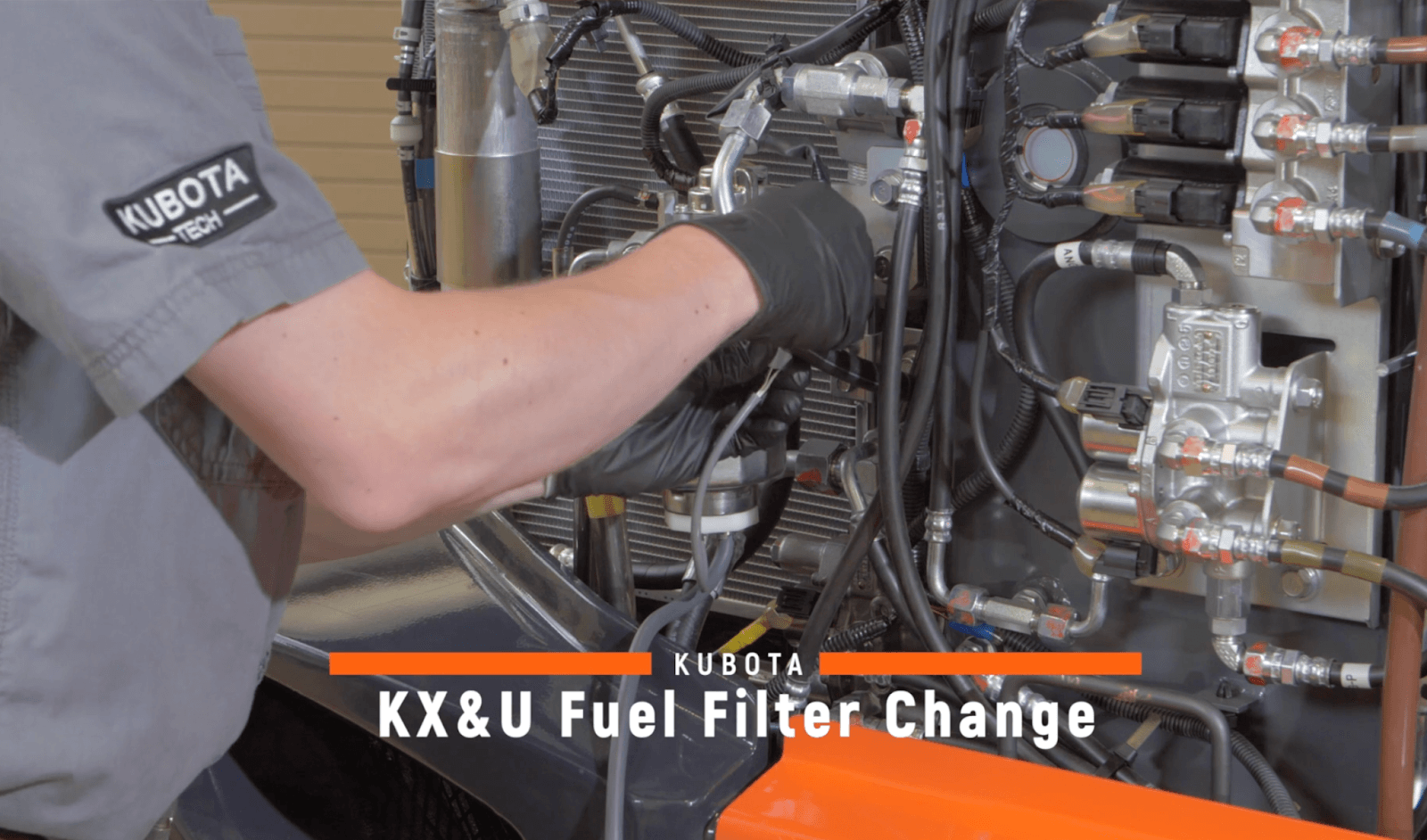
Regular checks prevent fuel system issues early. Change fuel filters as recommended by your vehicle’s guide. Inspect fuel lines for leaks or cracks. Clean fuel injectors to maintain smooth fuel flow. Routine maintenance saves money on costly repairs later.
Credit: kubotacenter.com
Frequently Asked Questions
What Are The Signs You Need A New Fuel Filter?
Common signs include engine misfires, poor acceleration, and difficulty starting. A clogged filter restricts fuel flow, causing these issues. Regular maintenance helps avoid damage and keeps your vehicle running smoothly.
How Often Should You Replace Your Fuel Filter?
Typically, replace your fuel filter every 20,000 to 40,000 miles. Check your vehicle’s manual for specific intervals. Replacing it on time ensures optimal engine performance and prevents fuel system damage.
Can A Bad Fuel Filter Cause Engine Stalling?
Yes, a clogged fuel filter can cause engine stalling. It limits fuel supply, causing the engine to hesitate or stop. Prompt replacement can prevent unexpected breakdowns and improve reliability.
How Does A Fuel Filter Affect Fuel Efficiency?
A clean fuel filter ensures smooth fuel flow to the engine. A dirty filter reduces fuel efficiency by forcing the engine to work harder. Regular replacement helps maintain better mileage and engine health.
Conclusion
A clean fuel filter keeps your engine running smooth. Watch for signs like rough idling or poor acceleration. Changing the filter on time saves costly repairs later. Trust your car’s performance and listen to its needs. Regular checks help avoid unexpected breakdowns.
Stay safe and keep your vehicle healthy. Simple steps make a big difference in driving comfort. Don’t ignore warning signs; act before problems grow. Your engine will thank you with better power and efficiency.


