Are you wondering how many brake pads and rotors you actually need for your vehicle? Getting this right is crucial—not just for your car’s safety but also for saving money and avoiding unnecessary trips to the shop.
You’ll discover exactly how to figure out the right number of brake pads and rotors for your specific ride. By the end, you’ll have the confidence to make smart decisions that keep your brakes working smoothly and your wallet happy.
Keep reading, because what you learn here could make all the difference on your next brake job.
Brake Pads And Rotors Basics
Brake pads and rotors are key parts of a car’s braking system. They work together to stop the vehicle safely. Knowing the basics helps you understand how many you need and when to replace them.
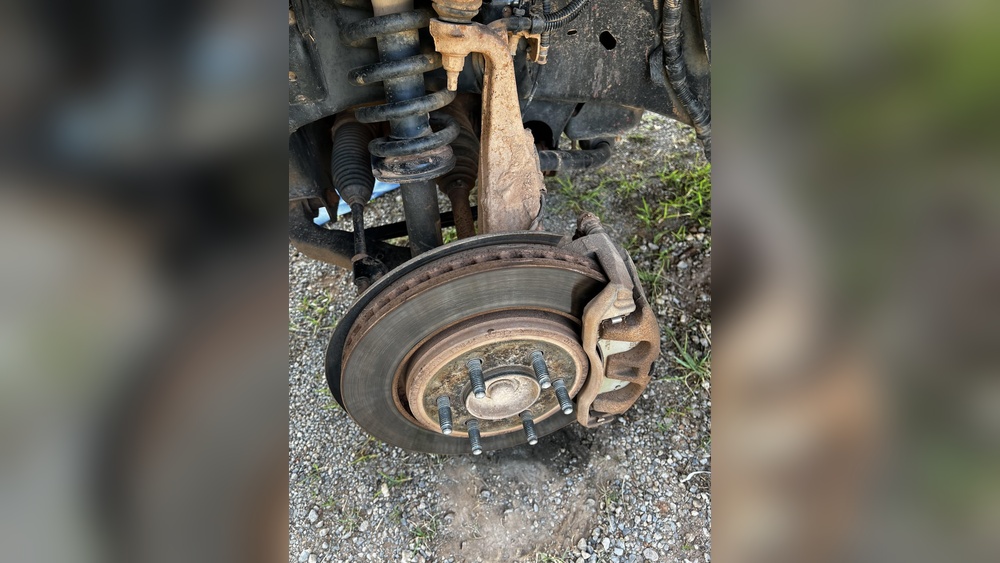
Each vehicle has four wheels. Usually, each wheel has one brake pad and one rotor on each side. This means you often need four brake pads and two rotors for the front or rear set. But types and needs can vary.
Types Of Brake Pads
Brake pads come in three main types: organic, semi-metallic, and ceramic. Organic pads are soft and quiet but wear faster. Semi-metallic pads last longer and handle heat well. Ceramic pads are quiet and clean but cost more.
Types Of Rotors
Rotors also vary. There are solid rotors, which are simple and affordable. Ventilated rotors have air channels to cool faster. Drilled or slotted rotors help with heat and water but may wear pads faster.
How Brakes Work
Brakes work by pressing pads against rotors. This creates friction, which slows the wheels down. The harder the pads press, the faster the car stops. Pads wear out from this friction and need replacing over time.

Credit: www.youtube.com
Determining Quantity Needed
Knowing how many brake pads and rotors you need is important before buying. The right quantity depends on your vehicle’s type and brake system. This helps you avoid extra costs and ensures safe driving.
Number Of Wheels On Your Vehicle
Most cars have four wheels, so they need brake pads and rotors for each wheel. Some vehicles, like motorcycles or trucks, have fewer or more wheels. Count your wheels to know how many brake parts you need.
Brake System Configuration
Vehicles can have different brake systems. Some use disc brakes on all wheels, while others use drum brakes on the rear wheels. Disc brakes need both pads and rotors, but drum brakes use shoes and drums. Check your vehicle’s brake type to buy the correct parts.
Front Vs Rear Brake Components
Front and rear brakes wear differently and may need different parts. Front brakes usually wear out faster and often have larger rotors and pads. Some vehicles use disc brakes in front and drums at the rear. Know which parts fit the front and rear to buy the right quantity.
Factors Affecting Brake Component Replacement
Knowing how many brake pads and rotors you need depends on several key factors. These factors affect how fast your brake parts wear out and when you should replace them. Understanding these helps you keep your car safe and running well.
Driving Habits And Conditions
Hard braking wears brake pads faster. Frequent stop-and-go traffic means more wear. Driving in hilly areas adds stress to brakes. Smooth, steady driving helps brake parts last longer. Dusty or wet roads can also speed up wear.
Vehicle Make And Model
Different cars need different brake parts. Some models use larger brake pads and rotors. Performance cars may require special, high-quality components. Check your car manual for exact sizes. Using the right parts keeps your brakes working well.
Wear And Tear Indicators
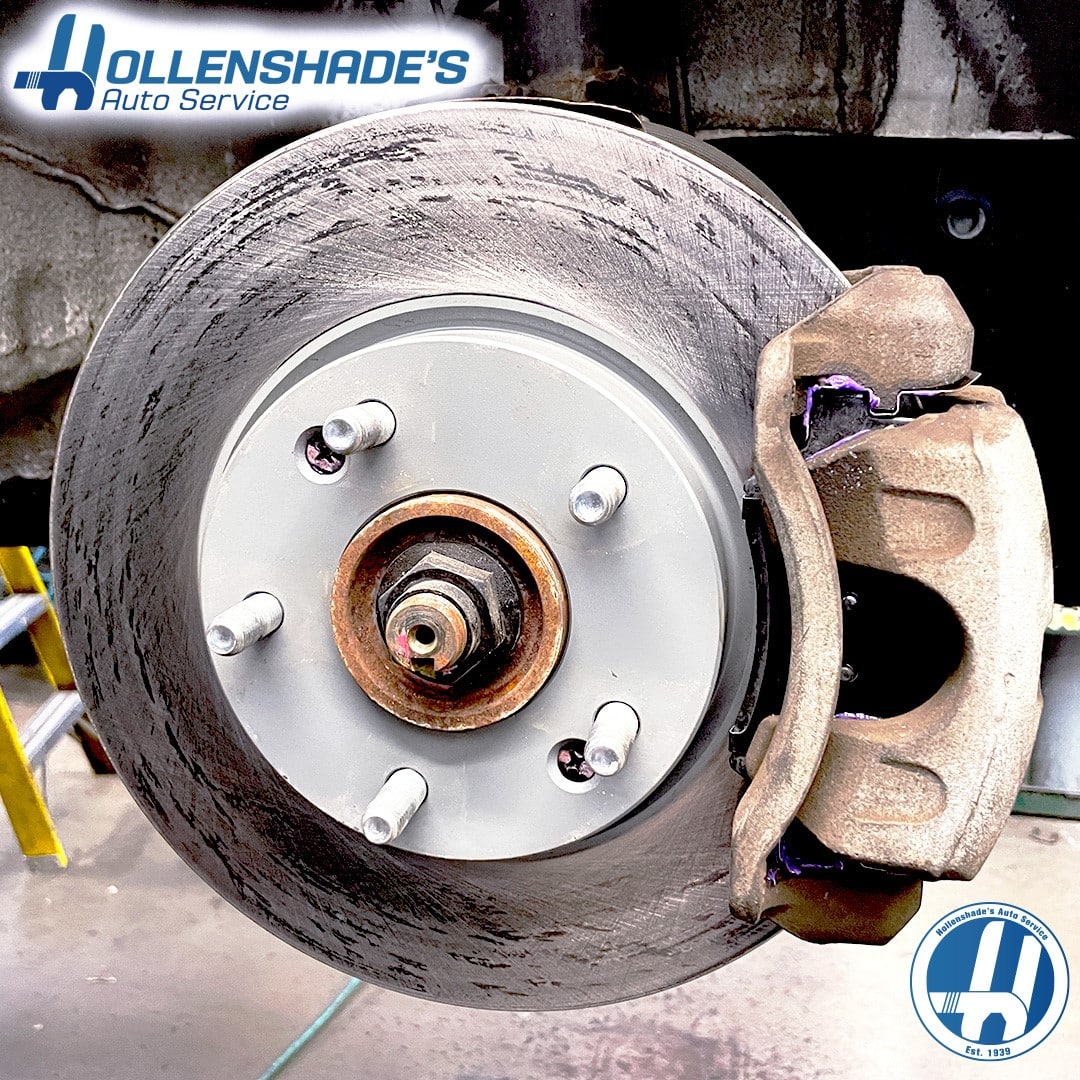
Listen for squeaking or grinding sounds. These signal worn brake pads or rotors. Visual checks show if pads are thin or rotors are scored. Some brake pads have built-in wear sensors. Replace parts as soon as signs appear to avoid damage.
Credit: www.hollenshades.com
Choosing The Right Brake Pads And Rotors
Selecting the correct brake pads and rotors is key for safe driving. The right parts keep your brakes working well and lasting longer. Different cars need different types of brake components. Understanding your options helps you make smart choices.
Quality and fit matter a lot. Cheap parts can wear out fast or cause damage. Good parts improve braking and protect your vehicle. Let’s explore materials, costs, and brands to guide your decision.
Material Options
Brake pads come in ceramic, semi-metallic, and organic types. Ceramic pads are quiet and clean but cost more. Semi-metallic pads cool well and last longer. Organic pads are soft and quiet but wear fast.
Rotors can be solid, vented, or drilled. Solid rotors are simple and affordable. Vented rotors cool better for heavy use. Drilled rotors help with heat but may crack sooner.
Performance Vs Cost
High-performance pads and rotors offer better braking but cost more. Standard parts work fine for everyday driving and save money. Think about your driving style and needs. Replace parts before they wear out to avoid bigger costs.
Brand Recommendations
Choose brands known for quality and safety. Well-known brands often meet strict standards. Some trusted names include Brembo, Bosch, and Wagner. Check reviews and ratings to find reliable options. Avoid unknown brands with little feedback.
Installation Tips
Installing brake pads and rotors properly is key for safe driving. Follow clear steps to ensure a smooth process. Use the right tools and take safety seriously. This guide helps you replace brake parts with confidence and care.
Tools You’ll Need
Gather these tools before starting: a jack and jack stands, a lug wrench, a C-clamp or brake caliper tool, a socket set, and a flathead screwdriver. You may also need brake cleaner and a torque wrench. Having all tools ready saves time and avoids frustration.
Step-by-step Replacement Process
First, loosen the lug nuts on the wheel. Use a jack to lift the car and secure it with jack stands. Remove the wheel and locate the brake caliper. Use the socket set to remove caliper bolts. Carefully lift the caliper off the rotor. Remove old brake pads from the caliper bracket. Take off the rotor, using a screwdriver if stuck. Clean the hub with brake cleaner. Place the new rotor on the hub. Push the caliper piston back using a C-clamp. Insert new brake pads into the caliper bracket. Reattach the caliper over the rotor and pads. Tighten the caliper bolts to the correct torque. Put the wheel back on and hand-tighten lug nuts. Lower the car and fully tighten lug nuts in a star pattern.
Safety Precautions
Always work on a flat surface and use jack stands. Never rely only on the jack. Wear gloves and eye protection. Avoid touching brake parts with greasy hands. Make sure the car is stable before working under it. Test brakes gently before driving on the road. Proper safety avoids accidents and injuries.
.jpg)
Credit: www.cbac.com
Maintenance For Longevity
Proper maintenance helps your brake pads and rotors last longer. It keeps your car safe and saves money on repairs. Simple steps can protect these parts from early wear and damage. Regular care ensures smooth braking and better vehicle performance.
Regular Inspections
Check your brake pads and rotors often. Look for signs of wear, like thinning pads or grooves in rotors. Listen for unusual noises when braking. Early detection helps prevent bigger problems. Set a schedule to inspect them every few months.
Cleaning And Care
Keep your brake parts clean from dirt and dust. Use a soft brush or cloth to remove debris. Avoid harsh chemicals that can damage the surface. Clean parts work better and last longer. Proper care reduces the risk of rust and corrosion.
When To Seek Professional Help
Strange noises or vibrations mean you need expert advice. If your brakes feel weak or uneven, visit a mechanic. Professionals can spot hidden issues and fix them safely. Don’t wait for a breakdown. Early help keeps your brakes reliable and safe.
Cost Considerations
Cost plays a big role in deciding how many brake pads and rotors to buy. Understanding the prices and related expenses helps plan better. This section breaks down typical costs and options for brake maintenance.
Average Prices For Pads And Rotors
Brake pads usually cost between $30 and $80 per set. Rotors can range from $40 to $120 each. Prices depend on car type and quality. Some premium parts cost more but last longer. Buying both pads and rotors together may save money.
Diy Vs Professional Installation
Installing brake pads and rotors yourself saves labor fees. Tools and some knowledge are needed. Mistakes can cause safety risks or extra costs. Professional mechanics charge $100 to $200 for installation. They provide warranty and ensure correct work. Choose based on skill and budget.
Budgeting For Brake Maintenance
Plan for regular brake checks every 20,000 to 30,000 miles. Set aside $150 to $300 for parts and service each time. Unexpected repairs may increase costs. Budgeting helps avoid surprises and keeps brakes in good shape. Proper care extends brake life and saves money over time.
Frequently Asked Questions
How Many Brake Pads Do I Need Per Axle?
You need four brake pads per axle, two for each wheel. Each wheel uses a pair of pads to clamp the rotor. This ensures balanced braking and safety. So, for a front or rear axle, four pads are required.
How Many Rotors Are Replaced At Once?
Typically, rotors are replaced in pairs on the same axle. This maintains even wear and braking performance. Replacing both rotors ensures safety and proper function. It is not recommended to replace a single rotor alone.
Can I Replace Brake Pads Without Changing Rotors?
Yes, you can replace brake pads without changing rotors if rotors are in good condition. Check for thickness and smoothness. If rotors are worn or damaged, replacement is necessary for optimal braking.
Why Replace Brake Pads And Rotors Together?
Replacing pads and rotors together ensures even braking and longer part life. It prevents uneven wear and brake noise. This approach improves safety and performance. Both parts work closely and should match in condition.
Conclusion
Knowing how many brake pads and rotors you need helps keep your car safe. Most cars use four brake pads and two rotors at a time. Always check your vehicle’s manual for exact numbers. Replacing all parts together ensures better braking and longer part life.
Don’t wait until brakes feel weak or noisy. Regular checks save money and avoid bigger repairs. Stay safe on the road by keeping your brakes in good shape. Simple steps make a big difference.