
Have you noticed your car struggling to start or feeling less powerful than usual? These could be signs that your fuel filter is clogged.
Your fuel filter plays a crucial role in keeping your engine running smoothly by trapping dirt and debris from the fuel. When it gets blocked, your vehicle’s performance can drop, and ignoring it might lead to costly repairs. You’ll learn how to spot the warning signs early and what steps you can take to fix the problem before it gets worse.
Keep reading to protect your car and save yourself time and money.
Symptoms Of A Clogged Fuel Filter
A clogged fuel filter can cause many problems in your vehicle. It stops fuel from flowing properly to the engine. This leads to several warning signs you should not ignore. Knowing these symptoms helps you avoid serious engine damage.
Watch for changes in how your car runs. Small issues might seem normal at first. But they often point to a blocked fuel filter. Here are some common signs to check for.
Engine Performance Issues
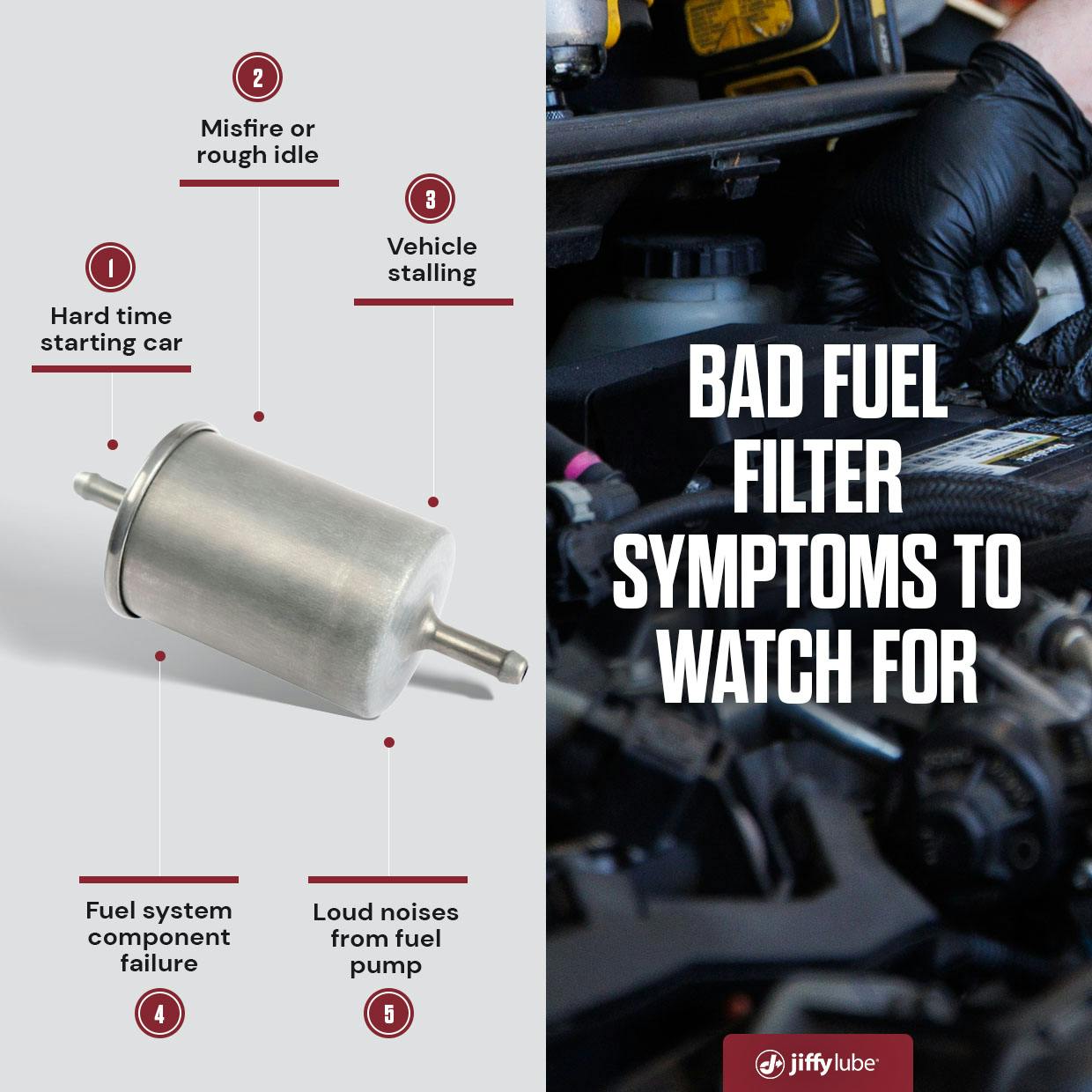
Your engine might lose power during driving. It may feel weak or slow to respond. Acceleration can become sluggish. These problems happen because the engine gets less fuel. A clogged fuel filter restricts fuel flow, causing poor engine performance.
Starting Problems
The car may take longer to start or fail to start. Fuel struggles to reach the engine quickly. You might hear the engine cranking but not firing up. Starting problems often indicate a fuel supply issue from a dirty filter.
Reduced Fuel Efficiency
Your vehicle might use more fuel than usual. The engine works harder to run with less fuel. This extra effort lowers fuel efficiency. A clogged filter makes the fuel system less effective, wasting gas and money.
Engine Misfires And Stalling
The engine may misfire or stall suddenly. This happens because fuel flow is uneven. Misfires cause rough running and vibrations. Stalling can be dangerous, especially on busy roads. Both signs suggest the fuel filter needs attention.

Credit: www.youtube.com
Causes Of Fuel Filter Clogging
A fuel filter keeps dirt and particles from reaching the engine. Over time, the filter can clog and block fuel flow. Understanding what causes this clogging helps in maintaining your vehicle. Knowing the reasons can also prevent engine problems and improve performance.
Contaminated Fuel
Fuel can contain dirt, rust, or water. These contaminants enter the tank during refueling or storage. The fuel filter traps these particles to protect the engine. Too many contaminants cause the filter to clog quickly. Using clean, fresh fuel reduces this risk.
Wear And Tear Over Time
Fuel filters wear out after long use. Small particles build up and block fuel flow. The filter’s material breaks down with age. Regular replacement is necessary to keep fuel flowing smoothly. Ignoring wear leads to engine stalling and poor performance.
Fuel Quality And Additives
Low-quality fuel often has more impurities. Some additives can leave residue inside the filter. These residues accumulate and block fuel passage. Using good fuel and proper additives helps keep the filter clean. It extends the filter’s life and protects the engine.
Diagnosing A Clogged Fuel Filter
Diagnosing a clogged fuel filter is key to keeping your vehicle running well. A blocked filter stops fuel from reaching the engine smoothly. This can cause rough idling, slow acceleration, or even engine stalling. Detecting the problem early saves time and money on repairs.
Visual Inspection
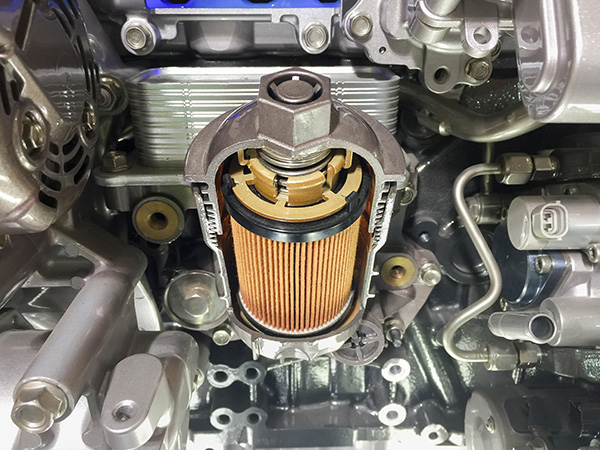
Start with a visual check of the fuel filter. Look for dirt, rust, or damage on the filter’s surface. Some fuel filters are clear, making it easy to spot dark or cloudy fuel inside. A dirty or corroded filter often means it needs replacement. Check fuel lines for cracks or leaks too. Clean parts usually mean the filter is okay.
Fuel Pressure Testing
Fuel pressure testing shows how well fuel flows through the filter. Low pressure often signals a clog. Use a fuel pressure gauge to measure pressure at the fuel rail. Compare readings to the vehicle’s specifications. If pressure is below the recommended level, the filter might be blocked. This test helps confirm problems not visible by eye.
Professional Diagnostic Tools
Mechanics use advanced tools to diagnose fuel filter issues. Scanners connect to the car’s computer and check fuel system data. They can spot errors and performance drops caused by a bad filter. Some tools test fuel flow and pressure electronically. These devices provide clear, accurate results. Professionals recommend this method for precise diagnosis.
Credit: qtucarcare.com
Preventing Fuel Filter Blockages
Preventing fuel filter blockages keeps your engine running smoothly. A clean fuel filter stops dirt and debris from reaching the engine. This avoids poor performance and costly repairs. Simple steps help you avoid filter problems and save money.
Regular Maintenance Schedule
Check your fuel filter often according to the vehicle manual. Regular inspections catch early signs of clogging. Clean or replace the filter as needed. Sticking to a schedule keeps fuel flowing freely. This prevents engine trouble and extends filter life.
Using Quality Fuel
Choose clean, high-quality fuel from trusted stations. Low-quality fuel contains more dirt and particles. These particles clog the fuel filter faster. Good fuel reduces buildup and protects the filter. Your engine will perform better and last longer.
Replacing Filters Timely
Change the fuel filter at the recommended intervals. Old filters trap less dirt and slow fuel flow. Replacing filters on time avoids blockages and engine strain. Use the right filter type for your vehicle. Timely replacement keeps your car running without issues.
Impact Of Ignoring A Clogged Fuel Filter
Ignoring a clogged fuel filter can cause serious problems for your vehicle. The fuel filter cleans dirt and debris from the fuel before it reaches the engine. When it is clogged, fuel flow reduces, causing many issues. These issues affect your car’s performance, safety, and repair costs. Understanding these impacts helps you see why timely maintenance matters.
Engine Damage Risks
A clogged fuel filter limits fuel flow to the engine. The engine may run lean, causing overheating and damage. Over time, this can lead to worn-out parts and engine failure. The engine may stall or hesitate during acceleration. Fixing engine damage is expensive and time-consuming.
Increased Repair Costs
Ignoring a clogged filter leads to bigger problems. Small repairs turn into costly fixes. Fuel injectors and pumps may fail from strain. Replacing these parts costs much more than changing a filter. Regular filter checks save money in the long run.
Safety Concerns
A clogged fuel filter can cause sudden engine stalls. This is dangerous, especially on busy roads or highways. Reduced engine power affects vehicle control and response. Unexpected breakdowns increase the risk of accidents. Keeping the fuel filter clean helps ensure safe driving.
Credit: www.jiffylube.com
Frequently Asked Questions
How Can I Tell If My Fuel Filter Is Clogged?
A clogged fuel filter causes engine hesitation, stalling, and poor acceleration. You may also notice difficulty starting and reduced fuel efficiency.
What Are The Common Signs Of A Blocked Fuel Filter?
Common signs include engine misfires, rough idling, and loss of power. The engine may also sputter under heavy loads or acceleration.
How Often Should I Replace My Fuel Filter?
Typically, replace your fuel filter every 20,000 to 40,000 miles. Check your vehicle’s manual for specific recommendations to maintain optimal performance.
Can A Clogged Fuel Filter Damage My Engine?
Yes, a clogged filter restricts fuel flow, causing the engine to run lean. This can lead to overheating and potential engine damage if not addressed.
Conclusion
A clogged fuel filter can cause many car problems. You may notice poor engine performance or trouble starting. Strange noises or stalling can also be signs. Checking the fuel filter regularly helps avoid these issues. Replacing it on time keeps your car running smoothly.
Don’t wait for big problems to appear. Stay alert to small warning signs. Taking care of your fuel filter saves time and money. Keep your vehicle healthy with simple maintenance steps.

