
Have you ever wondered why your car suddenly feels sluggish or struggles to start? One common culprit might be a clogged fuel filter.
This small but vital part plays a big role in keeping your engine running smoothly. When it gets blocked, your vehicle can’t get the clean fuel it needs, leading to performance problems. Understanding how a fuel filter gets clogged can help you catch issues early and avoid costly repairs.
Keep reading to discover the surprising reasons behind fuel filter blockages and how you can protect your car’s health.

Credit: www.agcoauto.com
Fuel Filter Basics
A fuel filter is a small but important part of a car’s fuel system. It stops dirt and rust from reaching the engine. Clean fuel helps the engine run smoothly and last longer.
Fuel filters protect the engine from damage. They catch tiny particles that can clog fuel injectors or carburetors. Without a good filter, the engine may lose power or even stop working.
Role In Fuel System
The fuel filter sits between the fuel tank and the engine. It cleans the fuel before it reaches the engine parts. This keeps the fuel system safe and efficient.
By removing dirt and debris, the filter prevents engine problems. It helps keep the fuel flow steady. A clogged filter can reduce fuel flow, causing poor engine performance.
Types Of Fuel Filters
There are several types of fuel filters. The most common are cartridge, canister, and inline filters. Each type fits different car models and fuel systems.
Cartridge filters sit inside a housing, easy to replace. Canister filters are sealed units that screw on or off. Inline filters connect directly to fuel lines for quick service.
Choosing the right filter ensures clean fuel and good engine health. Regular replacement keeps the fuel system working well.

Credit: www.autonationmobileservice.com
Common Causes Of Clogging
Fuel filters play an important role in keeping your engine clean. Over time, these filters can get clogged. This causes poor engine performance and can damage parts. Several common reasons cause this clogging. Understanding these helps keep your vehicle running smoothly.
Contaminated Fuel
Fuel often contains dirt, water, or other impurities. These contaminants enter the fuel tank during refueling. When fuel passes through the filter, these particles get trapped. Over time, the filter fills up and clogs. Using low-quality fuel increases the risk of contamination.
Rust And Debris
Rust forms inside old fuel tanks and pipes. Tiny rust particles break off and flow with the fuel. Debris like paint flakes or dirt also enters the fuel system. These solid particles block the filter material. Rust and debris build-up cause slow fuel flow and clogging.
Fuel Additives Effects
Some fuel additives contain chemicals that leave residue. This residue sticks to the filter media. Over time, the layer thickens and reduces fuel flow. Not all additives cause problems, but frequent use of some can clog filters faster. Choose additives carefully and use as directed.
Wear And Tear
Fuel filters have a limited lifespan. Constant exposure to fuel and particles breaks down the filter material. The filter loses its ability to trap dirt effectively. Wear and tear cause tiny holes or blockages inside the filter. Regular replacement prevents clogging from old filters.
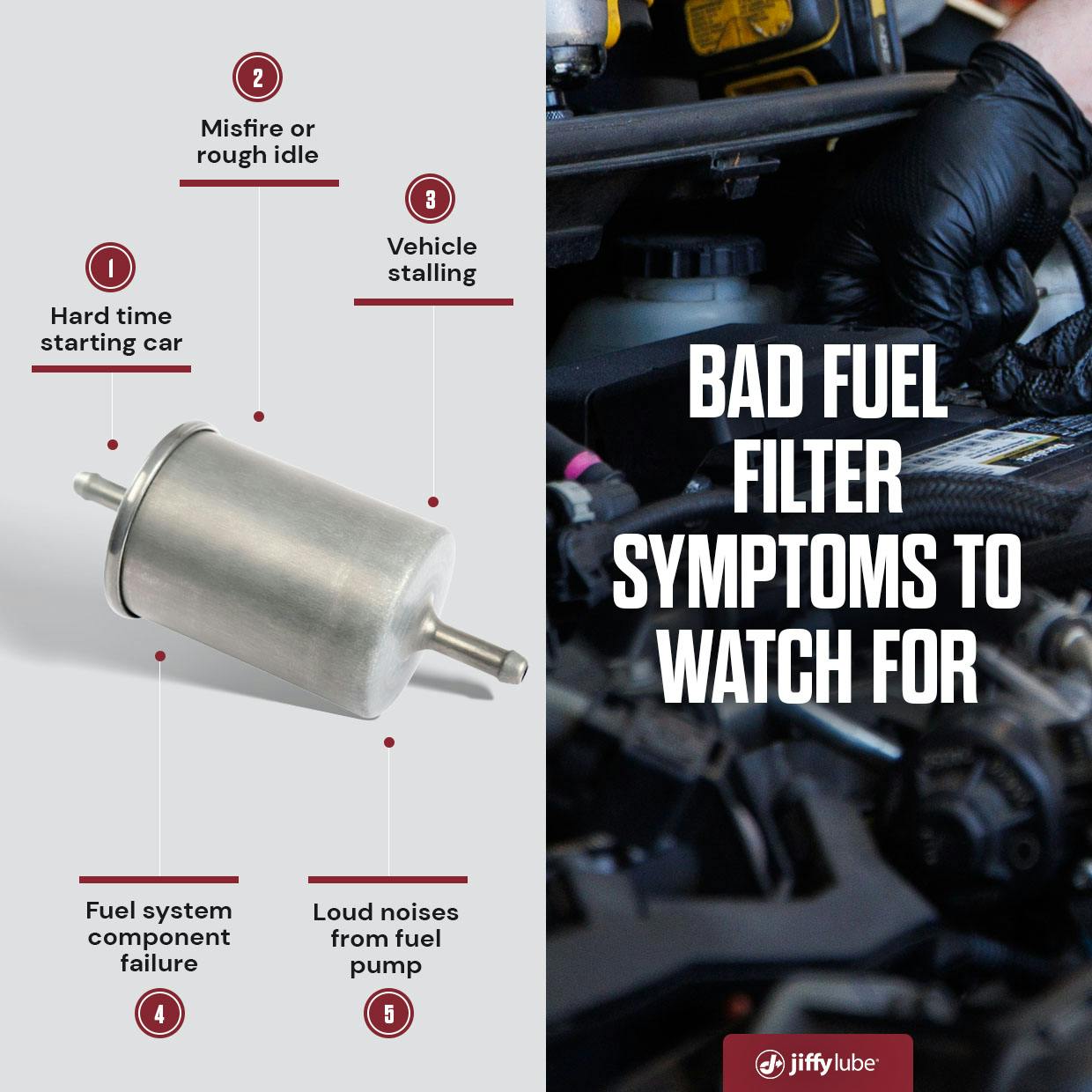
Signs Of A Clogged Fuel Filter
A clogged fuel filter can cause several problems in your vehicle. It stops fuel from flowing smoothly. This leads to poor engine function and other issues. Knowing the signs helps you fix the problem early. It saves money and prevents bigger repairs.
Watch for these common signs of a clogged fuel filter. They show your vehicle needs attention soon.
Engine Performance Issues
Your engine may run rough or lose power. It might hesitate when you press the gas pedal. This happens because the fuel supply is weak. The engine struggles to get enough fuel to work properly. You could also hear sputtering sounds or feel shaking.
Starting Problems
The car may be hard to start or fail to start at all. A clogged filter blocks fuel from reaching the engine. Without enough fuel, the engine cannot ignite. You might need several tries to get the vehicle going. This issue grows worse as the filter clogs more.
Reduced Fuel Efficiency
Your vehicle uses more fuel than usual. A blocked fuel filter forces the engine to work harder. It burns fuel less efficiently. This means you fill up the tank more often. Lower fuel economy can cost you extra money over time.
Quick Fixes For A Clogged Filter
A clogged fuel filter can slow down your vehicle and cause engine trouble. Quick fixes can help you get back on the road fast. These solutions work well for minor clogs and can save time. Knowing these options can prevent bigger problems later.
Using Fuel Additives
Fuel additives can clean the fuel system gently. They dissolve small dirt particles inside the filter. Pour the additive into the fuel tank as directed. Run the engine to let the additive work. This method helps keep the filter cleaner longer.
Temporary Cleaning Methods
Some filters can be cleaned without replacing. Remove the filter carefully from the fuel line. Use a clean cloth or compressed air to clear debris. Avoid damaging the filter’s surface. This method works only for light clogs and short-term use.
When To Replace
Strong clogs need filter replacement. Signs include engine hesitation and poor fuel flow. Follow the vehicle manual for replacement intervals. Replacing the filter keeps the engine safe and efficient. Do not delay this step for better performance.
Preventive Measures
Keeping a fuel filter clean helps your engine run smoothly. Clogged filters block fuel flow and reduce performance. Taking steps to prevent clogging saves time and money. These simple habits protect your vehicle and extend the filter’s life.
Regular Maintenance
Change your fuel filter as the manual suggests. Regular checks catch dirt before it builds up. Clean filters keep fuel flowing freely. Skipping maintenance leads to engine trouble and costly repairs.
Fuel Quality Checks
Use clean, high-quality fuel only. Poor fuel contains dirt and water that clog filters. Check fuel tanks for contamination. Avoid filling up at stations with bad reputations. Quality fuel means fewer blockages and smoother rides.
Proper Storage Practices
Store fuel in clean, sealed containers. Dirt and moisture enter open containers easily. Keep fuel away from heat and sunlight. Proper storage stops contaminants from harming the filter. Fresh fuel protects your engine and filter well.
Credit: www.jiffylube.com
Frequently Asked Questions
What Causes A Fuel Filter To Get Clogged?
Fuel filters get clogged due to dirt, rust, and debris in the fuel. Over time, these particles accumulate and block fuel flow, reducing engine performance.
How Often Should I Replace A Clogged Fuel Filter?
It’s best to replace your fuel filter every 20,000 to 40,000 miles. Check your vehicle manual for specific recommendations to prevent clogging issues.
What Are The Signs Of A Clogged Fuel Filter?
Common signs include engine misfires, poor acceleration, and difficulty starting. A clogged filter limits fuel flow, causing these noticeable performance problems.
Can Bad Fuel Cause Fuel Filter Clogging?
Yes, contaminated or low-quality fuel can introduce impurities. These impurities get trapped in the filter, accelerating clogging and reducing fuel system efficiency.
Conclusion
A fuel filter clogs when dirt and debris build up inside. This blocks fuel flow and can harm your engine. Regular checks help catch clogs early. Clean fuel and timely filter changes keep your car running smooth. Remember, a clear fuel filter means better engine performance.
Don’t wait for problems; take action soon. Your vehicle will thank you with longer life and fewer repairs. Simple care goes a long way to avoid costly fixes later. Keep your fuel filter clean for a smoother drive every time.


