Have you ever felt your car lagging or noticed it struggling to start? These could be signs that your fuel filter is wearing out.
Your fuel filter plays a crucial role in keeping your engine running smoothly by trapping dirt and debris before they reach the fuel system. But how do you know when this small part is actually bad and needs replacing? You’ll discover the key signs to watch for, so you can avoid costly repairs and keep your vehicle performing at its best.
Keep reading to learn exactly what to look for and when it’s time to take action.
Credit: www.jiffylube.com
Role Of A Fuel Filter
The fuel filter plays a key role in keeping your vehicle’s engine healthy. It cleans the fuel before it reaches the engine. Dirt, rust, and other particles can harm the engine if they pass through. The fuel filter stops these impurities from causing damage.
A clean fuel filter helps the engine run smoothly. It ensures the fuel flows properly to the engine parts. A blocked or bad fuel filter can lead to many problems. Understanding its role helps in knowing when it needs replacement.
Fuel Filter Function
The fuel filter’s main job is to remove dirt and debris from the fuel. It acts like a barrier inside the fuel system. Fuel moves through the filter before entering the engine. This process protects the fuel injectors and engine parts.
Without a filter, particles can clog the fuel injectors. This causes poor fuel combustion and engine trouble. The filter keeps fuel clean for better engine efficiency.
Impact On Engine Performance
A bad fuel filter can reduce engine power. It blocks the fuel flow, making the engine work harder. This can cause the engine to stall or hesitate during acceleration.
Fuel filters that are clogged cause rough idling and poor fuel economy. The engine may also make unusual noises. Replacing a bad fuel filter can restore smooth engine performance.
Common Signs Of A Bad Fuel Filter
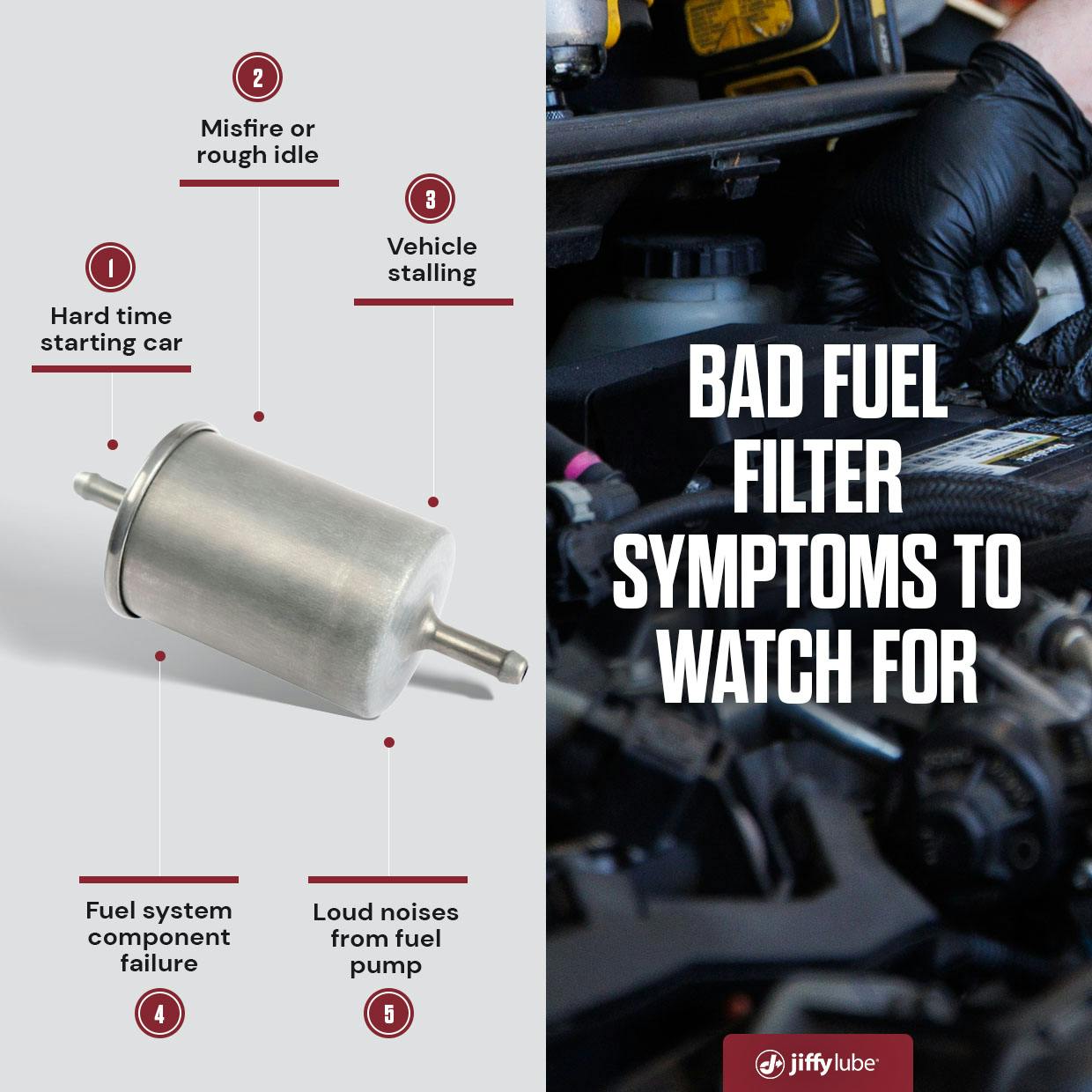
A fuel filter keeps dirt and debris from entering your engine. Over time, it can get clogged and stop working well. This causes problems with your car’s performance. Recognizing the signs of a bad fuel filter helps you fix issues early. Here are some common signs to watch for.
Engine Misfires And Stalling
A clogged fuel filter can stop fuel from reaching the engine properly. This causes the engine to misfire or stall. You might notice the car jerking or losing power suddenly. These issues happen because the engine does not get enough fuel to run smoothly.
Reduced Fuel Efficiency
A bad fuel filter makes the engine work harder. This leads to using more fuel than usual. You may see a drop in miles per gallon. Lower fuel efficiency means you spend more money on gas. It’s a clear sign that your fuel system needs attention.
Difficulty Starting The Engine
Starting the car can become hard with a bad fuel filter. The engine struggles to get enough fuel at the start. You might hear the engine cranking longer than normal. This delay shows the fuel flow is not steady or strong enough.
Unusual Engine Noises
Strange sounds from the engine can indicate fuel filter problems. You may hear sputtering or coughing noises. These sounds happen because the engine is starved of fuel. Paying attention to these noises helps catch fuel issues early.
Visual And Physical Indicators
Recognizing a bad fuel filter can save your vehicle from serious damage. Visual and physical signs often reveal problems early. These clues help you act fast and avoid costly repairs. Watch closely for changes in your car’s behavior and appearance. Spotting issues early keeps your engine running smoothly.
Check Engine Light
The check engine light can signal a clogged fuel filter. This warning appears on your dashboard. It means the engine struggles to get enough fuel. The fuel filter may be restricting flow. Do not ignore this light. Get your vehicle checked soon.
Fuel Filter Appearance
A bad fuel filter may look dirty or rusty. Inspect the filter for dark stains or debris. Cracks or damage also show it needs replacement. A clean filter looks clear or lightly colored. Regular checks prevent filter failure and engine issues.
Fuel Smell And Leakage
Smelling fuel near your vehicle can indicate a leak. Fuel leaks often come from a worn fuel filter. Look under the car for wet spots or stains. A leaking fuel filter is dangerous and should be fixed immediately. Detecting leaks early protects your safety and car.
Testing The Fuel Filter
Testing the fuel filter helps find out if it is working well. A bad fuel filter can stop fuel flow and hurt engine performance. It is important to check the filter to keep your car running smooth. Two common ways to test the fuel filter are the fuel pressure test and the flow rate check. Both tests show if the filter is clogged or damaged.
Fuel Pressure Test
The fuel pressure test measures the pressure in the fuel line. You need a pressure gauge for this test. Attach the gauge to the fuel rail or line. Turn on the ignition without starting the engine. The gauge will show the fuel pressure level.
Compare the reading to the manufacturer’s recommended pressure. Low pressure means the fuel filter might be blocked. High pressure can also signal filter problems. This test is quick and gives clear results about filter health.
Flow Rate Check
The flow rate check looks at how much fuel passes through the filter. Disconnect the fuel line after the filter. Place a container to catch the fuel. Turn the engine on or use the fuel pump to push fuel through.
Measure the fuel collected in a set time, like 30 seconds. Less fuel than normal means the filter is restricting flow. This test shows if the filter is clogged or dirty. It helps decide if the filter needs replacement.
Consequences Of Ignoring A Bad Fuel Filter
Ignoring a bad fuel filter can cause serious problems for your vehicle. The fuel filter cleans the fuel before it reaches the engine. Dirt and debris can block the filter over time. This blockage stops fuel from flowing properly. The effects can harm your car’s performance and cost you a lot in repairs.
Engine Damage Risks
A clogged fuel filter can starve the engine of fuel. This causes the engine to run lean, which means less fuel than needed. Running lean can make the engine overheat and cause damage. Parts like fuel injectors and pistons may wear out faster. Engine knocking or misfires can also happen. Ignoring the filter puts your engine at risk.
Increased Emissions
A bad fuel filter can change how your engine burns fuel. Poor fuel flow leads to incomplete combustion. This means more harmful gases leave the exhaust. Increased emissions hurt the environment and may fail emissions tests. Your vehicle becomes less eco-friendly and may face legal issues. Clean fuel filters help keep emissions low and your car running cleaner.
Costly Repairs
Ignoring a fuel filter issue can lead to expensive repairs. Engine damage often requires costly parts and labor. Fuel injectors and pumps may also fail from dirty fuel. Repair bills can quickly add up if the problem stays untreated. Replacing the fuel filter on time is much cheaper than fixing engine damage. Regular maintenance saves money and stress.

Credit: www.youtube.com
Maintenance Tips For Fuel Filters
Fuel filters keep dirt and debris out of your engine. They help your vehicle run smoothly and last longer. Regular care of fuel filters prevents damage and poor engine performance. Knowing how to maintain them saves you money and trouble.
Follow these tips to keep your fuel filter in good shape and your car running well.
Recommended Replacement Intervals
Most car makers suggest changing fuel filters every 20,000 to 40,000 miles. This depends on your car model and driving conditions. Dirtier environments may require more frequent changes. Check your owner’s manual for exact timing. Sticking to these intervals avoids clogs and poor fuel flow.
Choosing The Right Fuel Filter
Select a fuel filter designed for your vehicle. Use filters that meet or exceed factory specs. Using cheap or wrong filters risks engine damage. Look for quality brands with good reviews. Make sure the filter fits your fuel system perfectly.
Professional Vs Diy Replacement
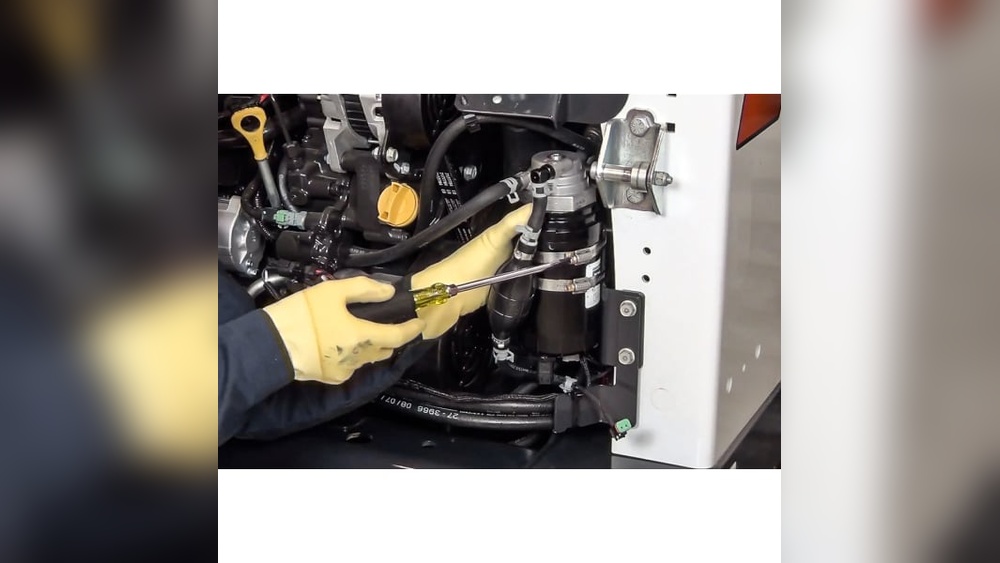
Replacing a fuel filter can be simple or tricky, based on your car. Professional service ensures the job is done right and safely. Experts can spot other fuel system issues early. DIY replacement saves money but needs proper tools and care. Always follow safety steps and dispose of old filters properly.

Credit: oilchangers.com
Frequently Asked Questions
What Are Common Signs Of A Bad Fuel Filter?
A bad fuel filter causes engine misfires, poor acceleration, and stalling. It can also trigger the check engine light. Reduced fuel efficiency and difficulty starting the car are other signs to watch for.
How Often Should I Replace My Fuel Filter?
Most manufacturers recommend replacing the fuel filter every 20,000 to 40,000 miles. However, check your vehicle’s manual for exact intervals. Frequent driving in dusty conditions may require earlier replacement.
Can A Clogged Fuel Filter Damage My Engine?
Yes, a clogged fuel filter restricts fuel flow, causing engine strain. This can lead to poor performance and potential engine damage over time. Timely replacement helps maintain engine health.
Is Fuel Filter Replacement A Diy Job?
Replacing a fuel filter can be a DIY task if you have basic mechanical skills. Always relieve fuel system pressure first. Otherwise, professional service is recommended to avoid safety risks.
Conclusion
A bad fuel filter can cause many car problems. You may notice rough idling, poor acceleration, or engine misfires. Regular checks help keep your engine healthy. Changing the filter on time saves money and stress. Clean fuel means better performance and longer engine life.
Don’t ignore signs of trouble under the hood. Staying alert protects your vehicle and ensures smooth driving. Simple care makes a big difference in car health. Keep your fuel filter clean for a safer ride.