
If you want your Bobcat to run smoothly and avoid costly repairs, changing the fuel filter is a must. Ignoring this simple task can lead to poor engine performance and even breakdowns.
But don’t worry—changing your Bobcat’s fuel filter is easier than you might think. In this guide, you’ll learn step-by-step how to do it quickly and safely. Keep reading, and you’ll save time, money, and keep your machine running like new.
Tools And Materials Needed
Changing the fuel filter on your Bobcat is important for its performance. Having the right tools and materials makes the task easier and safer. Prepare everything before starting the job to save time and avoid mistakes.
Essential Tools
Gather these tools before you start:
- Wrenches or socket set for bolts
- Screwdrivers for clamps or covers
- Fuel container to catch spills
- Clean rags for wiping
- Gloves to protect your hands
- Safety glasses to guard your eyes
These tools help you remove the old filter and install the new one smoothly.
Choosing The Right Fuel Filter
Buy a fuel filter made for your Bobcat model. Check the part number in your user manual or on the old filter. Use filters from trusted brands to ensure quality and fit. A wrong filter can cause engine problems or leaks.

Credit: www.youtube.com
Preparing Your Bobcat
Preparing your Bobcat before changing the fuel filter is very important. It helps you work safely and avoid damage. Take time to get everything ready. This will make the process faster and easier.
Start by cleaning the area around the fuel filter. Dirt and debris can fall inside and cause problems. Also, gather all tools you need. Having everything close saves time and keeps you focused.
Safety Precautions
Turn off the Bobcat and let the engine cool down. Hot parts can cause burns. Wear gloves to protect your hands from fuel and sharp edges. Keep a fire extinguisher nearby in case of emergencies.
Work in a well-ventilated area to avoid breathing harmful fumes. Avoid open flames or sparks near the fuel system. Always follow safety rules to prevent accidents.
Locating The Fuel Filter
Open the Bobcat’s engine compartment. The fuel filter is usually near the fuel tank or engine. Look for a small, cylindrical part connected to fuel lines.
Check your Bobcat’s manual for the exact location. Identifying the fuel filter correctly saves time. It also helps avoid damaging other parts during removal.
Removing The Old Fuel Filter
Removing the old fuel filter from your Bobcat is an important step. It helps keep the engine clean and running well. This part stops dirt from entering the fuel system. Removing it carefully avoids damage and spills.
Follow the steps below to remove the old fuel filter safely and easily.
Relieving Fuel System Pressure
First, relieve the pressure in the fuel system. This step stops fuel from spraying out. Locate the fuel pump fuse or relay and remove it. Start the engine and let it run until it stops. This uses up the fuel in the lines. Turn off the ignition before moving on.
Disconnecting Fuel Lines
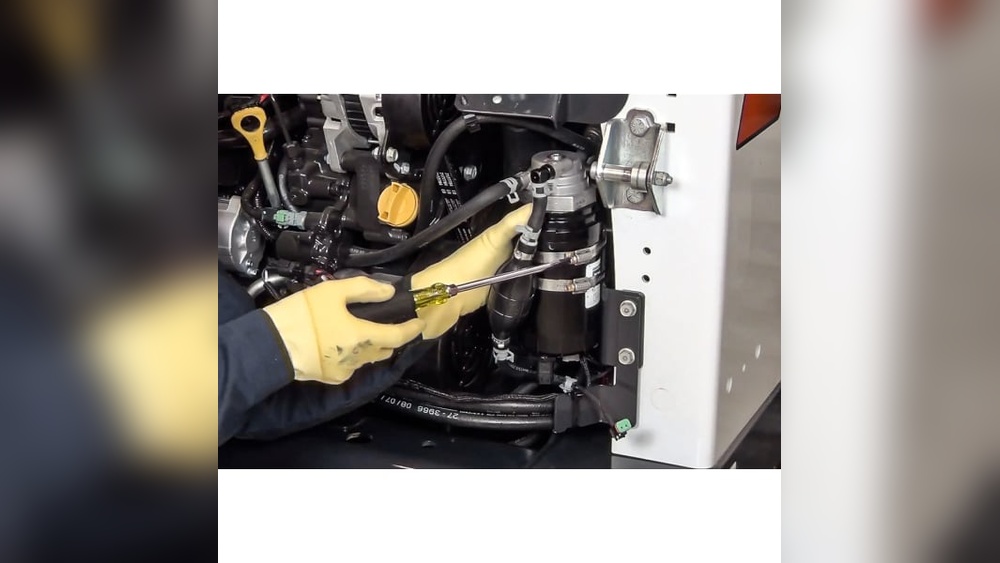
Next, disconnect the fuel lines from the filter. Use gloves to protect your hands. Place a container below to catch any fuel drips. Press the quick-connect fittings or use a wrench on threaded lines. Pull the hoses gently, not forcefully. Be careful not to damage the lines.
Taking Out The Filter
Finally, remove the old fuel filter from its mount. Loosen the filter by turning it counterclockwise. Some filters may have a clip or bracket to undo. Take out the filter carefully to avoid spills. Dispose of the old filter properly according to local rules.
Installing The New Fuel Filter
Installing the new fuel filter is a crucial step in maintaining your Bobcat’s engine. This process ensures clean fuel flows smoothly, improving engine performance. Follow these simple steps carefully to fit the new filter correctly and safely.
Positioning The New Filter
Hold the new fuel filter upright. Align it with the filter bracket or mounting point. Make sure the filter’s arrow points in the fuel flow direction. This arrow guides proper installation. Avoid forcing the filter into place. It should fit easily and securely.
Reconnecting Fuel Lines
Attach the fuel lines to the new filter’s ports. Push the hoses firmly onto the connectors. Check that the lines match the inlet and outlet ports. Use clamps if needed to keep lines tight. Prevent any fuel leaks by securing these connections well.
Securing The Filter
Fasten the filter using the bracket or clamp provided. Tighten screws or bolts by hand first, then use a wrench. Do not overtighten, as it can damage the filter. Ensure the filter is stable and does not move. A secure filter supports safe and efficient fuel flow.
Final Checks And Testing
After changing the Bobcat fuel filter, it is important to perform final checks and testing. This step ensures the machine runs smoothly and safely. Skipping these steps can cause engine problems or fuel leaks. Follow these simple tasks to complete the process.
Inspecting For Leaks
Look closely around the fuel filter area. Check all connections and seals for any signs of fuel leaks. Use a clean cloth to wipe the area and see if any wet spots appear. Tighten fittings if you find leaks. Never start the engine if you detect fuel dripping.
Priming The Fuel System
Priming helps remove air from the fuel lines. Use the primer pump or lever on your Bobcat. Pump it several times until you feel resistance. This action pushes fuel through the filter and lines. Proper priming prevents engine stalling or hard starts.
Starting The Engine
Turn the key to start the Bobcat engine. Listen for smooth running without sputtering or hesitation. Watch for any warning lights on the dashboard. Let the engine run for a few minutes to stabilize. Shut it off and inspect the fuel filter area again for leaks.

Credit: www.youtube.com
Maintenance Tips
Maintaining your Bobcat’s fuel filter is key to keeping the machine running well. Regular care helps avoid engine problems and saves money on repairs. Simple checks and timely replacement make a big difference in performance and fuel efficiency.
When To Replace The Fuel Filter
Replace the fuel filter every 250 hours of use or as the manual suggests. Check more often if you work in dusty or dirty conditions. Old filters block fuel flow, causing engine trouble.
Change the filter right away if you see warning signs or after long idle periods. Keeping a schedule prevents damage and keeps your Bobcat ready for work.
Signs Of A Clogged Filter
Watch for slow engine start or rough idling. The engine might lose power or stall during work. These are common signs of a clogged fuel filter.
Fuel smell near the machine or dark exhaust smoke also hints at filter problems. Notice any changes and act fast to avoid bigger issues.
Credit: www.bobcat.com
Frequently Asked Questions
How Often Should I Change My Bobcat Fuel Filter?
Change your Bobcat fuel filter every 500 hours or annually. Frequent changes ensure optimal engine performance and prevent clogging.
What Tools Do I Need To Replace The Fuel Filter?
You need a wrench, screwdriver, and a drain pan. These tools help safely remove and install the new fuel filter.
Can I Change The Bobcat Fuel Filter Myself?
Yes, you can change it yourself with basic mechanical skills. Follow the manufacturer’s instructions carefully for safety and accuracy.
What Are Signs Of A Clogged Bobcat Fuel Filter?
Signs include engine stalling, hard starting, and reduced power. Replacing the filter can restore smooth engine operation.
Conclusion
Changing your Bobcat fuel filter keeps the engine running well. Clean fuel means better performance and fewer problems. Follow the steps carefully for safe and easy filter replacement. Regular checks help avoid costly repairs later. Take your time and use the right tools.
A clean filter protects your machine and saves money. Keep your Bobcat working strong with simple maintenance. Small efforts now make a big difference in the long run.


