Have you noticed your car acting up lately? Maybe it’s stalling, struggling to start, or losing power on the road.
These problems could be signaling one important issue: your fuel filter might be clogged or failing. Knowing when your fuel filter needs attention can save you from costly repairs and keep your vehicle running smoothly. You’ll discover the clear signs to watch for and simple steps to take.
Keep reading to protect your engine and avoid unexpected breakdowns.
Role Of A Fuel Filter
A fuel filter plays a key role in keeping your vehicle’s engine healthy. It stops dirt and rust from entering the fuel system. Clean fuel helps the engine run smoothly and saves repair costs. Without a good filter, tiny particles can clog the engine and cause damage.
Fuel filters help your car perform better and last longer. They protect important parts like fuel injectors and the carburetor. Knowing how they work can help you spot when a filter needs changing.
Function In Fuel System
The fuel filter catches dirt and debris in the fuel before it reaches the engine. It acts like a gatekeeper, letting only clean fuel pass through. This cleaning process prevents clogs in fuel injectors and keeps fuel flowing properly.
Fuel filters improve engine efficiency and reduce wear. They also help lower emissions by ensuring proper fuel combustion. Without a filter, contaminants could lead to poor engine performance or breakdowns.
Types Of Fuel Filters
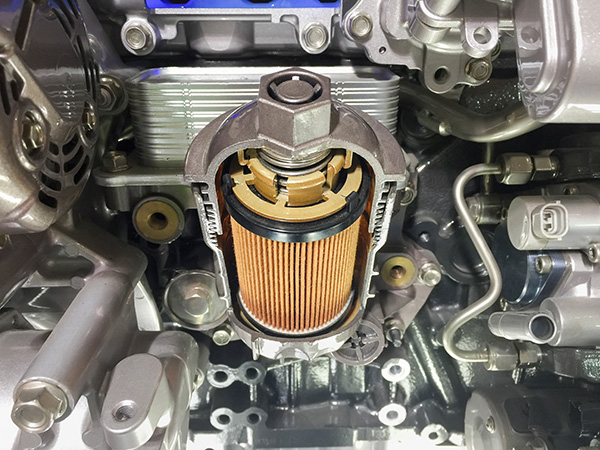
Fuel filters come in different types based on where they are placed and how they work. The two main types are inline filters and cartridge filters. Inline filters sit along the fuel line and are easy to replace.
Cartridge filters are found inside a housing and require a bit more work to change. Some vehicles use fuel filters inside the fuel tank, called in-tank filters. Each type serves the same purpose but fits different car designs.
Credit: www.hometowntireandautotx.com
Common Symptoms Of A Bad Fuel Filter
A bad fuel filter can cause serious problems for your vehicle. It stops fuel from flowing properly to the engine. This can make your car run poorly or even stop working. Knowing the common symptoms helps you spot trouble early. It saves time and money on repairs.
Watch for signs like engine trouble and strange noises. These symptoms point to a clogged or dirty fuel filter. Acting fast keeps your vehicle healthy and running smoothly.
Engine Misfires Or Stalls
The engine may misfire or stall without warning. This happens because the fuel flow is blocked. The engine does not get enough fuel to burn. It can stop suddenly while driving. This is dangerous and needs immediate attention.
Difficulty Starting The Engine
Your car may take longer to start or fail to start. A bad fuel filter restricts fuel supply to the engine. The engine struggles to get enough fuel to ignite. This makes starting the engine hard or impossible.
Reduced Engine Power
The car feels weak or slow during acceleration. A clogged fuel filter lowers the fuel pressure. Less fuel reaches the engine cylinders. This reduces engine power and performance. You may notice poor speed or slow response.
Unusual Engine Noises
Strange sounds like sputtering or coughing can appear. These noises come from fuel starvation. The engine tries to run with limited fuel. It may make odd noises while idling or driving. This signals a fuel flow problem.
Fuel Efficiency And Filter Issues
Fuel efficiency depends on many parts working well. The fuel filter plays a key role in this. It keeps dirt and debris out of the fuel system. A clogged or dirty fuel filter can cause problems. These problems often show up as lower fuel efficiency and higher emissions.
Drop In Gas Mileage
A bad fuel filter can block fuel flow. The engine gets less fuel than it needs. This makes the engine work harder. Harder work means using more fuel. You may notice your car needs gas more often. A sudden drop in gas mileage is a strong sign.
Increased Emissions
Fuel filter issues can affect how the engine burns fuel. Poor combustion leads to more smoke and fumes. This raises the amount of harmful gases released. High emissions can cause your car to fail tests. It also hurts the environment.

Credit: www.youtube.com
Visual And Maintenance Checks
Visual and maintenance checks help you find fuel filter problems early. These checks keep your engine running smoothly. They prevent damage and save money on repairs.
Regular checks show signs of wear or clogging. You can spot issues before they get worse. Knowing what to look for is important for every vehicle owner.
Inspecting The Fuel Filter
Start by locating the fuel filter in your vehicle. It is usually near the fuel tank or engine. Look for dirt, rust, or damage on the filter’s surface. Check for fuel leaks around the filter area. A clean filter looks clear or slightly cloudy. A dirty filter looks dark or clogged. Any visible damage means the filter needs replacement. Use a flashlight for a better view in dark spaces. Smell the fuel near the filter for any unusual odors. Strong fuel smells may point to leaks or damage.
Scheduled Replacement Intervals
Follow your vehicle’s manual for fuel filter replacement times. Most cars need a new filter every 20,000 to 40,000 miles. Some filters last longer, depending on the model. Stick to these schedules to avoid engine problems. Skipping replacement can cause poor engine performance. Old filters reduce fuel flow and lower fuel efficiency. If you drive in dusty areas, replace the filter more often. Keep a record of all maintenance for easy tracking. Regular replacement keeps your vehicle running well.
When To Replace Your Fuel Filter
Knowing when to replace your fuel filter is important for your vehicle’s health. The fuel filter keeps dirt and debris from reaching the engine. Over time, it gets clogged and stops working well. This can cause poor engine performance and other problems. Watch for signs and follow guidelines to decide the right time to change it.
Mileage And Time Guidelines
Most car makers suggest replacing the fuel filter every 20,000 to 40,000 miles. Check your car’s manual for exact advice. Even if you drive less, change the filter every two years. Fuel filters wear out over time, not just by use. Staying on schedule helps avoid engine issues and saves money.
Signs Of Severe Clogging
Look for trouble starting your car or engine stalling. Poor acceleration or jerking during driving can also signal a clogged filter. You might notice a drop in fuel efficiency too. Strange noises from the engine can happen. These signs mean fuel flow is blocked. Replace the fuel filter quickly to fix these problems.
Diy Vs Professional Replacement
Deciding between doing a fuel filter replacement yourself or hiring a professional can be tough. Both options have pros and cons. Your choice depends on your skill level, tools, and comfort with car repairs. Understanding these differences helps you make the right decision for your vehicle’s health.
Tools And Safety Precautions
Replacing a fuel filter requires specific tools. These include wrenches, screwdrivers, and sometimes special fuel line disconnect tools. Safety matters most. Fuel is flammable and can cause injury. Work in a well-ventilated area. Wear gloves and eye protection to avoid contact with fuel. Make sure the engine is cool before starting. Know how to relieve fuel pressure safely. Without the right tools and safety steps, the job can become risky and difficult.
Benefits Of Professional Service
Professionals have experience and training. They know how to replace the fuel filter quickly and correctly. They use proper tools and follow safety rules strictly. A professional service reduces the risk of damage or leaks. It also often includes a check of other fuel system parts. This can save money by preventing future problems. Professionals provide a warranty for their work. This offers peace of mind that the repair is done right the first time.
Credit: repairpal.com
Frequently Asked Questions
What Are The Common Signs Of A Clogged Fuel Filter?
A clogged fuel filter causes engine misfires, poor acceleration, and difficulty starting. You might also notice reduced fuel efficiency and unusual engine noises.
How Often Should You Replace A Fuel Filter?
Fuel filters generally need replacement every 20,000 to 40,000 miles. Check your vehicle’s manual for specific intervals to maintain optimal engine performance.
Can A Bad Fuel Filter Damage The Engine?
Yes, a bad fuel filter can cause fuel flow issues. This may lead to engine stalling, reduced power, and potential damage over time.
How To Test If The Fuel Filter Is Working Properly?
You can test by checking fuel pressure with a gauge. Low pressure indicates a clogged or failing fuel filter needing replacement.
Conclusion
Knowing the signs of a bad fuel filter helps protect your engine. Clean fuel keeps your car running smooth and strong. Watch for slow starts, poor acceleration, or engine misfires. These issues often point to a clogged fuel filter. Replacing it on time saves you from costly repairs later.
Regular checks keep your vehicle healthy and efficient. Trust your instincts if your car feels off. Taking action early means better performance and fewer problems. Keep your fuel filter in good shape for a reliable ride.