
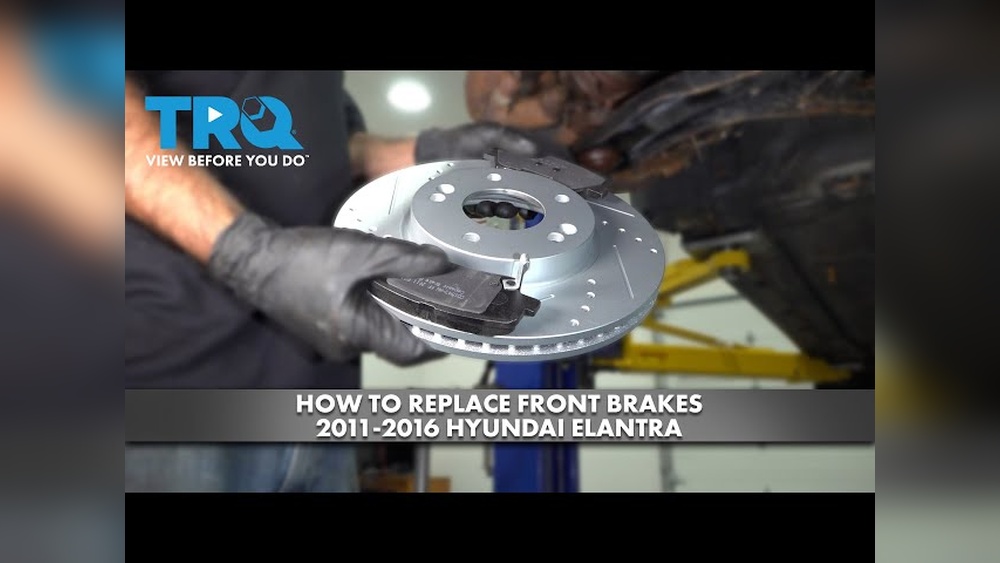
If you drive a 2013 Hyundai Elantra, knowing how to change your brake rotors can save you time and money. Worn-out rotors affect your car’s stopping power and safety.
But don’t worry—replacing them yourself is easier than you might think. In this guide, you’ll find simple, step-by-step instructions to help you get the job done right. Keep reading to learn how to restore your brakes and drive with confidence again.

Credit: www.youtube.com
Tools And Materials Needed
Changing the brake rotors on a 2013 Hyundai Elantra needs the right tools and materials. Using the correct items makes the job easier and safer. Prepare everything before starting to avoid interruptions.
Essential Tools
- Socket wrench set for removing wheel bolts and caliper bolts
- Torque wrench to tighten bolts to the correct specification
- Brake caliper tool or C-clamp for compressing brake calipers
- Flathead screwdriver to pry off clips or dust covers
- Jack and jack stands to lift and support the car safely
- Lug wrench to remove and reinstall wheel lug nuts
- Rubber mallet to gently tap off stuck rotors
Replacement Parts
- New brake rotors designed for the 2013 Hyundai Elantra
- Brake pads that fit your vehicle model
- Brake grease for lubricating caliper pins and contact points
- New caliper bolts, if the old ones are worn or damaged
Safety Equipment
- Safety glasses to protect eyes from dust and debris
- Mechanic gloves to keep hands safe and clean
- Wheel chocks to prevent the car from rolling
- A dust mask if brake dust is present
- Work clothes that can get dirty without worry

Credit: www.reddit.com
Preparing Your Vehicle
Before changing the brake rotors on your 2013 Hyundai Elantra, preparing the vehicle is key. Proper preparation makes the job safer and easier. Follow these steps to get started.
Parking And Securing
Park the car on a flat, stable surface. Avoid soft ground or slopes. Turn off the engine and engage the parking brake firmly. Place wheel chocks behind the rear wheels. This stops the car from rolling.
Loosening Lug Nuts
Before lifting the car, loosen the lug nuts on the wheel. Use a lug wrench to turn them counterclockwise. Do not remove them completely yet. Loosening the nuts now prevents the wheel from spinning when lifted.
Lifting The Car Safely
Locate the recommended jacking points under the car. Use a quality jack to lift the vehicle. Raise the car until the wheel is off the ground. Secure the car with jack stands for extra safety. Never rely on the jack alone to hold the car up.
Removing The Old Brake Rotors
Removing the old brake rotors is the first step to installing new ones on your 2013 Hyundai Elantra. This process requires careful attention to avoid damage and ensure safety. Follow these steps to remove the old parts efficiently. Each step prepares you for the next, making the whole job smoother.
Removing The Wheel
Start by loosening the lug nuts on the wheel. Use a tire iron or wrench for this. Next, lift the car with a jack and secure it with stands. Fully remove the lug nuts and take off the wheel. Set the wheel aside safely.
Detaching The Caliper
Locate the brake caliper attached to the rotor. Remove the bolts holding the caliper in place. Use a wrench or socket set for this task. Carefully slide the caliper off the rotor. Support the caliper with a hanger or rope to avoid strain on the brake line.
Taking Off The Brake Pads
Brake pads sit inside the caliper bracket. Remove the pads by pulling them out gently. Check the pads for wear and damage. Keep the pads aside if they are still usable, or prepare to replace them with new ones.
Removing The Rotor
The rotor sits behind the brake pads. Sometimes rust or dirt holds it in place. Tap the rotor lightly with a rubber mallet to loosen it. Pull the rotor straight off the hub. Clean the hub surface before installing the new rotor.
Installing The New Brake Rotors
Installing new brake rotors on a 2013 Hyundai Elantra is a key step after removing the old parts. This step ensures your brakes work safely and smoothly. Proper installation helps avoid noise and uneven wear. Take your time to do each part right.
Cleaning The Hub
Start by cleaning the wheel hub. Dirt and rust can stop the rotor from fitting well. Use a wire brush or sandpaper to remove all rust and debris. Make sure the surface is flat and smooth. This helps the rotor sit tightly against the hub.
Positioning The New Rotor
Place the new rotor onto the hub carefully. Align it so the holes match the wheel studs. Push the rotor fully against the hub surface. Check that it sits flush with no gaps. This ensures even brake pad contact and good braking.
Reinstalling The Caliper And Pads
Put the brake pads back into the caliper bracket. Compress the caliper piston using a tool or C-clamp. Slide the caliper over the rotor and pads. Secure it with the bolts and tighten them firmly. Double-check all parts are tight and in place before finishing.
Final Steps
After installing the new brake rotors on your 2013 Hyundai Elantra, some important steps remain. These final actions ensure safety and proper function of your brakes. Follow them carefully to complete the job.
Securing The Wheel
Place the wheel back onto the hub. Align the lug nut holes with the studs. Hand-tighten the lug nuts to hold the wheel in place. Avoid fully tightening at this stage.
Lowering The Vehicle
Use the jack to slowly lower the car to the ground. Remove the jack once the vehicle sits fully on the floor. This step helps avoid wheel misalignment during tightening.
Torque Specifications
Tighten the lug nuts using a torque wrench. Check your owner’s manual for the exact torque value. For the 2013 Hyundai Elantra, usually 80-100 ft-lbs is required. Tighten nuts in a star pattern for even pressure.
Testing The Brakes
Press the brake pedal several times to build pressure. Test the brakes at low speed in a safe area. Listen and feel for any unusual noises or vibrations. Confirm the brakes respond smoothly before driving normally.
Tips For Maintenance
Proper maintenance of your 2013 Hyundai Elantra’s brake rotors keeps your car safe. It helps avoid costly repairs and extends the life of brake parts. Simple checks and knowing signs of wear save time and money.
Here are some tips to keep your brake rotors in good shape.
Regular Inspections
Check your brake rotors every 6,000 miles or during oil changes. Look for cracks, rust, or deep grooves on the rotor surface. Use a flashlight to see clearly. Listen for unusual noises when braking. These checks catch problems early.
Signs Of Rotor Wear
Feel vibrations or pulsing in the brake pedal when stopping. Notice longer stopping distances or squealing sounds. Look for blue discoloration on the rotors caused by overheating. These signs mean the rotors may be worn out.
When To Replace Brake Components
Replace brake rotors if they are warped, cracked, or too thin. Swap brake pads at the same time to avoid uneven wear. Follow the manufacturer’s minimum thickness guidelines. Replace parts promptly to keep braking strong and safe.

Credit: www.reddit.com
Frequently Asked Questions
How Do I Know When To Change Brake Rotors?
Brake rotors need changing if you hear squealing or grinding. Vibrations when braking or visible grooves also signal wear. Regular inspections help ensure safety and prevent damage.
What Tools Are Needed To Change Elantra Brake Rotors?
You need a jack, lug wrench, socket set, C-clamp, and screwdrivers. Having brake cleaner and anti-seize lubricant also helps for smooth replacement.
How Long Does It Take To Change Brake Rotors?
Replacing brake rotors on a 2013 Hyundai Elantra typically takes 1 to 2 hours. This depends on your experience and tools available.
Can I Replace Brake Rotors Without Removing The Caliper?
No, you must remove the caliper to access and replace the brake rotors safely. This ensures proper installation and braking performance.
Conclusion
Changing brake rotors on a 2013 Hyundai Elantra is simple with the right steps. Take your time and follow each instruction carefully. Clean and check all parts before reassembling. Properly installed rotors help your car stop safely and smoothly. Regular maintenance keeps your brakes working well and lasts longer.
Remember, safety matters most when working on brakes. You can do this with patience and care. Keep your car safe on the road.

