
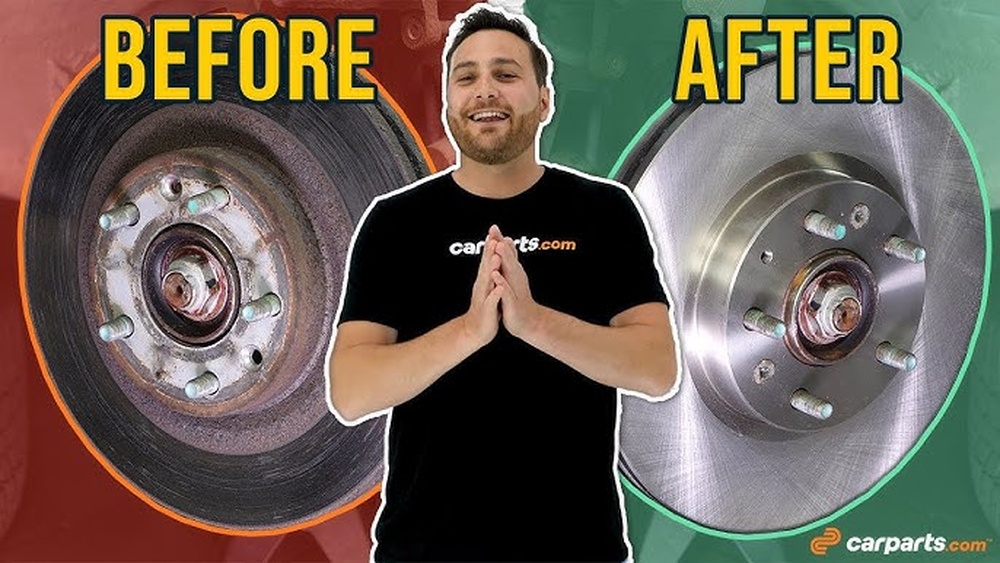
Are your brakes feeling less responsive or making strange noises? It might be time to replace your front brake rotors.
Knowing how to do this yourself can save you money and keep your car running safely. In this guide, you’ll learn simple, step-by-step instructions to replace your front brake rotors with confidence. By the end, you’ll feel empowered to handle this important car maintenance task on your own.
Ready to take control of your vehicle’s safety? Let’s get started.
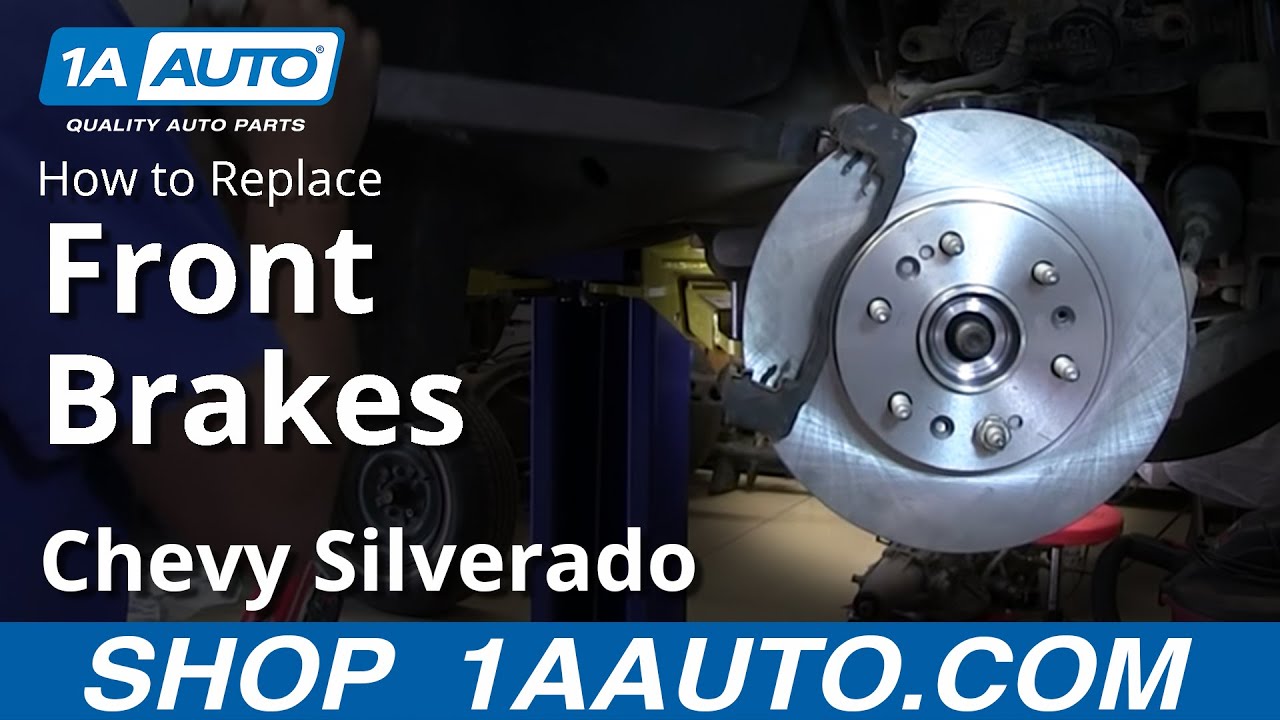
Credit: www.youtube.com
Tools And Materials Needed
Replacing front brake rotors requires the right tools and materials. Having these ready makes the job easier and safer. Below is a list of what you need before starting.
Basic Hand Tools
You need a set of wrenches and sockets. A ratchet wrench helps remove bolts quickly. A breaker bar can loosen tight bolts. Screwdrivers are useful to pry off clips or covers.
Brake Cleaner And Lubricants
Brake cleaner removes dust and grease from parts. It keeps the new rotor clean. Anti-seize lubricant prevents bolts from sticking. Use brake grease on moving parts for smooth action.
Jack And Jack Stands
A car jack lifts the vehicle safely. Jack stands hold the car steady while you work. Never rely on the jack alone for support. Safety first.
Torque Wrench
A torque wrench tightens bolts to the right pressure. Correct torque keeps parts secure and prevents damage. Follow the manufacturer’s specs for torque settings.
New Brake Rotors And Pads
Buy rotors that fit your car model. New brake pads often come with rotor replacement. Replacing both ensures better braking performance. Check compatibility before purchase.
Protective Gear
Wear gloves to protect your hands from dirt and injury. Safety glasses shield your eyes from dust and debris. Good lighting helps you see all parts clearly.
Safety Precautions
Replacing front brake rotors involves working with heavy parts and tools. Safety must be the top priority to avoid injury. Taking the right precautions protects you and others around.
Always prepare your workspace and use the correct equipment. Knowing the risks helps you stay alert and careful during the job.
Use Protective Gear
Wear safety glasses to protect your eyes from dust and debris. Use gloves to keep your hands safe from sharp edges and chemicals. Closed-toe shoes protect your feet from falling parts.
Secure The Vehicle
Park the car on a flat surface. Use wheel chocks to stop the car from rolling. Always use a jack stand to support the vehicle; never rely on the jack alone.
Disconnect The Battery
Remove the car battery’s negative terminal. This prevents accidental electrical shorts or shocks. It also stops the brake system’s electronic parts from activating.
Work In A Well-ventilated Area
Brake dust can be harmful if inhaled. Work outside or in a garage with open doors and windows. Use a mask to avoid breathing in dust particles.
Handle Brake Parts Carefully
Brake rotors and pads can be heavy and sharp. Lift parts slowly and steadily. Keep tools organized to prevent trips or falls.
Preparing The Vehicle
Preparing the vehicle is the first step to replace front brake rotors safely. It sets a solid base for the job ahead. Proper preparation helps avoid accidents and damage to your car. Follow these simple steps to get your car ready for brake rotor replacement.
Loosening Lug Nuts
Start by loosening the lug nuts on the front wheels. Use a lug wrench to turn them counterclockwise. Do this while the car is still on the ground. Loosening nuts now makes it easier to remove the wheels later. Do not remove the nuts completely yet.
Lifting The Car
Use a reliable jack to lift the front of the car. Place the jack under the car’s recommended jacking point. Raise the car until the front wheels are off the ground. Secure the car with jack stands for safety. Never work under a car supported only by a jack.
Removing The Wheel
Fully unscrew the loosened lug nuts. Keep them in a safe place to avoid losing any. Carefully pull the wheel straight off the hub. Set the wheel aside on a flat surface. This gives clear access to the brake rotor and caliper.
Removing The Brake Caliper
Removing the brake caliper is a key step in replacing front brake rotors. It allows access to the rotor for easy removal. The process involves loosening bolts, detaching the caliper, and keeping it safe during the repair. Safety and care matter here to avoid damage or injury.
Locating Caliper Bolts
Find the caliper bolts on the back of the brake caliper. They usually sit near the wheel hub. Use a flashlight if needed to see clearly. These bolts hold the caliper tightly in place.
Detaching The Caliper
Use a wrench or socket to loosen and remove the caliper bolts. Pull the caliper gently away from the rotor. Avoid pulling on the brake hose connected to the caliper. The caliper should come off easily once bolts are removed.
Securing The Caliper
Hang the caliper on a wire or hook to keep it safe. Do not let it dangle by the brake hose. This prevents damage to the hose and brake system. Securing the caliper frees up space to remove the rotor.
Taking Off The Old Rotor
Taking off the old rotor is an important step in replacing front brake rotors. It requires care and the right tools to avoid damage. This part of the process prepares your vehicle for the new rotor.
Old rotors can be stuck due to rust or dirt. Patience and gentle force work best here. Follow the steps carefully to remove the old rotor safely.
Removing Retaining Screws
Start by locating the small screws holding the rotor in place. These screws keep the rotor from moving during driving. Use a screwdriver that fits well to avoid stripping the screws.
Turn the screws counterclockwise to loosen them. Some rotors may not have these screws; in that case, skip this step. Keep the screws in a safe place for reuse or replacement.
Sliding Off The Rotor
After removing the screws, try to slide the rotor off the wheel hub. Sometimes, the rotor sticks due to rust or corrosion. Tap the rotor gently with a rubber mallet to loosen it.
Do not use too much force; the rotor or hub can get damaged. If the rotor is still stuck, use a penetrating oil and wait a few minutes. Once loose, slide the rotor straight off the hub.
Credit: www.yourmechanic.com
Installing The New Rotor
Installing the new rotor is a key step in replacing front brake rotors. This process ensures your brakes work smoothly and safely. Taking time to install the rotor properly helps avoid future problems.
Cleaning The Rotor Surface
Start by cleaning the new rotor surface. Use brake cleaner spray to remove oil and dust. Wipe the rotor with a clean cloth. A clean surface helps the brake pads grip better.
Positioning The Rotor
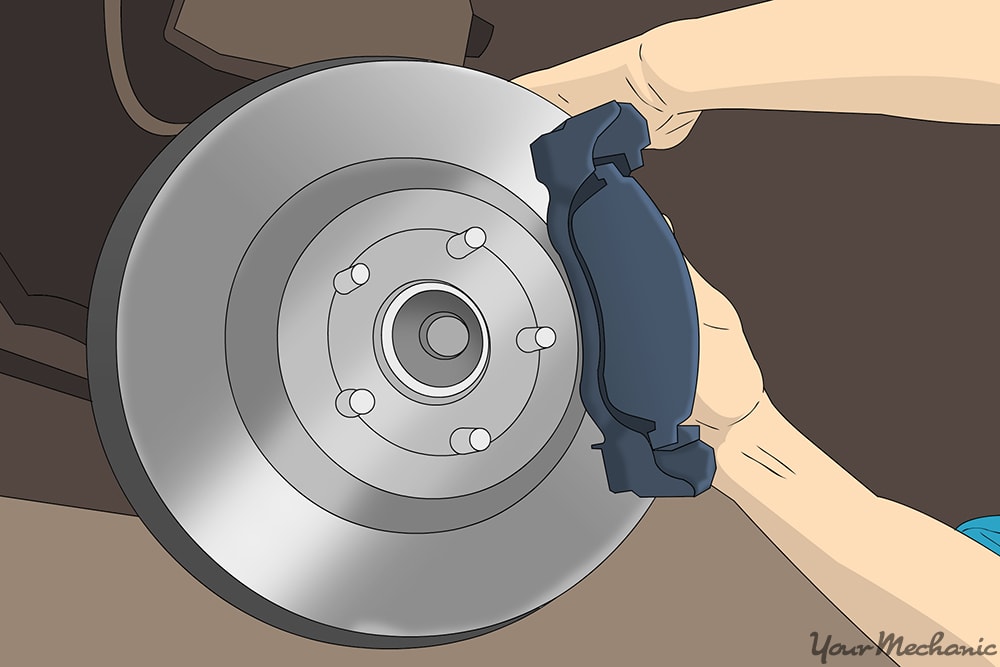
Place the rotor onto the wheel hub carefully. Align the rotor holes with the hub bolts. Make sure the rotor sits flat and tight. Proper positioning prevents wobbling and noise.
Securing With Screws
Use the screws to fix the rotor in place. Hand-tighten each screw first to avoid cross-threading. Then, use a screwdriver or wrench to tighten them firmly. Secure screws keep the rotor stable during driving.
Reattaching The Brake Caliper
Reattaching the brake caliper is a key step after replacing front brake rotors. It ensures the brake system works safely and smoothly. Properly positioning and securing the caliper helps avoid brake issues and keeps your vehicle stopping effectively.
Positioning The Caliper
Start by aligning the brake caliper over the new rotor. Make sure the brake pads fit correctly on each side of the rotor. The caliper should sit flush against the rotor without forcing it. Check the brake line is not twisted or stretched during this step. Proper alignment prevents uneven wear and brake noise.
Tightening Bolts
Find the caliper mounting bolts and thread them by hand first. This avoids cross-threading, which can damage the bolts. Use a wrench or socket to tighten the bolts firmly. Follow the vehicle manufacturer’s torque specs for safety. Tight bolts keep the caliper stable and prevent brake vibration. Double-check both bolts before moving on.
Reinstalling The Wheel
Reinstalling the wheel is the final step after replacing the front brake rotors. It ensures the car is safe to drive and the brakes work properly. This step needs care and attention to avoid any issues later. Follow the steps carefully to put the wheel back on the hub correctly.
Aligning The Wheel
Place the wheel onto the hub by matching the holes with the wheel studs. Make sure the wheel sits flat against the brake rotor and hub surface. Avoid forcing the wheel; it should fit easily. Proper alignment prevents wobbling and uneven tire wear.
Hand-tightening Lug Nuts
Start by screwing the lug nuts onto the studs by hand. Tighten each nut a little at a time in a crisscross pattern. This helps the wheel sit evenly on the hub. Avoid using tools at this stage to prevent cross-threading. Hand-tightening secures the wheel enough for the next steps.
Lowering The Vehicle And Final Tightening
Lowering the vehicle and final tightening are crucial steps after replacing front brake rotors. This process ensures the vehicle sits safely on the ground. It also guarantees that all bolts hold the new parts firmly. Proper care here prevents accidents and maintains brake performance.
Lowering The Vehicle Safely
Begin by removing the jack stands carefully. Slowly lower the jack until the vehicle touches the ground. Avoid sudden movements to keep balance. Make sure the car is stable before removing the jack. Double-check that the wheels do not spin freely.
Performing The Final Tightening
Use a torque wrench for precise bolt tightening. Follow the vehicle’s manual for correct torque settings. Tighten the lug nuts in a star pattern. This method ensures even pressure on the rotor. Avoid overtightening to prevent damage to the bolts or rotors.
Testing The Brakes
Testing the brakes after replacing front brake rotors is crucial. It ensures your new parts work correctly and keep you safe. Proper testing helps you avoid brake failure or damage.
Start by checking the brake pedal feel. Then, take a slow test drive to confirm braking performance. Follow these simple steps to test your brakes effectively.
Pumping The Brake Pedal
Press the brake pedal slowly several times. This action moves the brake pads closer to the rotor. It also builds up the hydraulic pressure needed for braking. The pedal should feel firm, not soft or spongy. If the pedal feels soft, check for air in the brake lines or fluid leaks.
Performing A Test Drive
Drive slowly in a safe, open area. Apply the brakes gently at first to see how they respond. Listen for unusual noises like squeaks or grinding. Try braking harder to test the rotor’s performance. The vehicle should stop smoothly without pulling to one side. Repeat the test a few times to be sure.
Credit: www.lowbrowcustoms.com
Frequently Asked Questions
How Often Should Front Brake Rotors Be Replaced?
Front brake rotors typically need replacement every 30,000 to 70,000 miles. Inspect rotors during brake pad changes. Uneven wear, warping, or deep grooves signal replacement. Regular checks ensure optimal braking performance and safety on the road.
What Tools Are Required To Replace Front Brake Rotors?
Basic tools include a jack, lug wrench, socket set, and C-clamp. You also need a screwdriver, brake cleaner, and possibly a torque wrench. These tools help safely remove and install brake components during rotor replacement.
Can I Replace Front Brake Rotors Myself Safely?
Yes, with proper tools and instructions, DIY replacement is possible. Follow safety precautions, work on a level surface, and use a jack stand. If unsure, consult a professional to avoid brake system damage or injury.
How Do I Know If Front Brake Rotors Are Worn Out?
Signs include squealing noises, vibration during braking, or visible grooves on rotors. Thinner rotors or those below manufacturer thickness need replacement. Regular inspection helps maintain effective braking and vehicle safety.
Conclusion
Replacing front brake rotors can save you money and improve safety. Follow each step carefully and take your time. Use the right tools and check all parts before finishing. Clean and inspect the rotors and brakes regularly. Doing this job yourself gives you control and knowledge about your car.
Stay safe by testing the brakes before driving. Keeping your brakes in good shape helps your car stop well. Simple care keeps your ride smooth and secure.


